
Why Port Cranes Fail Under Continuous Operations and How to Prevent It
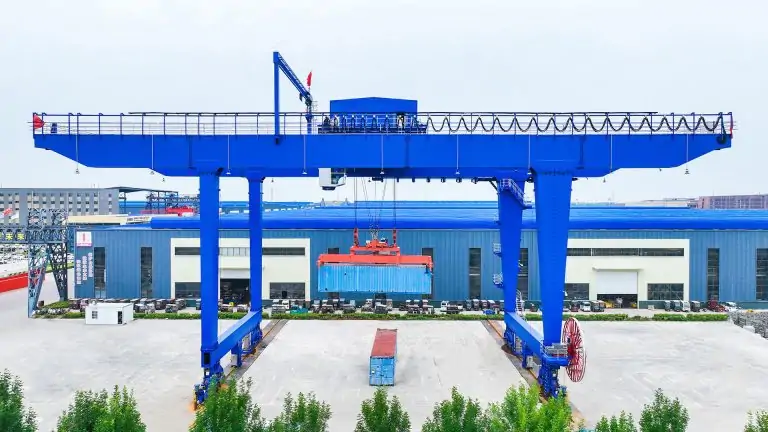
As the ‘throat’ connecting land and sea transport, the stable operation of cranes has a direct impact on port throughput and supply chain efficiency, and the ‘all-weather operation’ mode significantly increases its operating load, resulting in mechanical and electrical systems in a long-term high stress state, and failures occur frequently.
In this paper, it is clear that continuous operation triggered by mechanical wear and tear, environmental erosion and other issues can easily lead to crane failure, and proactive prevention, scientific maintenance and other strategies can effectively reduce the risk and ensure equipment stability.
Potential Wear and Tear on Port Cranes in Continuous Operation
Port cranes continuous operation (especially 24-hour uninterrupted operation) and intermittent operation there are essential differences:
Intermittent operation can provide rest and buffer time for the equipment, while continuous operation will make the crane’s mechanical, electrical, hydraulic, structural four systems are in a long-term high load operating state, the cumulative stress is constantly superimposed, and ultimately accelerate the aging of the components and the occurrence of failures.
The core stress point under continuous operation is mainly reflected in two aspects:
- High cycle times, a shore container crane needs to complete hundreds or even thousands of lifting, panning, landing movements per shift, wire rope, gears, bearings and other components repeatedly subjected to bending, stretching, friction, there may be no obvious abnormality in the short term, but the long term accumulation will significantly shorten its service life;
- Continuous load, motors, winches, brakes and other power components need to continue to output power for a long time, prone to overheating, insulation aging and other issues, while the hydraulic system is in a high-pressure state for a long time, which may also lead to damage to seals, oil leakage.
Wire rope, for example, in continuous operation, it needs to be repeatedly wound on the drum, through the pulley block, each rise and fall will produce bending and tensile stress, long-term down will lead to wire rope fatigue, wire breakage, if not found in time, may eventually lead to rupture accidents;
Again, such as the motor winding, continuous operation will make the winding temperature continues to rise, if the cooling system fails to dissipate heat in time, it will accelerate the aging of the insulation layer, which in turn triggers a short circuit, motor burnout and other faults, resulting in sudden crane shutdown.
Common Causes of Port Crane Failures Under Continuous Operation
Mechanical Wear and Aging
Mechanical wear is the most common cause of failure under continuous operation of port cranes, but also one of the main reasons for equipment shutdown, mainly affecting the core force components such as winches, winches, motors, brakes, etc., which bear the action of lifting and panning for a long time, and are in a high load and high friction state.
In the continuous operation of the working conditions, the wear and tear of these parts will be significantly accelerated:
- The wire rope which can be used stably for 3-5 years under the condition of intermittent operation will be shortened significantly under the high-intensity load of 24-hour uninterrupted operation, and its service life can only be maintained for 1-2 years;
- The gearbox internal gears are in the state of meshing and rotating for a long time, which will lead to wear of the tooth surface and cracking of the top of the teeth due to continuous friction, and if lubrication and maintenance are not carried out in time, it may also lead to serious faults such as stuck gears, which will directly lead to the shutdown of the equipment;
- Brakes need to perform frequent braking operations for a long time, the brake pads will wear out quickly, which will lead to increased brake clearance and decreased braking efficiency, and in serious cases, brake failure will occur, leading to safety accidents.
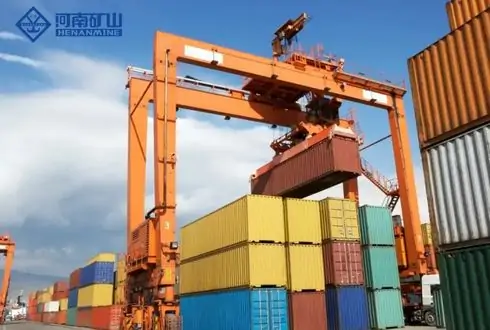
After 36 hours of continuous operation of an RTG crane in a coastal port, the brake pads were not inspected and replaced for a long time, and the wear and tear exceeded the standard, resulting in brake failure, and the spreader slid down slowly with the container, which didn’t cause a fall, but the equipment was shut down for 12 hours for maintenance, affecting the pace of port operations.
Improper Maintenance
Inadequate maintenance is another major core cause of port crane failure, of which ‘passive maintenance’ is the most prominent harm.
Many ports for the pursuit of efficiency, such as equipment failure before maintenance, resulting in small defects, small wear and tear accumulated into a major failure, not only higher maintenance costs, but also extend the downtime.
In practice, the maintenance work is often negligent, especially the following easily overlooked links, easy to accelerate equipment failure:
- Insufficient lubrication of moving parts: no timely lubrication and maintenance of moving parts, will exacerbate the friction between the parts of the loss, accelerate the rate of wear and tear, and thus shorten the service life of the parts.
- Wire rope inspection is not meticulous: daily inspection in the wire rope status is not carefully checked, can not be found in time broken wire, rust and other hidden dangers, easy to bury the safety risk of wire rope breakage.
- Safety system debugging is not timely: limit switches, emergency stop devices and other safety components are not regularly debugged according to the regulations, which will lead to the failure of its safety protection function and significantly increase the safety risks of equipment operation.
An STS crane in a port suffered from abnormal vibration and slight rattling of the gear box. The maintenance personnel did not conduct in-depth inspection, but only did surface inspection, which ultimately led to gear collapse, equipment downtime and maintenance for 3 days, and repair cost of more than 1 million yuan.
Afterwards, it was confirmed that the noise was a signal of increased gear wear, and timely troubleshooting could have prevented the failure.
Environmental Factors
Most of the port cranes operate in the open air, exposed to the harsh natural environment for a long time, the erosion of environmental factors will further accelerate the aging of the equipment and increase the risk of failure. Among them, salt spray and high humidity in coastal ports, as well as strong winds and extreme temperature differences prevalent in all types of ports, are the main environmental factors affecting the life of the equipment.
Salt spray and high humidity can cause serious corrosion to the metal parts of cranes:
- The paint protective coating on the surface of the crane steel structure will gradually fall off after long-term erosion by salt spray, resulting in exposed steel and corrosion, which will weaken the overall strength of the steel structure and lay a hidden danger of structural safety.
- If salt spray and moisture enter the interior of the electrical control cabinet, it will cause the line insulation to drop, short circuit, or even burn the electrical components; wire rope, bearings and other components subject to corrosion, surface corrosion, strength decline, increasing the risk of fracture, jamming.
- Strong winds will generate additional lateral force during crane operation, increasing the structural load bearing, especially in the process of lifting heavy loads, strong winds are prone to cause heavy loads to swing and hit the main structure of the crane, resulting in structural damage;
- Extreme high temperature will accelerate the aging rate of the motor, electrical components, extreme low temperature will lead to lubricant solidification, hydraulic system operation jam, directly affecting the normal start and stop of the crane and operational accuracy.
- Extreme high temperatures will accelerate the aging rate of the motor, electrical components, extreme low temperatures will lead to lubricant solidification, hydraulic system jamming, affecting the normal operation of the equipment.
More noteworthy is that many of the damage caused by the environment is hidden. For example, corrosion within the steel structure, electrical components of the insulation aging, through conventional visual inspection is difficult to find, often wait until the equipment failure, the damage has been very serious, the difficulty and cost of maintenance has increased significantly.
Overload and Operational Stress
Overloading is one of the major causes of catastrophic failures of port cranes, and under continuous operation, in order to catch up with progress and efficiency, some operators may violate the overloading, or push the crane to the limit of the rated load, which will cause irreversible damage to the equipment in the long run.
Each crane has a clear rated load, once more than this load, the structure of the crane, wire rope, winches and other components will be subjected to far beyond the design range of stress, it is very easy to cause breakage, deformation and other failures.
In addition to direct overloading, the additional stress brought about by improper operation will also accelerate equipment failure:
- Operators in the lifting and landing of heavy objects in a hurry, easy to produce shock loads, instantly increase the core components of the stress intensity, accelerate component fatigue wear;
- cargo placement is not standardised, the centre of gravity shift, will lead to uneven force on the crane as a whole, significantly increasing the load bearing burden of structural and mechanical components, laying a hidden trouble;
- Sudden acceleration and emergency braking during the panning operation will cause the heavy load to generate a large inertia force, which is easy to hit the main structure of the crane, resulting in damage to the components and loss of precision.
These improper operation behaviours are more likely to occur under the high-intensity rhythm of continuous operation, further increasing the risk of failure.
Electrical System Failure
The electrical system is the ‘brain’ of the harbour crane, responsible for controlling the various actions of the equipment, and continuous operation will make the electrical system in a long-term high load state, very prone to failure. Common triggers of electrical failure include power surge, line aging, loose wiring, overheating equipment.
The power supply system in the harbour may experience power surges due to large equipment starting and stopping, lightning weather, etc. The surge voltage will break through the electrical components and cause system failure;
Line for a long time by vibration, friction, environmental erosion, there will be insulation aging, loose wiring, which in turn triggers a short circuit, poor contact and other issues; motors, inverters and other electrical equipment will produce a large amount of heat in continuous operation, if the heat dissipation is not timely, it will lead to overheating of the equipment, triggering the protection mechanism shutdown, or even burn the equipment.
After the intelligent upgrade of port cranes, the complexity of the electrical system increases, although it improves operational efficiency and accuracy, but also increases the failure points; the addition of IoT sensors and other components of the power supply and line connection requirements are higher, any related failure may lead to control system paralysis, affecting the operation of the equipment.
Consequences of Port Crane Failures
Operational and Economic Losses
Port crane failure is the most direct consequence of operational disruption and economic loss: on the one hand, it will lead to berth stoppage, ship stranding, resulting in high stranding charges, stranding fees; on the other hand, the repair of a large number of manpower and material resources need to be invested in the cost of tens of thousands of yuan of minor failures, major failures of more than a million dollars, and can not be repaired, then need to be replaced by a huge amount of money to replace the equipment.
An RTG crane in a container port was down for 5 days due to gearbox failure, resulting in 3 ships being stranded in harbour, resulting in demurrage fees of 800,000 RMB, maintenance costs of 600,000 RMB, a total loss of 1.4 million RMB; the failure may also result in damage to the goods, triggering trade disputes and increasing additional losses.
Personnel Safety Risk
The most serious consequence of the failure of the harbour crane is the threat to the life safety of the operator and the site personnel, such accidents often lead to catastrophic injuries and even death. Cranes, as large and heavy equipment, can lift heavy loads weighing up to tens of tonnes, and in the event of a failure, accidents such as heavy loads falling and equipment collapsing can cause fatal injuries to personnel on site.
Common catastrophic injuries include:
- Crush injuries, personnel are crushed by crane parts, falling heavy objects or the gap between the equipment and the ground, resulting in damage to bones, muscles, internal organs, and in severe cases, can lead to extrusion syndrome, renal failure and other complications;
- Traumatic amputation, where personnel are entangled in the operating parts of a crane, resulting in a broken limb that requires lifelong use of a prosthesis;
- Traumatic brain injury, where personnel are struck by falling weights, fall from equipment, or become involved in equipment collisions, resulting in concussions and severe brain damage that may cause cognitive impairment, memory loss, and lifelong disability;
- Spinal cord injuries, where accidents such as falls and equipment overturning may lead to cervical, thoracic and lumbar spine injuries, triggering serious consequences such as quadriplegia and paralysis of the lower limbs;
- In addition, there may be multiple fractures, internal bleeding, electric shock injuries and other injuries, and some serious accidents can directly lead to death, bringing irreparable losses to families and enterprises.
Best Practices to Prevent Crane Failures in Continuous Operations
Establishment of a Perfect Preventive Maintenance System
Preventive maintenance is the core measure to reduce the incidence of harbour crane failures, the need to abandon the ‘passive maintenance’ mode, the establishment of a scientific and systematic maintenance system. First of all, clear maintenance focus, focus on the core components of the crane:
- Regular wire rope breakage, corrosion inspection, wear and tear over the standard, there are potential safety hazards of the wire rope to be replaced in a timely manner, to eliminate the risk of wire rope breakage;
- Regularly lubricate and maintain the core transmission parts such as gear box, bearings, winches, etc., and scientifically adjust the lubrication cycle to reduce the friction loss of the parts in combination with the operating environment of the harbour and the operating load of the equipment;
- Regularly check the brake, limit switches, emergency stop devices and other safety systems, to ensure that the safety components are fully functional and reliable; at the same time, regular inspection of the electrical system, focusing on checking the line insulation, wiring fastening, and timely investigation of short circuits, poor contact and other hidden dangers.
Secondly, make a reasonable maintenance plan, combined with the crane’s operating load, service life and manufacturer’s recommendations, to develop routine maintenance, regular inspection, quarterly overhaul, annual overhaul of the hierarchical maintenance plan.
- Daily maintenance is the responsibility of the operator, focusing on checking the integrity of the appearance of the equipment, operating noise, key parts of the lubrication status, etc., and timely investigation of intuitively visible basis of hidden danger;
- Regular inspection is carried out by professional maintenance personnel, with the help of professional testing tools, focusing on the investigation of hidden equipment hidden problems, so as to achieve early detection and early disposal;
- Quarterly maintenance and annual overhaul need to carry out comprehensive dismantling of equipment, accurate testing and system debugging, and timely replacement of aging, wear and tear over the standard components, to ensure that the equipment is always in the optimal operating state, to protect the needs of continuous operation.
In addition, we make good maintenance records, recording in detail the time, content, problems found and treatment measures of each maintenance. By analysing the maintenance records, we can grasp the operating status and wear and tear pattern of the equipments, so that we can pre-judge the risk of failures in advance and optimise the maintenance plan.
Upgrade Advanced Monitoring System
Upgrading the monitoring system with the help of modern technology can realise real-time monitoring of the operating status of cranes and fault prediction, effectively reducing the incidence of failure.
On the one hand, the introduction of the Internet of Things (IoT) monitoring technology, crane core components installed sensors, real-time collection of equipment operating parameters and uploaded to the cloud for data analysis.
Once the monitoring of data anomalies, immediately triggered an early warning mechanism to remind the maintenance staff to investigate and dispose of hidden dangers in a timely manner, to achieve the hidden dangers of early discovery, early treatment.
On the other hand, the application of predictive maintenance technology, combined with artificial intelligence (AI) and machine learning algorithms for in-depth analysis of operational data, the construction of component wear prediction model, accurate prediction of the remaining service life of the core components, to truly achieve the goal of active protection ‘before failure, first maintenance’.
At the same time, the establishment of a layered inspection system, the integration of daily pre-inspection, periodic special inspections and comprehensive testing, relying on professional testing equipment to accurately investigate hidden dangers, comprehensive coverage of the equipment monitoring links, to achieve the crane without dead ends, the whole process of monitoring, and build a strong line of defence for the safe operation of equipment.
Emphasis on Operator Training and Certification
The professional level of the operator directly affects the operational safety of the crane and the risk of failure, so it is necessary to strengthen the training and certification of operators to enhance their operational skills and safety awareness.
- Conduct comprehensive training courses covering the basic structure of cranes, operating principles, load calculation, safe operating procedures, emergency response methods, etc., to ensure that operators are proficient in equipment operation skills, and understand the identification of common failures and emergency response measures.
- Strictly implement the operator certification system, the operator must pass the professional examination and obtain the corresponding operation certificate before going on duty, and operation without certificate is strictly prohibited;
- establish a regular retraining and re-certification system, with the technology upgrading and equipment updating, timely re-training of operators to ensure that they master the operation of new equipment and technology and adapt to the job requirements.
- strengthen day-to-day management, carry out regular safety training and case warning education, strengthen the safety awareness of operators, put an end to illegal operation, overloading and other behaviours, and guide operators to develop good habits of standardised operation and regular inspection.
Implement Effective Load Management Measures
Reasonable load management can effectively reduce the operating stress of the crane and reduce the risk of failure.
- Strictly implement load limitation regulations, specify the rated load of each crane, post load signs in obvious locations of the equipment, and strictly prohibit overloading operations;
- Operators must accurately calculate the weight of the goods before lifting the goods and confirm that the weight of the goods does not exceed the rated load of the crane before carrying out the operation.
- Standardise cargo placement and rigging operation to ensure stable centre of gravity of the cargo and standardised placement to avoid uneven force on the crane due to shift of the centre of gravity;
- Select appropriate rigging equipment, ensure that the rated load of the rigging equipment matches the weight of the goods, and ensure that the goods are firmly fixed during the rigging process, so as to prevent the goods from sliding and falling during the operation.
- Enhance communication and coordination at the operation site. Operators should maintain close communication with ground commanders and terminal dispatchers, and adopt standardised hand signals or two-way radios for information transfer, so as to ensure a smooth operation process and avoid operational errors and increased equipment loads due to miscommunication.
Quality Materials and System Upgrades
High-quality equipment components and system upgrades are the basis for improving the anti-fatigue and anti-wear capabilities of cranes. When purchasing equipment and replacing parts, priority is given to high-quality parts that are high-strength, corrosion-resistant and wear-resistant.
For example, choose galvanised or stainless steel wire ropes to enhance corrosion resistance; choose gears and bearings with good wear resistance to extend the service life of components; choose hydraulic components with excellent sealing performance to reduce the risk of oil leakage.
At the same time, the old crane system upgrade, eliminating backward electrical systems, control systems and safety protection systems, the introduction of intelligent, automated technology to enhance the operational stability and safety of equipment.
For example, the traditional electrical control system is upgraded to a PLC control system to improve operational precision and system reliability; intelligent load monitoring devices are installed to monitor the operational load in real time, and once the rated load is approached, an immediate warning is issued to prevent overloading operations.
Take Protective Measures
In view of the harsh environmental conditions in the harbour, targeted protective measures are taken to reduce the erosion of the environment on the equipment. For coastal ports, focus on good anti-corrosion prevention.
- Professional anticorrosion coating treatment of crane steel structure, regular inspection of the coating intact state, found to fall off, damaged in time to make up for the coating, build a solid steel structure anticorrosion line of defence;
- The implementation of sealing protection treatment of electrical control cabinets, retrofitting dehumidification, anti-salt spray special device, effectively blocking salt spray, moisture intrusion, to protect the normal operation of electrical components;
- For steel wire rope, bearings and other metal parts, regularly carry out rust removal, lubrication and maintenance operations to effectively enhance the corrosion resistance of components and extend their service life.
At the same time, adjust the operation plan according to the weather conditions, suspend the crane operation when encountering strong winds, heavy rain, high temperature, cold and other extreme weather, to avoid the equipment to withstand additional stress in bad weather;
Before the arrival of strong winds, lower the crane’s spreader to the lowest position, and fix the equipment, to prevent the equipment from being damaged by wind blowing.
Regular Load Test
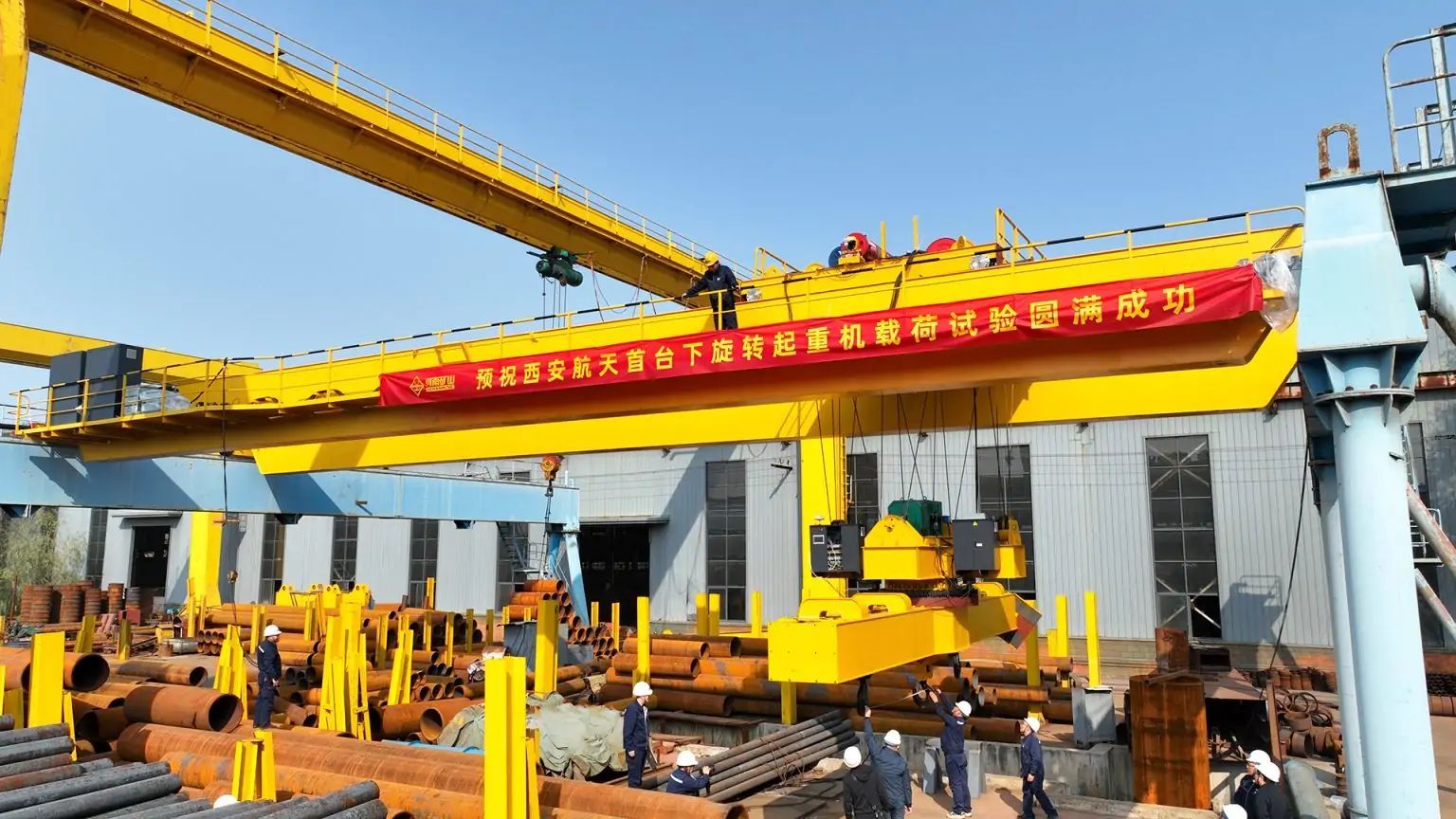
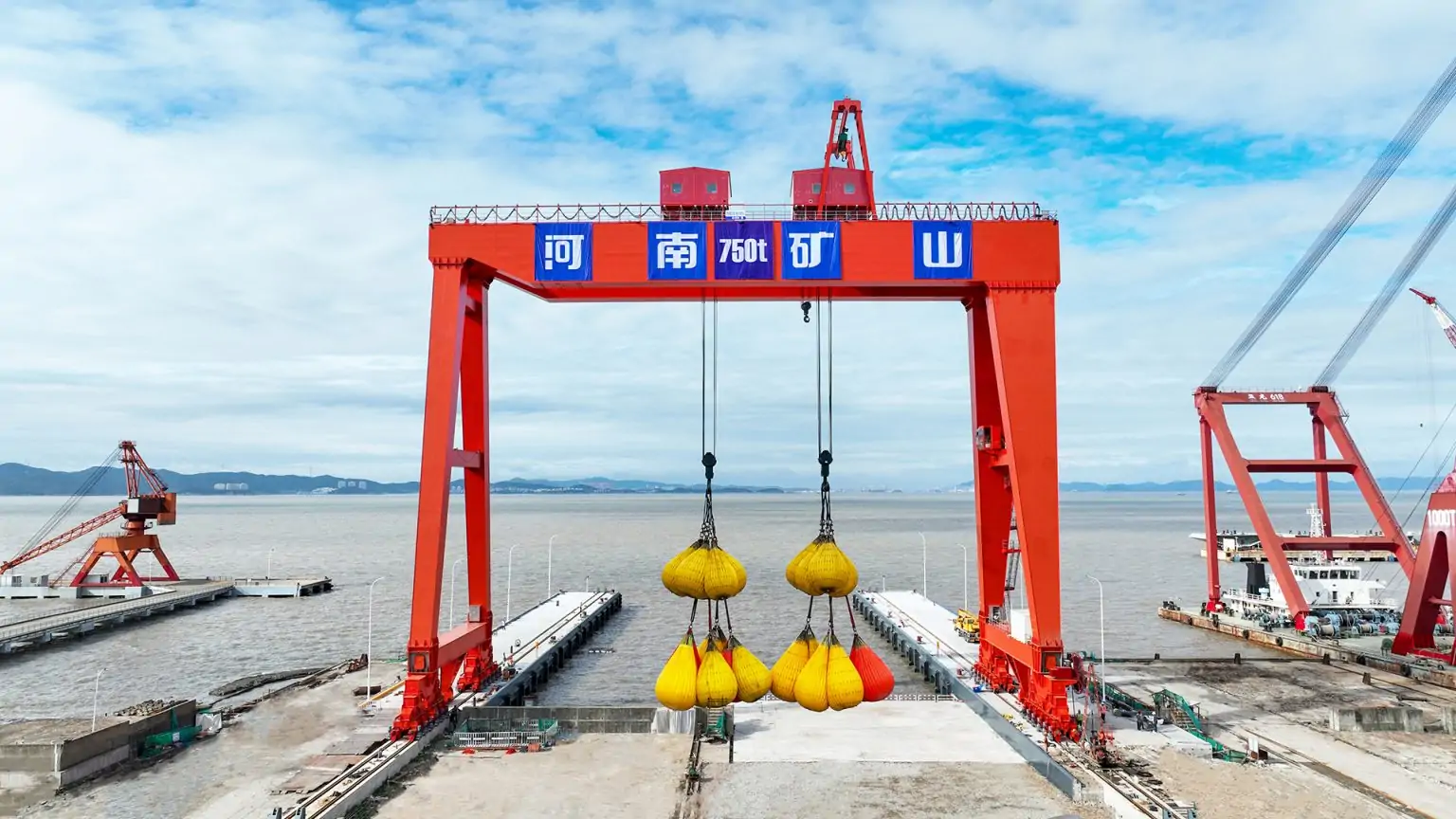
Regular load test is an important means to check the load capacity of cranes and investigate hidden structural problems, which should be combined with the service life of the equipment and the operational load, and regularly carry out the rated load test and the overload test with strict control ratio, check the structural strength, braking performance, etc., to confirm that the equipment meets the requirements of continuous operational loads.
Tests need to use professional equipment to monitor real-time operating data, and abnormalities in structure, braking or components are found to immediately stop the test and repair and adjust to ensure that the equipment operates safely within the rated load, and to avoid failures caused by insufficient load.
Cultivate Safety First Corporate Culture
A good safety culture is an important guarantee for preventing crane failures and ensuring operational safety.
The first to establish a sound safety management system and operating procedures, clarify the safety responsibilities of each position, standardise the crane’s operating procedures, maintenance procedures and emergency disposal procedures, to ensure that all work is regulated.
- Regularly carry out safety training and emergency drills, organise operators and maintenance personnel to learn safety knowledge and emergency disposal methods, and enhance the safety awareness and emergency disposal ability of all staff;
- For emergencies caused by crane failure, formulate detailed emergency plans and carry out regular drills to ensure that accidents can be quickly and effectively disposed of to reduce casualties and economic losses.
- Establish an accountability mechanism and an accident reporting system to encourage employees to take the initiative to report equipment hazards and operational abnormalities, and reward employees who find hidden dangers and avoid accidents;
- For equipment failures caused by irregular operation and improper maintenance, seriously investigate the responsibility of relevant personnel and strengthen the implementation of responsibility;
- For equipment failures and attempted incidents (near-miss incidents) that have occurred, carry out in-depth investigation and analysis, identify the root cause, formulate targeted rectification measures, closed-loop management, and prevent the recurrence of similar accidents.
Conclusion
Failure of port cranes under continuous operation is caused by mechanical wear and tear, lack of maintenance and other factors, which can cause operation interruption, huge economic losses and personnel safety threats; at present, continuous operation has become the norm, and failure prevention is the core task of port enterprises.
Call on all parties involved in the port to pay attention to failure prevention, combined with their own practical development of targeted programmes, to identify hidden problems, and pay attention to new technologies in the industry, optimize equipment management and maintenance mode, to help the port industry high-quality development.