
What Is Bridge Speed on an Overhead Crane, and Why Does It Matter?
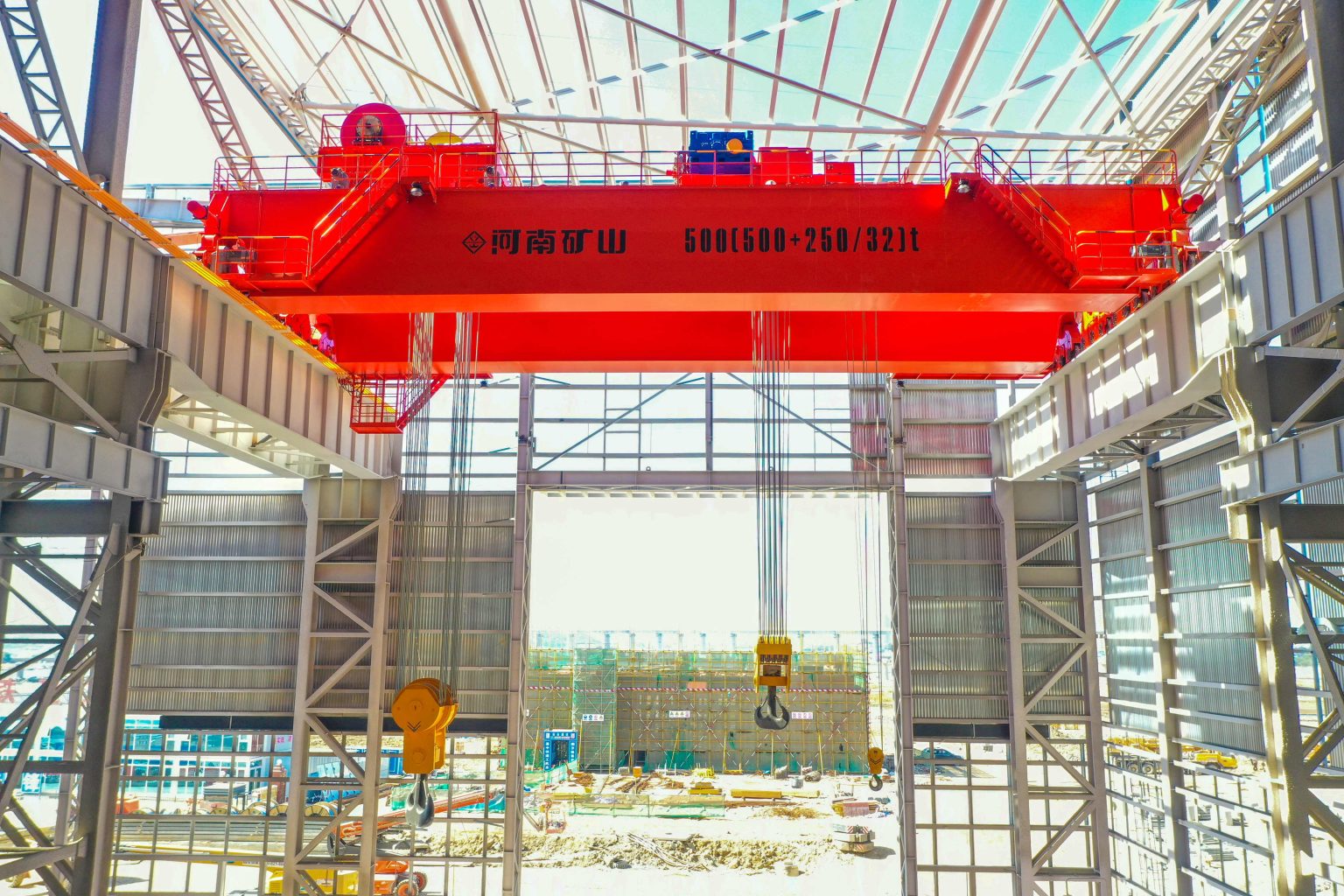
In manufacturing and logistics industries, overhead cranes are the core equipment for material handling, and their efficiency and safety determine the production and operational safety. Most of the enterprises pay too much attention to the lifting capacity and span when selecting the model, but neglect the key speed of the bridge crane, and the problems of load shaking and inefficiency are mostly originated from this.
As the core performance factor of overhead travelling crane which is easy to be neglected, the bridge speed directly affects the operation efficiency, safety, precision and operation cost. In this article, we will disassemble its core concepts, importance, influencing factors and industry applications to help practitioners understand and optimize bridge speed to achieve efficient and safe material handling.
What Is Bridge Speed on an Overhead Crane?
The bridge speed is the speed (unit: ft/min fpm) at which the bridge of an overhead crane travels along the plant track, which is the core indicator of its horizontal transfer capability and directly determines the efficiency of load movement, e.g., steel mills require fast transfer and precision laboratories require low-speed operation.
Need to make clear the big car speed and lifting speed, bridge speed difference: lifting speed control load vertical lifting, bridge speed control load along the bridge transverse movement, the big car speed drives the bridge and load along the track longitudinal movement, the three synergistic composition of the complete material handling process.
The uniqueness of the bridge speed is to determine the crane “operational coverage efficiency”, unlike the hoisting, bridge speed only affects the local range, it directly determines the load in the entire operating area of the transit speed, especially in the large-span, long-distance operation, the overall efficiency of the impact is more prominent.
Why Bridge Speed Matters in Crane Design
Efficiency and Productivity
Reasonably matched truck speed can effectively optimize the bridge crane operation process, shorten the load transfer cycle, reduce equipment idle loss, and then significantly improve the overall productivity of the enterprise.
In mainstream application scenarios such as automobile manufacturing, building construction, logistics and warehousing, the speed of the bridge crane that matches the operational requirements can respectively ensure the continuous and stable operation of the production line, accelerate the progress of engineering construction, and enhance the efficiency of the warehouse goods throughput, providing strong support for the high-efficiency production of various industries.
Safety Consideration
Reasonable control of truck speed is the key to ensure the safety of bridge crane operation, too fast speed is easy to cause load shaking, equipment wear and tear, and even personnel safety accidents, too slow speed will cause waste of resources and slow down the overall operational efficiency.
From the physical principle level analysis, unreasonable acceleration and deceleration operation will produce large inertia force, which will lay a hidden safety hazard, the relevant details will be carried out in the following chapters to explain in detail.
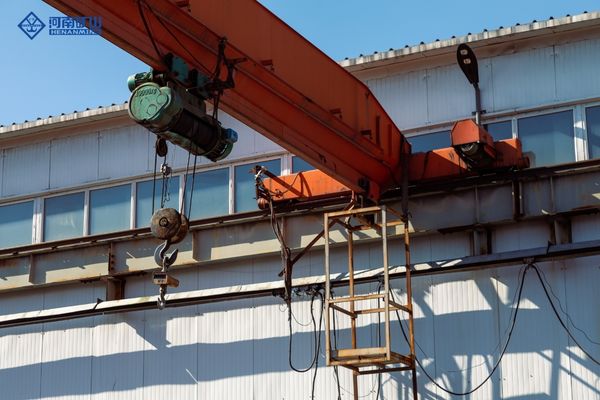
Load Handling and Precision Control
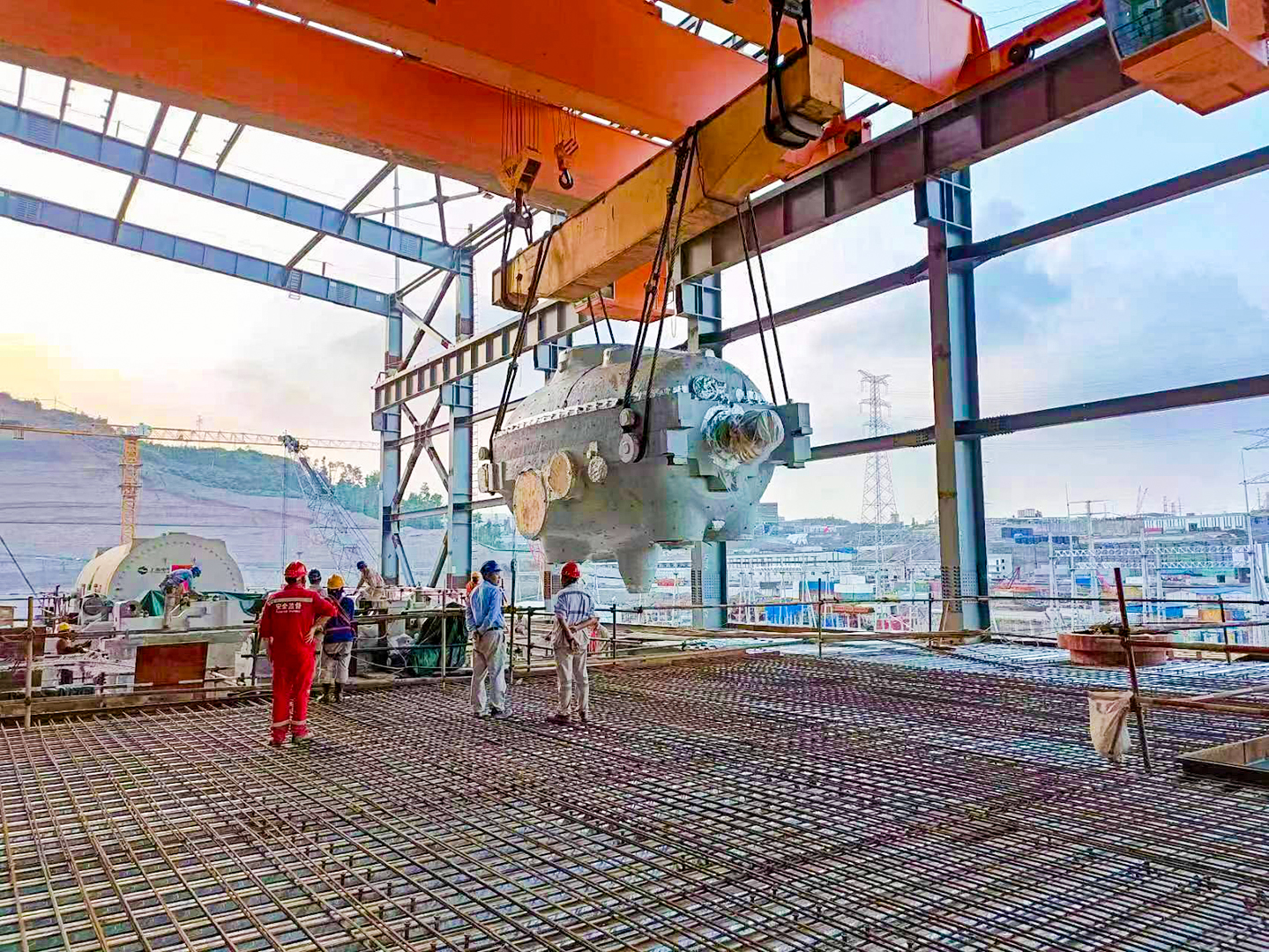
There is a negative correlation between the speed of the truck and the accuracy of load handling, the faster the speed, the more difficult the accuracy control. When handling heavy, precise or high-value loads (e.g., aerospace components, turbine parts), it is necessary to reasonably reduce the speed of the bridge to ensure accurate positioning of the loads and to effectively avoid damage to the loads and installation deviations.
Energy Efficiency and Cost Savings
The speed of the large vehicle should be strictly controlled in a reasonable range, too fast or too slow will cause unnecessary energy loss. Scientific optimization of bridge speed setting can not only effectively reduce the cost of electricity, but also reduce the wear and tear of equipment, extend the service life of the bridge crane, and realize the reasonable control of long-term operating costs, which is in line with the core demand of sustainable development of enterprises.
How Bridge Speed Impacts Safety and Reliability
The safety of crane operation is the most important, and the speed of the big vehicle is the key link to control the safety risk. From the physical principles and practical operational experience, the influence of large vehicle speed on safety and equipment reliability is mainly reflected in the following four aspects:
Load Sway and Pendulum Effect
Large car acceleration or deceleration is too fast, will make the suspended load due to inertia shaking (pendulum effect), not only affects the positioning accuracy, extends the operating time, jeopardize the safety of personnel and equipment,but also exacerbate the wear and tear of the crane structure and ropes; and the operator needs to decelerate or stop the machine in order to control the shaking, but to reduce the actual operating efficiency.
Increased Difficulty in Accurate Positioning
The higher the speed of the truck, the longer the braking distance, the operator wants to achieve millimeter precision positioning, it requires longer deceleration time and higher operating skills.
For example, for a crane running at 300 ft/min, to accurately place the load in the specified position, the operator needs to carry out a long and smooth deceleration in advance, which not only increases the cognitive burden on the operator, but is also prone to positioning deviation (i.e., “drop point error”), resulting in collision and damage to the load.
Structural Fatigue and Dynamic Loading
Crane bridge and rail design have specific load bearing capacity, and high-speed braking, imposed on the rail block and plant structure is not only the static load of the crane and the load, but also multiplied by the dynamic impact coefficient of the dynamic load.
Long-term high-speed operation, frequent emergency stops of the crane, its driving wheels, rims, rails and even plant support columns of the wear and tear will be significantly accelerated, leading to early failure of the equipment, reducing the reliability and service life of the crane.
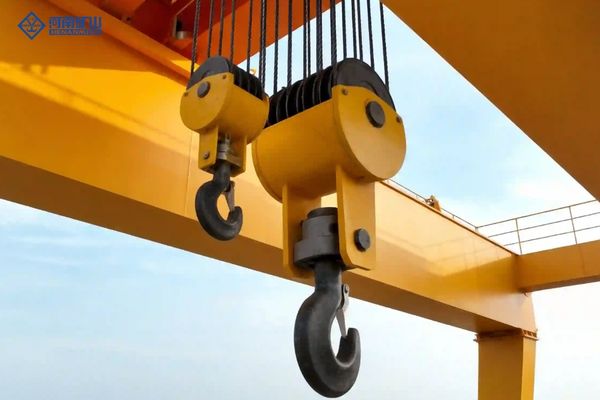
Ergonomics and Operating Errors
Controlling cranes with high inertia to run at high speeds is a huge test of the operator’s physical and mental strength. High concentration of attention for a long time and frequent adjustment of speed and braking can easily lead to operator fatigue, which in turn leads to problems such as reduced concentration and operational errors, increasing the risk of safety accidents.
What Factors Determine the Right Bridge Speed?
There is no uniform standard for the speed of the bridge crane, the ideal speed should be based on the design of the crane, operating scenarios and the actual needs of a comprehensive judgment, the core influencing factors mainly include the following six points:
- Rated lifting capacity of the crane: the larger the lifting capacity, the larger the inertia of the load, in order to ensure safety and precise control, the bridgespeed needs to be reduced accordingly; on the contrary, cranes with smaller lifting capacity can appropriately increase the bridge speed to enhance efficiency.
- Bridge span and crane weight: the longer the bridge span, the greater the weight of the crane itself, the more difficult to control the stability of the operation, so you need to reduce the speed of the bridgein order to reduce the shaking and structural stress; smaller span, lighter weight cranes, the speed can be appropriately increased.
- Track length and operating distance: the longer the track, the farther the operating distance, the appropriate increase in bridgespeed can reduce the load transfer time, improve efficiency; if the operating distance is shorter, frequent starting and stopping, too high a speed will increase the number of braking times, reduce efficiency and accelerate the wear and tear of equipment.
- Work level and frequency of use: high work level, high frequency of use of cranes (such as continuous production line cranes), the need to balance the speed and durability of the equipment, to avoid excessive wear and tear due to high-speed operation; work level is low, low-frequency cranes (such as maintenance cranes), according to the needs of the appropriate increase in speed.
- Type of operation: production-type operation (such as assembly line material transfer) has higher speed requirements and needs to take into account the efficiency and safety; maintenance-type operation (such as equipment overhaul) has higher precision requirements and the speed needs to be appropriately reduced.
- Operation and control mode: Push-button operated cranes (pendant-operated) are usually designed for walking speeds to facilitate the operator to follow the control; radio-controlled, cab-operated and automated cranes can be designed for higher operating speeds within the safety range because the operator does not need to follow.
Typical Bridge Speed Ranges by Application
Combined with the operational needs of different industries, there are clear typical ranges of bridge speeds, which need to be strictly matched to the application scenarios to ensure a balance between efficiency and safety:
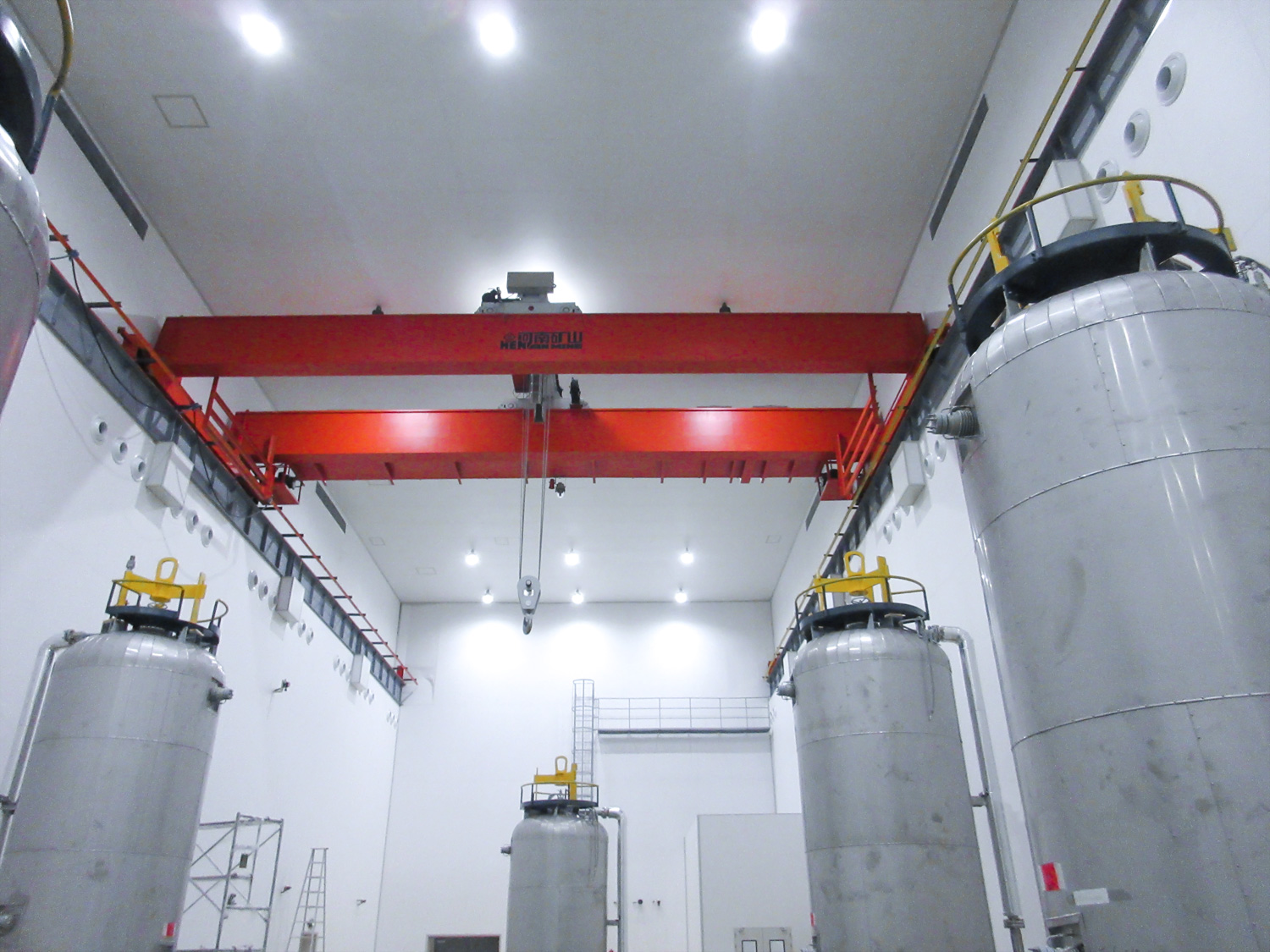
- Ultra-high precision environments (labs, cleanrooms, optical assembly): 10-40 ft/min. In this type of scenario, speed is not the primary consideration. The core requirements are smooth operation, minimal vibration, and sub-millimeter positioning accuracy, so a variable frequency drive (VFD) must be equipped to achieve precise speed regulation.
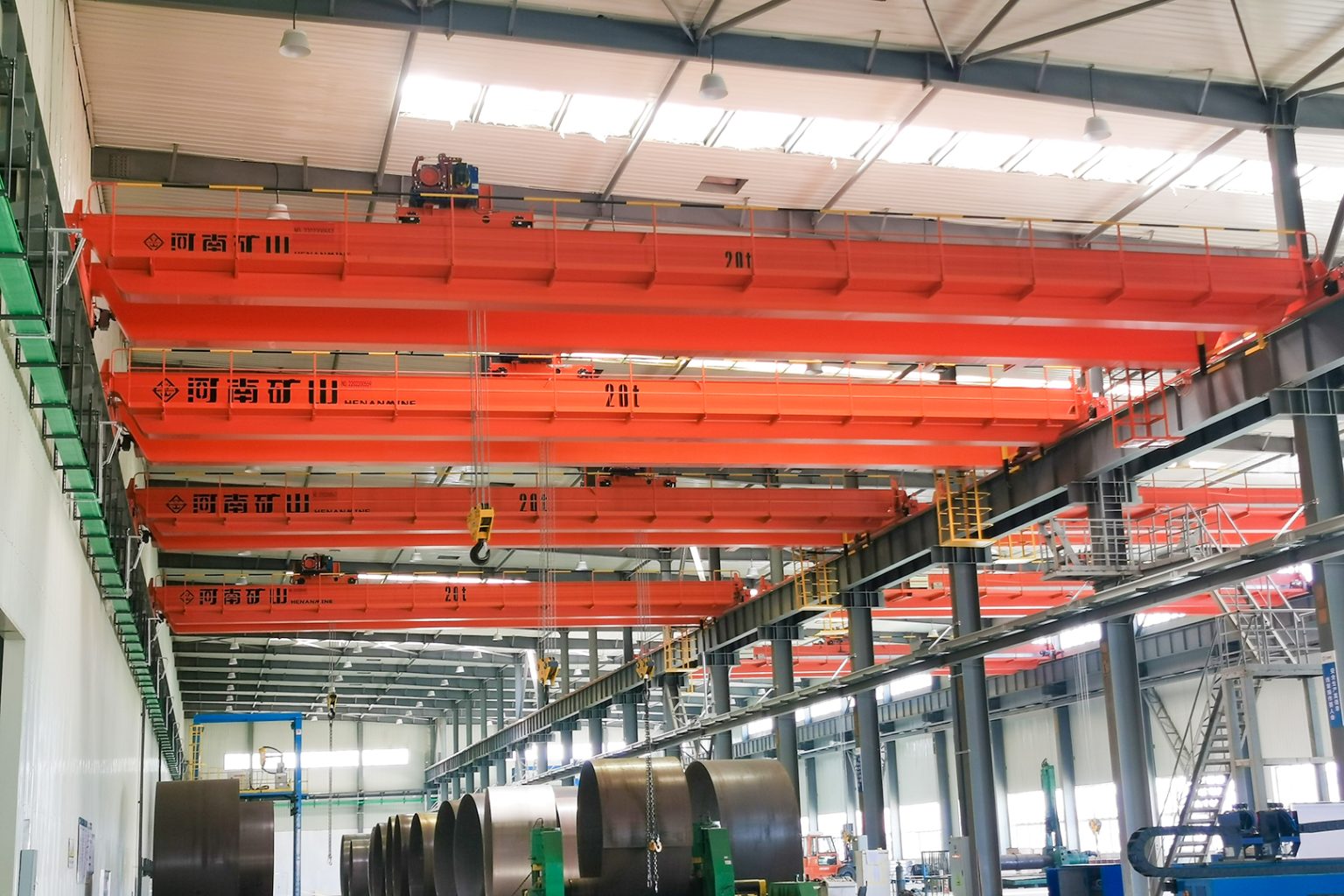
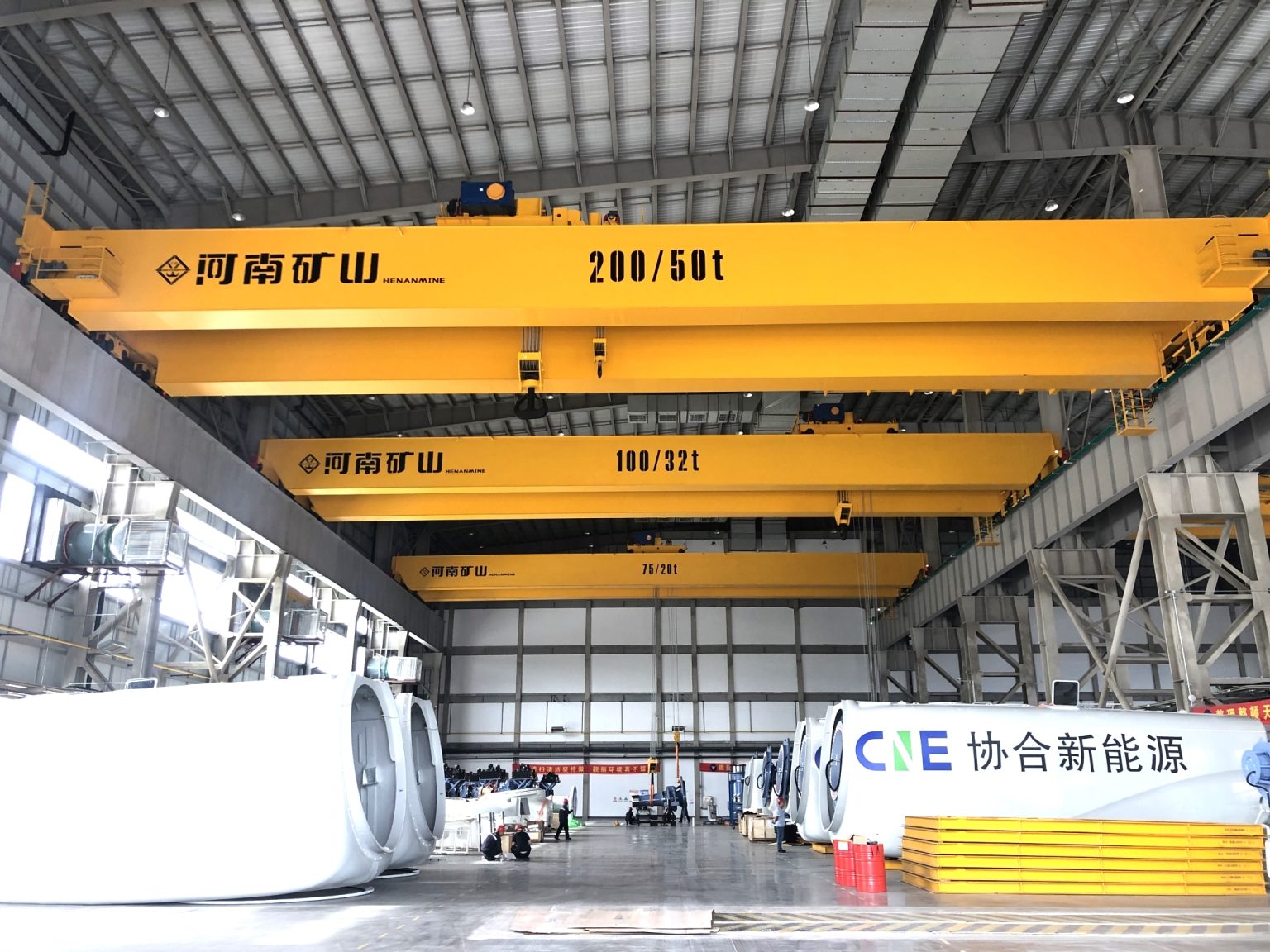
- General industry and warehousing (machine shops, maintenance shops): 40-125 ft/min. This is the most commonly used speed range, taking into account a reasonable transit time and good controllability, able to adapt to a variety of loads and tasks, is the industrial field of the “workhorse speed.
- High-intensity manufacturing and processing (automotive plants, stamping plants): 125-250 ft/min. These scenarios are dominated by repetitive, long-distance standardized load transfers, requiring cranes with rugged construction and excellent control performance to meet the demands of high-paced production.
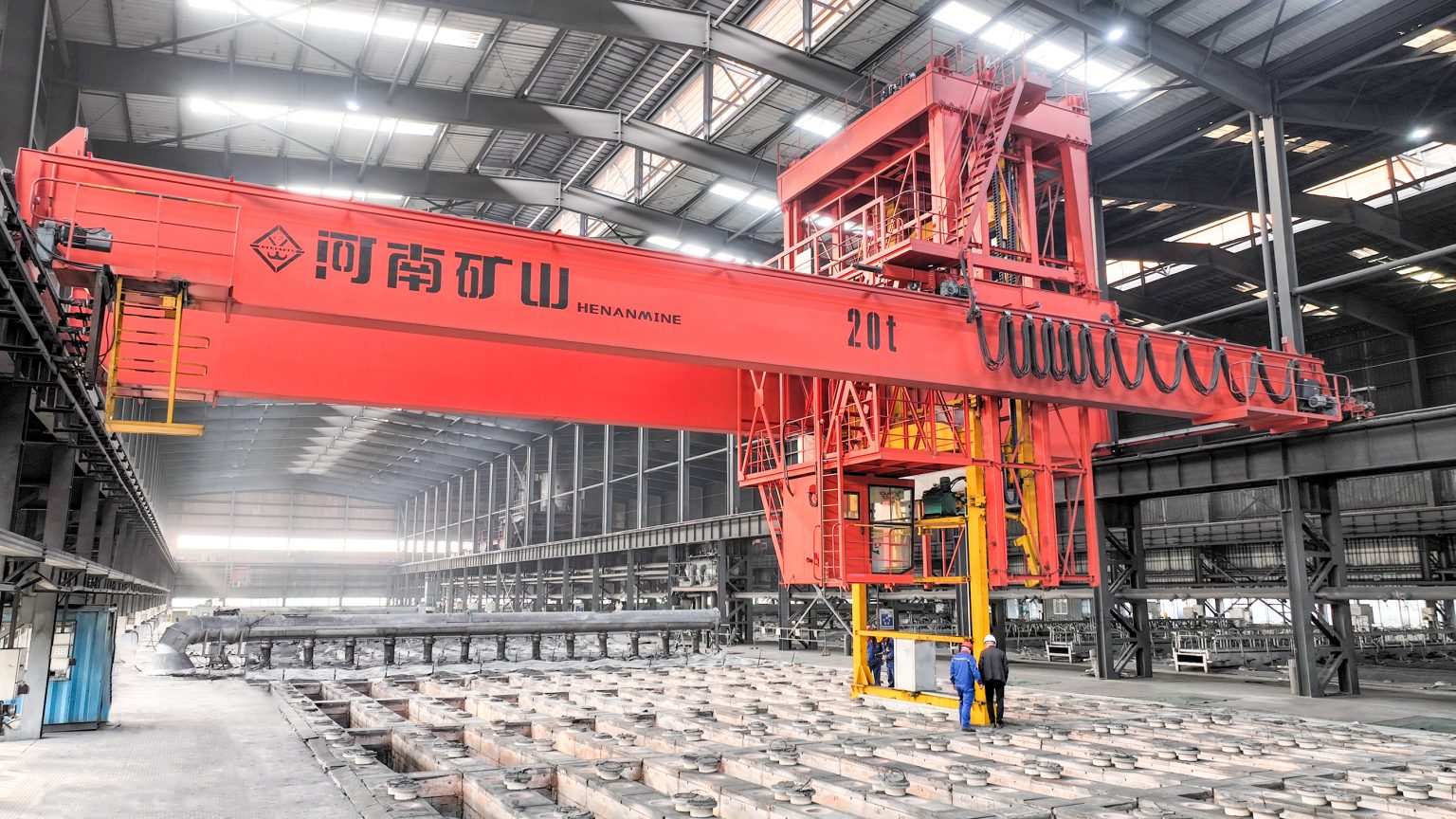
- Bulk material handling (steel mills, foundries, lumber mills): 150-350+ ft/min. These cranes are required to transfer large, rough loads and operate over long distances, so the design focuses on durability and productivity with high-power drive systems and specialized brakes.
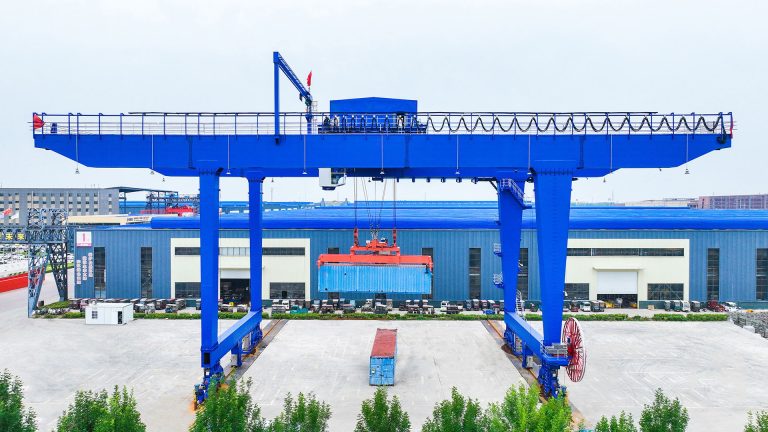
- Specialized high-speed cranes (automated three-dimensional warehouse AS/RS, container handling): 400-600+ ft/min. These cranes are designed for specific scenarios, mostly with automated controls, and the entire system (structure, drive, control, load fixing) is designed around high-speed operation, with the core objective of increasing throughput.
The Role of Variable Frequency Drives in Bridge Speed Control
With the technological upgrading of the crane industry, the role of variable frequency drive (VFD) in the speed control of the big car is becoming more and more prominent, and it has become one of the core configurations of modern overhead cranes.
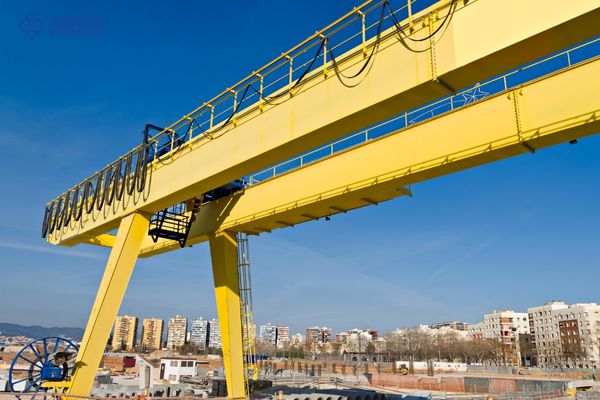
It realizes precise control of the speed of the bridge by adjusting the power supply frequency and voltage of the motor, which brings various advantages for material handling operations, as follows:
- Improved safety: The VFD comes with a load sway control function that automatically counteracts the pendulum effect of the load, so that the operator does not have to focus on controlling the sway and can concentrate on hooking up and placing the load, significantly reducing the risk of safety accidents.
- Improve energy efficiency: The VFD can dynamically adjust the power output of the motor according to the running status of the bridge, avoiding the motor running at full power during no load or low load, thus significantly reducing energy consumption.
- Extend the service life of the equipment: VFD can smoothly control the start and stop of the motor, reduce the current impact and mechanical impact, reduce the wear and tear of the crane drive system, braking system and other components, and extend the overall service life of the equipment. In addition, some VFDs also have anti-shock function to stabilize the load operation by reducing the rapid increase of torque.
- Enhance control precision: VFDs can realize stepless speed regulation of the speed of the big crane, precisely controlling the speed and torque, which is especially suitable for scenarios requiring fine operation (such as precision parts handling). Meanwhile, some of the drives are equipped with high-resolution keyboards, making it easy for operators to make parameter adjustments and troubleshooting, and simplifying the operation process.
- Increased productivity: By optimizing the speed of large vehicles, VFDs are able to reduce equipment start/stop time and load positioning time, increasing the efficiency of the work cycle and reducing downtime. For example, some VFDs are equipped with an over-lift function that monitors motor torque in real time and adjusts motor speeds for optimal operation, further increasing job throughput.
- Enhanced connectivity and diagnostics: Modern VFDs are equipped with advanced networking capabilities that can be interfaced with the plant’s monitoring system to realize real-time monitoring of equipment status and preventive maintenance reminders.
- Cost Savings: In the long run, VFDs can bring significant cost savings by reducing energy consumption, minimizing equipment maintenance costs, and shortening downtime. In addition, some VFDs are equipped with weight measurement functions, which can replace expensive load cells and further reduce equipment investment costs.
Does Higher Bridge Speed Increase Crane Cost?
The answer is yes: the higher the bridge speed, the overall cost of the crane will increase significantly, and this cost increase is reflected in a number of aspects, through the design, manufacture and installation of the crane throughout the process:
Drive Systems
Higher speeds require more powerful (and costly) motors, larger capacity transmissions (with matching ratios), and more durable wheel assemblies to transmit more torque and ensure smooth, fast operation.
Electrical System
Higher-capacity motor starters, wires and protection devices are required to accommodate the operation of high-power motors; if VFDs (the recommended configuration for high-speed cranes) are used, higher-specification, more expensive drive models need to be selected.
Structural Reinforcement
The bridge and end girders need to be redesigned to increase the amount of steel and enhance the structural strength to withstand the huge dynamic forces and inertia generated during high-speed acceleration and braking, and to avoid structural deformation or damage.
Braking System
Larger and superior braking devices (e.g. disc brake, electromagnetic brake or regenerative brake) are required to ensure that cranes operating at high speeds can be braked quickly and safely to avoid safety accidents caused by insufficient braking.
Rail Requirements
Cranes running at high speeds require higher rigidity and installation accuracy of the rail, which needs to be reinforced and accurately calibrated, which will increase the cost of rail installation and plant structure.
Therefore, the choice of higher wagon speeds must be subjected to a rigorous return on investment (ROI) analysis.
High-speed operation is only worth considering if it can significantly reduce operating cycles, increase throughput, and bring benefits that exceed the increased costs.
Can You Adjust Bridge Speed After Installation?
This is a common question asked by many companies, the answer is: can be adjusted, but the adjustment process is complex and there are obvious limitations, specifically divided into two cases:
- Small adjustment: If the crane is equipped with a VFD, then you can adjust the maximum speed parameter of the VFD within the power and torque of the existing motor to achieve a small speed adjustment. However, it should be noted that this does not mean that the speed can be doubled – the limitations of the design limits of the motor, braking system and other components, small adjustments are feasible, a significant increase will be beyond the equipment to withstand.
- Large increases: If you want to significantly increase the speed of a large truck, you will need to completely rebuild the crane, including replacing the motor, gearbox, wheel assembly, braking system, and even upgrading the electrical wiring. The cost and downtime of this kind of remodeling is often close to or more than a new, well-designed crane, with a very low cost performance ratio.
- Professional advice: in the crane design and selection stage, clear operational requirements, determine a reasonable speed of the big car, to ensure that the equipment performance and current and future operational requirements to match, to avoid the need for costly transformation later due to improper selection in the early stage, to protect the enterprise’s investment.
Common Misunderstandings About Bridge Speed
In practice, many practitioners have misconceptions about the speed of the big truck, these misconceptions may lead to improper selection of cranes, operational errors, which in turn affects operational efficiency and safety, as follows:
- Misunderstanding 1: that the highest speed of the product manual is the actual average operating speed. In reality, the manual maximum speed for the ideal limit value, the actual due to acceleration, deceleration, positioning, the average effective speed is lower, the quality of the control system will affect this efficiency gap.
- Misconception 2: Thinking you can run at low speed for a long time when you don’t need high speed. In fact, companies have paid extra costs for high-speed components, and high-speed systems run at low speeds for long periods of time, which may reduce energy efficiency and increase wear and tear on the equipment.
- Misconception 3: Thinking that bridgespeed is the main factor affecting productivity. In fact, the speed of the bridge is only one of the factors, the total operating cycle should be combined with the lifting, bridge movement and load hanging and removal time, synergistic optimization of the three in order to enhance productivity.
- Misconception 4: that the same speed crane performance is the same. The actual crane performance also depends on the control system acceleration and deceleration curves and structural rigidity, control of good low-speed crane may be better than poor control of high-speed crane.
Conclusion
To summarize, the speed of the large truck is the core performance indicator of the overhead crane, directly affecting the operational efficiency, safety, precision and operating costs, need to be combined with the rated lifting capacity of the crane, operating distance, application scenarios and industry needs to be reasonably determined, to avoid blindly chasing the high or excessive speed reduction.