
Tips for Selecting Gantry Cranes for Indoor Cargo Storage in Ports
In modern port operations, indoor cargo storage efficiency affects logistics turnover, gantry cranes as the core loading and unloading equipment, its suitability directly determines the storage efficiency, safety and operating costs.
Selection of suitable gantry cranes is an important decision for port operators, this article will help port enterprises to reduce costs, improve safety and maximise throughput through a systematic selection guide.
Understanding the Core Role of Gantry Cranes in Harbour Indoor Storage
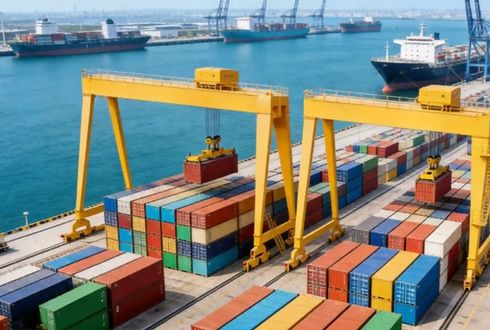
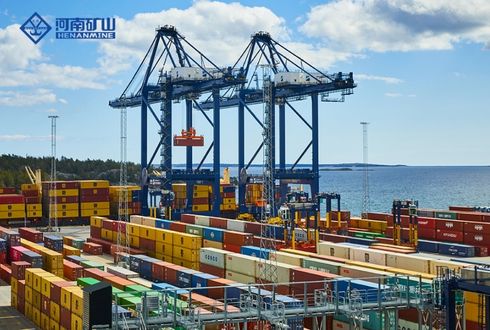
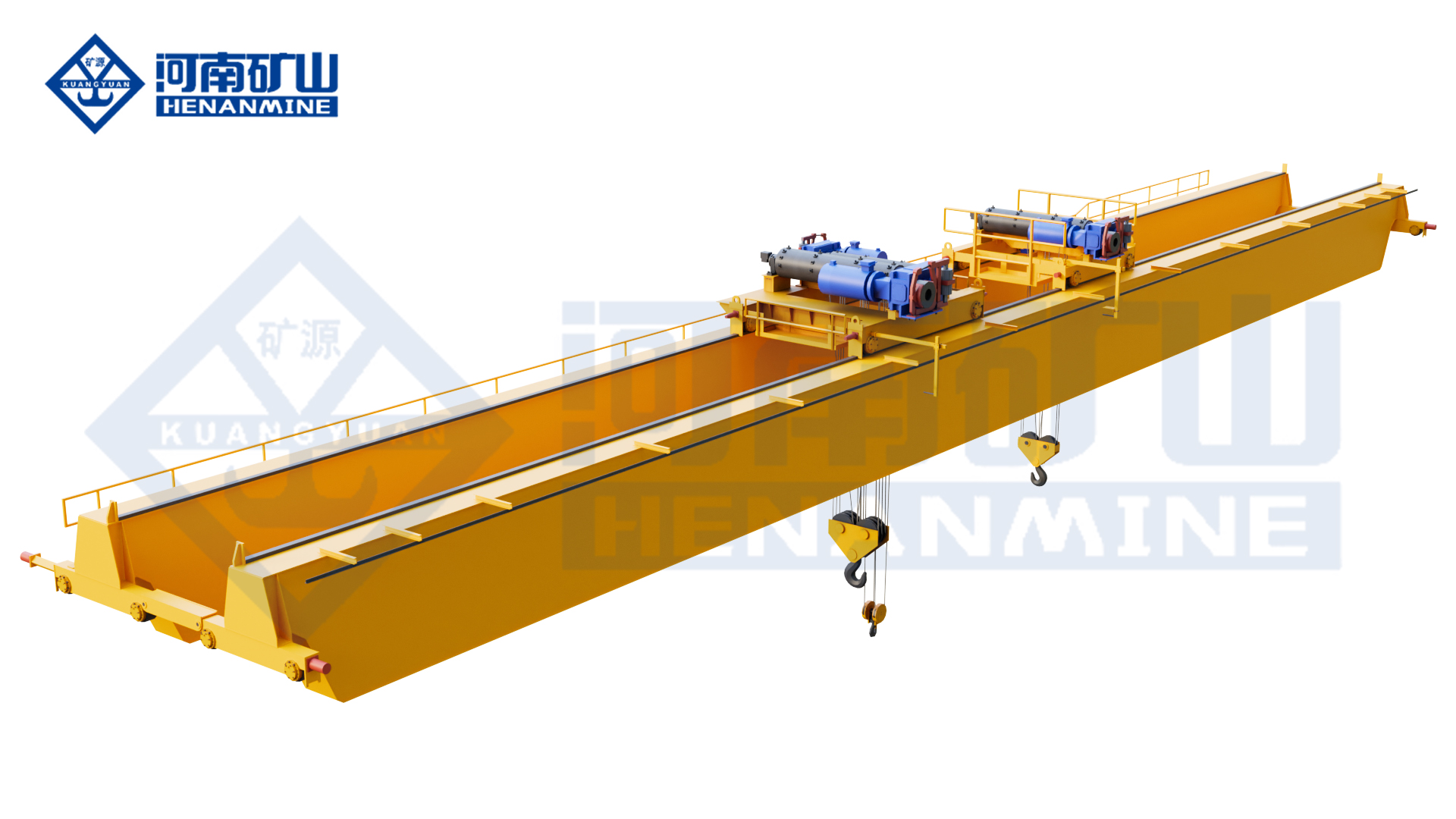
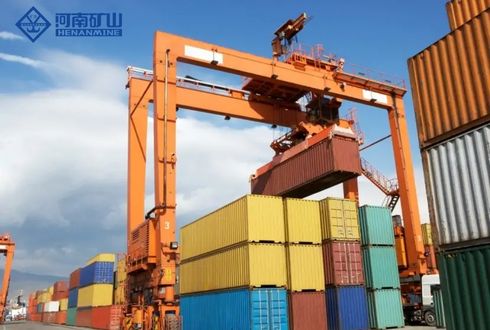
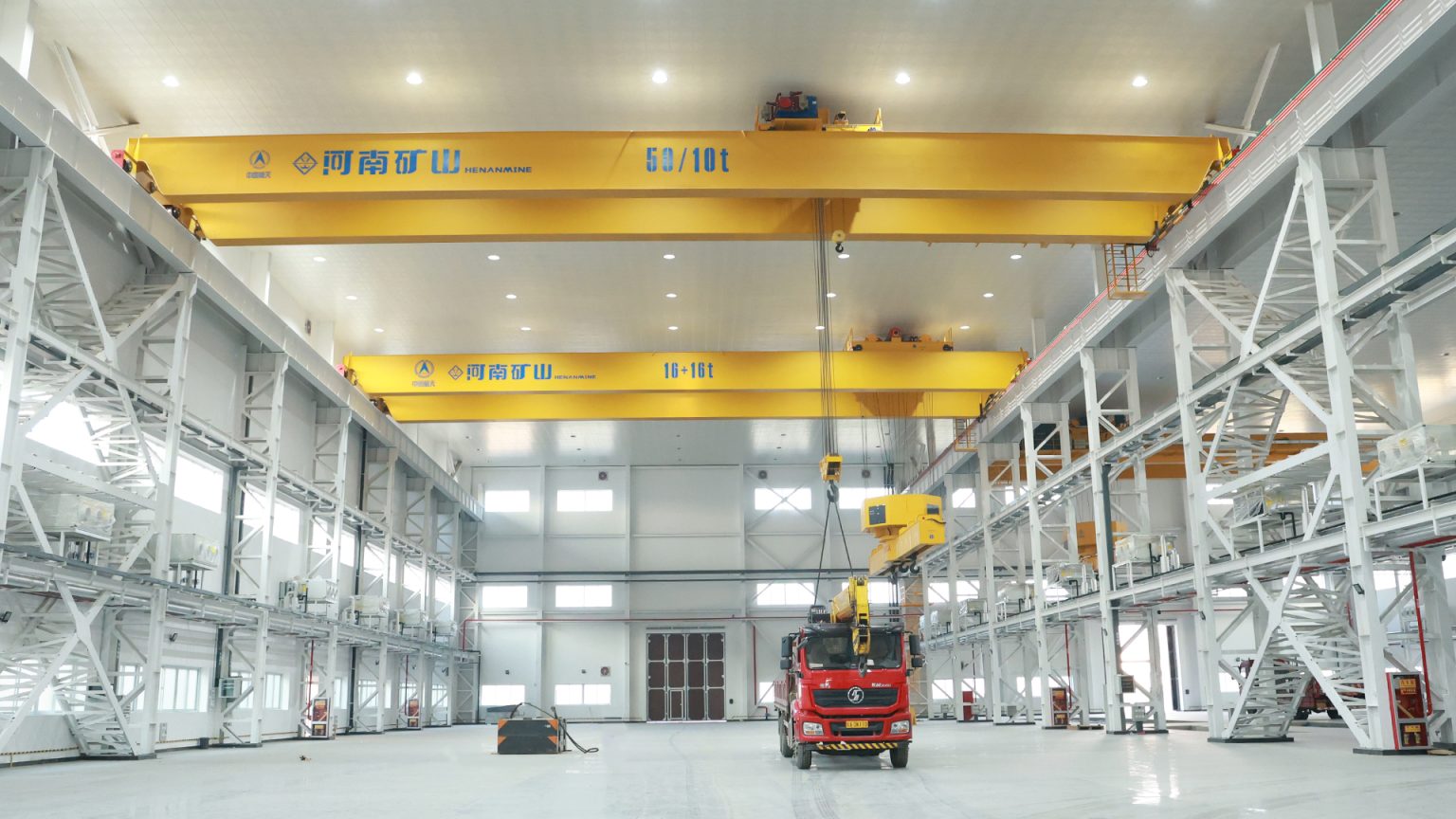
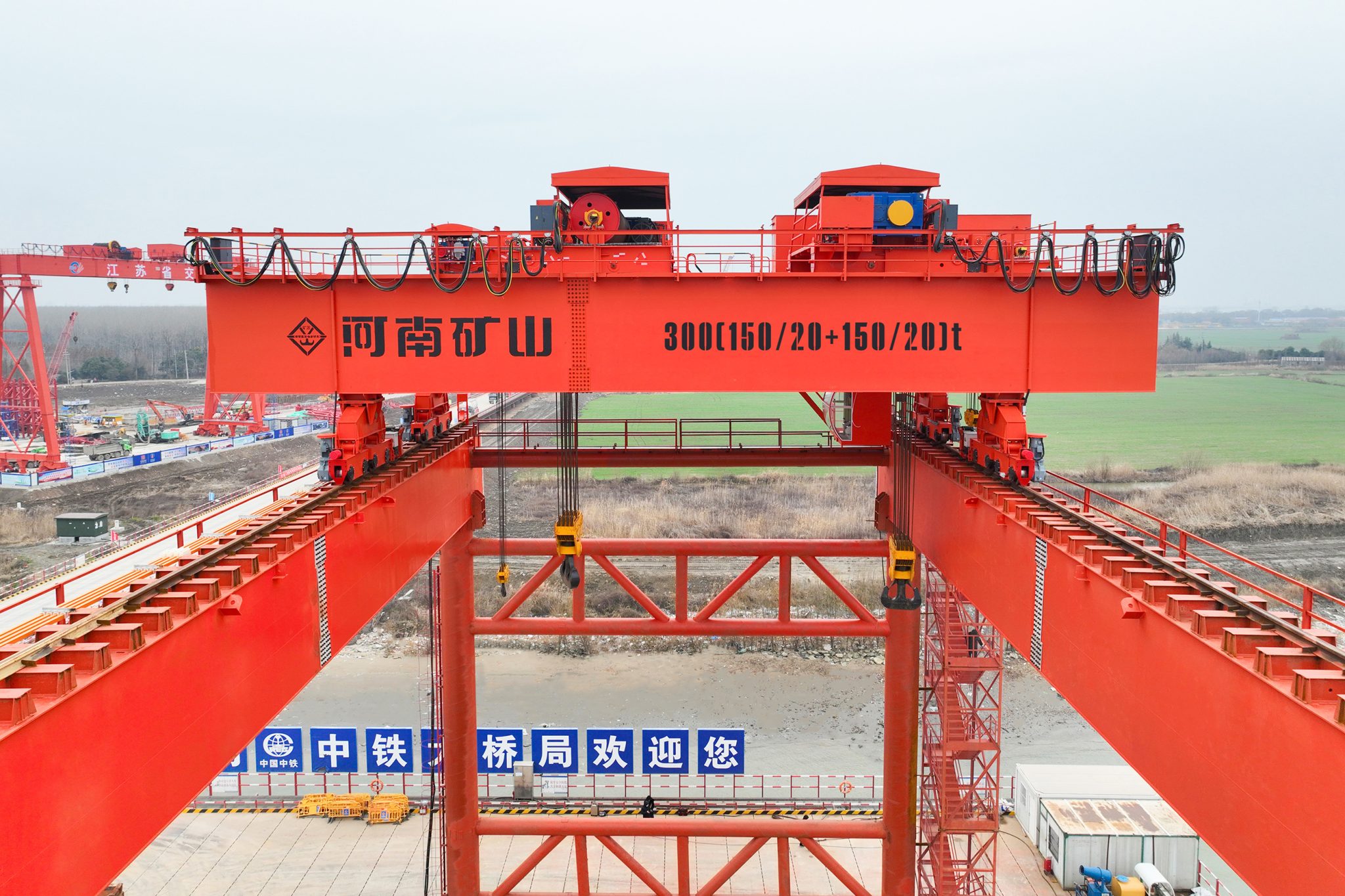
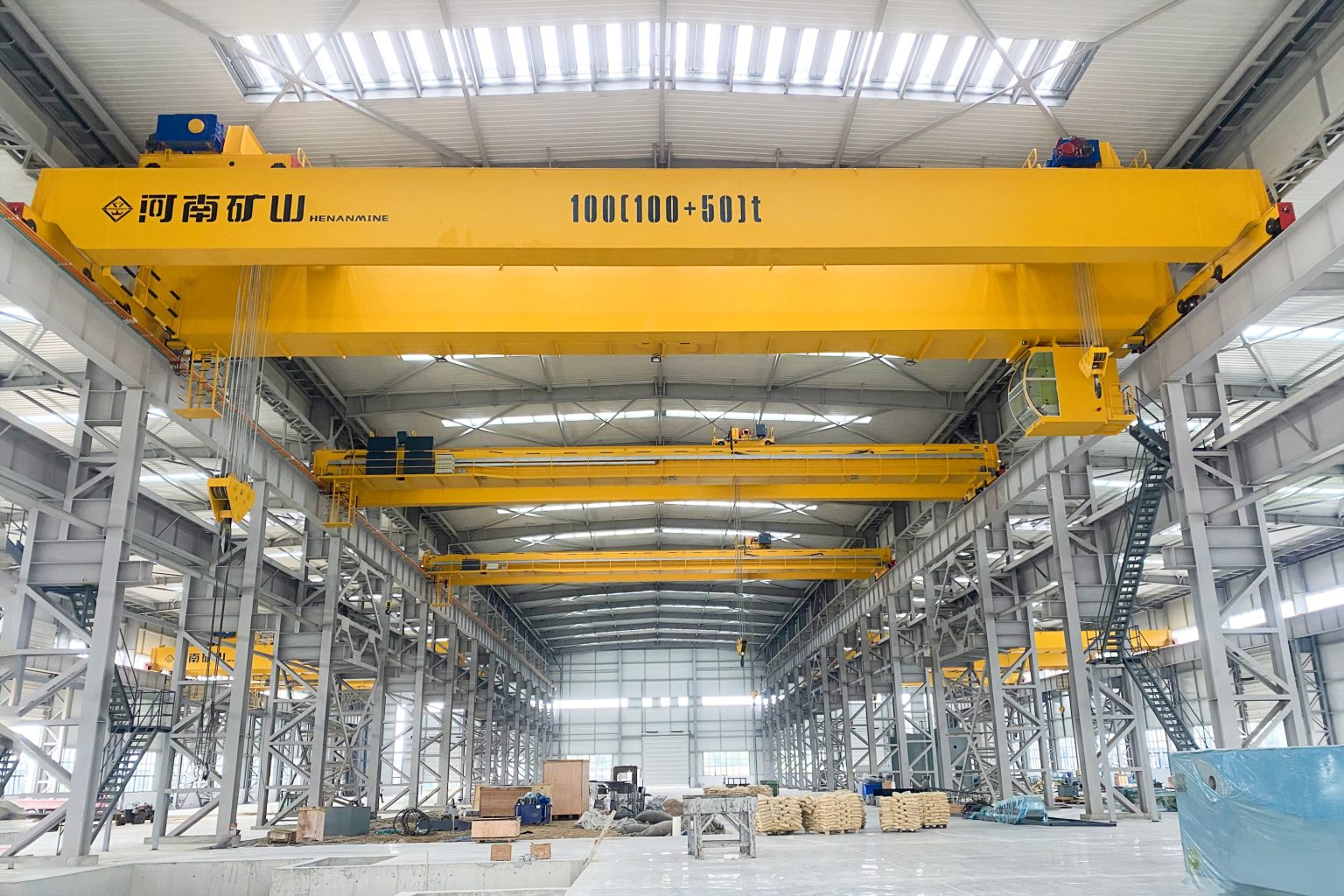
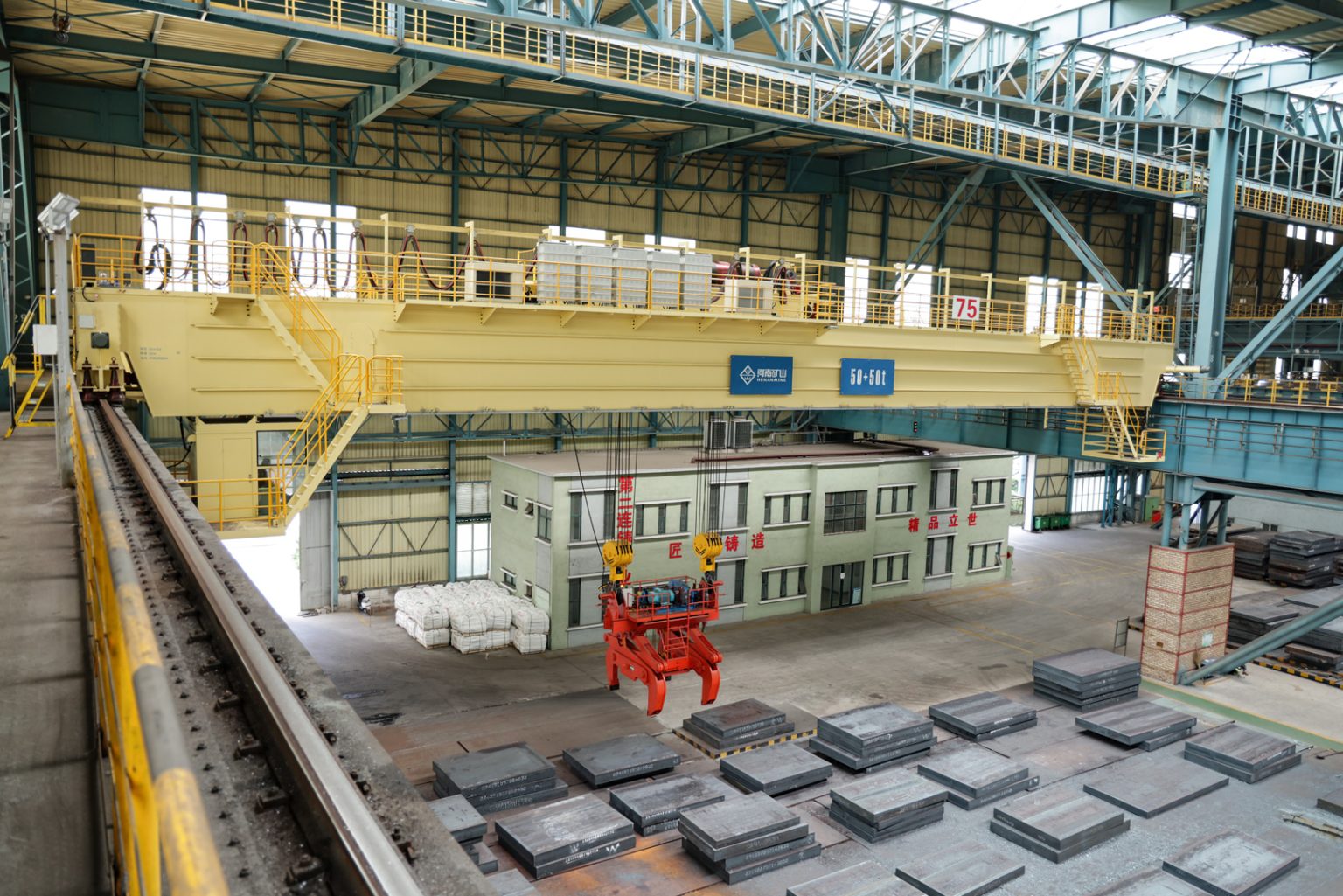
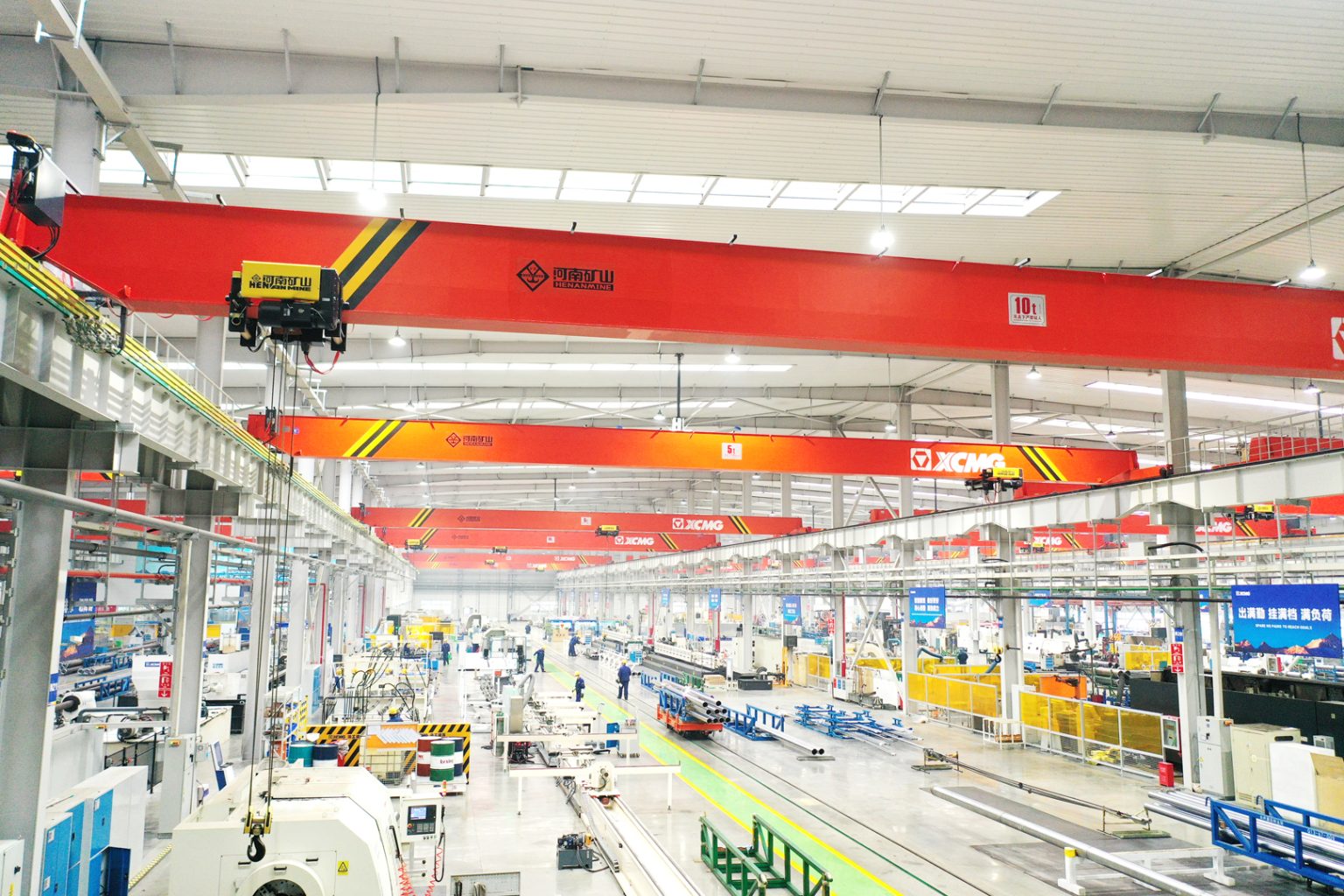
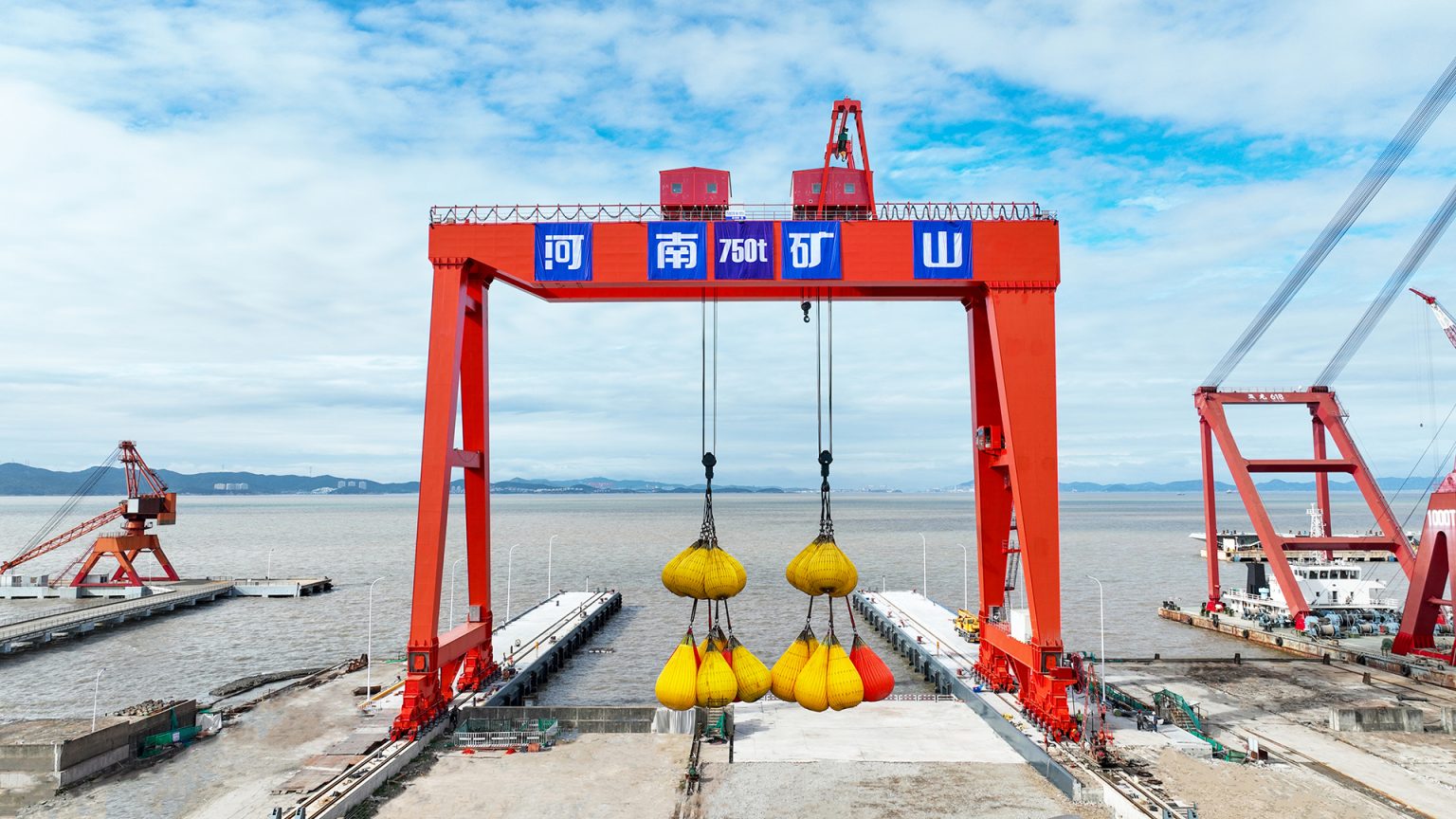
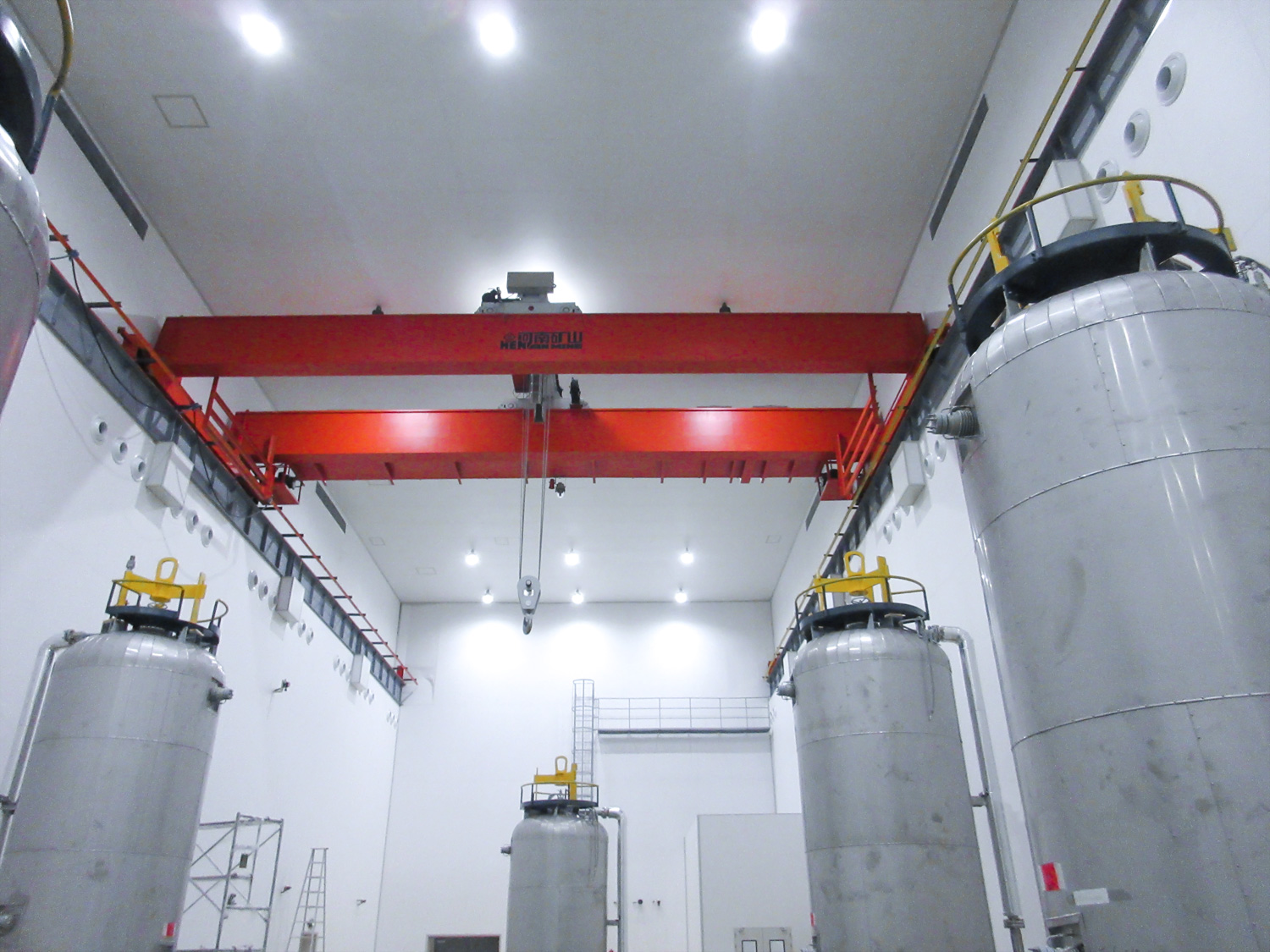
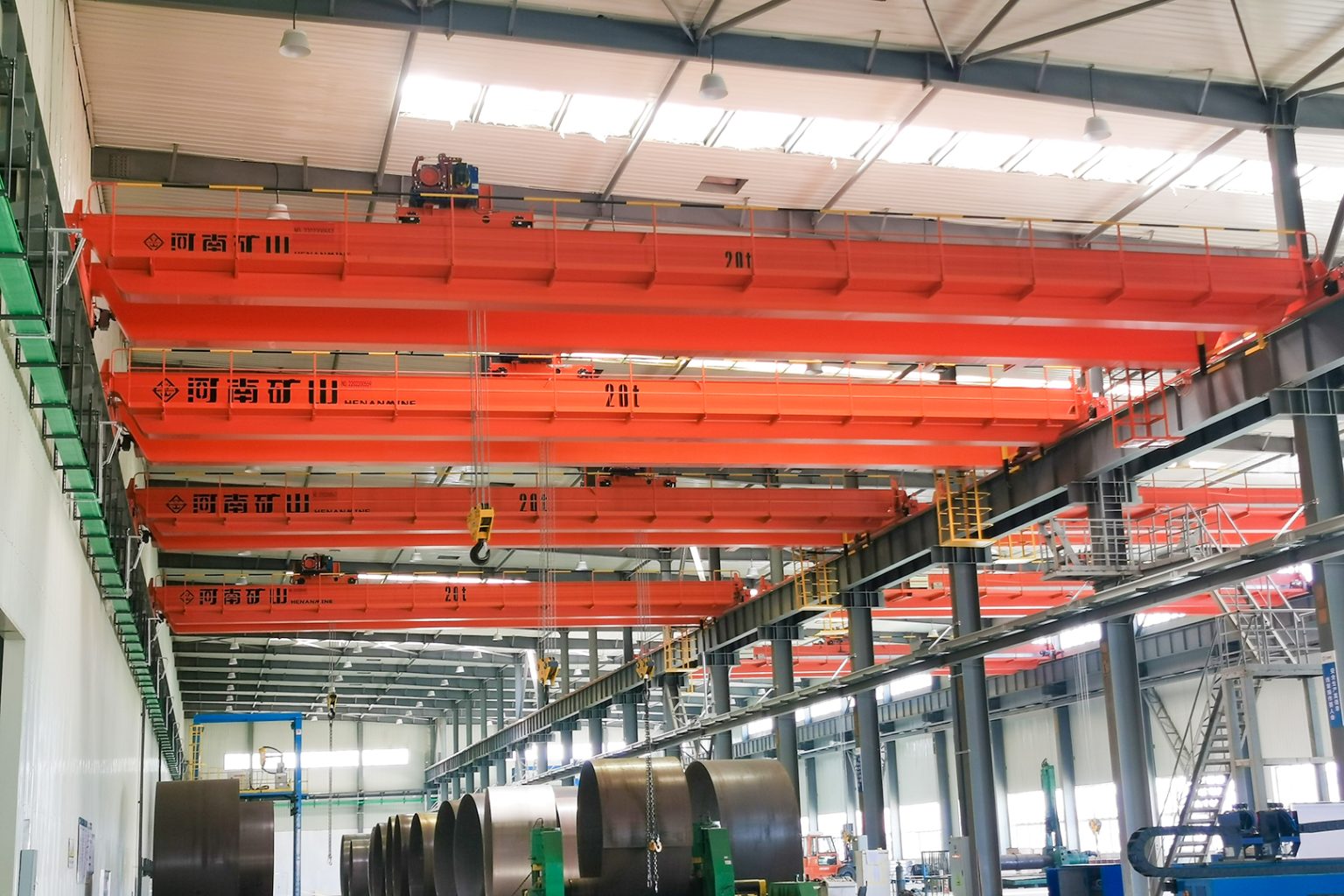
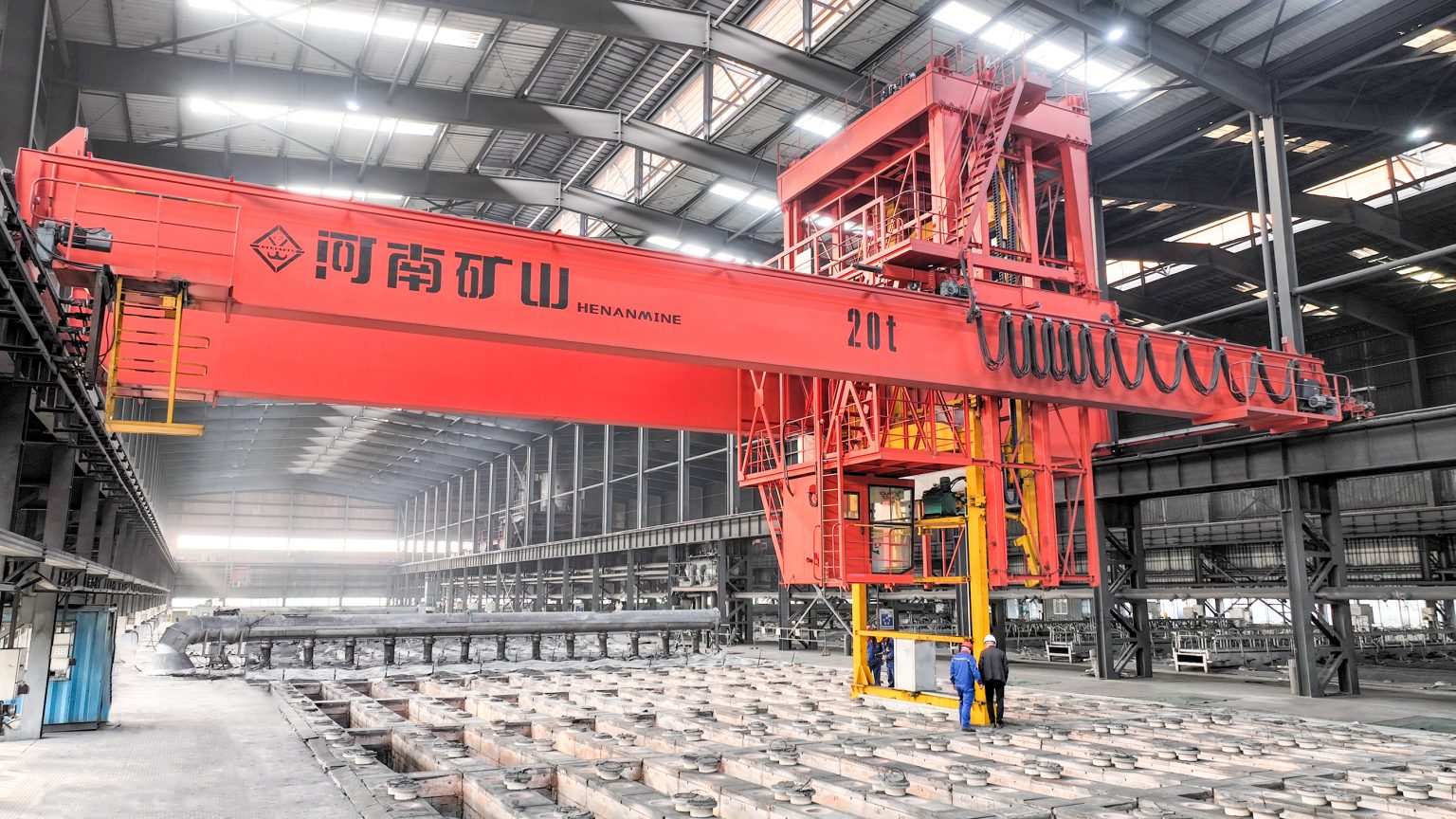
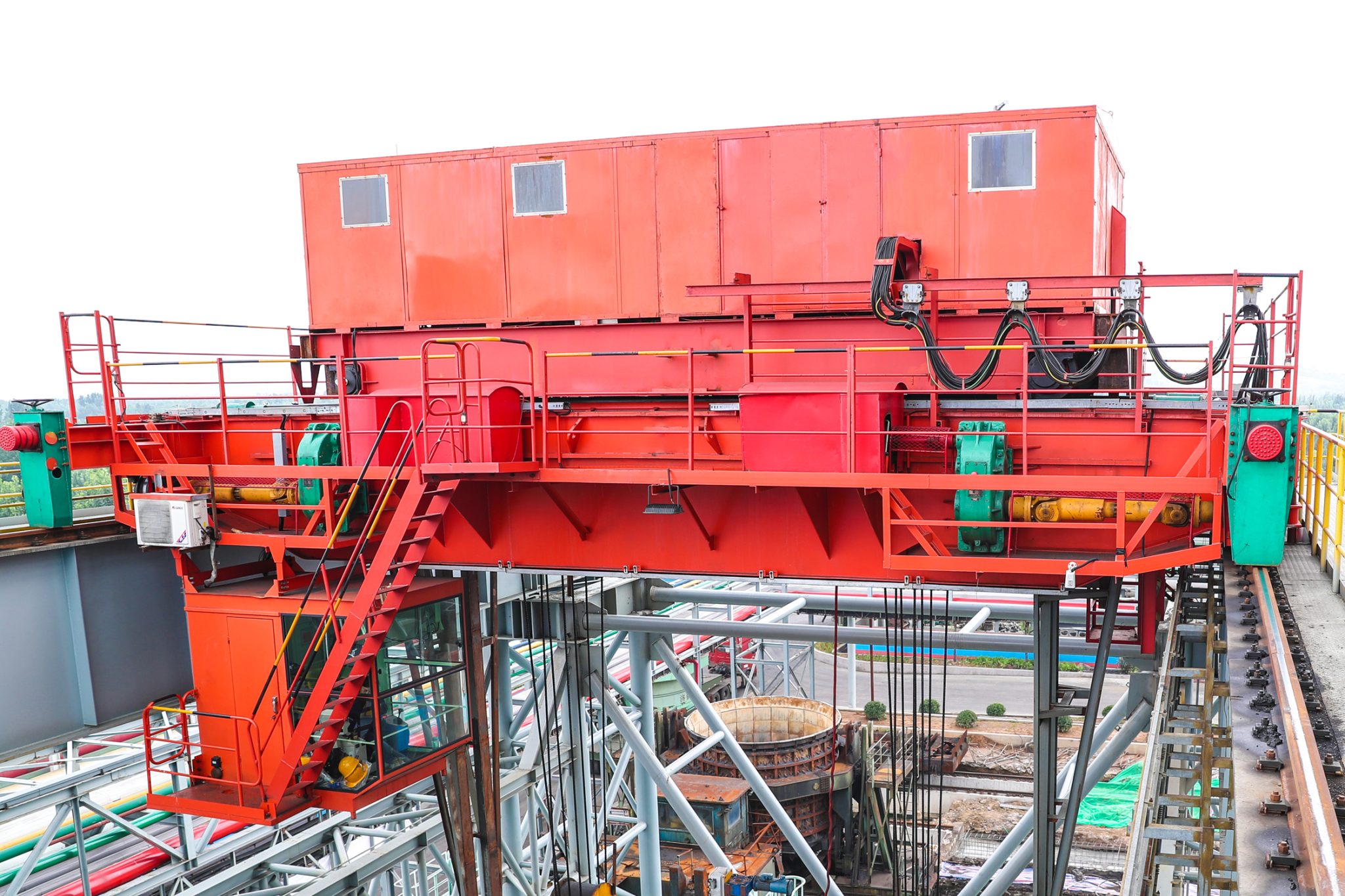
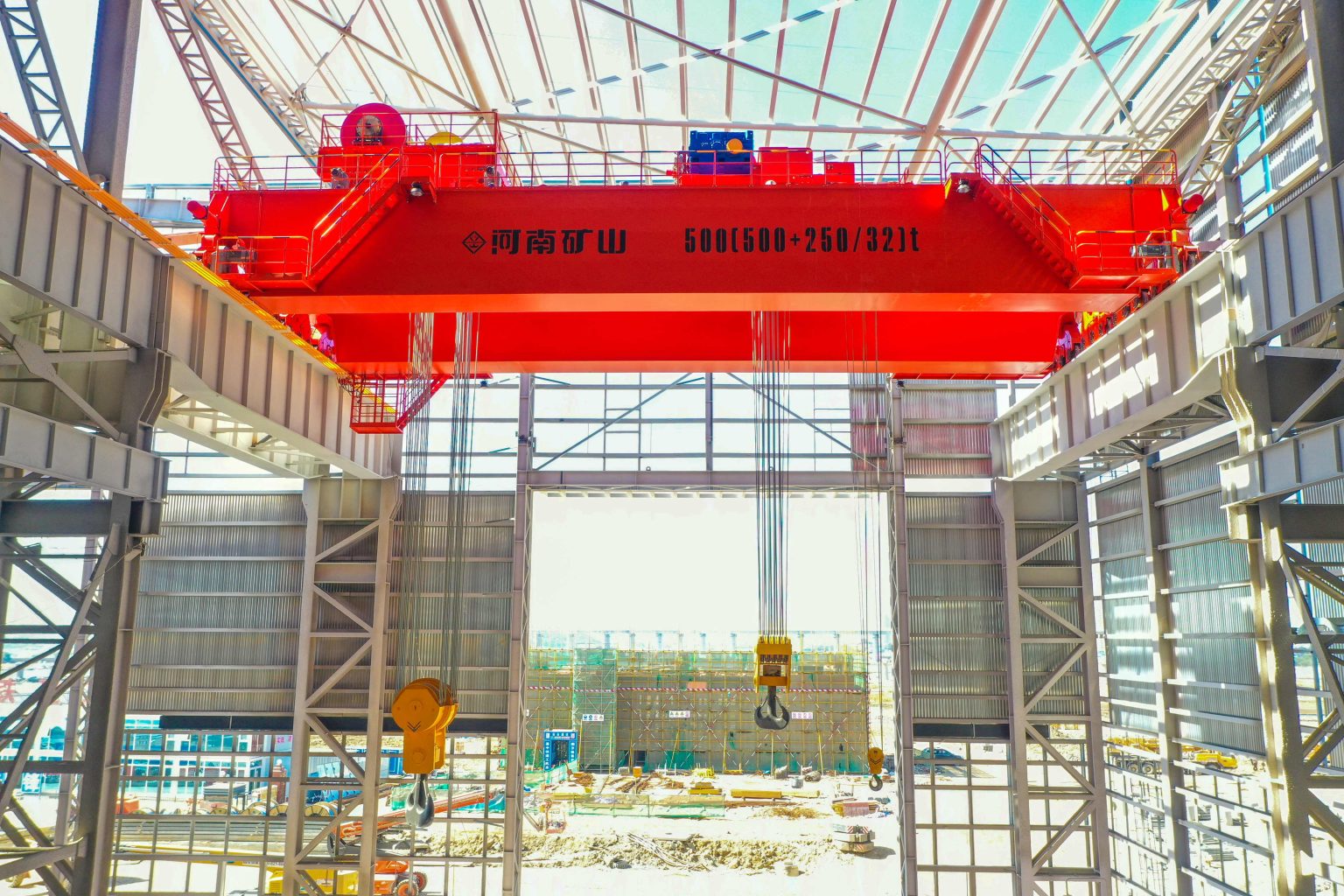
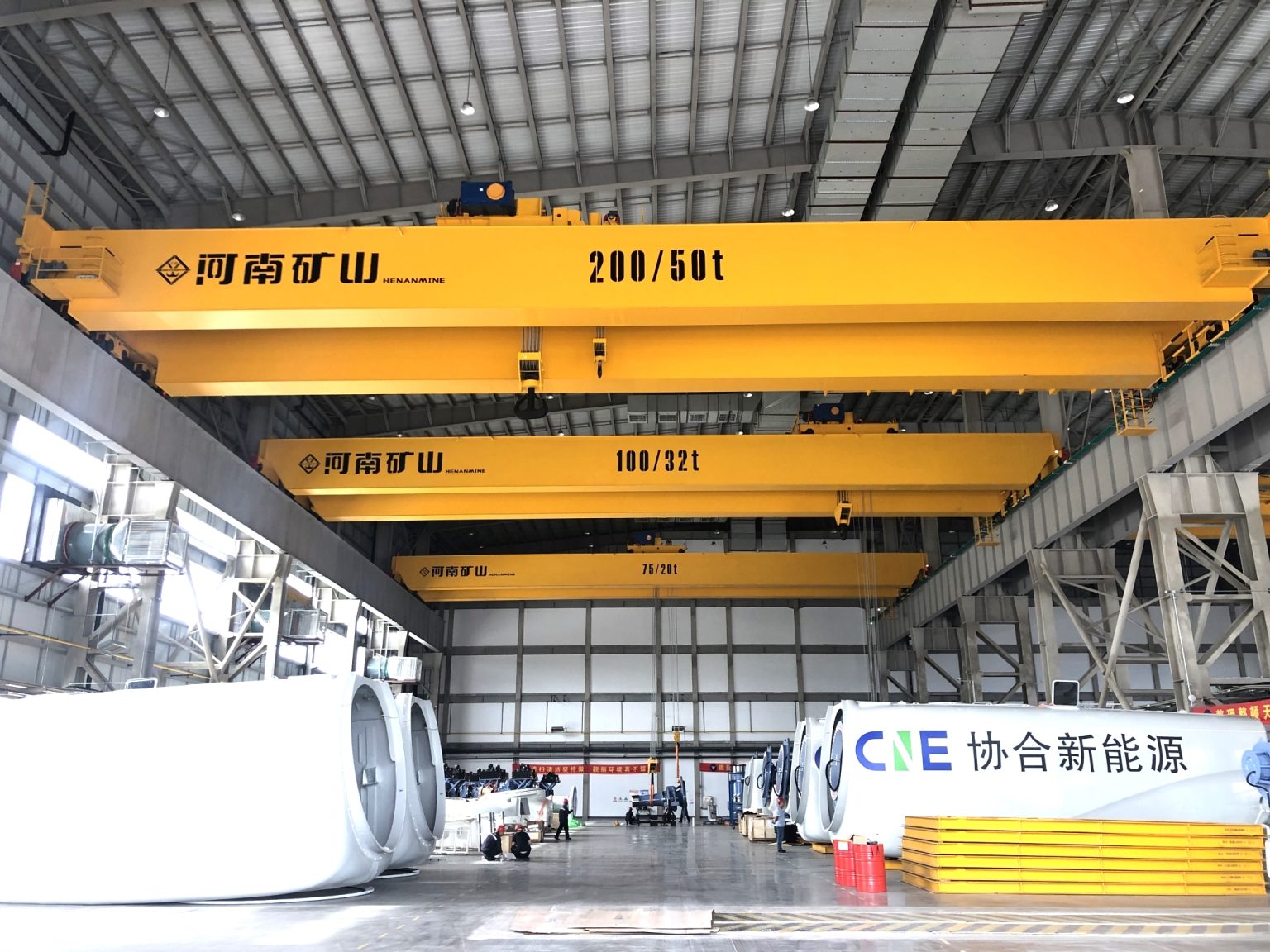
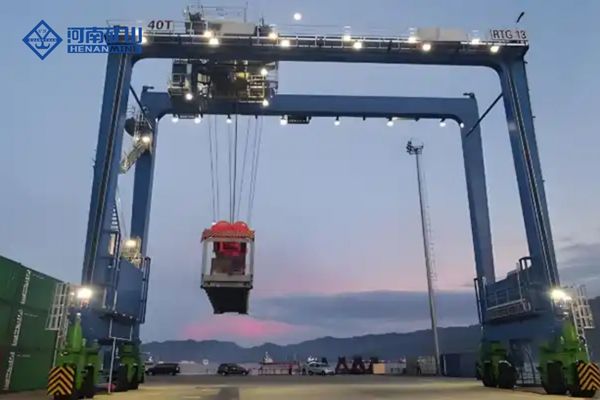
Gantry crane is a kind of bridge crane deformation equipment, through the gantry frame support lifting device, can run along the ground track, widely used in various types of cargo handling scenarios. Gantry cranes commonly used in indoor warehousing in harbours mainly include the following four types:
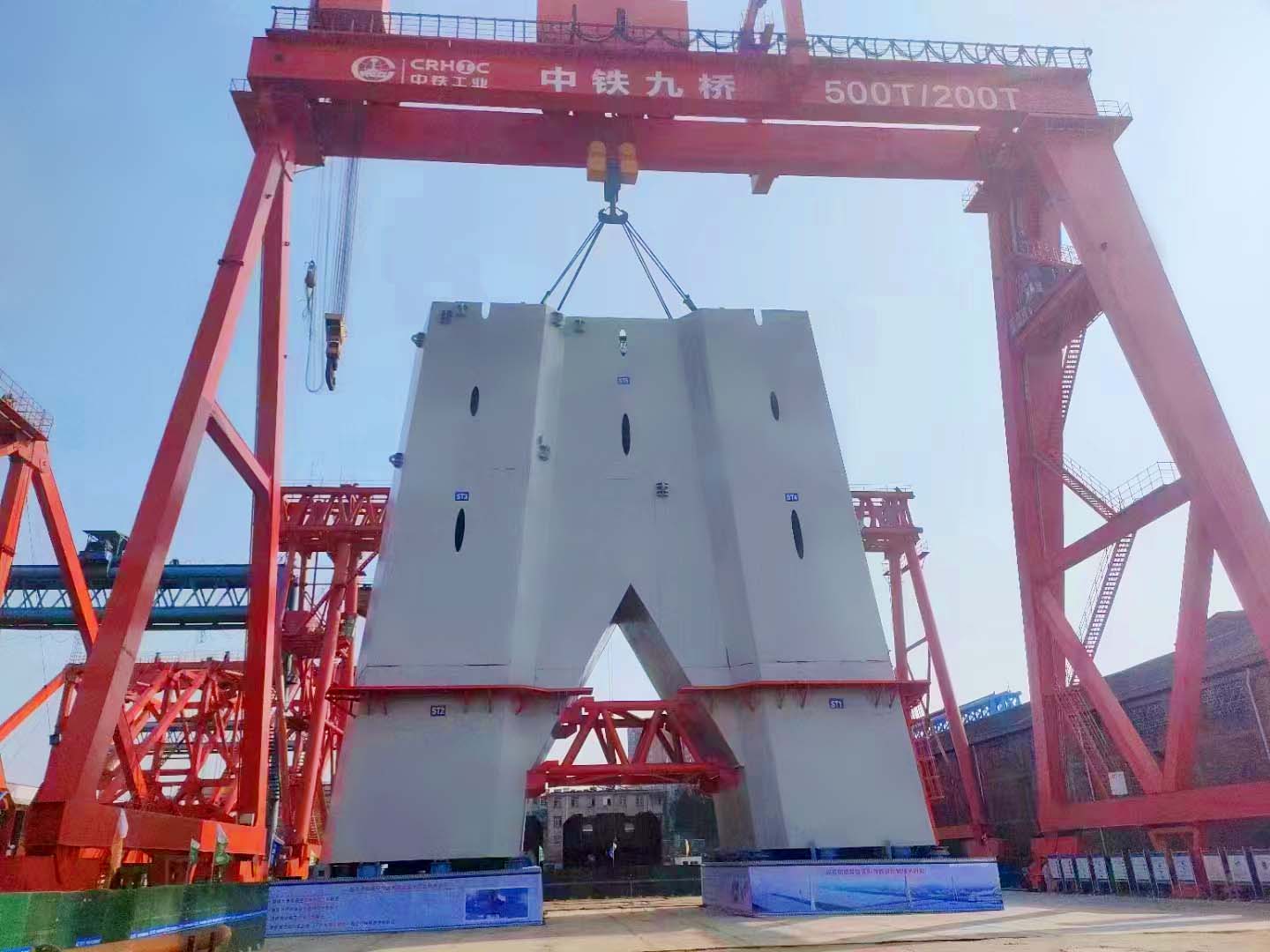
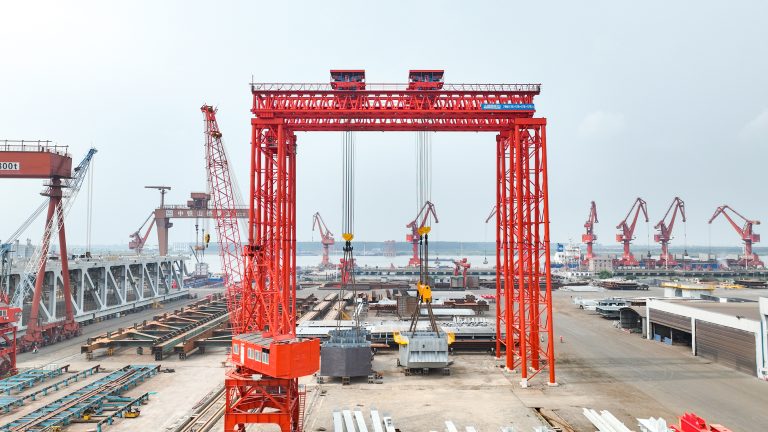
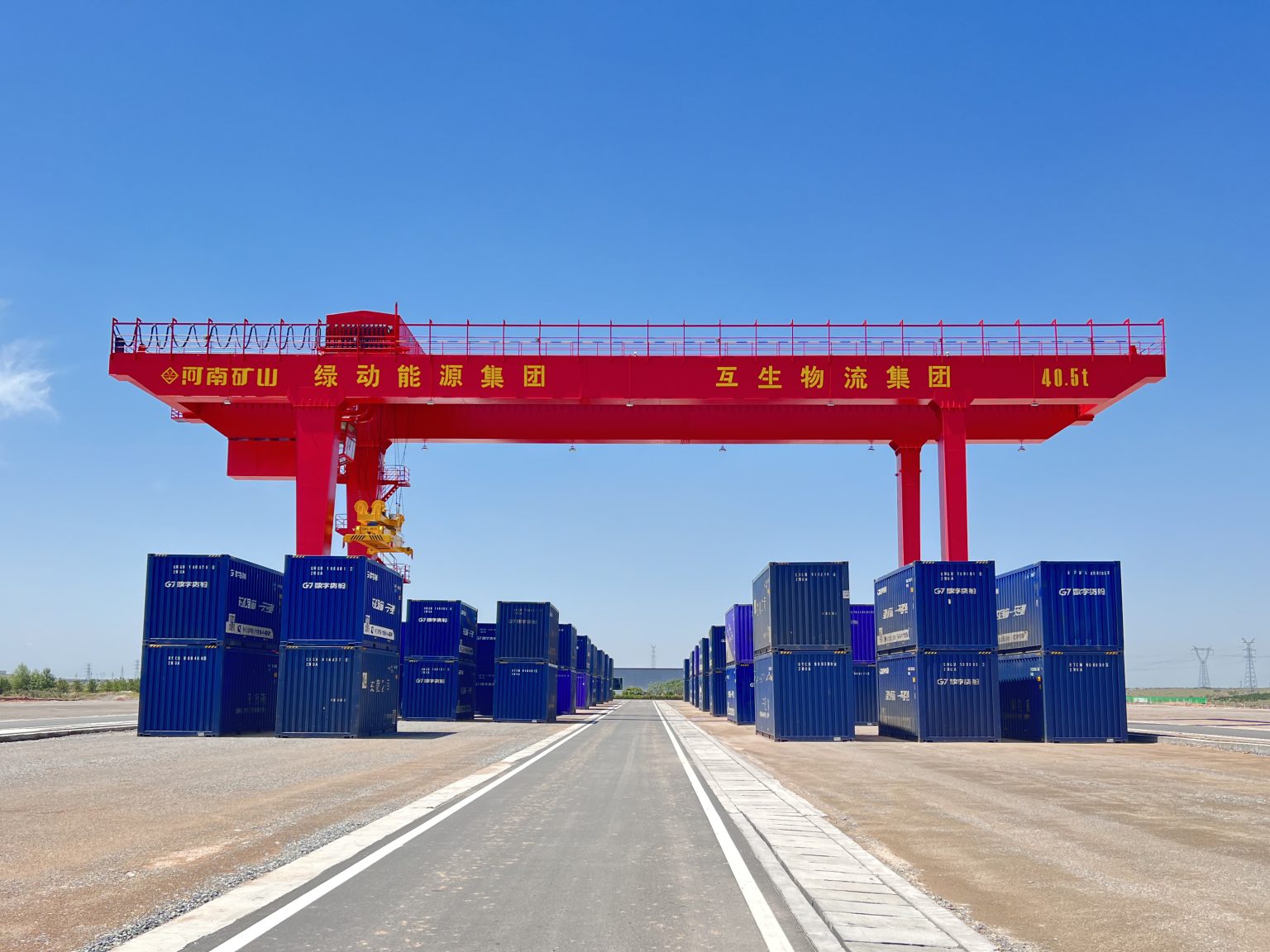
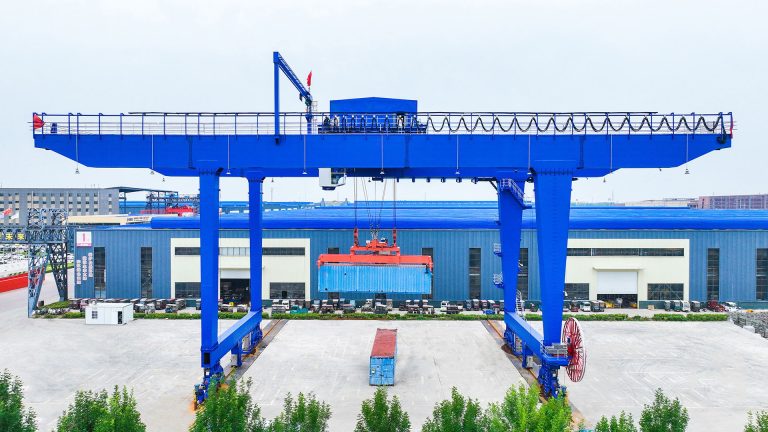
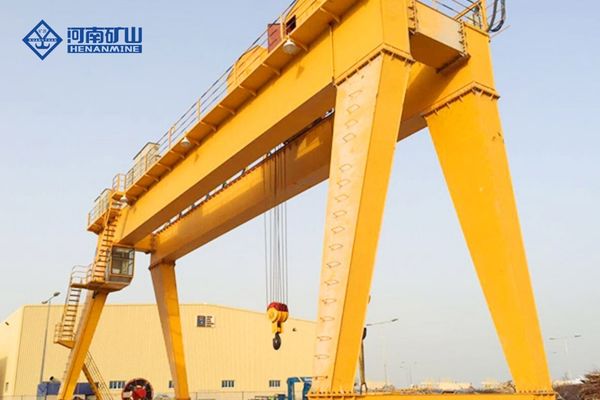
- Full gantry cranes: complete gantry frame support, with outriggers on both sides, strong operational stability, suitable for open indoor storage space.
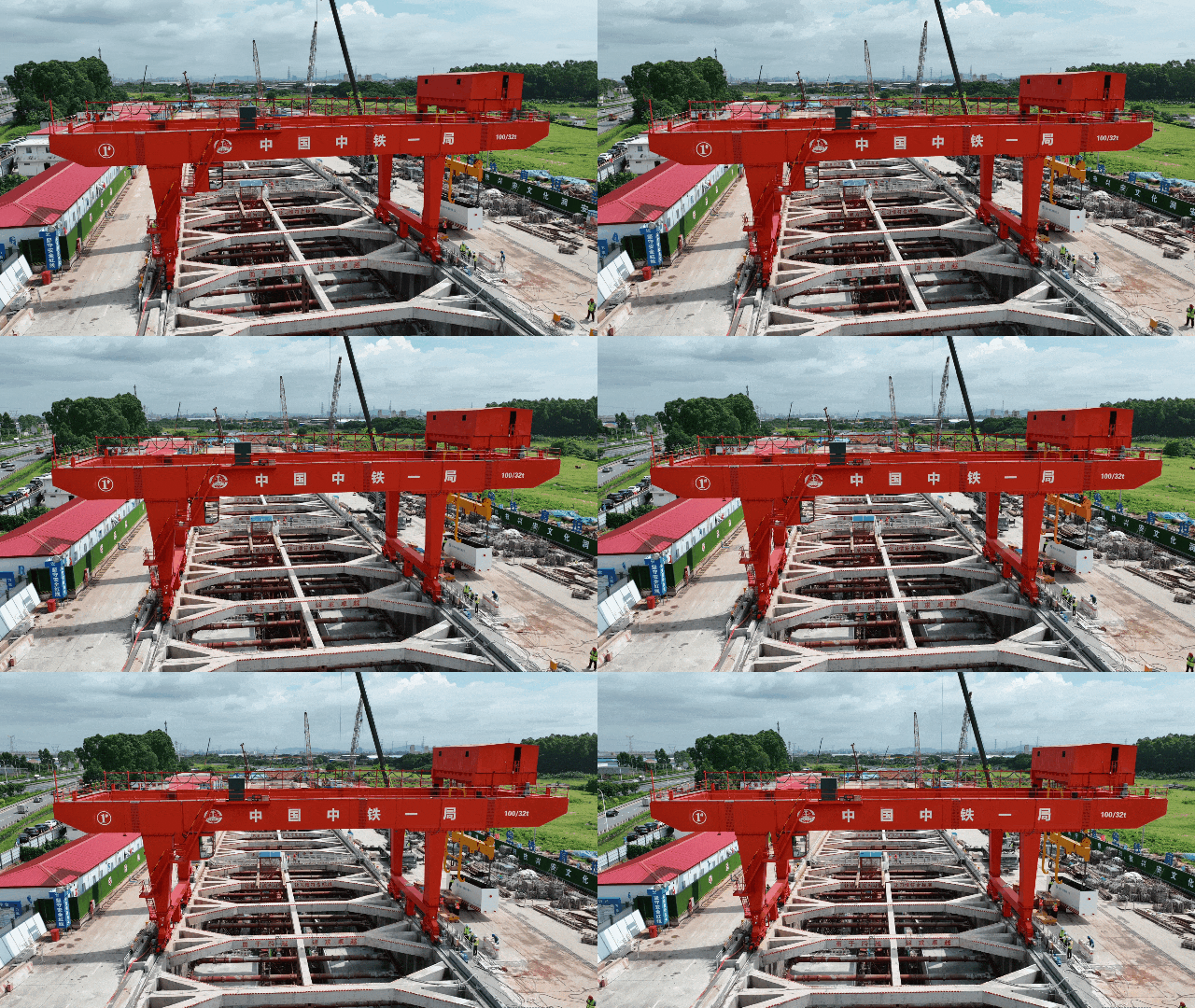
- Semi-gantry cranes: single-side outriggers, the other side of the port warehouse wall or column installation track, higher space utilisation, suitable for long and narrow storage areas.
- Portable gantry crane: modular design, flexible disassembly and movement, suitable for temporary storage needs or multi-area rotating operation scenarios.
- Adjustable Height Gantry Crane: The lifting height can be adjusted according to the demand of goods storage, suitable for multi-category and multi-height mixed storage scenarios.
Difference between Indoor Storage and Outdoor Yard Environment
There is a significant difference between indoor storage environment and outdoor/open-yard yard in harbours, which directly affects the selection and use of gantry cranes:
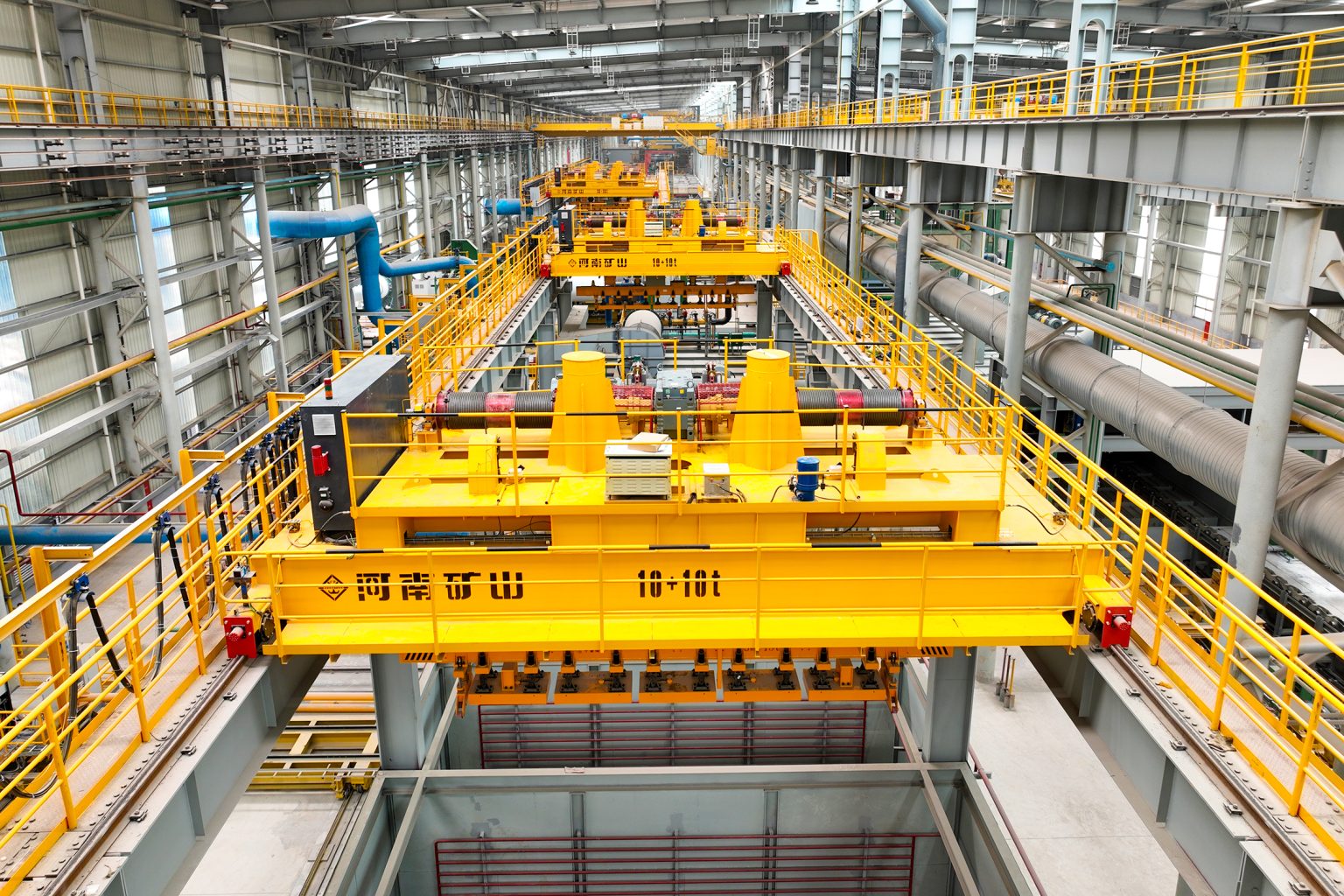
- Stricter space constraints: Warehouse height and span are fixed constraints, cranes need to be adapted to the building structure to avoid conflict with the roof, columns, fire systems and other facilities.
- Operation environment is more controllable: indoor no wind and rain, direct sunlight and other natural factors, but need to deal with limited ventilation, crowded, dense stacking of goods, etc., the crane's precise control and safety protection requirements are higher.
- Cargo type is more concentrated: indoor warehousing to containers, general cargo, heavy equipment, etc., the cargo category is relatively fixed, cranes need to match the loading and unloading characteristics of specific goods.
Unique Operational Requirements of Indoor Warehousing in Ports
The core operational requirements of indoor port warehousing revolve around high efficiency, safety and flexibility:
- Rapid response to the port container turnover, general cargo storage, equipment loading and unloading tasks, to ensure that the goods in and out of the port time.
- Adapt to the continuous operation of multiple shifts and high frequency to meet the year-round operation characteristics of the port.
- Taking into account the protection of goods, avoiding damage to goods during loading and unloading, and reducing the impact of equipment operation on the warehouse structure.
Accurate Assessment of Load Capacity Requirements
Define the Maximum Safe Workload (SWL)
Safe Working Load (SWL) is the core parameter of gantry cranes, which refers to the maximum weight that can be stably lifted by the crane within the safety range. Before selecting the model, it is necessary to clarify the maximum weight of a single ticket of cargo through the port cargo inventory and storage planning, including the weight of the container, the weight of the cargo itself and the sum of the weight of the lifting aids.
For example, a common 20-foot container in port weighs about 2.2 tonnes and a 40-foot container weighs about 3.8 tonnes. If heavy equipment is to be lifted at the same time, the weight of the equipment needs to be superimposed to calculate the SWL.
Refinement of Load Matching by Cargo Type
The physical characteristics and loading/unloading methods of different cargoes differ significantly, so it is necessary to match the crane's load capacity accordingly:
- Container cargo: need to adapt to the standardised lifting requirements of containers, SWL needs to cover the container rated load and deadweight sum, preferred rated load to match the container specifications of the crane.
- Bulk cargo: such as coal, ore, etc., need to consider the weight of bulk loading tools (such as grabs), SWL needs to be reserved for tool load margin.
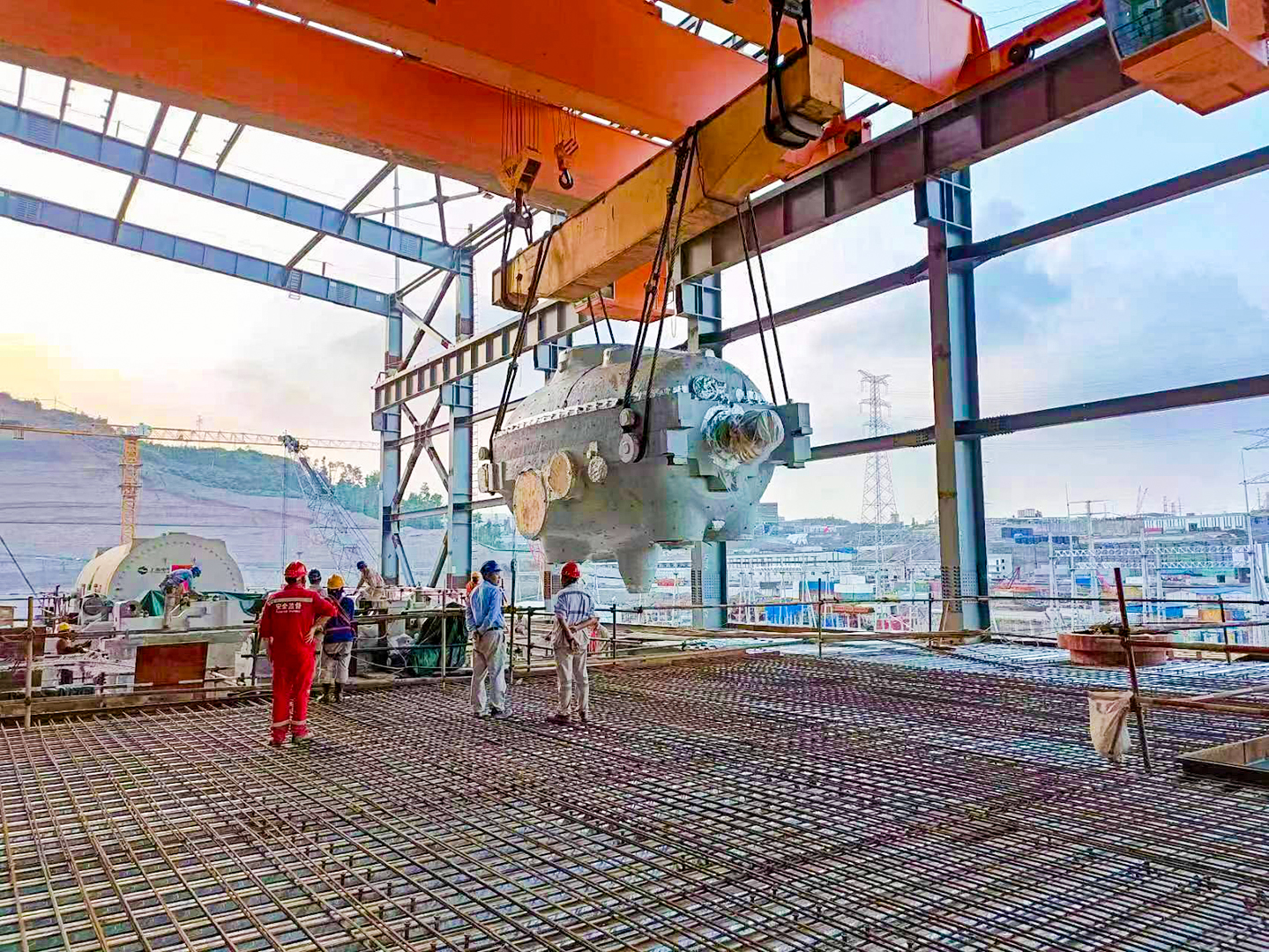
- Piece of general cargo / heavy equipment: such as industrial machinery, steel, etc., need to calculate the load according to the maximum weight of a single piece of equipment and lifting method (single point / multi-point lifting), to avoid the load deviation caused by single point lifting.
Load Safety Buffer
The type of port cargo may change as business expands, and the load may fluctuate during the lifting process, so a load safety buffer of 20%-25% must be reserved when selecting the model. For example, if the actual maximum load is 10 tonnes, a gantry crane with SWL of not less than 12 tonnes should be selected to avoid wear and tear of the equipment and safety hazards caused by long-term full-load operation.
Common Load Selection Misconceptions
- Insufficient selection: Crane SWL is lower than the actual demand, long-term overload operation will lead to structural deformation, motor burnout, and even cause safety accidents, while shortening the service life of the equipment.
- Excessive selection: crane load capacity far exceeds the actual demand, which will lead to a substantial increase in equipment procurement costs, operating energy consumption, and low equipment utilisation, resulting in a waste of resources.
Comprehensive Assessment of Indoor Space and Structural Constraints
Accurate Measurement of Available Lift Height Clearance
Lifting height clearance refers to the safe distance between the crane hook and the warehouse roof, beams and other building structures when the crane is lifted to the highest position, which directly determines the maximum lifting height of the crane. It is important to pay attention to it when selecting the model:
- Measure the vertical distance between the limit height of the crane hookand the roof/ceiling of the warehouse, and reserve a safety clearance of at least 0.5 metres to avoid collision with the roof facilities during lifting.
- If there are obstacles such as beams and pipes in the warehouse, the effective lifting height below the obstacles should be calculated additionally to ensure that the goods can be lifted to the target position smoothly.
Matching Span width and Warehouse Layout
The span of the gantry crane needs to match the width of the aisle and the layout of the storage bay in the harbour warehouse, with the core principle being to cover the entire storage area:
- Measure the maximum span between the tracks on both sides of the warehouse to ensure that the crane can cover all cargo storage areas and loading/unloading ports.
- Combined with the density of goods stacking and loading and unloading frequency, reasonable planning of the crane running path, to avoid too large a span of equipment to reduce operating efficiency, or insufficient span can not cover the core operating areas.
Accounting for Ground Bearing and Foundation Requirements
The bearing capacity of the ground of the port warehouse is the basis for stable operation of the gantry crane, two core calculations need to be completed in advance:
- Measure the rated load-bearing capacityof the warehouse floor to ensure that the sum of the crane's dead weight, running load and cargo load does not exceed the upper limit of the floor load.
- If the crane is rail-type, it is necessary to calculate the load-bearing and stability of the rail foundation to avoid ground settlement leading to rail deformation and crane operation offset. For heavy gantry cranes, it is recommended to use independent foundations made of poured concrete and carry out load bearing tests.
Avoid Indoor Structural Obstacles
Obstacles such as columns, fire sprinkler systems, ventilation pipes, lighting equipment and other obstacles commonly found in port warehouses will limit the crane's operating range and lifting action. Selection needs:
- Draw a detailed layout of the warehouse, mark the location, size and height of all obstacles to ensure that the crane running track and lifting action can avoid obstacles.
- If the obstacles can not be avoided, you need to choose the type of crane that can be flexibly adjusted to the running track and lifting angle, or negotiate with the supplier for customised modifications, such as shortening the length of the outriggers and adjusting the hook rotation range.
Match the Scene to Choose the Right Type of Gantry Crane
Full Gantry Cranes
Full gantry cranes have complete outriggers on both sides and rely on the ground for double track operation, which has the advantages of strong operational stability, high load capacity and wide operating range, and is most suitable for the following scenarios:
- Port warehouses are open layout, no wall/column support track needs, and large span of cargo storage area.
- Containers and heavy equipment are the core cargoes, requiring long-term stable and large-load lifting operations.
- Port indoor warehousing for a single type of cargo centralised storage, high frequency of operation, continuous operation for a long time.
Semi-portal Crane
Semi-gantry cranes are suitable for single-side outriggers, and the other side relies on warehouse walls or columns to install tracks, with high space utilisation and lower construction costs:
- Port warehouses are long and narrow layout, one side of the wall is complete, you can rely on the wall to install the track.
- The cargo storage area is distributed along the wall, and the operation aisle is narrow, which cannot be adapted to the large span demand of the full gantry crane.
- Port warehousing business is dominated by general cargo, small and medium-sized equipment, the load demand is relatively moderate, and the need to flexibly adjust the operating range.
Adjustable Height Gantry Cranes
Adjustable-height gantry cranes, whose lifting height can be adjusted hydraulically/mechanically, are suitable for mixed warehousing of multiple categories and heights, and their core advantage is that they are flexible and suitable:
- Port indoor warehousing at the same time to store containers, bulk cargo, small and medium-sized equipment and other types of goods, and the storage height of each category of goods varies greatly.
- Flexible switching of storage functions, such as short-term storage of containers, long-term storage of heavy equipment, can be adjusted to meet the needs of different scenarios by adjusting the height.
- Temporary storage needs, such as the port season temporary increase in the amount of goods stored, need to quickly adjust the crane operating height to match the new goods.
Priority Matching Work Cycle and Frequency of Operation
Understand the Crane Working Cycle Level (CMAA A-F class)
The Material Handling Manufacturers Association of America (CMAA) divides crane working cycles into six classes A-F. The higher the class, the greater the frequency and load fluctuations the crane can withstand, and the more demanding the port scenario is:
- CMAA Class A (light load cycle): very low frequency of operation, the number of operations per month <100 times, suitable for harbour standby lifting, temporary small load operation.
- CMAA Class B (Medium Load Cycle): 100-500 operations per month, suitable for off-season warehousing in ports, loading and unloading of scattered goods.
- CMAA Class C (medium-heavy duty cycle): 500-1500 operations per month, suitable for indoor warehousing in regular harbours, daily container turnover.
- CMAA Class D (Heavy Load Cycle): 1500-3000 times per month, suitable for high season, high frequency container and general cargo handling in port.
- CMAA Class E (Extra Heavy Duty Cycle): 3,000-5,000 times per month, suitable for large port core warehousing area, 24-hour continuous operation.
- CMAA Class F (Extreme Heavy Duty Cycle): >5,000 operations per month, only suitable for mega ports, global logistics hub level continuous operation.
Matching Port Throughput and Duty Cycle Class
The duty cycle level of indoor port warehousing should be accurately matched with the port throughput and operation frequency to avoid equipment failure caused by mismatch of duty cycle levels:
- For small-sized ports with monthly throughput <50,000 tonnes, CMAA Class B-C cranes are preferred to control costs and meet operational requirements.
- Medium-sized ports, monthly throughput of 50,000-200,000 tonnes, need to choose CMAA Class C-D, to adapt to the daily high-frequency turnover, to avoid equipment overload.
- For large-sized ports with monthly throughput >200,000 tonnes, it is recommended to choose CMAA Class D-E to meet 24-hour continuous operation and reduce the risk of equipment failure.
Risks of Low Cycle Class Cranes
If the port is a high-frequency operation scenario, but choose a low-cycle class crane, it will lead to:
- Long-term overloading of core components such as motors, gearboxes, lifting ropes, etc., leading to early wear and tear, breakage and increased maintenance costs and downtime.
- Crane structural components (such as outriggers, bridge) fatigue deformation, affecting the stability of operation, and even cause safety accidents.
- The service life of the equipment is shortened by 30%-50%, and the long-term operation cost is much higher than that of the equipment with high cycle level.
Influence of Working Cycle on Core Components
Cranes with different cycle levels have significant differences in the selection criteria for core components:
- Motor: high-cycle grade cranes need to choose a high level of protection, high thermal efficiency of the motor, suitable for continuous operation; low-cycle grade motor can reduce the thermal requirements.
- Hoist/winches: high-cycle cranes need to be equipped with heavy-duty hoists with overload protection and quick braking systems; low-cycle cranes can choose conventional models.
- Structural components: the outriggers and bridges of high-cycle rated cranes need to be made of high-strength steel and reinforced to improve structural fatigue strength; low-cycle rated cranes can be made of conventional steel.
Consider the Compatibility of the Track and Runway System
Selection of Track System Type for Indoor Environment
The track system for indoor storage in harbours needs to be adapted to space constraints and load-bearing requirements, and is mainly divided into two categories:
- Fixed track system: the track is fixed on the warehouse floor through the pre-buried parts, with fixed running track and strong stability, suitable for long-term fixed operation of port warehousing scenarios.
- Independent track system: the track is installed by independent bracket, not directly connected with the warehouse floor, suitable for the scene of insufficient load-bearing on the warehouse floor, and the position of the track can be adjusted flexibly.
Accurate Selection of Track Gauge
The rail gauge needs to be matched with the span and outrigger spacing of the gantry crane, and the core principle is to ensure the smooth running of the crane and even load transfer:
- The track gauge of full portal crane needs to be equal to the distance between crane outriggers to avoid the risk of lateral tilt during operation.
- Semi-portal cranes need to be combined with the distance between the wall track and the ground outriggers to ensure that both sides of the track are aligned, running without offset.
- The gauge error needs to be controlled within ±5mm, otherwise it will lead to increased wear and tear of the crane wheels, running jams, and even derailment.
Anchoring of Tracks on Different Floor Types
The ground of the port warehouse is divided into concrete ground and steel deck ground, the rail anchoring method needs to be differentiated design:
- Concrete floor: Expansion bolts or chemical anchor bolts are used to fix the track, and the anchoring depth needs to be ≥150mm to ensure the load bearing and stability of the track; for heavy cranes, reinforced concrete bedding needs to be poured underneath the track.
- Steel deck floor: priority to use welding to fix the track, welding points need to be evenly distributed, no less than 3 welding points per metre of track, to avoid deformation of the steel deck; welding needs to be anticorrosion treatment, to extend the service life of the track.
Long-term Maintenance of the Track System
Long-term maintenance of the track system directly affects the operating life and safety of the crane, the selection should be taken into account:
- Choose easy maintenance track structure, such as removable track connectors, to facilitate daily wear detection and replacement.
- Give priority to wear-resistant rail steel (e.g. U71Mn rail) to reduce the frequency of rail wear and prolong the maintenance cycle.
- Agree with suppliers on track maintenance services, including regular track calibration, wear and tear testing, fault repair, etc., to ensure long-term stable operation of the track system.
Incorporate Safety Guarding and Compliance Standards
Configuration of Core Safety Guards
Port indoor warehousing is densely populated and space is limited, gantry cranes must be equipped with the following safety protection devices to reduce operational risks:
- Overload protection device: real-time monitoring of the loaded weight, when the load exceeds 10% of SWL, it automatically cuts off the lifting action and sends out an alarm to avoid overload lifting.
- End limiting device: install limiters at both ends of the crane running track to prevent the crane from running over the track, and at the same time, it is equipped with buffers to absorb the running impact.
- Anti-collision system: Laser/radar sensors are installed on the crane to automatically slow down or stop the crane when obstacles or other equipment are detected in front of the crane, which is suitable for indoor multi-equipment simultaneous operation scenarios.
- Emergency stop device: Emergency stop buttons are installed on the crane operating handle, remote control and key positions in the warehouse to quickly cut off the power supply of the equipment in case of emergency.
International Compliance Standards that must be Adhered to
Port gantry cranes need to comply with the following core international standards to ensure equipment safety and compliant operation:
- OSHA 1910.176: the US Occupational Safety and Health Administration standard, which stipulates the operating specifications, safety and protection requirements, and personnel training standards for harbour cranes.
- ASME B30.2: American Society of Mechanical Engineers standard, specifying the design, manufacture, installation and maintenance specifications for gantry cranes, covering structural strength, load testing and other core requirements.
- FEM standard: The Federation of European Equipment Manufacturers (FEM) standard, which sets out detailed specifications for the safety performance, environmental adaptability, and operational safety of harbour cranes, adapting to the compliance needs of most ports around the world.
Exclusive Safety Risk Prevention and Control for Indoor Storage
Indoor warehousing in harbours is characterised by exclusive risks such as limited ventilation, high occupancy and confined spaces, which require the development of targeted safety measures:
- Installation of ventilation and smoke monitoring systems to avoid the accumulation of dust and exhaust fumes from crane operation and to counter the risk of fire.
- Divide the crane operation area and personnel access area, set up obvious warning signs to prohibit personnel from entering the operation radius.
- For the indoor low-light environment, cranes are equipped with high-brightness lighting devices to ensure that operators have a clear vision.
Operator Safety Certification and Training Requirements
Professional operators are essential for the compliant operation of the equipment, which the port needs to ensure:
- Operators must pass the corresponding standard safety certification training, such as OSHA certification, FEM certification, licensed to work.
- Regularly organise safety training for operators, including equipment operation standards, emergency handling procedures, and daily inspection points, at least 1 time per quarter.
- Establish an assessment mechanism for operators, and prohibit those who fail to pass the assessment from taking up the job, and record the results of training and assessment, and keep them for record.
Evaluation of Automation and Control System Solutions
Comparison of Three Mainstream Control Methods
Port indoor storage of operational efficiency and ease of operation, and crane control systems are directly related to the mainstream control methods include:
- Manual handle control: operating the crane through a wired handle, high operational accuracy, low cost, suitable for small and medium-sized harbours, low-frequency operation scenarios. However, the wired restrictions on the scope of operation, and long-term use is prone to line failure.
- Wireless remote control: the operator can be operated remotely from a safe distance, suitable for crowded indoor warehousing scenarios, to enhance operational flexibility and safety. It needs to be equipped with a signal anti-interference device to avoid signal loss, resulting in loss of control of the equipment.
- Semi-automatic control: Combining preset procedures and manual operation, it can achieve basic actions such as automatic positioning, automatic lifting/lowering, and only requires manual intervention for complex loading and unloading actions, suitable for medium-sized ports and high-frequency standardised operations.
Integration of Port Warehouse Management System (WMS)
Automated gantry cranes need to be seamlessly integrated with the port WMS system to achieve data interoperability and operational synergy, the core values include:
- WMS system can send cargo loading and unloading instructions to the crane, the crane automatically receives and executes, reducing manual operation errors and improving operational efficiency.
- Crane real-time feedback operation status (such as load weight, operation progress, equipment operation parameters) to the WMS system, so that managers can monitor the whole process of warehousing operations in real time, and adjust the operation plan in time.
- Cargo information and crane operation data linkage, WMS system can be based on the cargo storage location, priority, automatic planning crane optimal operation path, shorten the cargo loading and unloading cycle.
- After integration, the operation data can be traced back to automatically record the loading and unloading time, operator, and equipment operation parameters of each cargo, which is convenient for ports to carry out compliance audits and operation optimisation.
Application Value of Variable Frequency Drive (VFD)
In indoor storage scenarios in ports, variable frequency drive (VFD) technology can significantly improve the operational accuracy and energy efficiency of gantry cranes, which is an important consideration when selecting a model:
- Precise control of load lifting and running speed, avoiding load impact when starting and stopping, reducing cargo damage and equipment wear, especially suitable for fragile, high-precision cargo loading and unloading.
- Reduce the energy consumption of the motor, compared with the traditional control system can save 20%-30%, long-term operation can significantly reduce the energy cost of port warehousing.
- Optimise the stability of motor operation, reduce the current impact when starting the motor, prolong the service life of the motor and reduce maintenance costs.
Future Suitability for Automation Upgrade
With the rapid development of intelligent harbours, automation upgrading of gantry cranes has become a trend, and it is necessary to reserve space for upgrading when selecting models:
- Select crane models that support the later addition of automation modules, such as automatic positioning, path planning, remote monitoring and other functions, to avoid the later overall replacement of equipment.
- Priority is given to the selection of control systems that are compatible with the smart port system, which facilitates future integration with the port's Internet of Things (IoT) and big data analysis systems, and realises the intelligentisation of the whole process of warehousing operations.
Planning Maintenance, Service and Total Life Cycle Costs
The core consideration of Total Life Cycle Cost (TCO)
When selecting gantry cranes for harbours, it is important not to focus only on the upfront purchase price, but also to comprehensively account for the total life cycle costs (TCO), including procurement costs, operational energy consumption, maintenance costs, spare parts replacement costs, downtime losses, etc:
- High-quality cranes have a higher purchase price, but the durability of core components, low maintenance frequency, long-term TCO is more advantageous; low-quality equipment, although the initial cost is low, but prone to failure, downtime losses and maintenance costs will increase significantly.
- Combined with the port operation shifts and energy consumption standards, the choice of energy-saving cranes (such as equipped with VFD technology, high-efficiency motors), can reduce long-term energy costs.
Convenience of Maintenance and Service
The ease of maintenance of gantry cranes has a direct impact on downtime and maintenance costs, and needs to be focused on when selecting the model:
- Choose cranes with reasonable structural design and easy disassembly of core components to facilitate daily inspection and component replacement and reduce maintenance time.
- Confirm that the supplier can provide timely local service support and spare parts supply to avoid long-term downtime due to shortage of spare parts, especially for high-frequency operation scenarios in harbours.
- Agree with the supplier on regular maintenance services, including core component inspection, lubrication, calibration, etc., to avoid the risk of failure in advance and extend the service life of the equipment.
Service Life Benchmarks for Harbour Gantry Cranes
Under the premise of normal maintenance and matching operation scenarios, there are clear benchmarks for the service life of harbour gantry cranes, which can be used as a reference for selection:
- Routine operating scenarios (CMAA Class C-D): service life of up to 15-20 years, the core components (motor, hoist) can be replaced to extend the overall life of the equipment.
- High frequency, heavy load scenarios (CMAA Class E-F): service life of about 10-15 years, need to strengthen the daily maintenance, timely replacement of worn parts.
- Light load, low-frequency scenarios (CMAA Class A-B): service life can be extended to more than 20 years, maintenance costs are relatively low.
Selecting Reliable Crane Suppliers and Service Providers
Core Criteria for Supplier Selection
The quality, customisation capability and after-sales service of port gantry cranes have a direct impact on the long-term stable operation of the equipment, and the screening of suppliers should focus on the following three points:
- Qualification and experience: with relevant industry certifications (such as OSHA, ASME, FEM certification), has a wealth of experience in port gantry crane design, manufacturing and installation, can provide case references of similar port projects.
- Customisation ability: according to the port warehouse layout, cargo type, operational needs, to provide customised design solutions, rather than a single standardised product, to ensure that the equipment is precisely adapted to the scene.
- After-sales system: We have a perfect after-sales team, which can provide one-stop services such as on-site installation and commissioning, personnel training, regular maintenance, fault repair, etc., and timely supply of spare parts.
Risk Avoidance of Supplier Co-operation
During the selection process, we need to be alert to all kinds of supplier risk, to avoid improper selection leading to the operation of the late hidden danger:
- Reject suppliers with no port project experience or compliance certification, as their products may have quality and safety risks and cannot meet the port's compliance requirements.
- Avoid blindly pursuing low-priced equipment, which often uses inferior materials and core components, is prone to failures, and has no after-sales guarantee, resulting in higher long-term operating costs.
- Priority should be given to suppliers that can provide on-site survey services to ensure that the design scheme is accurately matched with the actual port scenario and to avoid adaptation problems after installation.
Core Value of One-stop Service
When selecting a port, give priority to suppliers that provide one-stop service of ‘survey-design-customisation-installation-commissioning-maintenance’, the core value of which lies in:
- Reducing communication costs, avoiding information bias caused by multi-link docking, and ensuring the smooth flow of equipment from design to maintenance.
- More professional installation and commissioning, to avoid equipment failure caused by improper installation, to ensure that the equipment is quickly put into use.
- More timely response to maintenance, suppliers know more about the design and installation details of the equipment, can quickly locate and solve the problem, shorten the downtime.
Balancing Long-term Scalability and uture Expansion
The Importance of Modular Expansion Design
Port throughput and warehousing demand will continue to grow with the development of the business, the modularity of the equipment needs to be taken into account in the selection of the ability to expand, to avoid duplication of investment in the later stages:
- By choosing modular gantry cranes, the load capacity and operational efficiency can be improved by upgrading the hoisting mechanism, expanding the span and adding lifting hoists, without the need to replace the equipment as a whole.
- The track system reserves space for expansion, so that in the future, according to the demand for expansion of the storage area, the length of the track can be extended to expand the operating range of the crane.
Equipment Upgrade and Function Expansion
Combined with the development trend of the intelligent port, the selection of equipment upgrade interface needs to be reserved for future expansion of functions:
- The control system is reserved for automation upgrading interface, which can be equipped with wireless remote control, automatic positioning, intelligent monitoring and other functions in the future to meet the demand for intelligent port upgrading.
- Core components (motor, hoist) can be compatible with later upgrades, such as replacing conventional motors with energy-efficient motors, upgrading manual hoists to electric hoists, and improving equipment performance.
Long-term Consideration of Return on Investment (ROI)
The selection of port gantry cranes should be combined with 5-10 years of development planning to assess the long-term return on investment:
- High-quality, expandable cranes, although the initial investment is higher, but can improve operational efficiency, reduce maintenance costs, reduce the loss of safety accidents, long-term ROI is better.
- Avoid the short-term cost considerations to choose the lack of adaptability of the equipment, or later need to frequently replace or upgrade equipment, but increased investment costs, affecting the efficiency of port operations.
Conclusion
The core of port indoor gantry crane selection is ‘adaptability’, which needs to match the load, space, operating frequency, taking into account safety, automation and long-term expansion.
Adaptable gantry cranes are the key to efficient operation of warehousing, it is recommended that operators combine their own needs for scientific selection, pay attention to maintenance training, and if you need to optimise the customised solutions can be contacted by professional service providers.