
The Significance and Purpose of Port Cranes in the Shipping Industry
Port cranes are specialized heavy-duty equipment used for the loading, unloading, handling, and stacking of cargo at ports. Designed to meet operational requirements, they are essential to port operations.
As the “lifeline” of the shipping industry, they play a pivotal role in enhancing port efficiency, ensuring operational safety, promoting green development, and stabilizing global supply chains.
Their level of development directly reflects the shipping competitiveness of both ports and nations. The following analysis will examine their significant value from multiple perspectives, providing a reference for industry professionals.
What Are Port Cranes?
Port cranes refer to the collective term for heavy-duty lifting equipment specifically designed for port environments to perform cargo loading, unloading, handling, stacking, and related auxiliary operations.
Their design and performance are tailored to port operational requirements, such as cargo types, vessel sizes, and yard layouts. Precisely adapted to these needs and encompassing a wide variety of types, they constitute the core infrastructure for port operations, sea-land cargo transshipment, and global trade flows.
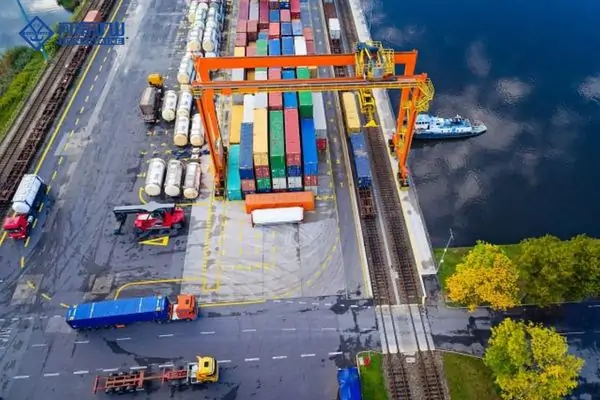
Types of Port Cranes
Port cranes come in a wide variety of types. Different types are designed for specific operational scenarios, each playing a unique role, and together they form an operational system that ensures the efficient functioning of the port. The specific classifications and core functions are as follows:
Ship-to-Shore Container Cranes (STS Crane)
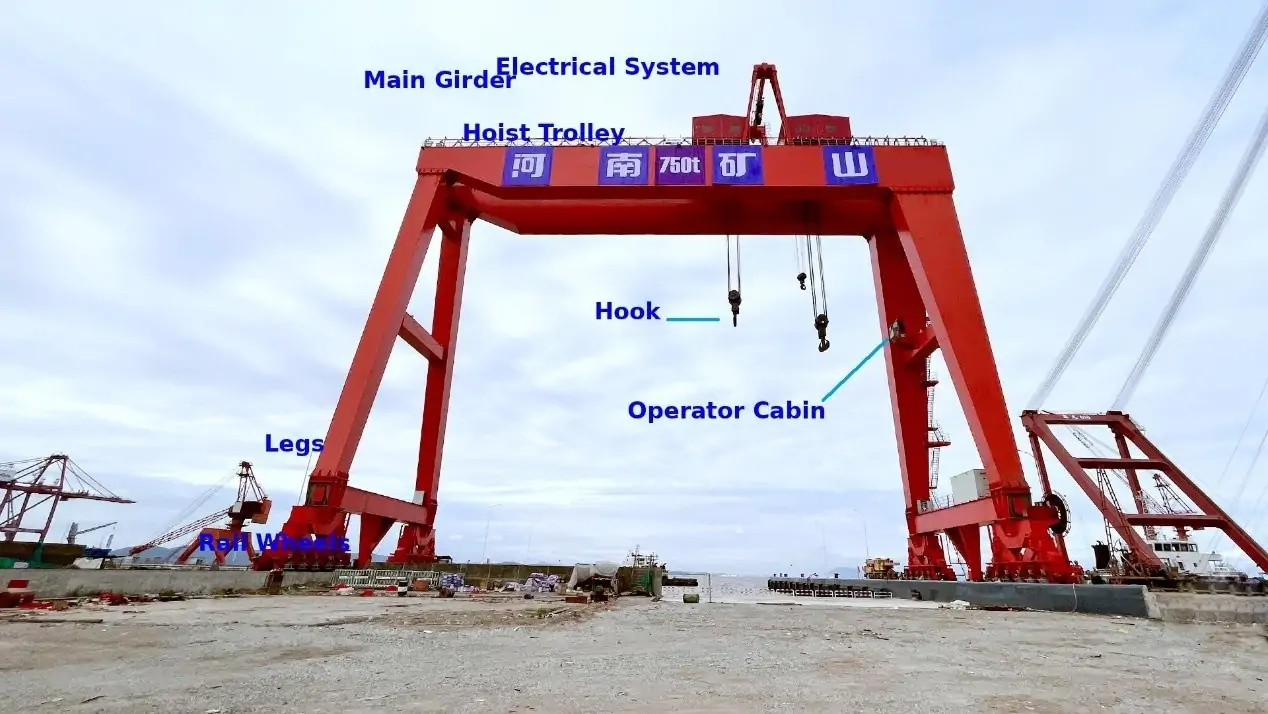
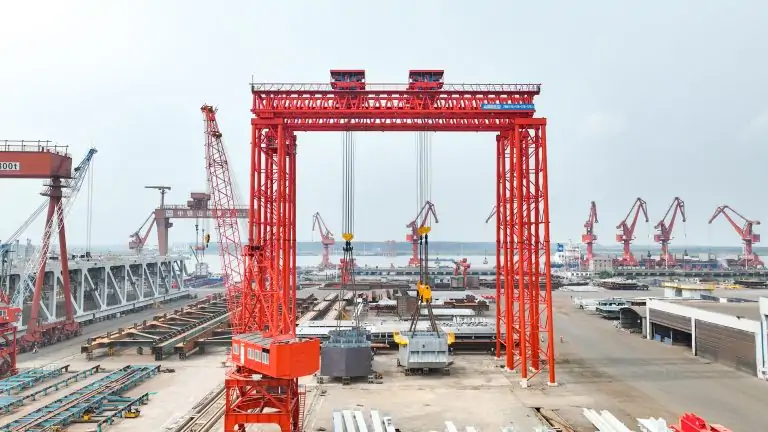
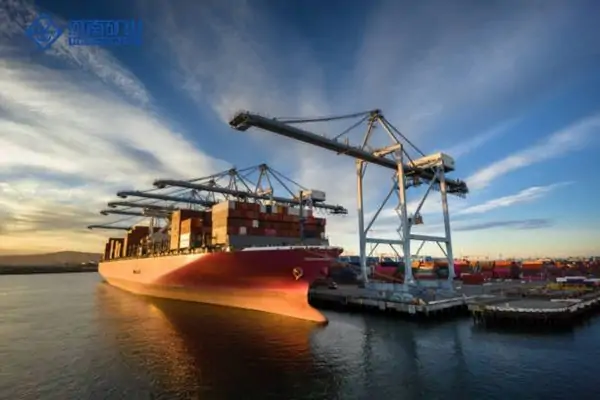
As the absolute core equipment of modern container terminals, gantry cranes are arranged along the quay line. Their span can cover the entire ship’s deck, and they are primarily used for container loading and unloading operations between ships and the terminal.
With an operational radius of up to 70 meters, they can meet the operational demands of ultra-large container ships carrying over 24,000 TEUs. Their lifting height exceeds 50 meters, allowing them to easily handle containers stacked more than 10 layers high on the deck;
With a lifting capacity typically ranging from 30 to 75 tons, they can handle multiple containers simultaneously when equipped with a dual-container grab. When integrated with automated systems, they enable seamless transfer between containers and the terminal yard, achieving operational efficiencies of over 40 moves per hour, making them the key equipment determining a container terminal’s throughput.
Rubber Tyred Gantry Crane (RTG Crane)
Primarily used for cargo stacking operations in container yards, its most distinctive feature is the use of rubber tires as the travel mechanism. This eliminates the need for ground-level tracks, allowing for flexible movement within the yard to adapt to operational requirements in different storage areas. With a lifting capacity of up to 70 tons, it serves as the core equipment for cargo sorting and stacking in container yards.
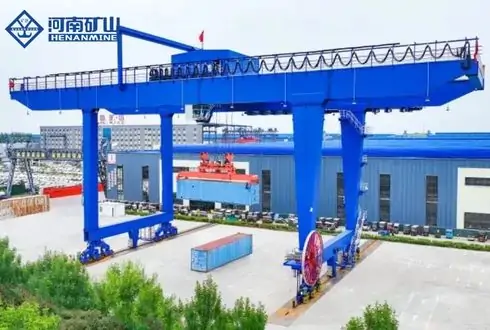
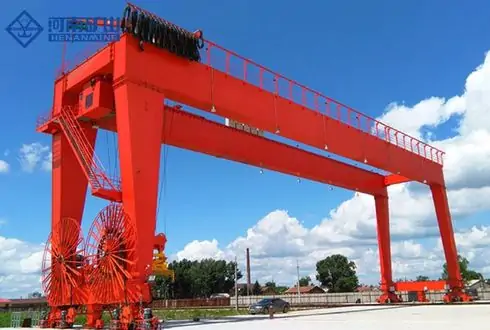
Rail Mounted Gantry Crane (RMG Crane)
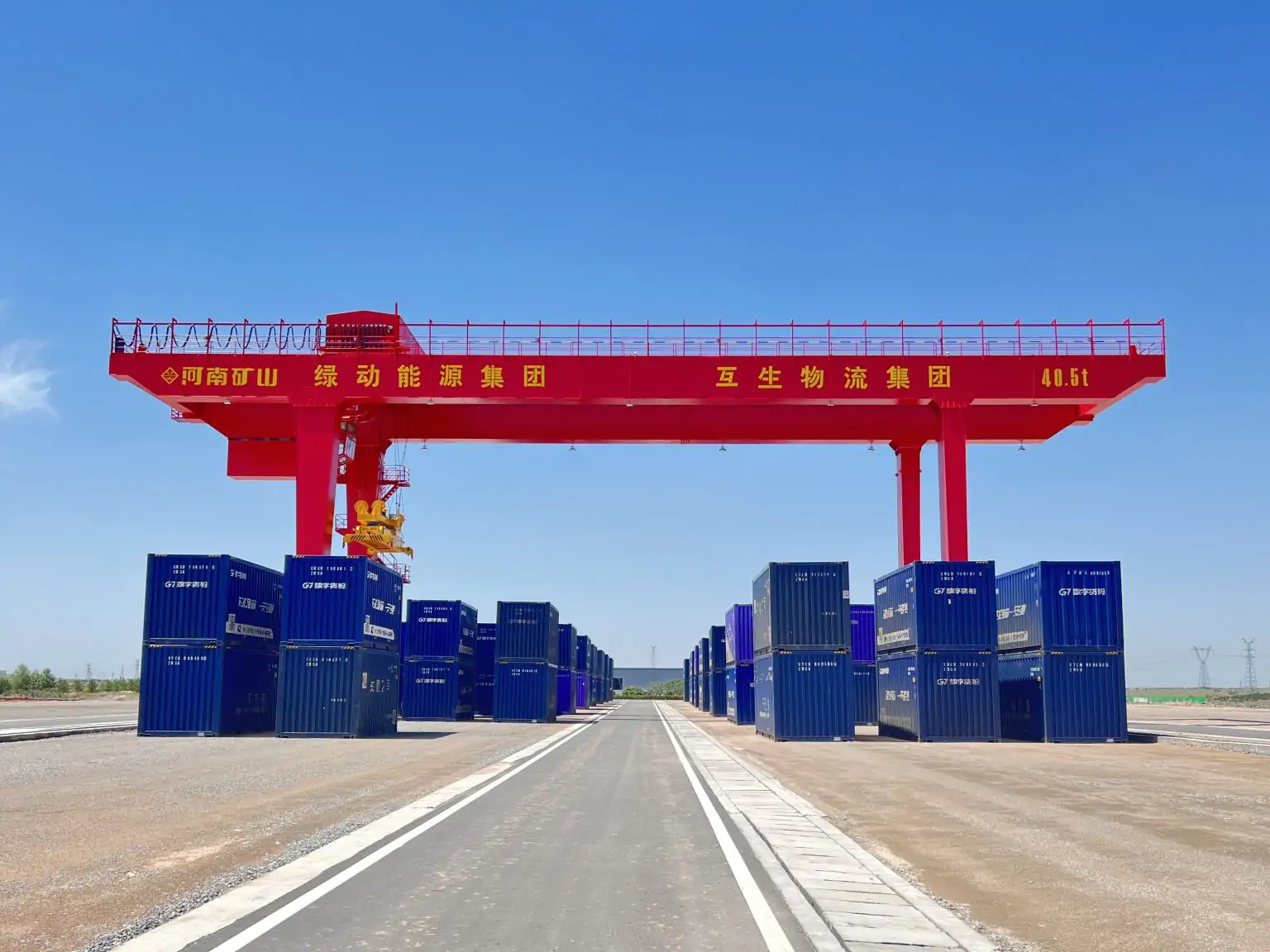
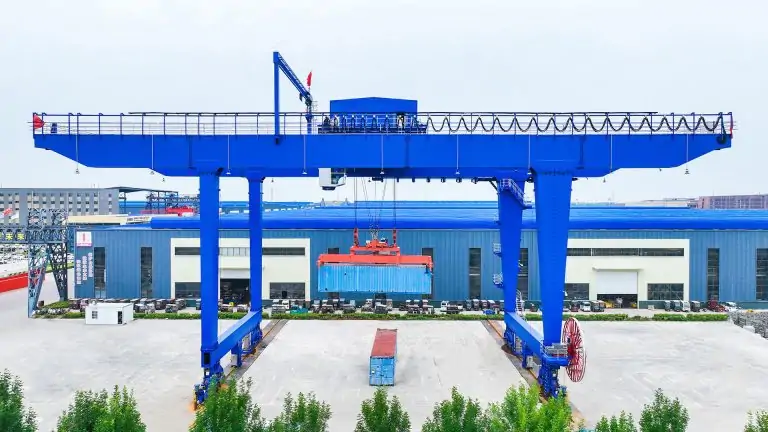
Operating on ground-level rails, these cranes are primarily used for container stacking operations at port terminals, railway freight yards, and inland container yards. Their main girder gantry structure spans the entire container yard, offering strong operational stability, high positioning accuracy, and a high degree of automation. They enable efficient container stacking and transshipment, making them particularly suitable for large-scale operations in extensive yards.
Containder Straddle Carrier
A mobile lifting device that straddles containers from above during operation and lifts them using overhead lifting gear. It can rapidly perform container handling, stacking, and transshipment operations within terminals and yards. With high flexibility, it effectively links cargo flow between the terminal front and the yard.
Mobile Harbor Crane (MHC Crane)
Provides flexible cargo handling solutions for multi-purpose terminals. Featuring wheeled or rail-mounted designs, it can move along the terminal shoreline and dock at the most suitable operational position to perform vessel operations.
With a lifting capacity ranging from 40 to 125 tons, the boom can be adjusted between variable and fixed positions to accommodate the operational needs of different vessel types. They are particularly well-suited for handling containers, bulk cargo, and heavy cargo at busy port terminals.
Dock Portal Slewing Crane and Floating Crane
Quay-mounted slewing cranes maintain a constant hook height during boom movement, making them ideal for bulk cargo handling. Based on boom structure, they are classified as single-boom or four-link types; their 360° rotating platform and tiltable boom system provide a wide operational range;
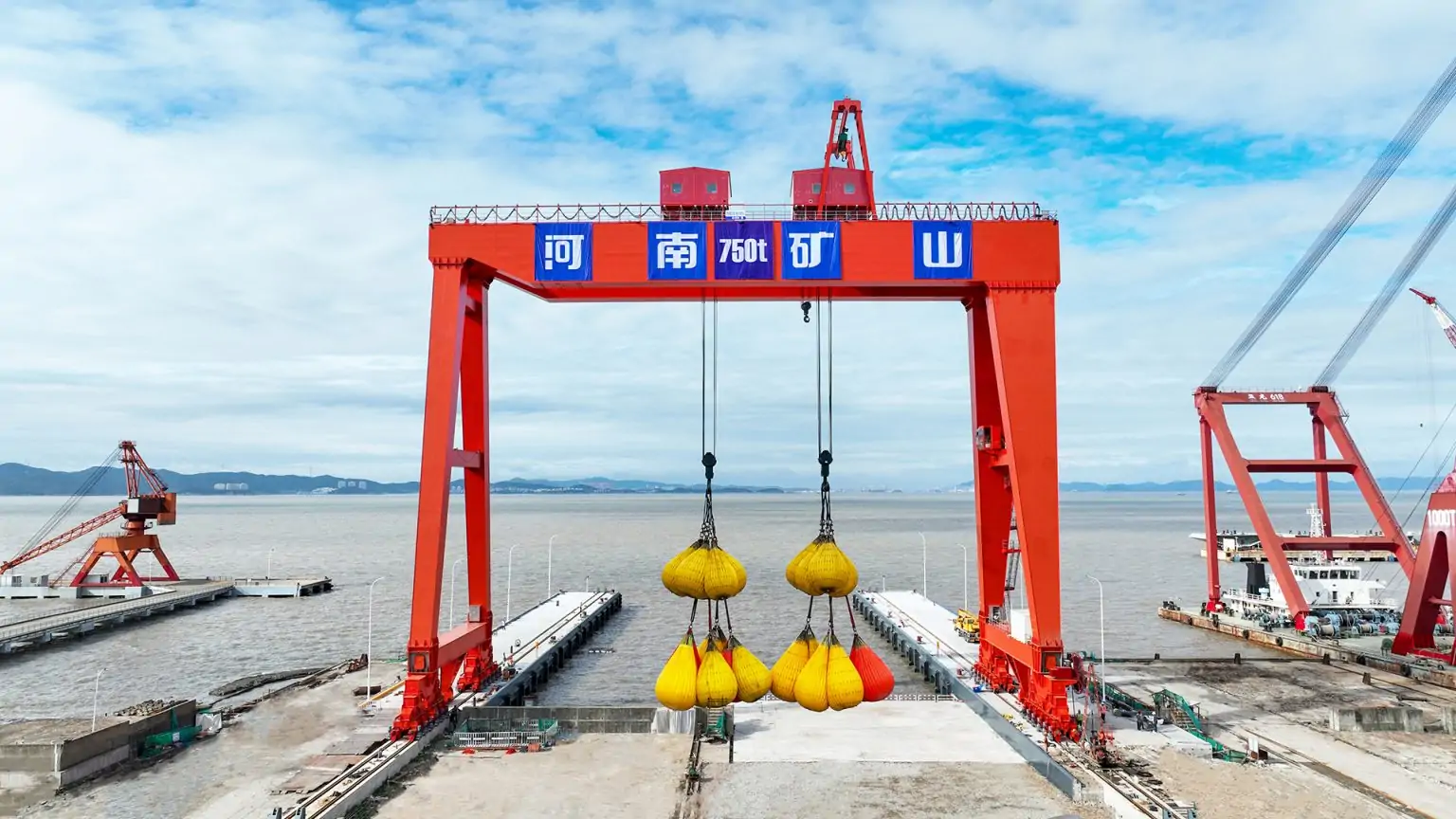
Floating cranes, mounted on barge platforms, are primarily used for heavy-lift operations such as port construction and marine salvage. With lifting capacities ranging from 50 tons to over 200 tons, they are capable of handling complex offshore operations.
The Core Purpose of Port Cranes
Port cranes exist fundamentally to address the challenge of “heavy cargo handling” in port operations. Their core functions span the entire port operation process and can be specifically categorized into the following five aspects:
Enabling Seamless Cargo Loading and Unloading
As the interface between maritime and land transportation, ports require the transfer of cargo between ships and land-based transport vehicles (trucks, trains). Such cargo is often bulky and heavy, making manual handling impractical.
Through precise lifting operations, port cranes enable seamless transfers of cargo between different modes of transport. Whether handling bulk container loading and unloading or the individual transfer of bulk cargo and heavy equipment, they perform efficiently, serving as the “bridge” for port cargo flow.
Optimizing Port Operational Efficiency
At busy port terminals, processes such as vessel berthing, cargo handling, and yard transshipment are interlinked; inefficiency in any single step can lead to port congestion and vessel delays.
Port cranes, with their high operational efficiency, reduce cargo handling time and improve yard turnover efficiency. This lowers the risk of port congestion, accelerates vessel turnaround, maximizes port throughput, and enhances port operational efficiency.
Ensuring Operational Safety
As heavy-duty equipment, the operational safety of port cranes directly impacts the safety of personnel, cargo, and equipment. To prevent equipment failures and safety incidents, all port cranes have clear load limits to prevent accidents such as structural damage or cargo falls caused by overloading;
Modern port cranes are also equipped with safety features such as collision warning systems and remote monitoring, which reduce human operational errors, lower operational risks, and ensure safe and orderly port operations.
Supporting Multifunctional Port Operations
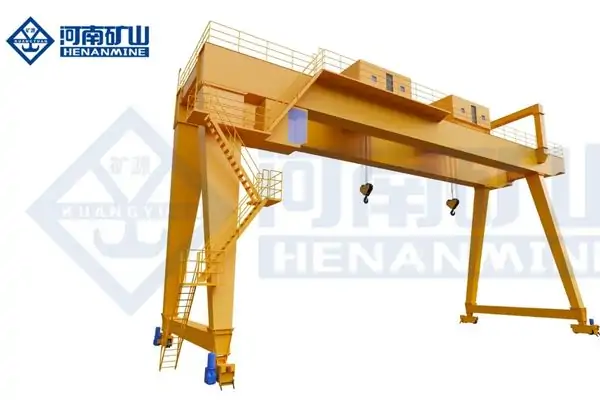
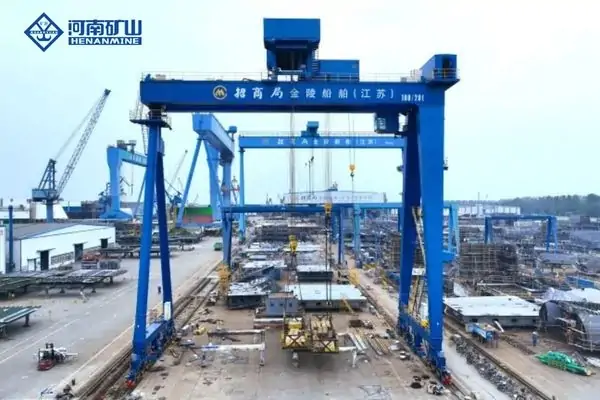
Port cranes are not only used for cargo loading and unloading but also support the port’s multifunctional operations. For example, during ship maintenance and repairs, cranes can lift vessels out of the water, allowing personnel to inspect and repair components such as propellers and rudders.
At the same time, they can adapt to the handling requirements of various cargo types, including containers, bulk cargo, and heavy equipment, helping ports achieve multifunctional and diversified operations.
Ensuring the Continuity of the Global Supply Chain
In the context of globalization, the smooth operation of the global supply chain relies on the efficient flow of goods. As a core node in the supply chain, a port’s operational efficiency directly impacts the stability of the supply chain.
By efficiently handling cargo, port cranes ensure that ships depart on schedule and goods are delivered on time, bridging the gap between maritime and land transportation to prevent supply chain disruptions and safeguard the smooth conduct of global trade.
The Significance of Port Cranes in the Global Shipping Industry
Port cranes are not only the foundational equipment for port operations but also a vital pillar supporting the development of the global shipping industry. Their significance extends across multiple dimensions, including global supply chains, national economies, port competitiveness, and the sustainable development of the industry:
Backbone of Global Supply Chains
The core of global trade lies in the cross-regional flow of goods, and ports, as hubs connecting sea and land transport, serve as critical nodes in the global supply chain. Through efficient loading, unloading, and transshipment of goods, port cranes bridge the gap between maritime and land transportation, supporting the smooth operation of international trade. They serve as the “core pillar” of global supply chain stability; without their efficient operations, the flow of goods would slow down and supply chains would grind to a halt.
The operational capacity of port cranes directly determines port cargo handling efficiency, which in turn affects the responsiveness of global supply chains. During the pandemic, their efficient operations quickly cleared backlogged cargo, alleviated supply chain congestion, and ensured the timely transport of various emergency supplies, highlighting their critical role.
Economic Impact on Ports and Nations
The level of development of port cranes affects port operational efficiency and the national economy. Efficient operations can increase port throughput and competitiveness, attract vessel calls, drive the development of related industries such as logistics and warehousing, and create a large number of jobs.
At the national level, ports serve as vital gateways for foreign trade, and their efficiency directly impacts a country’s trade competitiveness. The efficient operation of port cranes reduces transportation costs, shortens trade cycles, enhances export competitiveness, and drives GDP growth. Moreover, their technology and operational capabilities serve as key indicators of a coastal nation’s shipping strength and economic potential.
Enhancing Port Competitiveness
Global port competition is fierce, with operational efficiency and service quality being core competitive advantages—and port cranes are the key determinant of port efficiency. High-efficiency, advanced port cranes can shorten vessel turnaround times, reduce costs for cargo owners, attract vessel calls and cargo transshipments, and expand a port’s market share.
For example, large container ports equipped with advanced equipment such as automated gantry cranes have seen a significant increase in efficiency, becoming global shipping hubs; conversely, outdated crane technology leads to vessel delays, cargo backlogs, and a loss of competitiveness.
Environmental Significance
Global climate change is driving the green transformation of the shipping industry. As major energy-consuming equipment in ports, the environmental performance of port cranes directly impacts the port’s sustainable development. Modern port cranes increasingly prioritize environmental protection and energy efficiency in their design and manufacturing, with their environmental significance primarily reflected in three aspects:
- Reduced emissions. For example, equipment such as gantry cranes is often electrically powered, achieving zero on-site emissions and significantly reducing exhaust pollution compared to traditional diesel-powered equipment; At the same time, through technical optimization, pollutant emissions during equipment operation have been reduced, meeting the requirements of global environmental regulations.
- Improving energy efficiency. Modern port cranes employ various energy-saving technologies; for instance, the double-box grab design allows for the lifting of multiple containers in a single operation, reducing the number of equipment cycles and lowering energy consumption; regenerative braking systems recover and reuse energy generated during operation, further enhancing energy utilization efficiency.
- Reduced noise pollution. Electric-powered port cranes operate at lower noise levels, effectively reducing noise pollution in the vicinity of the port compared to diesel-powered equipment. This improves the living environment for nearby residents and facilitates harmonious development between the port and the city.
Technological Advancements Shaping the Significance of Port Cranes
With the continuous advancement of technology, the technical capabilities of port cranes are constantly improving, with automation, intelligence, and sustainability becoming the mainstream trends. These technological advancements not only enhance the operational efficiency and safety of port cranes but also further reinforce their critical role in the shipping industry, primarily manifested in three aspects:
Automated and Intelligent Cranes
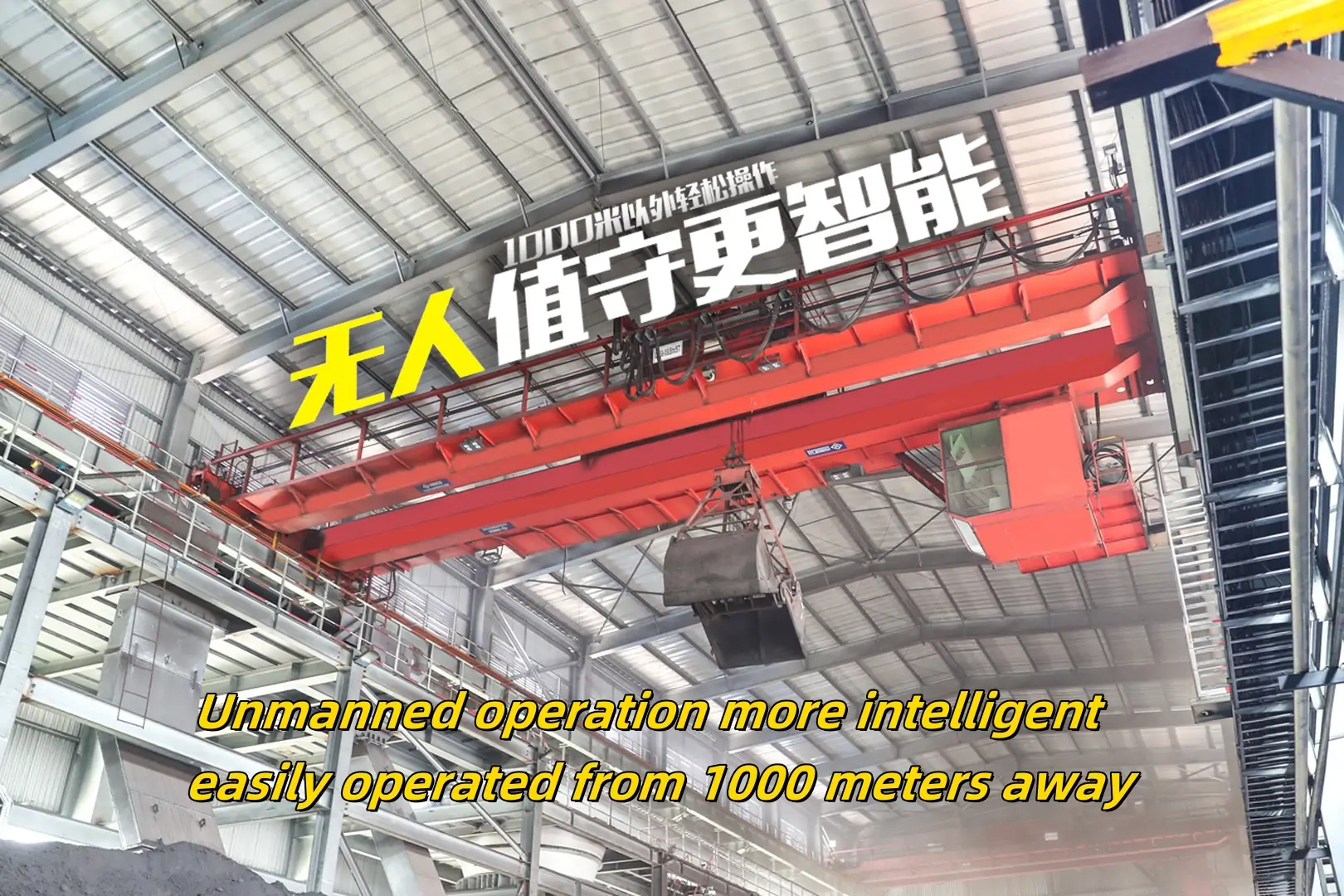
With the development of automation technology, remote operation and autonomous operation have become key directions for port cranes. By installing sensors, control systems, and artificial intelligence algorithms, port cranes can achieve functions such as unmanned operation, autonomous lifting, and automatic obstacle avoidance. This not only reduces human operational errors and improves operational efficiency but also lowers the risks associated with manual operations.
IoT and Data Integration
The application of IoT technology enables port cranes to monitor equipment status in real time and share data. By installing IoT terminals on cranes, operational data and fault information can be collected in real time, facilitating predictive maintenance.
Early detection of potential equipment failures allows for timely repairs, reducing downtime and ensuring operational continuity. Additionally, through data integration, crane operational data can be linked with port scheduling and warehousing systems, enabling intelligent scheduling and optimization of port operations to enhance overall operational efficiency.
Electrification and Green Technologies
In response to the global call for green development, the electrification and green technologies of port cranes are continuously being upgraded. In addition to replacing diesel-powered systems with electric drives, green technologies such as regenerative braking and solar power are gradually being applied to port cranes;
simultaneously, equipment design places greater emphasis on energy conservation. By optimizing structures and adopting high-efficiency motors, energy consumption is reduced, carbon emissions are lowered, and ports are supported in achieving their “carbon neutrality” goals, thereby driving the green transformation of the shipping industry.
Challenges in Port Crane Operations
Although port cranes play a vital role in the shipping industry, they still face numerous challenges during actual operations. These challenges not only affect the operational efficiency of port cranes but may also undermine their significance in the shipping industry. Specifically, they primarily include the following four aspects:
- High costs: The acquisition, routine maintenance, and replacement of parts for port cranes are expensive. Small and medium-sized ports may be unable to afford advanced equipment due to financial constraints, which affects operational efficiency and competitiveness.
- High skill requirements for operators: Intelligent and automated cranes require operators to possess specialized knowledge and emergency response capabilities. Training costs are high and the process is time-consuming; a shortage of operators can impact operational efficiency and safety.
- Constraints from weather and the environment: Outdoor operations are prone to shutdowns due to adverse weather conditions, while environmental factors such as corrosion and dust in port areas can shorten equipment lifespan and increase maintenance costs.
- Incompatibility with outdated port infrastructure: Advanced cranes cannot fully utilize their capabilities, and poor integration with port scheduling and warehousing systems affects overall operational efficiency.
Future Trends in Port Crane Development
In response to industry challenges and development needs, future port cranes will evolve toward automation, intelligence, sustainability, and larger scales, continuously improving their performance and operational efficiency to further strengthen their significance in the shipping industry. Specific future trends are as follows:
- Fully automated terminals will gradually become widespread. Port cranes will utilize artificial intelligence (AI) and Internet of Things (IoT) technologies to achieve fully autonomous operation without human intervention, comprehensively improving operational efficiency, reducing labor costs, and minimizing safety risks.
- AI will be deeply integrated into crane operations. Through big data analysis and predictive algorithms, it will enable operational scheduling, predictive maintenance, and load optimization, thereby reducing equipment downtime.
- The development of green ports is driving the transition of cranes toward greener operations. There will be increased adoption of clean energy sources such as solar and wind power, along with optimized energy-saving technologies to reduce carbon emissions and noise pollution, thereby contributing to the goal of “green ports.”
- To accommodate the growth of ultra-large container ships, port cranes will undergo upgrades toward larger sizes, increasing lifting capacity, operational radius, and lifting height to ensure efficient loading and unloading of large vessels and maintain port competitiveness.
How to Select the Right Port Crane
Selecting the right port crane not only improves port operational efficiency but also reduces operating costs and maximizes the value of the equipment. Therefore, when selecting a crane, ports must comprehensively consider the following five key factors:
Lifting Capacity and Lifting Height
These are the core factors in crane selection and must be determined based on the port’s primary cargo types and vessel sizes. For example, ports primarily handling ultra-large container ships should select gantry cranes with high lifting capacity, high lifting height, and a wide operating radius; ports primarily handling bulk cargo can opt for mobile harbor cranes or portal cranes with moderate lifting capacity and flexible operation.
Operating Speed and Efficiency
Operating speed directly determines port throughput and vessel turnaround efficiency. Therefore, when selecting equipment, priority should be given to cranes with superior hoisting speeds and trolley travel speeds. At the same time, the level of automation must be a key consideration; a higher degree of automation not only significantly improves operational efficiency but also effectively reduces human operational errors, further enhancing operational safety.
Durability and Maintenance Requirements
Port cranes have a long service life; therefore, when selecting models, priority should be given to equipment with robust structures, high-quality materials, and strong durability. At the same time, maintenance convenience must be taken into account, with preference given to models that have low maintenance costs, readily available spare parts, and minimal maintenance complexity. This approach reduces equipment downtime and effectively lowers overall operating costs.
Environmental Impact
Against the backdrop of a global commitment to green development, ports must prioritize environmental and energy-saving features when selecting cranes. The focus should be on electric-powered, zero-emission, and highly energy-efficient equipment that complies with local environmental regulations. This approach not only effectively reduces energy consumption and operational costs but also provides strong support for the port’s sustainable development.
Costs and Financing Methods
Given the high initial investment required for port cranes, selection must comprehensively consider the full lifecycle costs—including equipment procurement, operation, and maintenance—to balance initial investment with long-term returns. At the same time, ports should flexibly explore diverse financing models, such as leasing and installment payments, to effectively alleviate financial pressure and ensure the smooth acquisition and stable operation of equipment.
Conclusion
In summary, port cranes are core equipment in the shipping industry, serving key functions such as efficient cargo handling, optimizing port efficiency, ensuring operational safety, supporting multifunctional port operations, and maintaining the continuity of global supply chains. Their significance lies in stabilizing supply chains, driving economic development, enhancing port competitiveness, and promoting green development.
Although facing challenges such as costs, operator skills, and environmental constraints, future developments will focus on upgrades toward full automation, AI optimization, environmental sustainability, and larger-scale operations. For ports, selecting the right equipment and ensuring proper operation and maintenance are key to realizing its value, and its evolution will also provide support for the high-quality development of global trade and the shipping industry.