

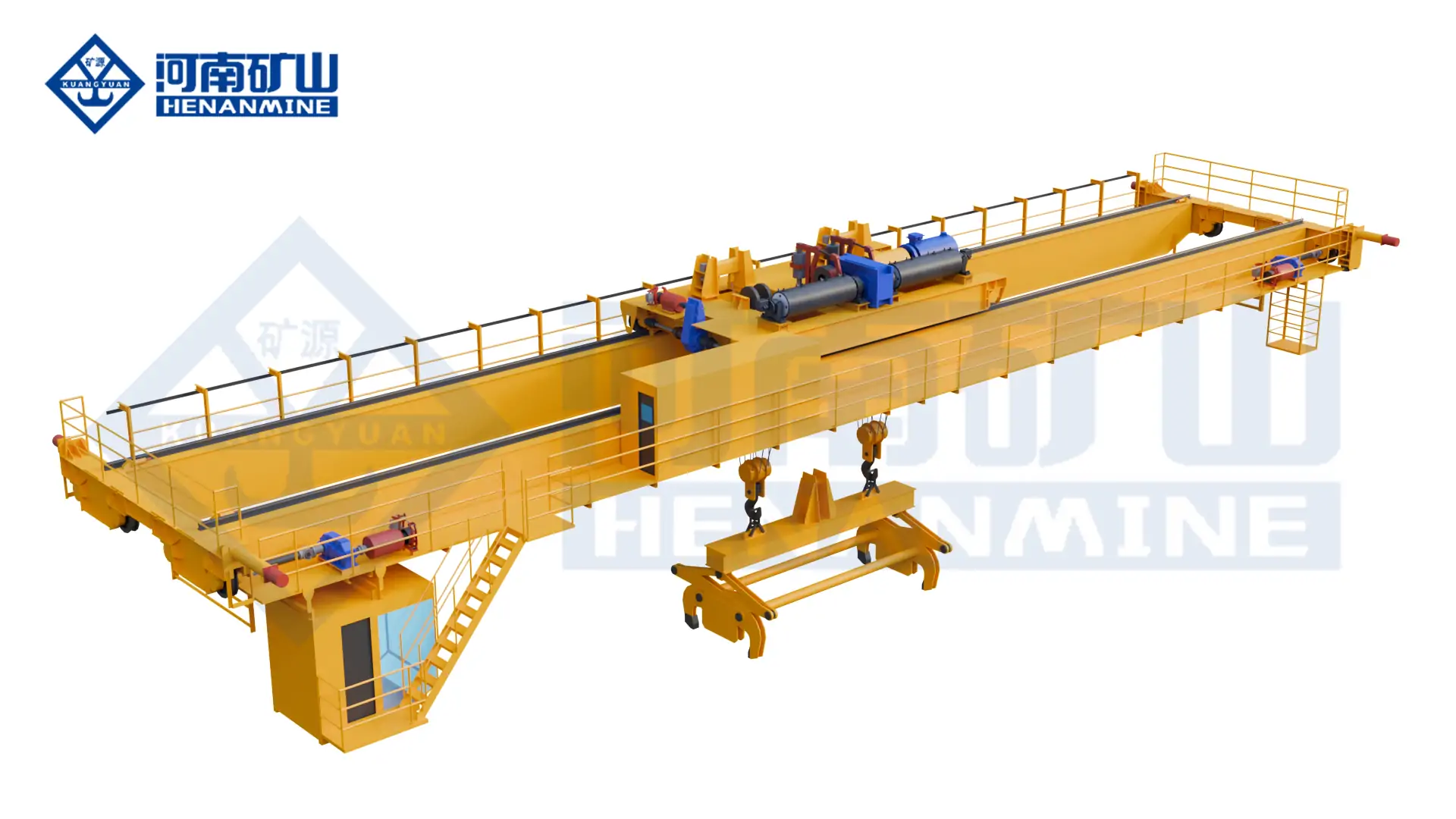
YB Slab Handling Crane
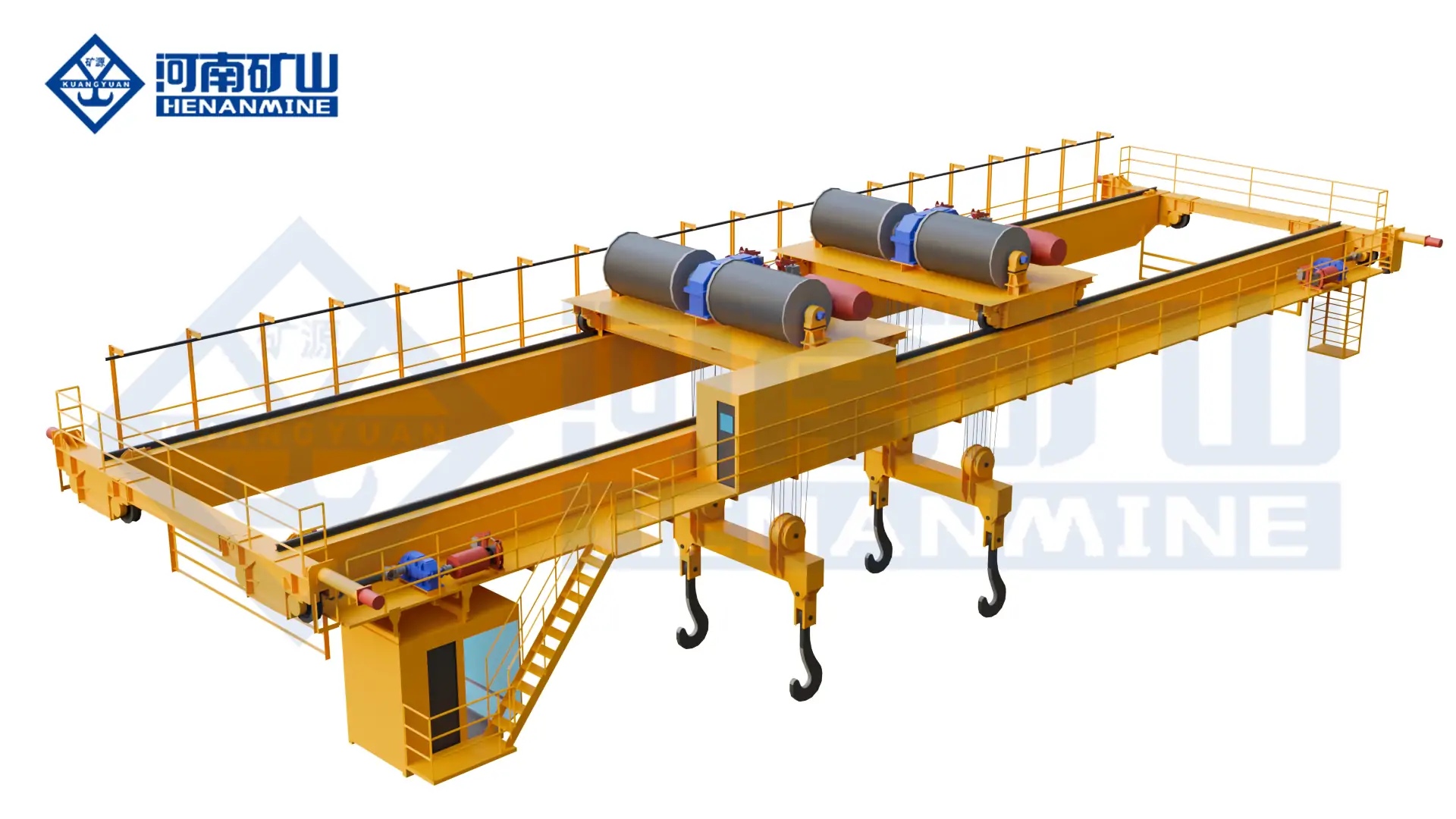
Parameters of Slab Handling Crane Manufactured by Henan Mine Crane
Share your slab dimensions, maximum suspended load and plant layout to discuss a crane configuration.
| Parameter | Specification | Remarks |
| Rated Lifting Capacity | 20t – 150t | Confirm the rated capacity and the weight of the lifting attachment for the selected configuration. |
| Span | 10m – 39m | Extended on request for large steel mill workshop |
| Lifting Height | 5m – 23m | Adapt to continuous casting line and slab warehouse |
| Temperature requirements | Confirm slab and ambient air temperatures separately | Provide radiant heat conditions and exposure time at pickup and along the travel route. |
| Control System | PLC module + HMI touch screen + WLK master controller | Zero position self-reset and locking device |
| Wheel and rail selection | Confirm wheel design and rail details | Review wheel loads, duty and maintenance requirements. |
| Working Class | A7 – A8 | Suitable for high-intensity intermittent operation in metallurgical industry |
| Lifting Speed | 1m/min – 8m/min | Stepless speed regulation for precise hoisting |
| Crane Travel Speed | 10m/min – 30m/min | Anti-rail gnawing, stable operation for heavy load |
| Clamp Device | Automatic opening and closing with locking function | Confirm slab thickness, geometry and contact surfaces for the proposed clamp. |
| Power Supply | 380V/50Hz; 220V-660V/60Hz | Customizable for global power grids |
| Protection Level | IP55 | Dust-proof, heat-resistant for metallurgical environment |
| Structural Feature | Modular assembly | High-strength steel main beam with heat insulation |
| Design and compliance documents | Confirm applicable standards and editions | Request the documents for the proposed crane and destination. |
Henan Mine Crane manufactured Slab Handling Crane Product Introduction
Henan Mine Crane manufactured Slab Handling Crane Product Introduction
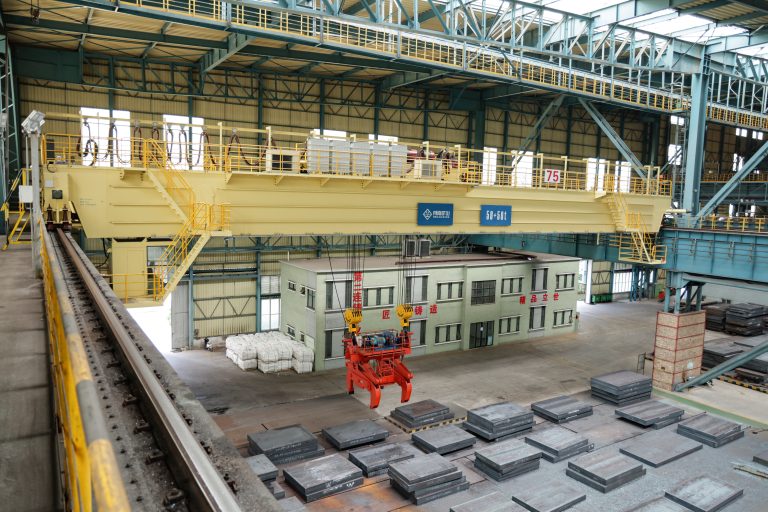
Steel slab transfer and stacking
Use the YB slab handling crane to transfer or stack steel slabs at continuous casting lines and slab yards. Define the pickup and setdown points, travel route and expected handling rate before selecting the crane.
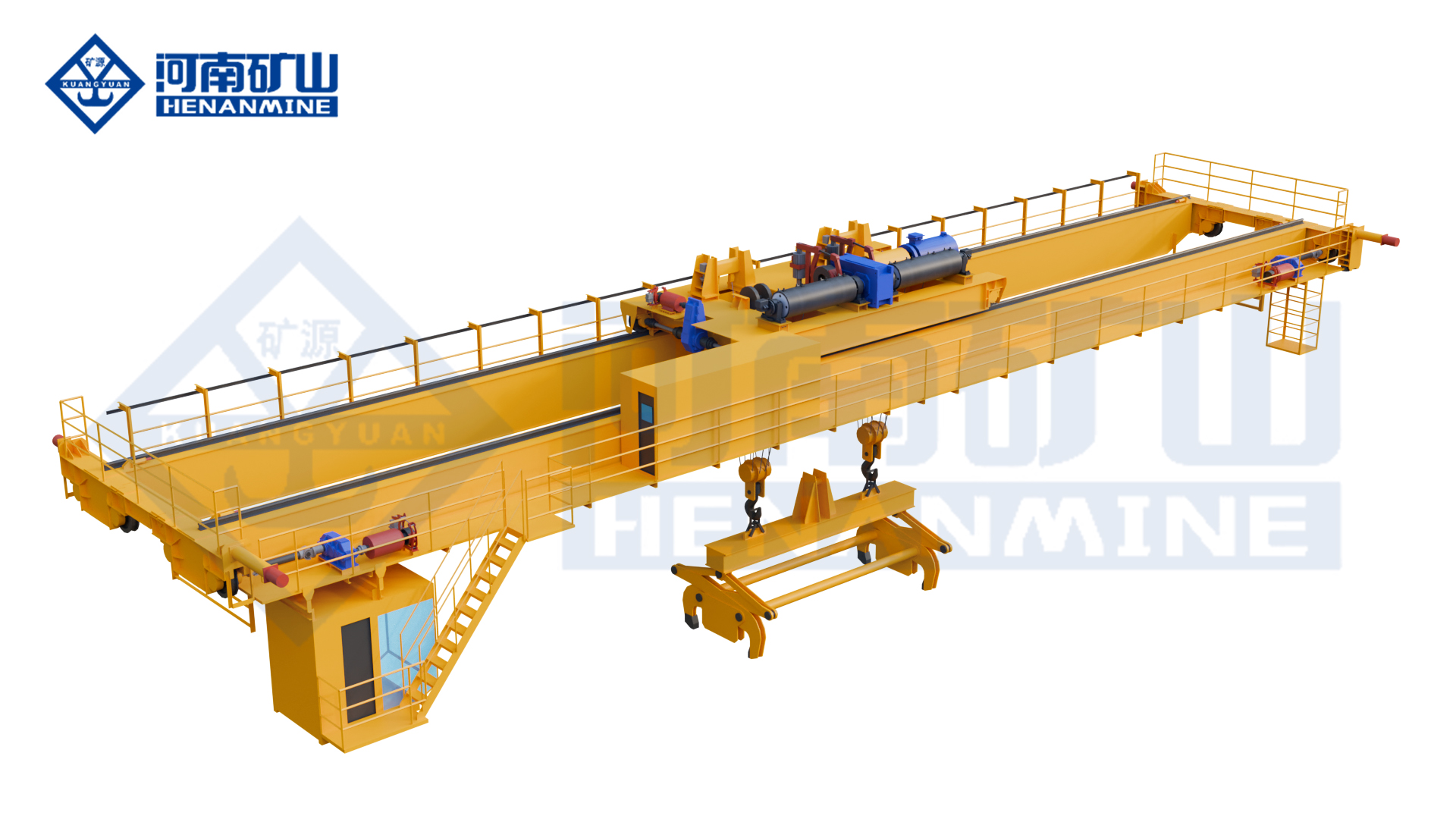
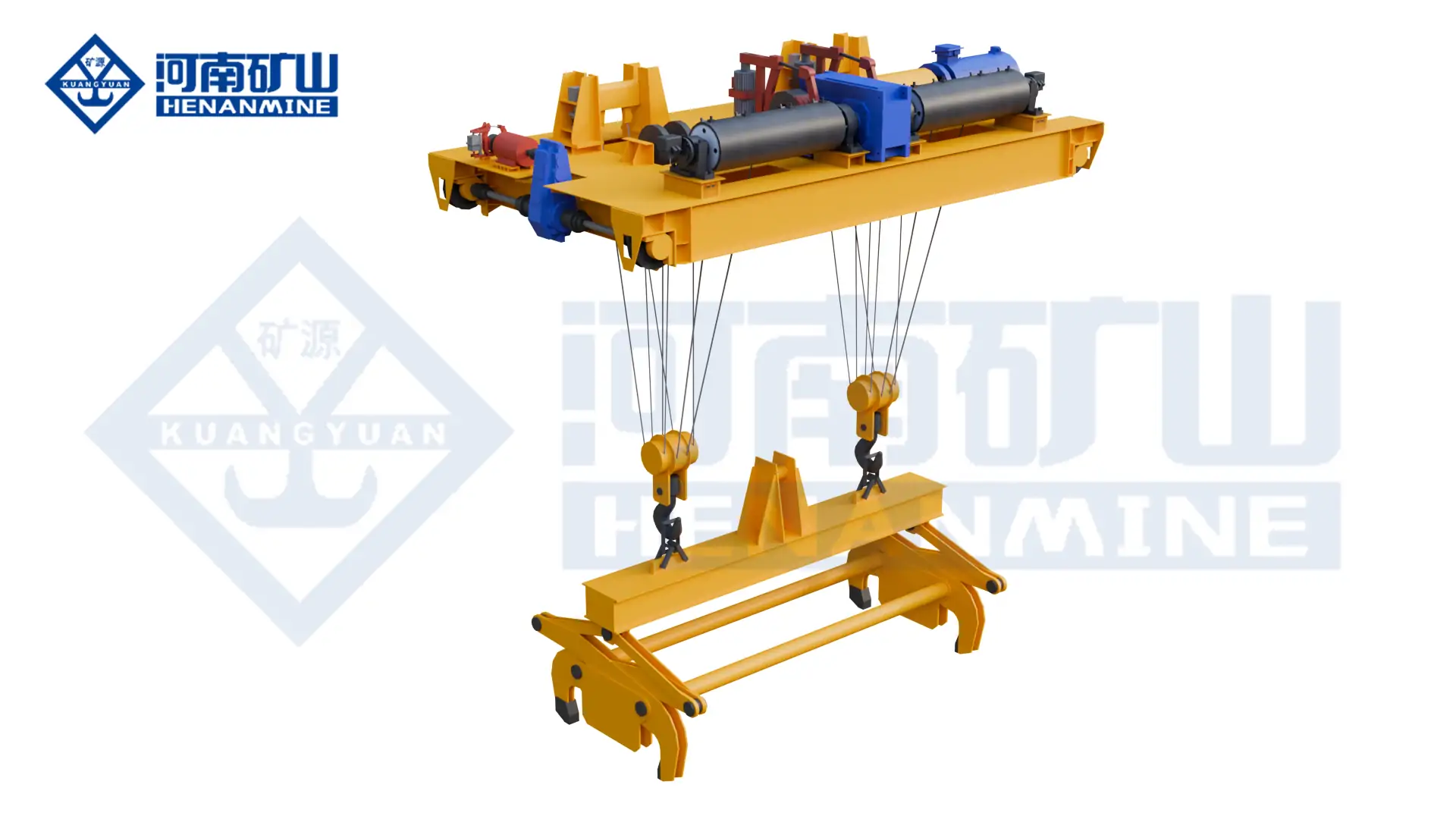
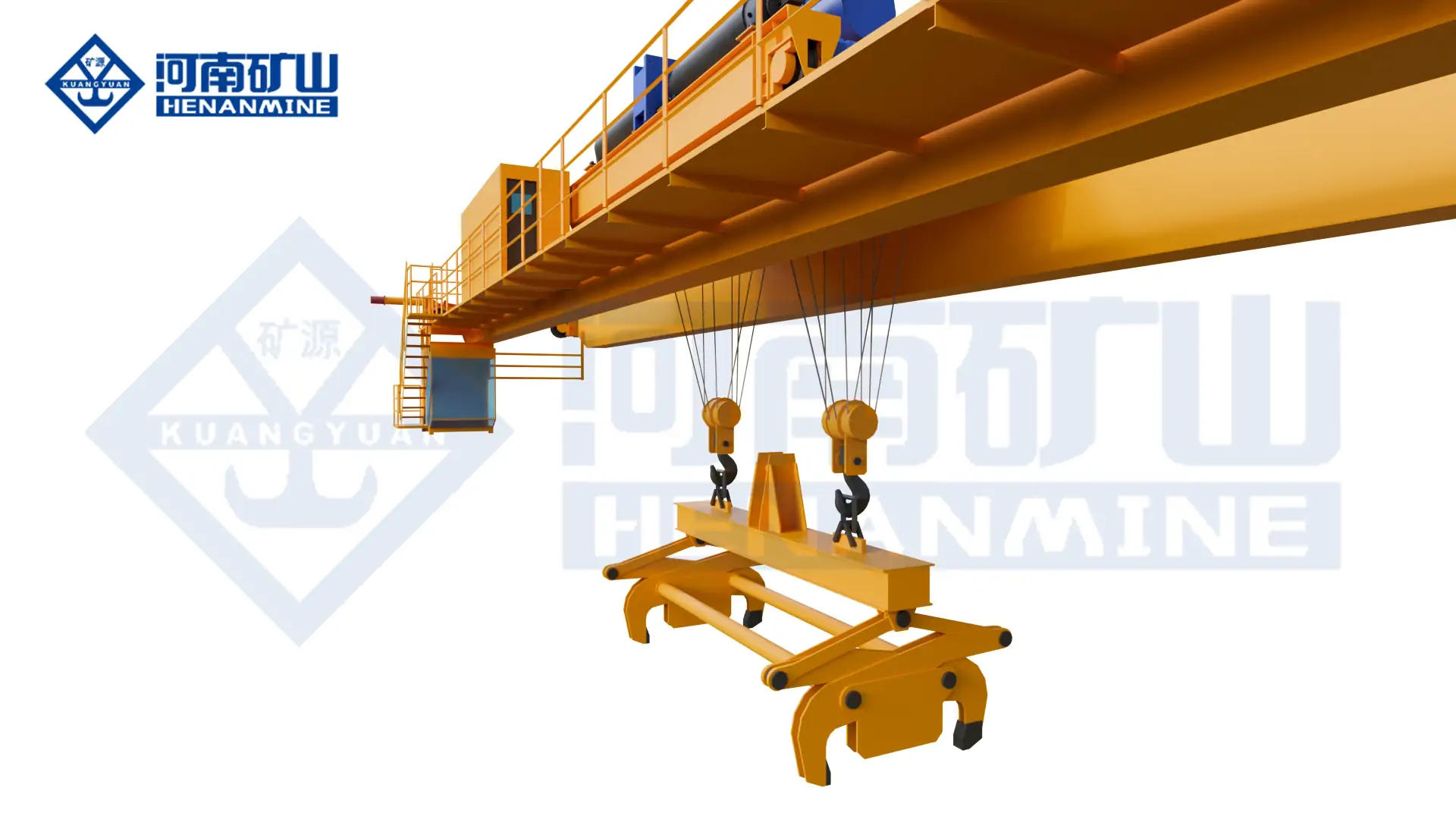
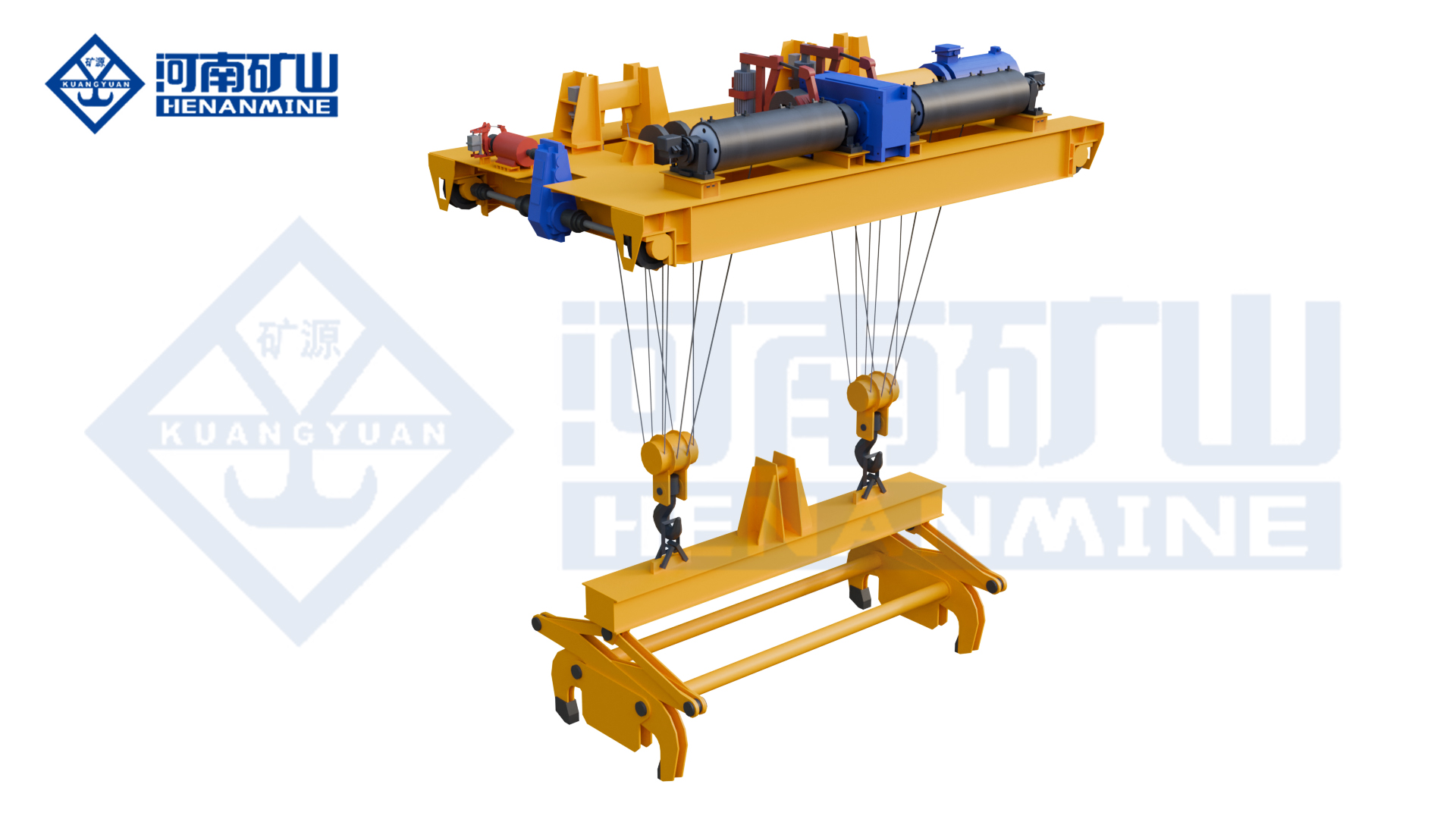
Choose the lifting attachment
Specify the slab length, width, thickness, weight and surface condition. Include the weight of the proposed lifting attachment when confirming the total suspended load. Check contact points, stack clearances and whether slabs must turn during transfer. Compare configurations in the slab handling crane selection guide.
Confirm the thermal conditions
Report the slab surface temperature at pickup separately from the ambient air temperature at crane level. Identify the sources of radiant heat and how long the crane and attachment are exposed during a cycle. Use these inputs to confirm component ratings and any shielding requirements for the proposed configuration.
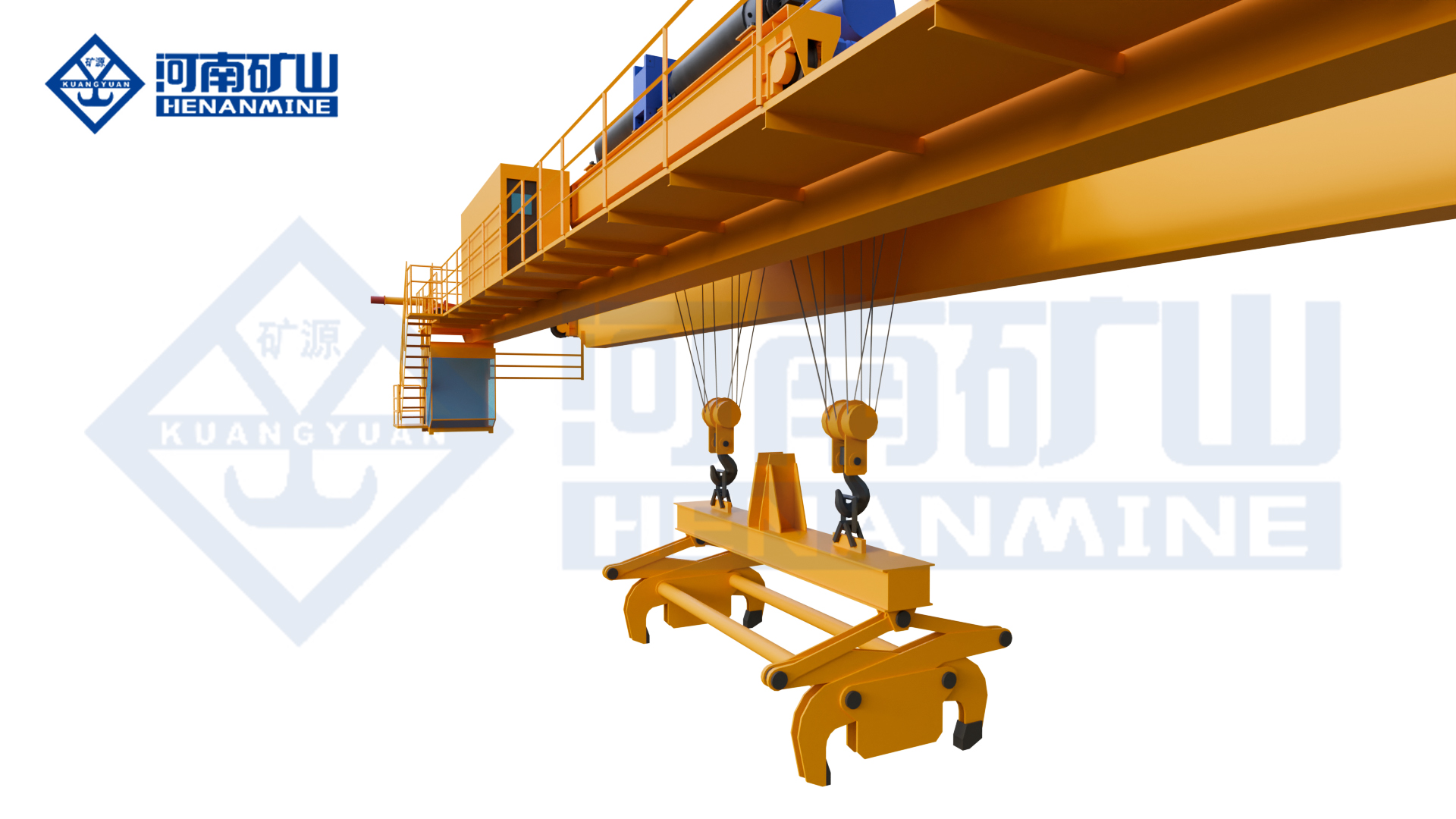
Define the runway and handling cycle
Provide the span, required hook height, runway layout, available clearance, supply voltage and planned lifts per hour. For an existing runway, share the rail details and allowable wheel loads with the crane supplier and the engineer responsible for the building.
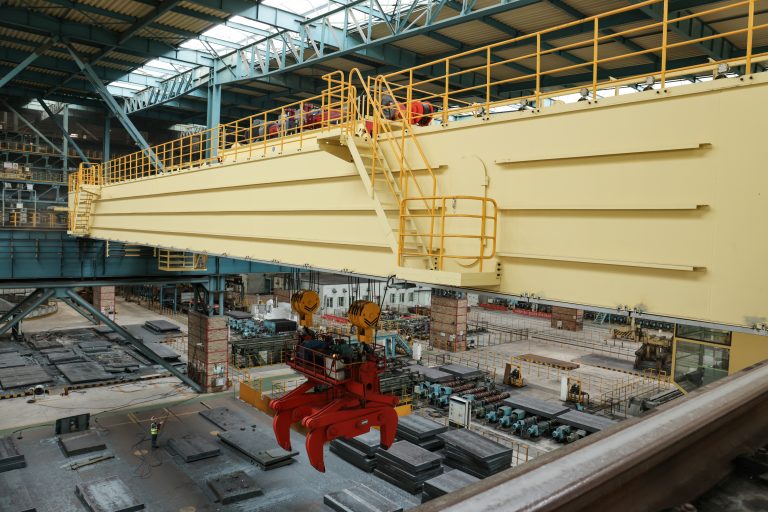
Agree the acceptance scope
Identify the plant controls the crane must interface with and the safety functions and tests required for your project. Ask for the proposed layout drawing, attachment details and the documents that apply to the destination and equipment configuration.
What Can Henan Mine Crane Slab Handling Crane Offer You?
| Selection topic | Configuration to review | What to confirm |
| Operational Precision | PLC intelligent control; WLK master controller | High positioning accuracy, avoid slab collision damage |
| Heat exposure | Heat shielding and component ratings | Confirm the slab temperature, ambient air temperature and exposure cycle. |
| Component Durability | Forging-rolling composite wheel; high-strength main beam | Review wheel loads, rail condition and inspection requirements. |
| Operational Safety | Multiple safety devices; clamp anti-fall locking | Confirm the required safety functions and acceptance tests for the selected attachment. |
| Global Compatibility | Project design standards and site power supply | Agree the applicable standards, documentation and site electrical interface. |
| Installation & Maintenance | Modular assembly; international standard parts | Agree the installation scope and spare parts list. |
| Production Efficiency | High working class A7-A8; stepless speed regulation | Meet high-intensity operation needs, improve slab handling efficiency |
| Scene Adaptability | Customizable capacity/span; multi-type clamp | Fit different continuous casting lines and slab specifications |
What to Send for a YB Slab Crane Quote
- Slab dimensions, maximum weight and surface temperature at pickup
- Ambient air temperature at crane level, radiant heat and duration of exposure
- Span, required lifting height, pickup and setdown positions, and runway drawings
- Planned lifts per hour, shift pattern and any turning or stacking requirements
- Project location, site power and required scope of supply
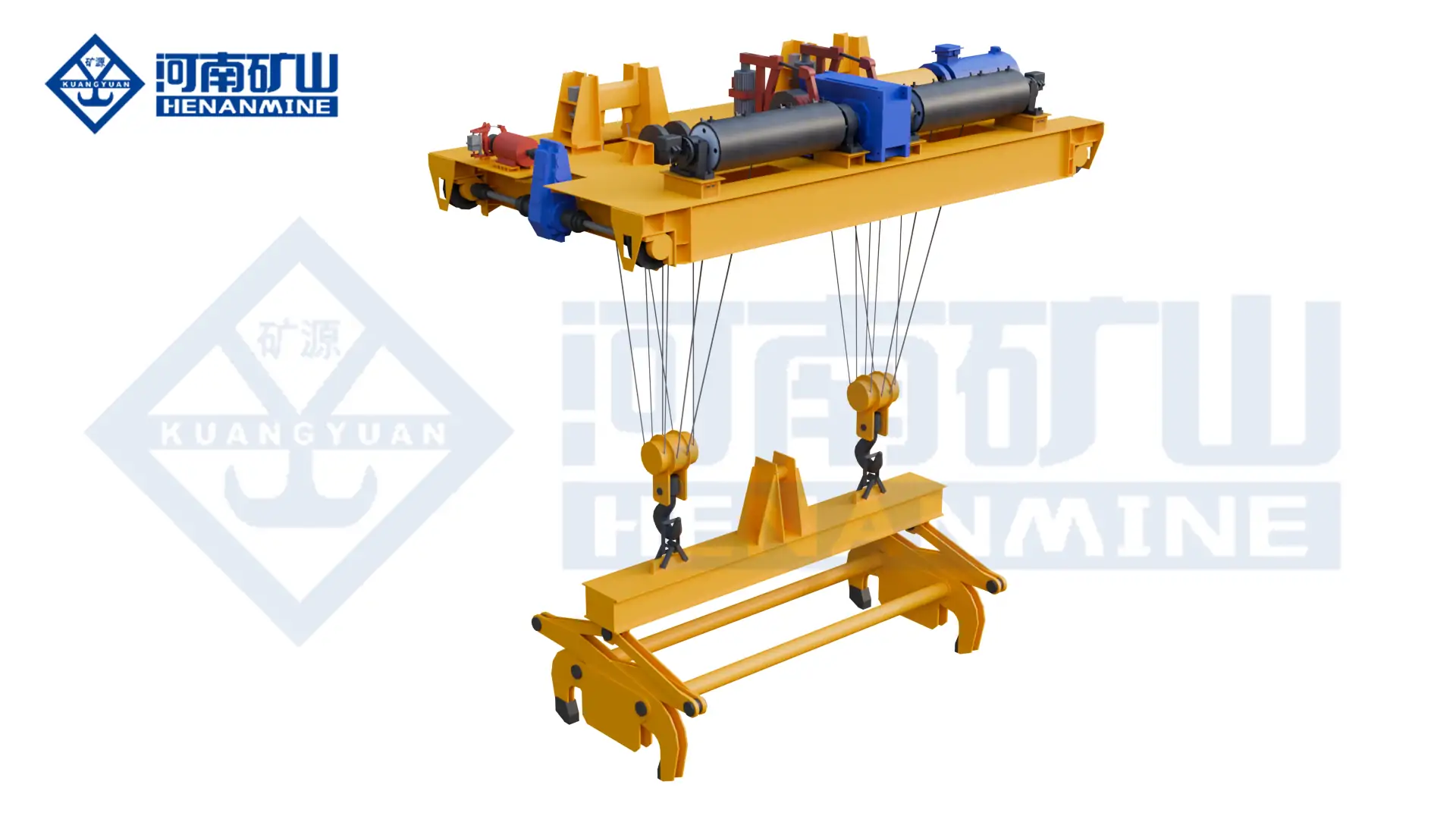
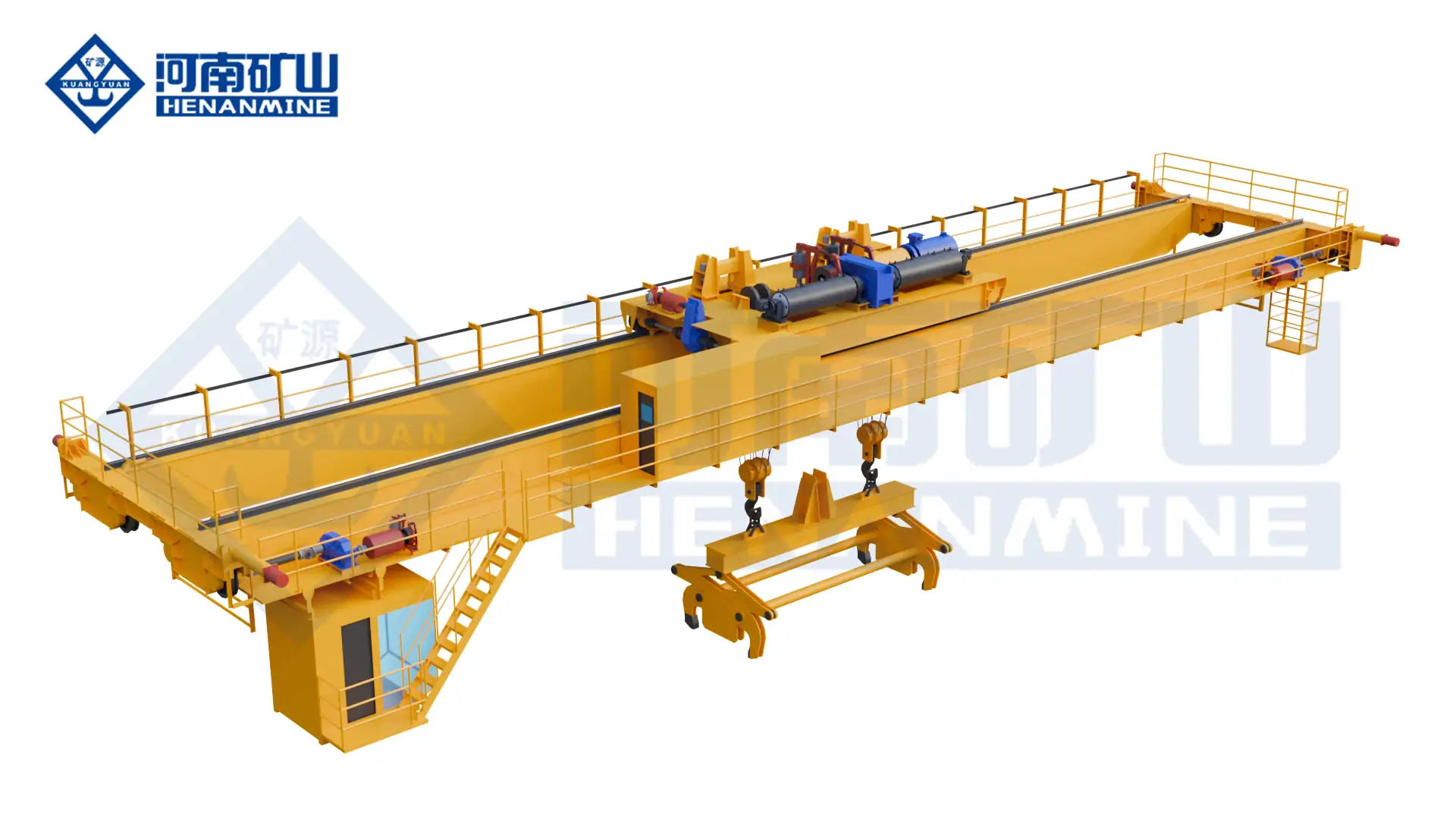
Detailed Drawing of Slab Handling Crane Manufactured by Henan Mine Crane
Application Scenarios of Slab Handling Crane Manufactured by Henan Mine Crane
-
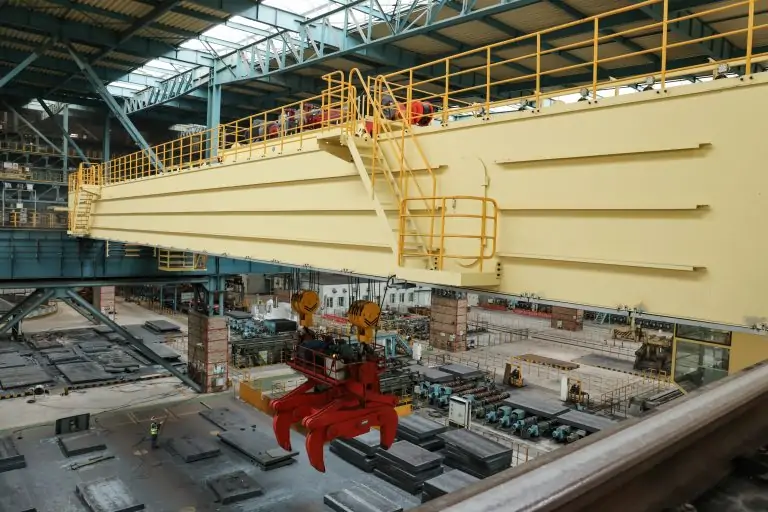
Hot rolling slab production workshopSlab Handling Crane is suitable for hot rolling production line in iron and steel mills, specializing in lifting and transporting high-temperature hot rolling slabs and continuous casting billets, relying on the heavy-duty reinforced structure and high-temperature-resistant design, and smoothly clamping and transferring high-temperature slabs.
-
Continuous casting billet transfer sectionSlab handling cranes are used in the continuous casting process area of the steel plant to receive the billets and slabs produced by the continuous casting machine and realize the directional transfer of billets from the continuous casting area to the rolling area.
-
Heavy plate processing workshopSlab handling cranes are designed for heavy plate smelting and processing workshop, lifting heavy billets such as medium-thick billets and extra-thick billets to meet the needs of billet lifting, stacking and transferring in the whole process of heavy plate production line.
-
Slab storage areaSlab handling cranes are used for the storage of finished slabs in steel mills to realize the regular stacking, loading and unloading of slabs out of the warehouse, and the high-strength spreaders are suitable for different specifications of slabs to improve the management and transfer efficiency of slabs in the warehouse area.
-
Special steel smelting workshopSlab handling crane is suitable for special steel smelting production section, lifting alloy slabs, mold steel billets and other special billets, to ensure the stability and safety of special slab lifting process.
-
Section steel billet pretreatment workshopSlab handling crane is used in steel billet pretreatment, grinding section, lifting slabs for pre-grinding, flaw detection operations, to reduce the loss of billet transit bumps.
Crane Operation Demonstration
How to Choose the Best Crane Manufacturer in China
-
1Clarify Your Crane NeedsThoroughly understand your lifting requirements (load details, frequency, and workspace environment) before approaching crane manufacturers.
-
2Determine Crane Service ClassCalculate the required crane service class based on your operational intensity to ensure optimal performance and longevity.
-
3Explore Crane Supplier Custom Features:Investigate available customization options and special features to enhance safety, efficiency, and precision for your specific application.
-
4Assess Crane Factory Engineering CapabilityEvaluate the manufacturer's engineering strength to ensure they can design a suitable solution tailored to your needs.
-
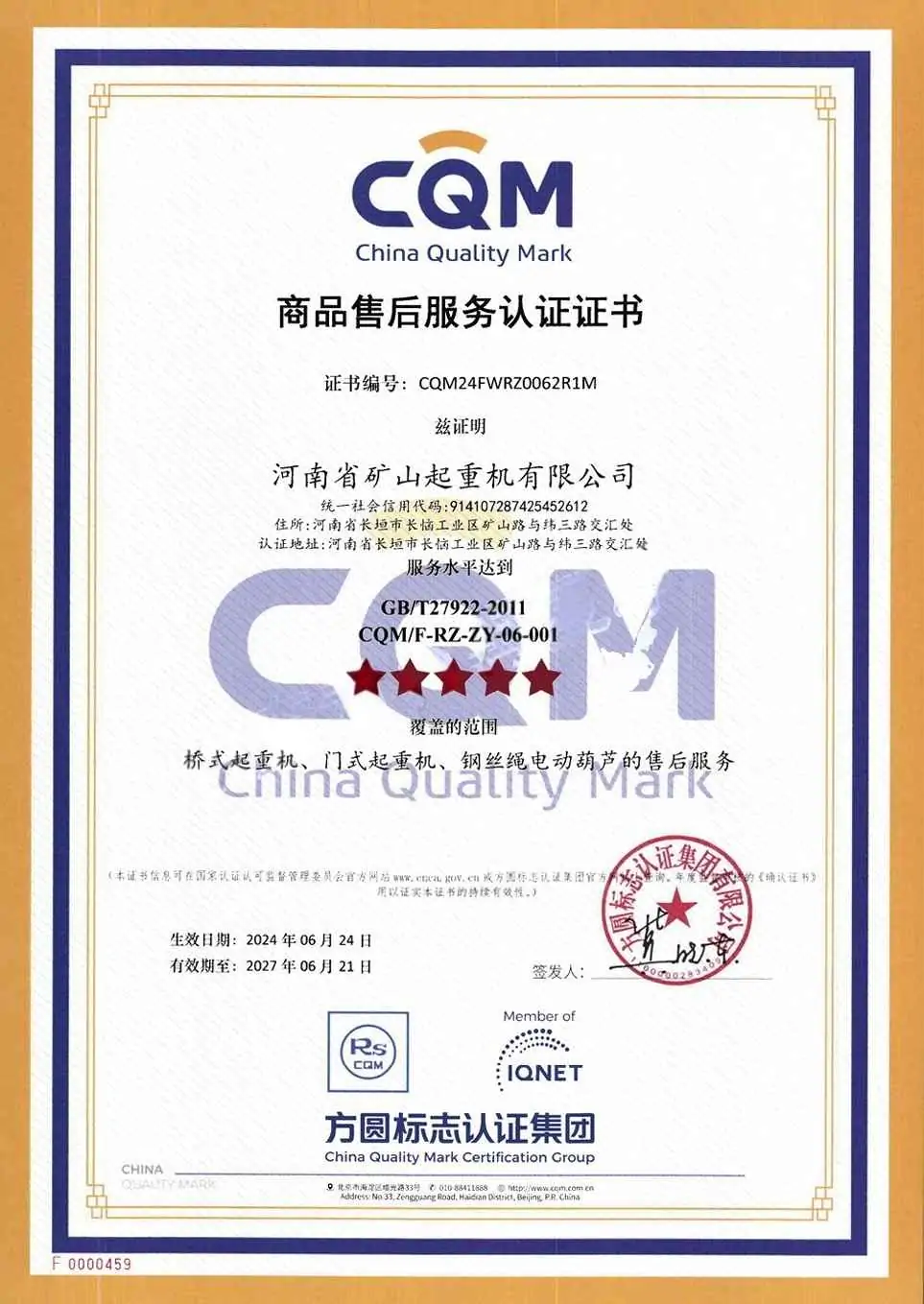
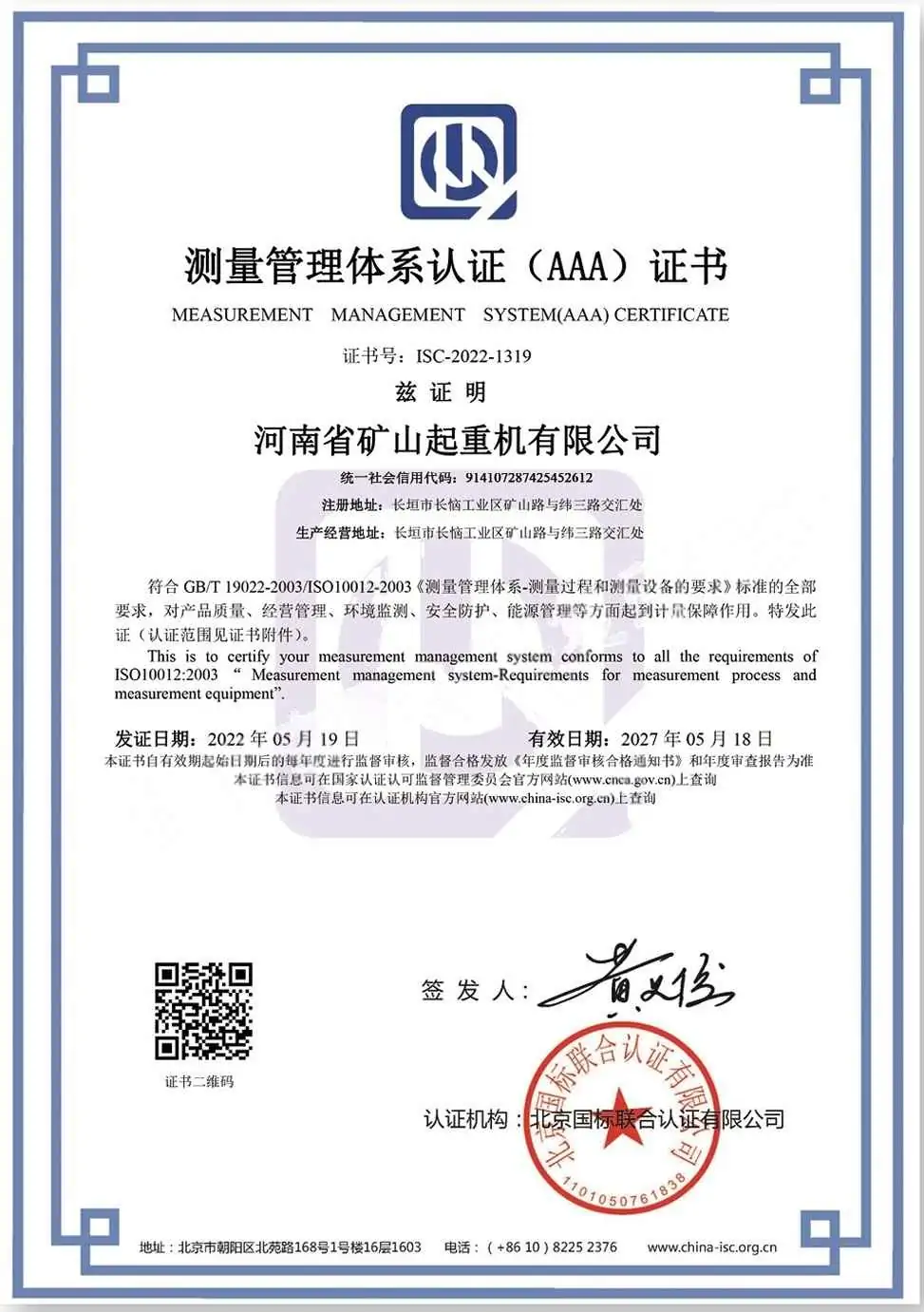
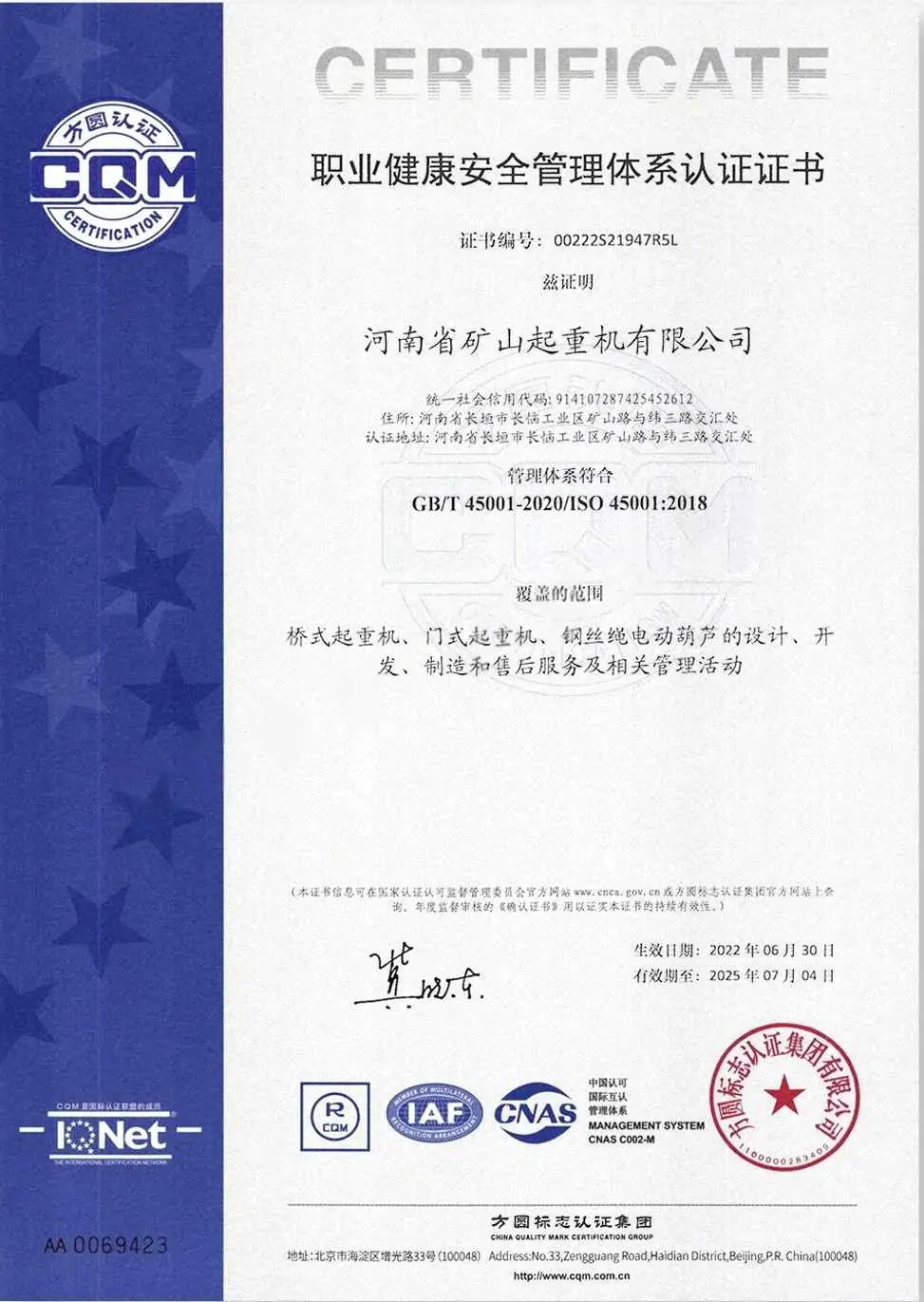
5Verify Quality & Compliance of Crane CompanyCheck the crane manufacturer's manufacturing quality, certifications, and compliance with international standards and your local safety regulations.
-
6Ensure Support & ReferencesConfirm the manufacturer provides reliable after-sales support and has a proven track record with positive references in your industry or region.
Why We Are More Trustworthy
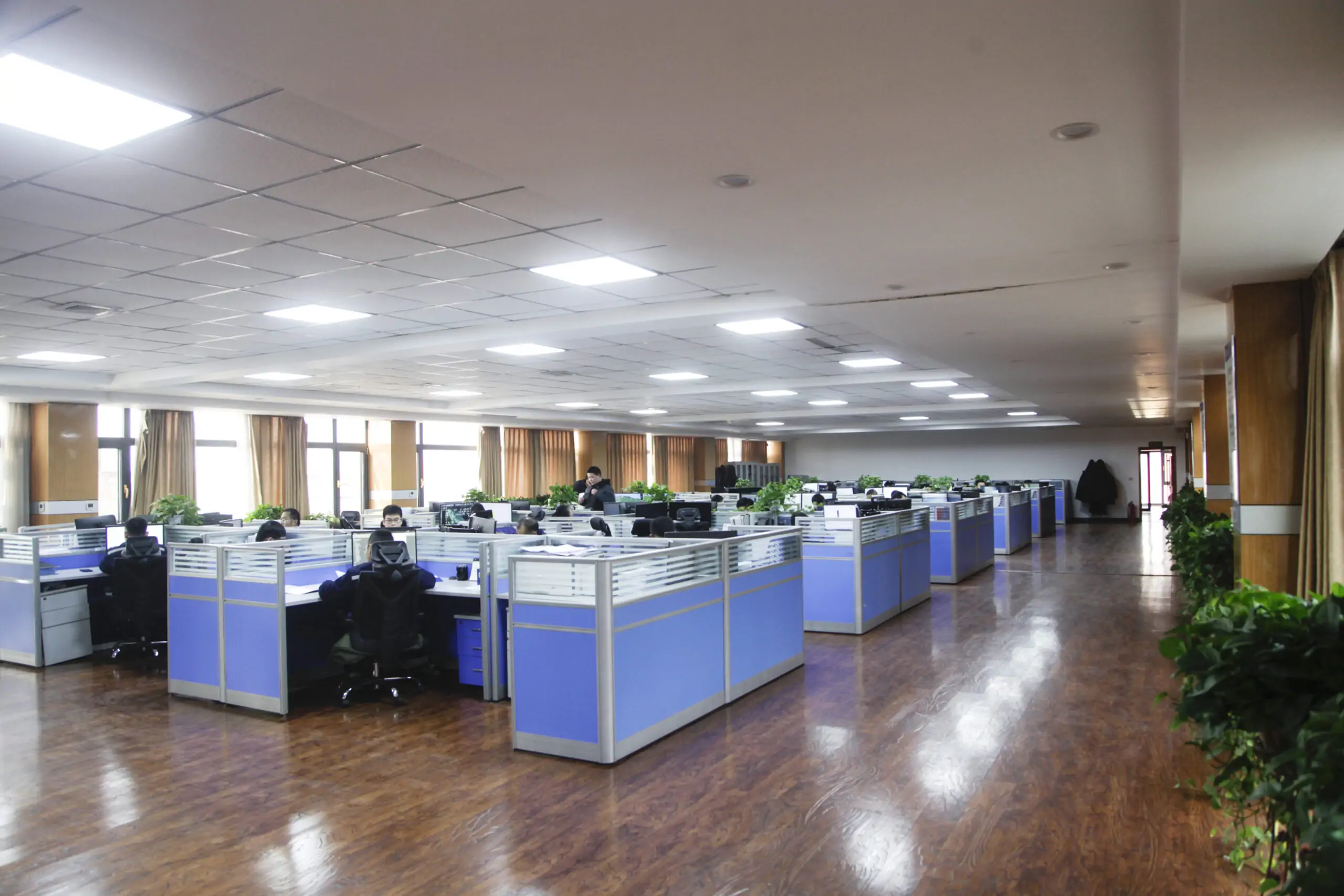
Experienced company

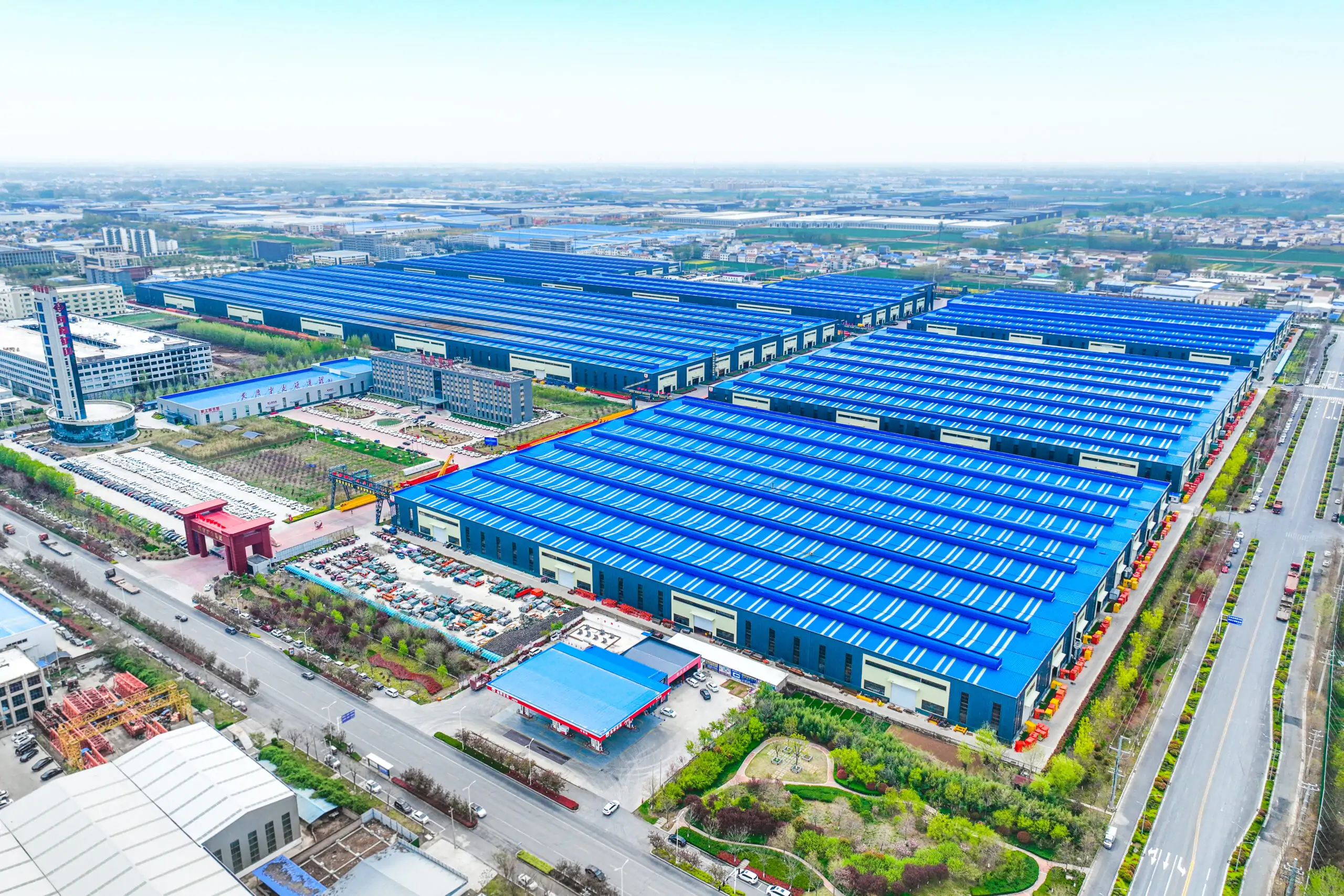
Professional team & equipment
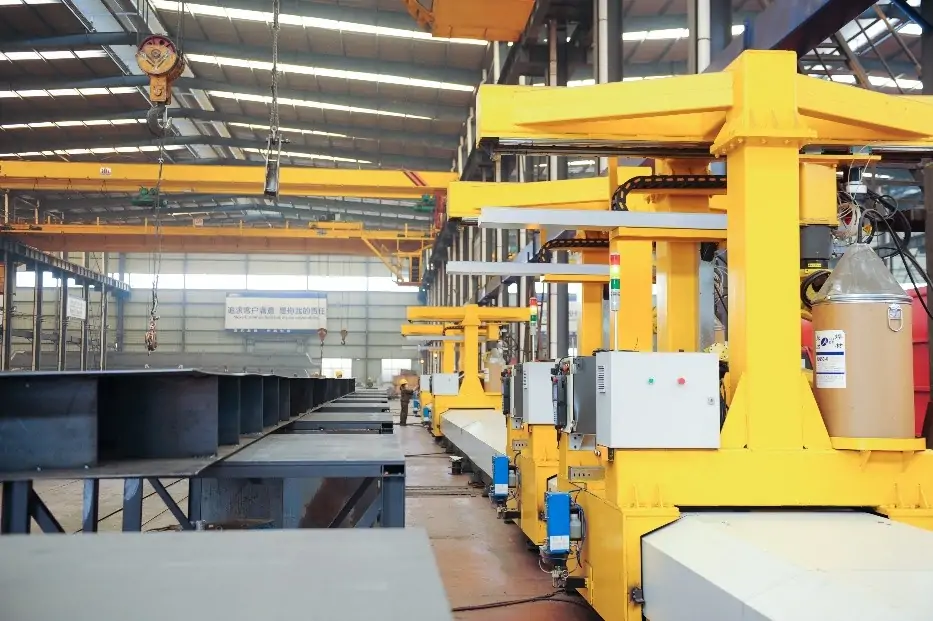
Productive capacity
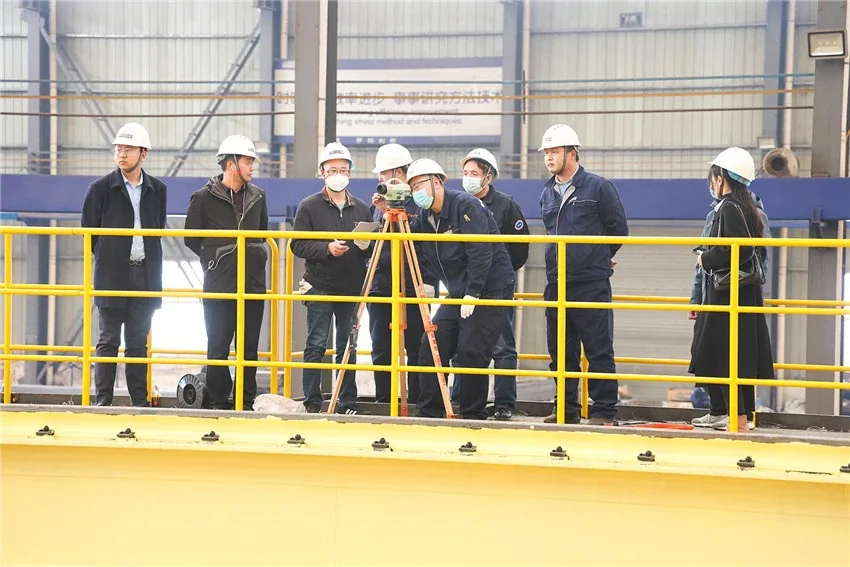
Customized design services
Why Our Cranes Earn Customers' Trust

The services we provide

Free customization scheme

Regular Maintenance Reminder

Technical support consultation

Free customization scheme
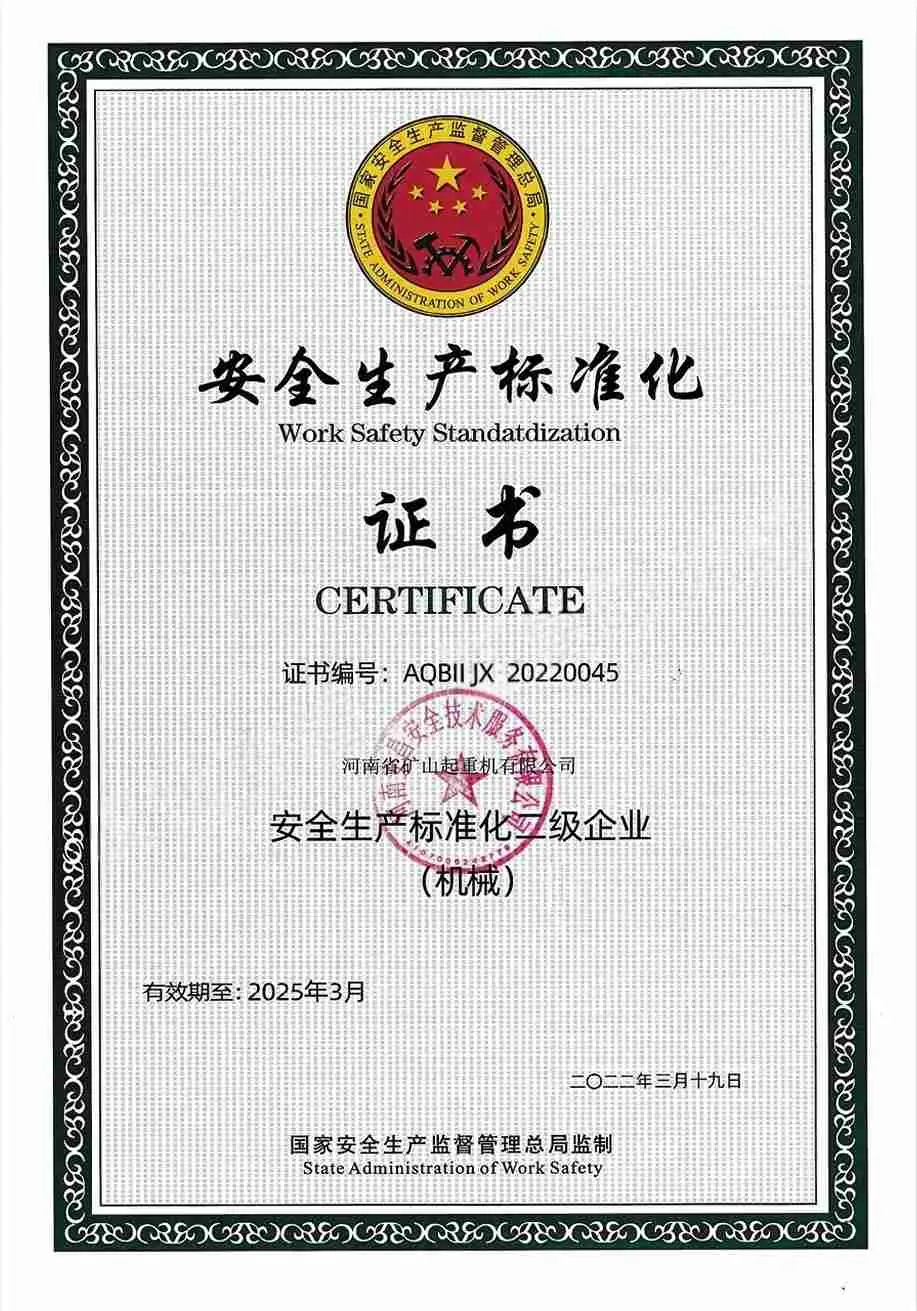
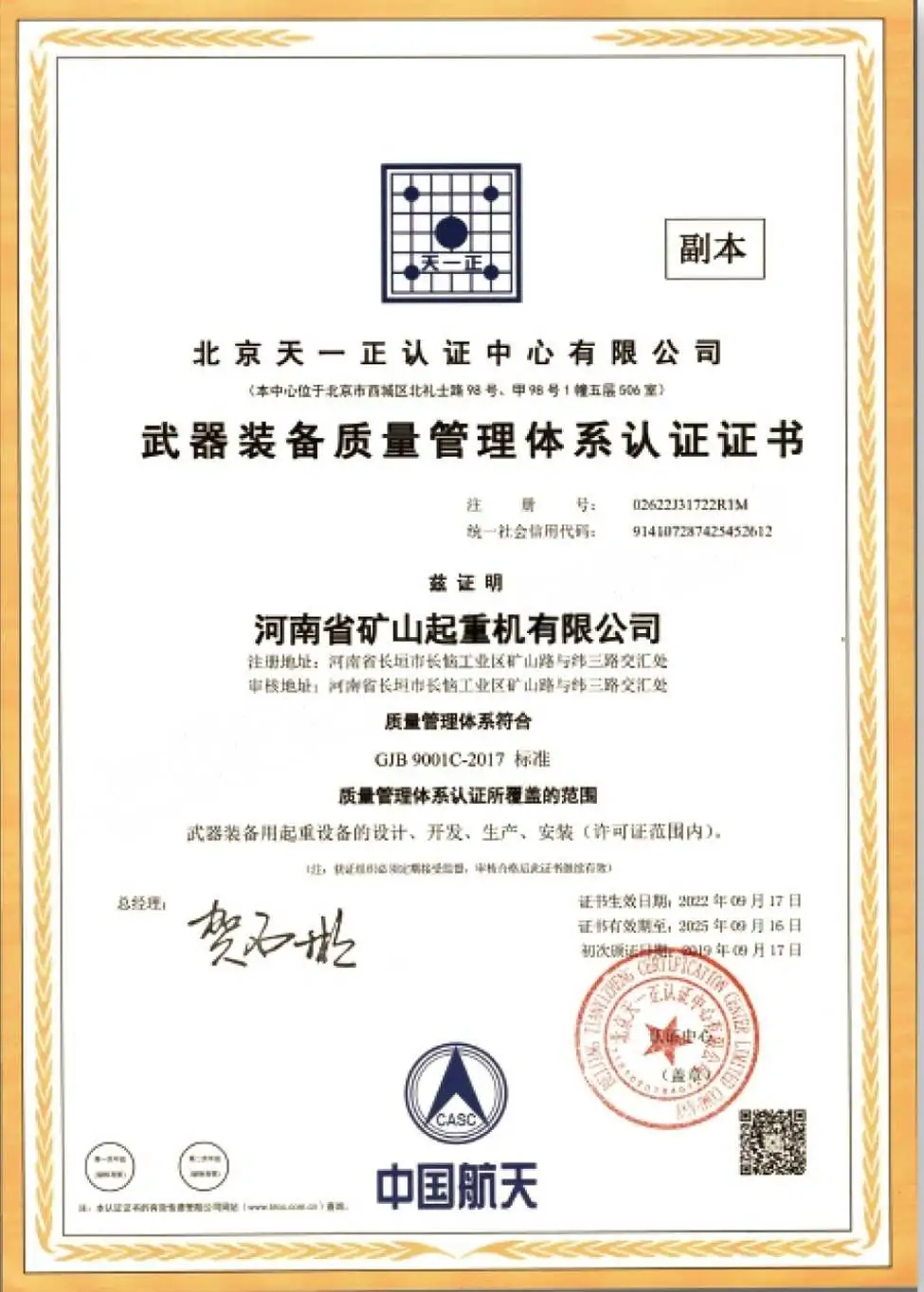
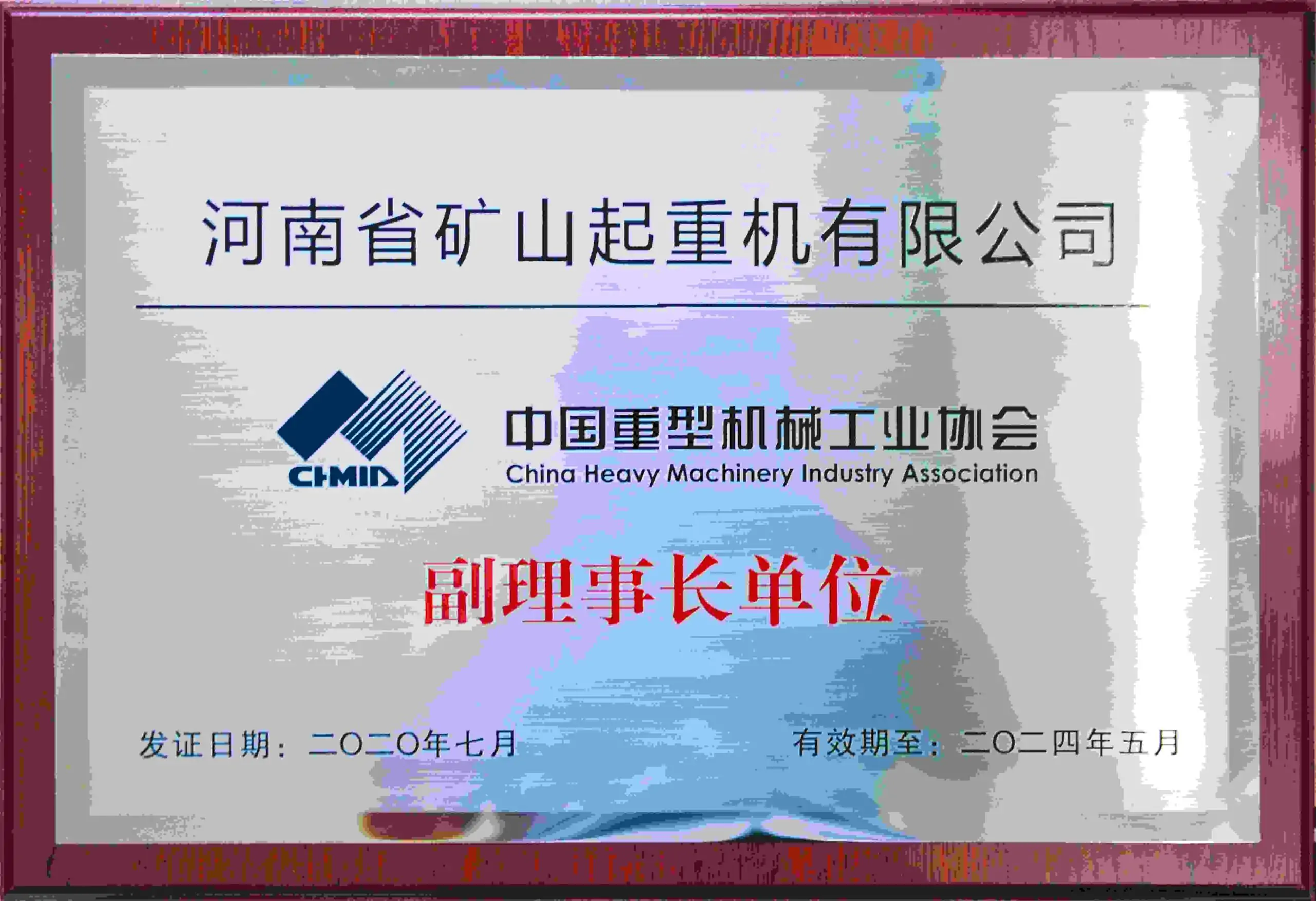
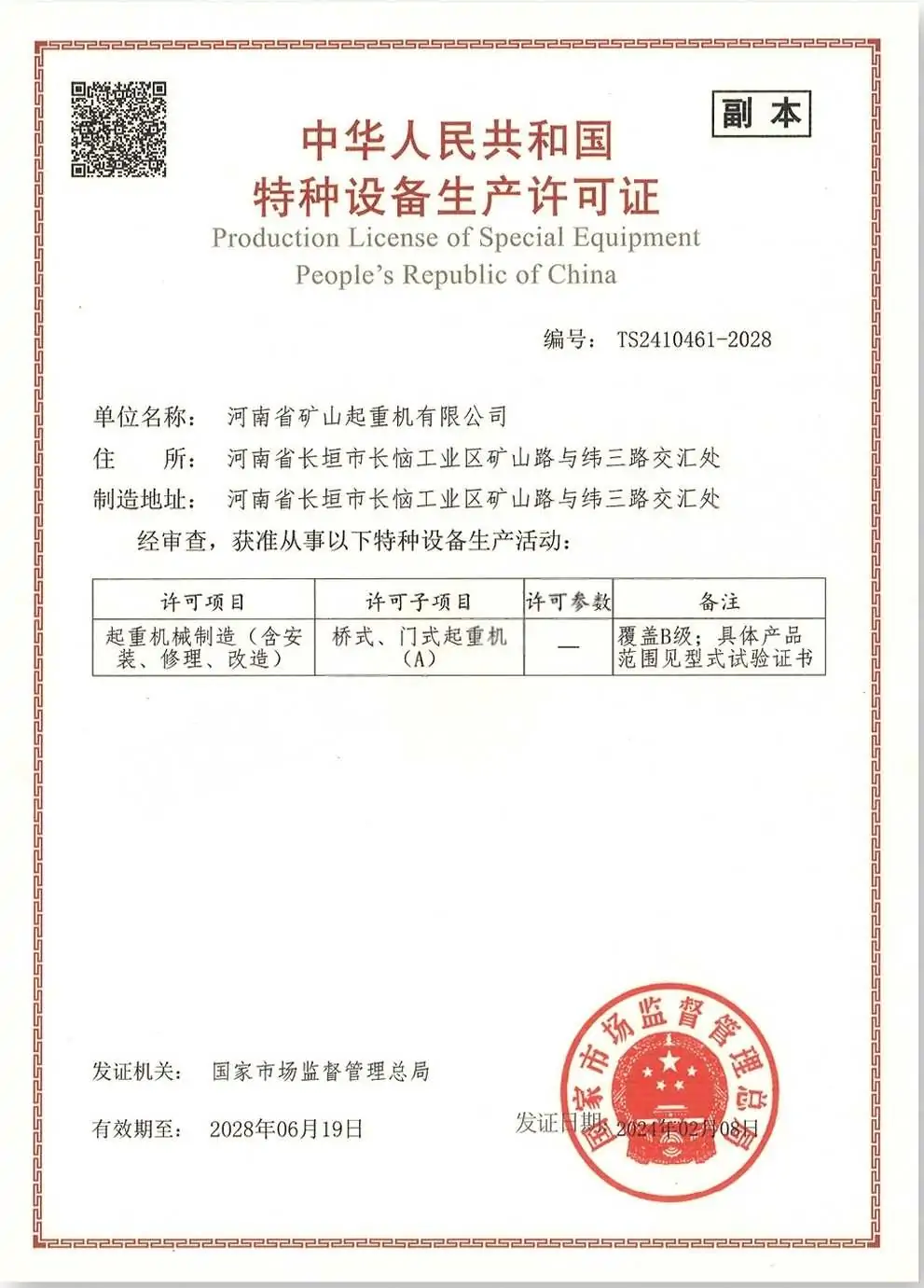
Our Patents and Certifications





Related Product Recommendations
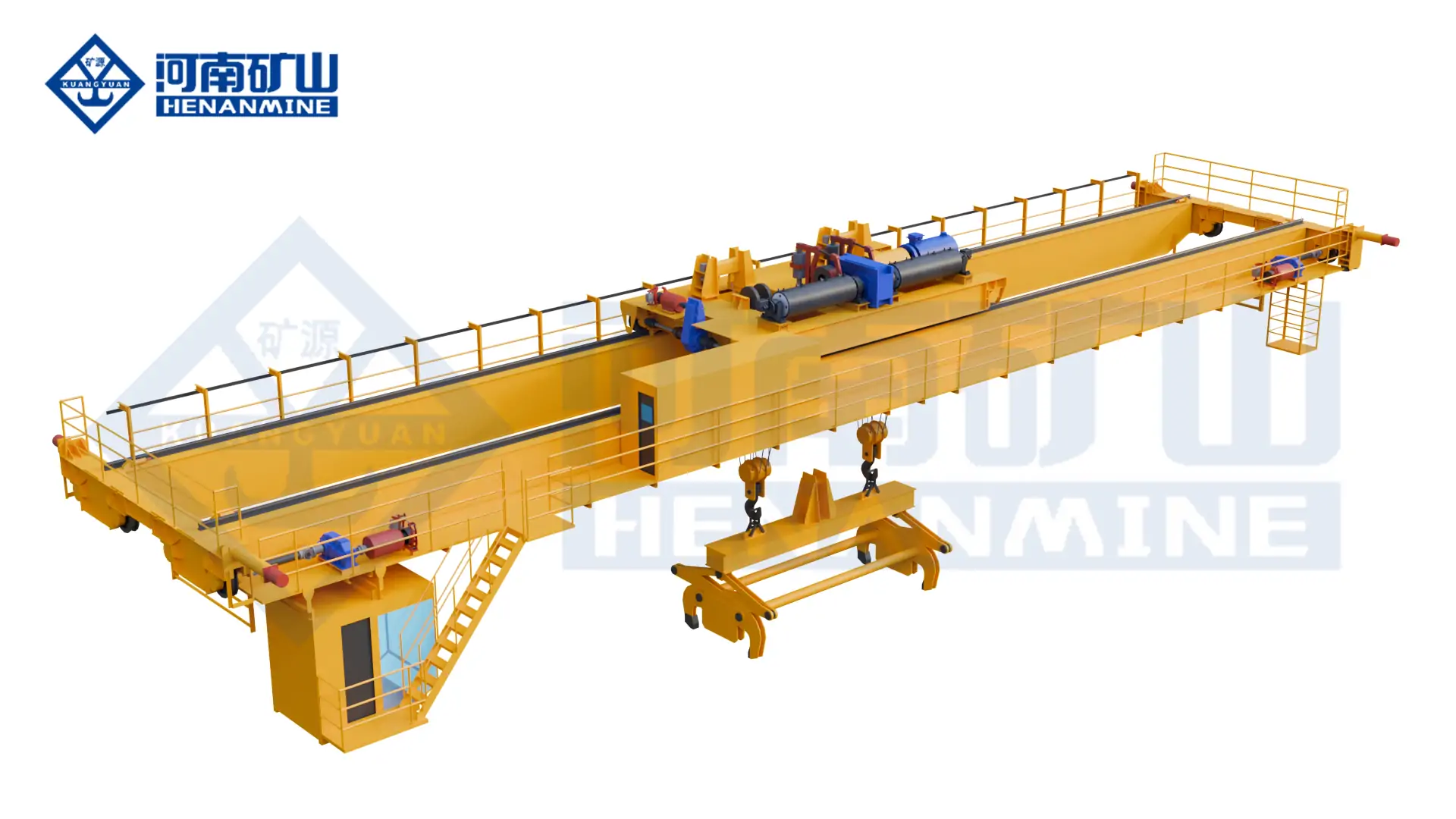
YB Slab Handling Crane
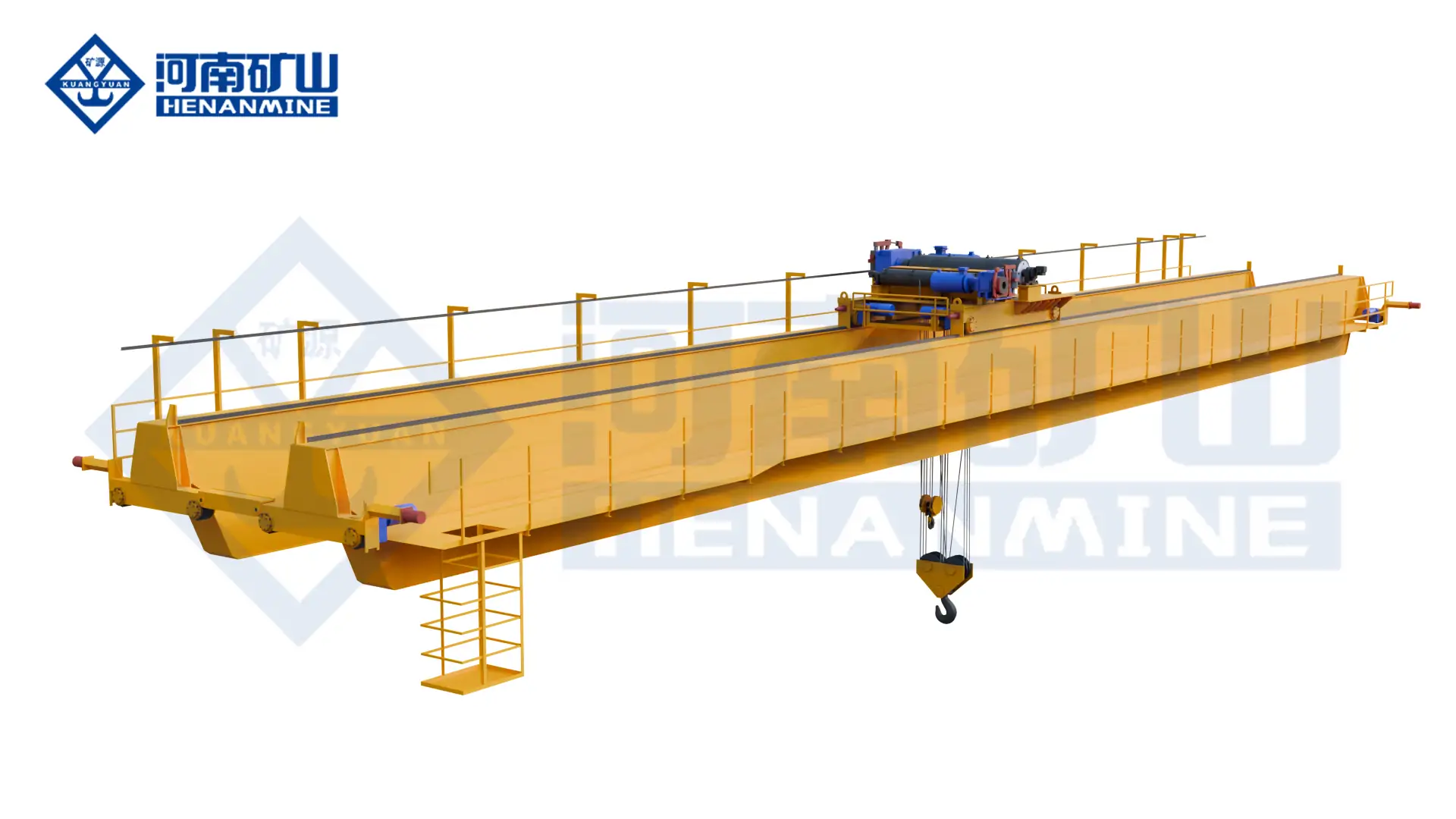
YH Quenching Crane
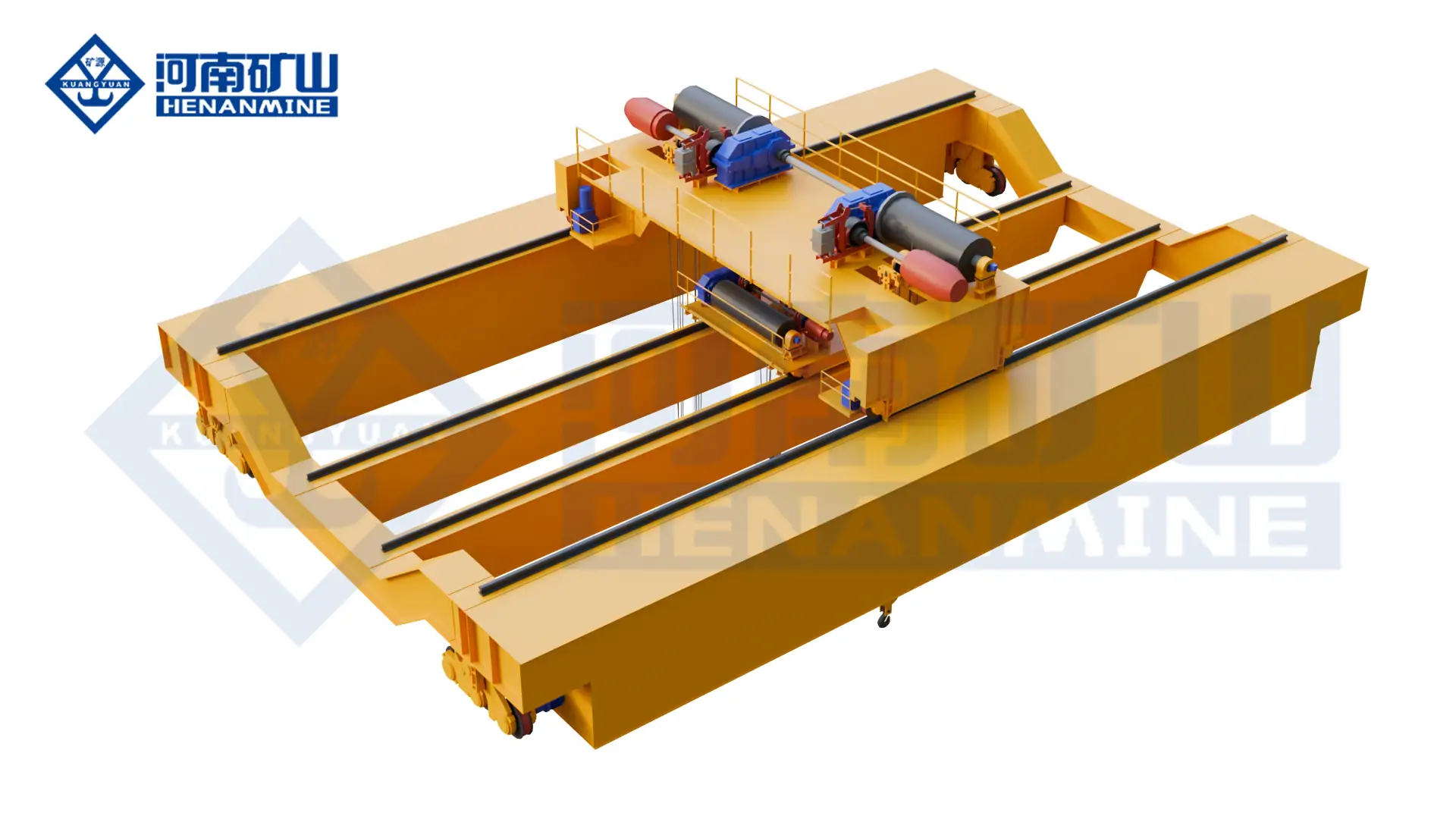
YZS Four-Girder Casting Crane
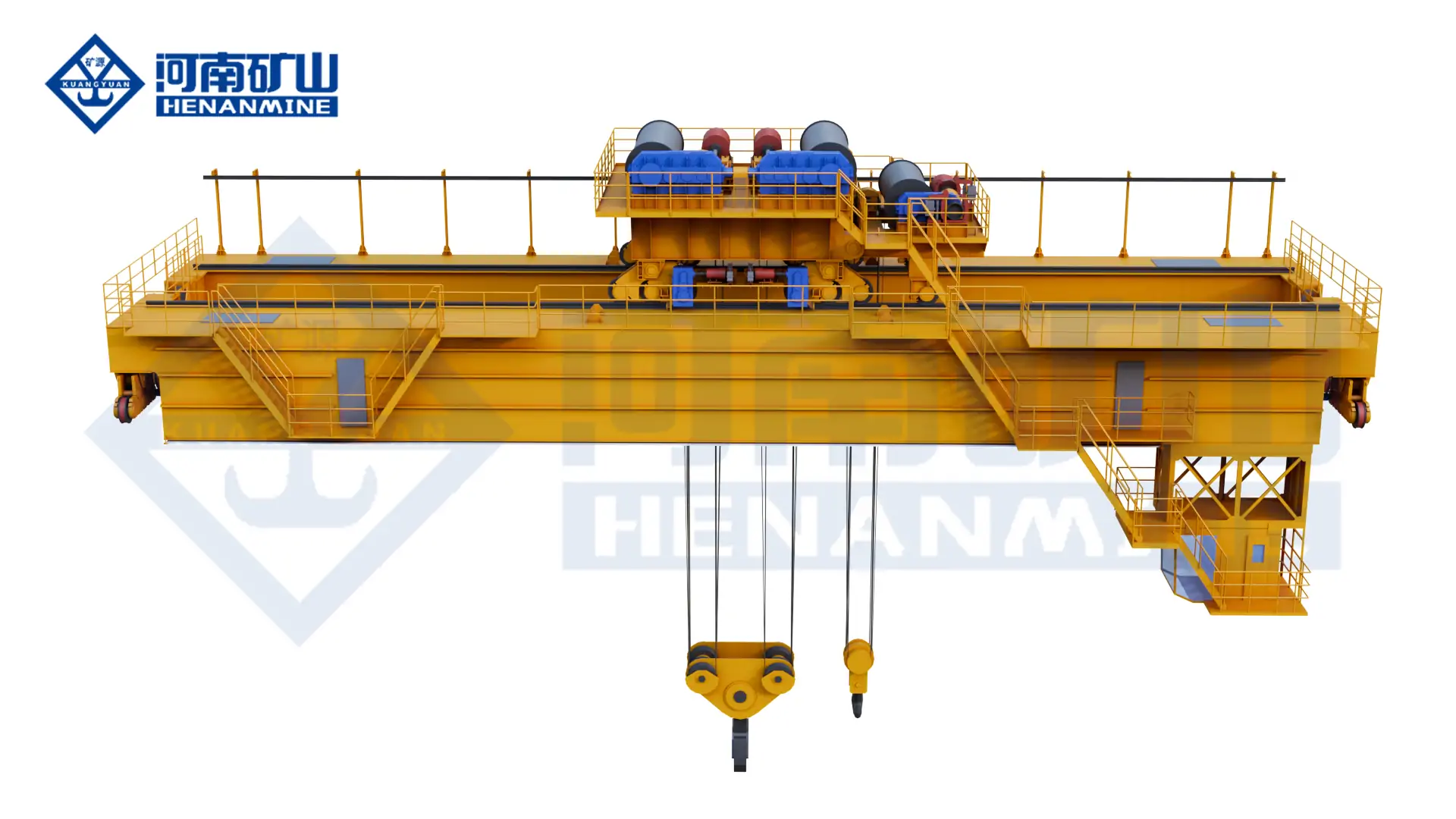
YZ Double-Girder Foundry Crane
YX Bin Crane
Become our distributor

YB Slab Handling Crane FAQs
-
What flexible cooperation options are available for international clients?Answer: We offer globally competitive cost-performance ratios and diversified international cooperation solutions! We provide multiple trade term options including FOB, CIF, and DDP, along with customized payment methods such as letters of credit, installment payments, and milestone-based project payments.
-
What is the difference between slab handling cranes and general-purpose overhead cranes?Answer: The core difference is reflected in three aspects: scene adaptation, structural design and safety configuration. General-purpose overhead cranes are general-purpose equipment that cannot adapt to the high-temperature radiation environment of metallurgical workshops.
-
What temperature information is needed for a slab crane?Provide slab surface temperature, ambient air temperature at crane level, radiant heat conditions and exposure time. Confirm the operating limits for the proposed crane and lifting attachment.
-
What should I check when comparing crane wheels?Ask for the proposed wheel material, rated wheel loads and rail requirements. Assess wheel service life against the expected duty and actual wheel and rail conditions.
-
What is the customization range of Slab Handling Crane?Answer: It can be customized in all dimensions, and can customize the equipment with rated lifting capacity of 20t-150t, span of 10m-39m, and lifting height of 5m-23m according to the customer's workshop dimensions, slab weight, and operation flow.
-
Which design standards and documents apply?State the destination and project requirements so the supplier can identify the applicable standards and editions. Ask for documents that cover the specific crane and its lifting attachment.
-
What information is needed to plan installation?Share the runway drawings, access clearances and available lifting equipment. Agree who supplies erection, commissioning and acceptance testing in the quotation.
-
How should maintenance be planned?Use the inspection intervals and maintenance instructions for the supplied crane and attachment. Agree access requirements and the spare parts list before installation.
-
What safety functions should be agreed before ordering?Confirm the required attachment status monitoring, travel limits and release interlocks with the supplier. Include each agreed function in the acceptance test plan.
-
Can the clamp be specified for different slab sizes?Provide the minimum and maximum thickness, width, length and weight, along with the surface condition and stack clearances. Confirm the clamp geometry and operating range for those slabs.
-
What determines the lead time?Ask for a schedule covering drawing approval, manufacture, testing, shipping and any on-site work. The dates depend on the agreed configuration and scope.
-
What should I compare in slab crane quotations?Compare the crane and attachment, heat protection, runway interfaces, controls, transport, installation, testing and spares. Use the same duty and scope when comparing supplier offers.
Operating Slab Handling Crane
-
Each crane must display a rated load capacity plate in a conspicuous location.
-
No personnel are permitted on the girder during operation, nor may the hook be used to transport persons
-
Operation is prohibited without a valid operator's license or under the influence of alcohol.
-
Operators must maintain full concentration during operation; talking, smoking, or engaging in unrelated activities is strictly forbidden.
-
Keep the crane clean and tidy; do not store equipment, tools, flammable materials, explosives, or hazardous substances haphazardly.
-
Do not overload the crane.
-
When operating along obstacle-free paths, the hook, lifting device, or bottom surface of the load must remain at least 2 meters above ground level. When crossing obstacles, the load must clear the obstacle by at least 0.5 meters
-
For loads under 50% of rated capacity, both lifting mechanisms may operate simultaneously. For loads exceeding 50% of rated capacity, only one mechanism may operate.
-
.For bridge cranes equipped with main and auxiliary hooks, do not simultaneously raise or lower both hooks (except under special circumstances).
-
Welding or hammering on suspended loads, or working beneath suspended loads, is prohibited (except when properly supported).
-
Inspection or maintenance work may only be performed after power has been disconnected and a “Do Not Operate” sign is displayed on the power switch. If live work is unavoidable, implement safety measures and assign dedicated supervision.
-
Do not throw objects from the vehicle indiscriminately.
-
Regularly inspect limit switches and interlock protection devices.
-
Do not use limit switch impact as a stopping method.
-
Do not lift or lower loads when hoist brakes malfunction.
-
Do not operate the hoist above personnel or equipment.
-
When welding any part of the crane, use a dedicated ground wire; do not use the crane body as a ground.
-
When the hook is at its lowest position, ensure at least two full turns of safety rope remain on the drum.
-
Cranes must not collide with each other; using one crane to push another into operation is strictly prohibited.
-
When lifting heavy objects, molten metal, explosives, or hazardous materials, first slowly raise the load 100–200 mm off the ground to test brake reliability.
-
Maintenance and inspection lighting must operate at voltages below 36V.
-
All electrical equipment enclosures on bridge cranes must be grounded. If trolley rails are not welded to the main girder, grounding measures must be implemented. Grounding conductors may use galvanized flat iron with a cross-sectional area exceeding 75mm², bare copper wire of 10mm², or galvanized round steel exceeding 30mm². The operator's cab or crane body shall have more than two grounding points. The grounding resistance from any point on the crane to the power supply neutral point shall be less than 4Ω.
Directly state your needs and receive professional advice!
The project was delivered on time and landed safely

Improve efficiency

Avoiding risks
