
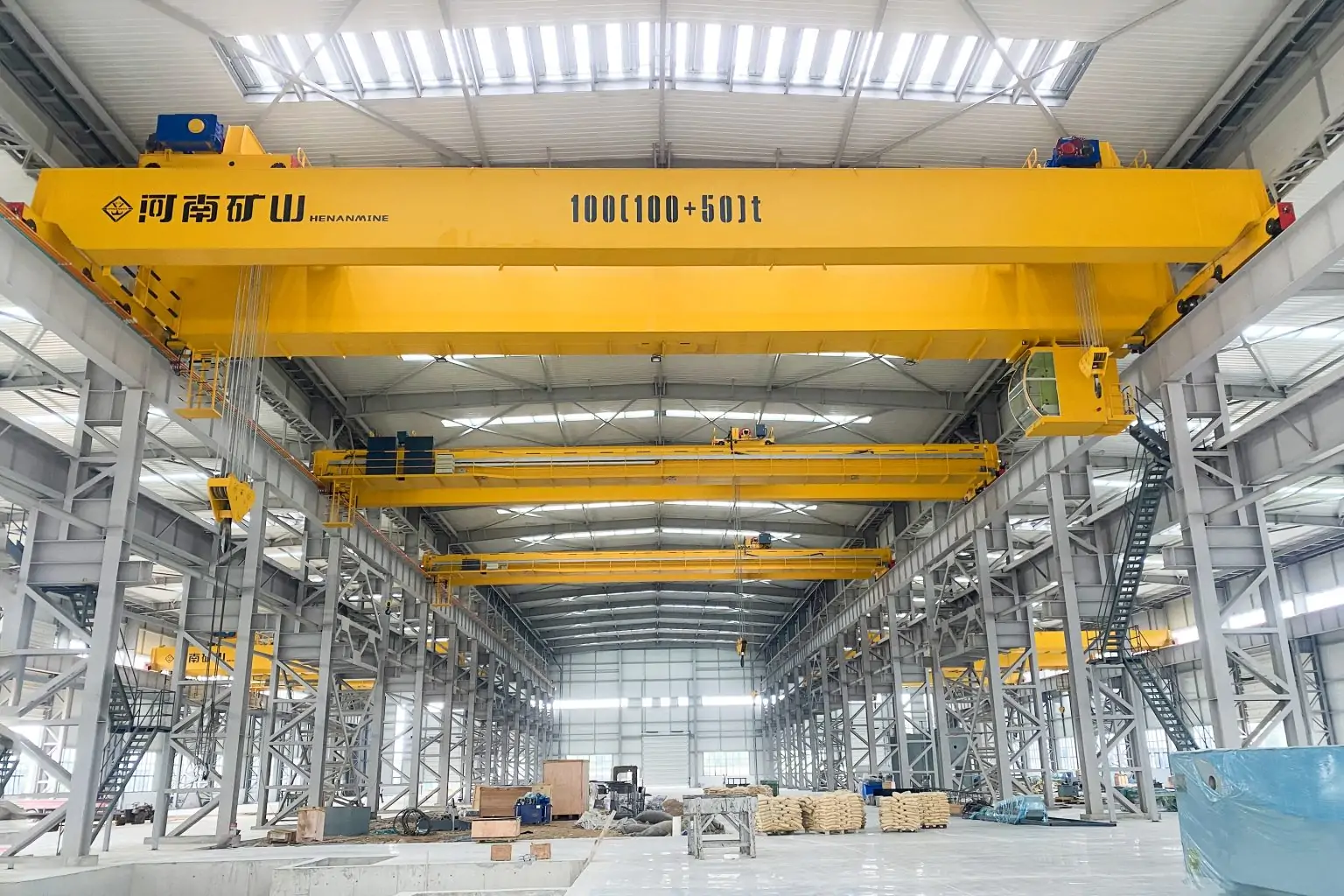
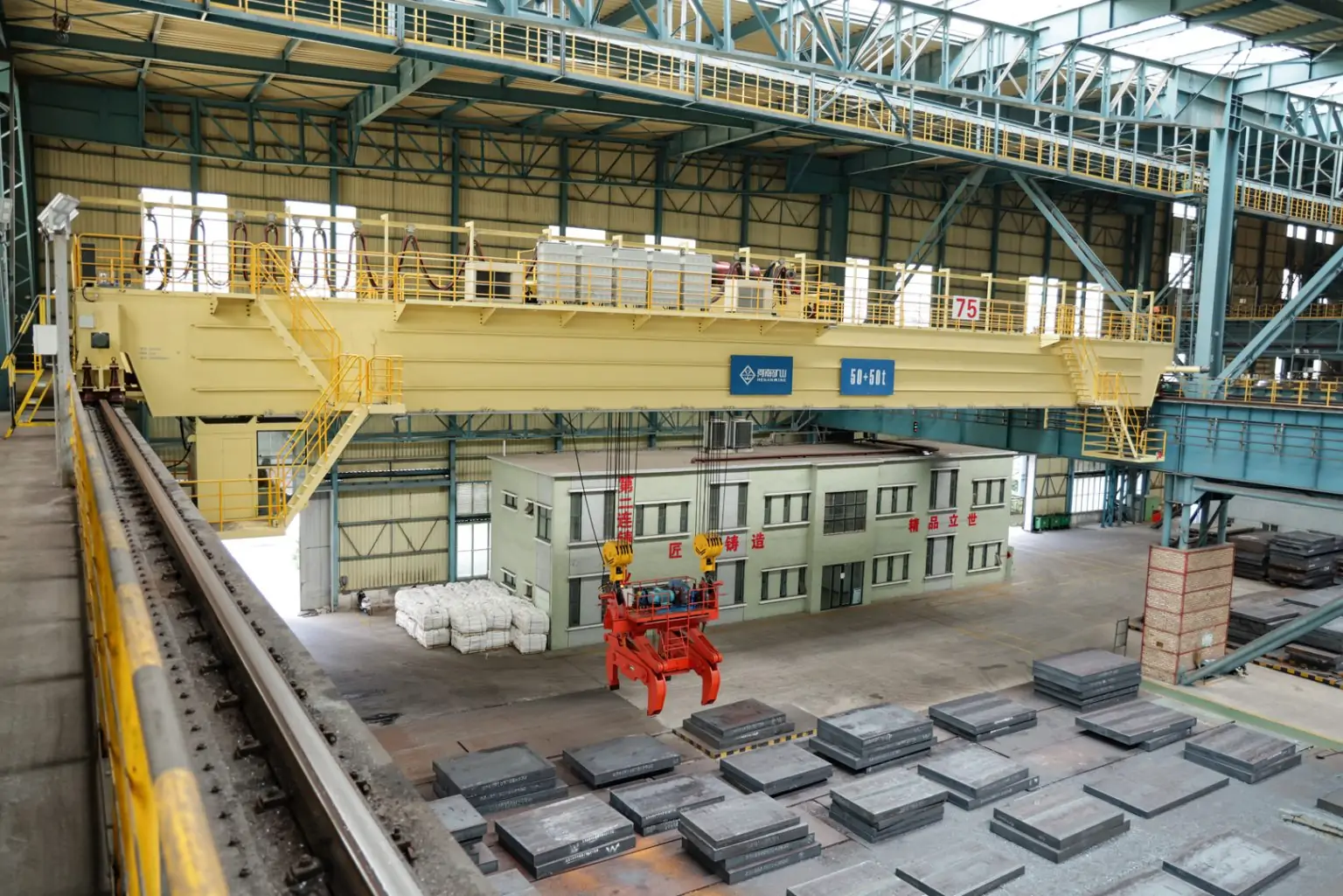
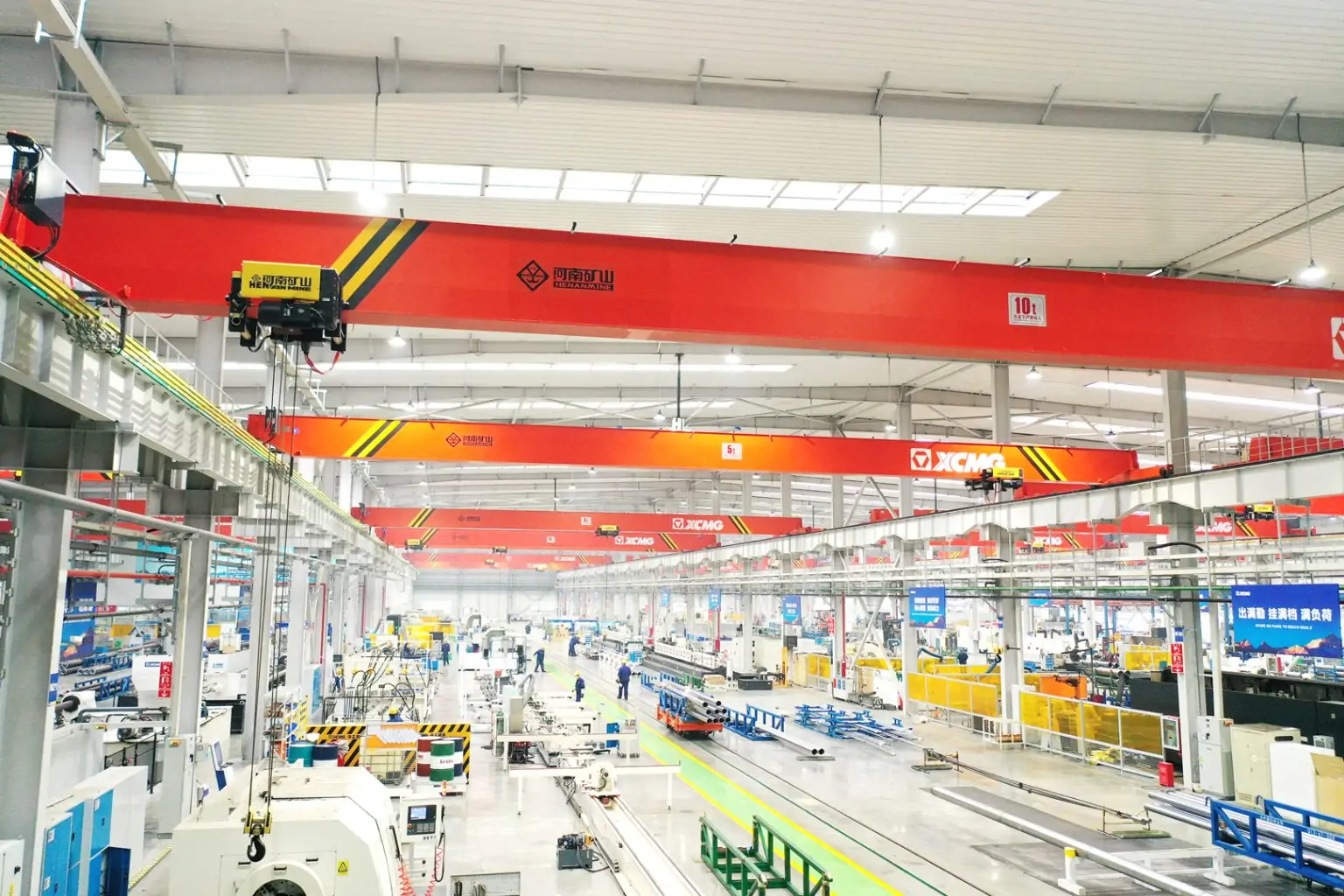
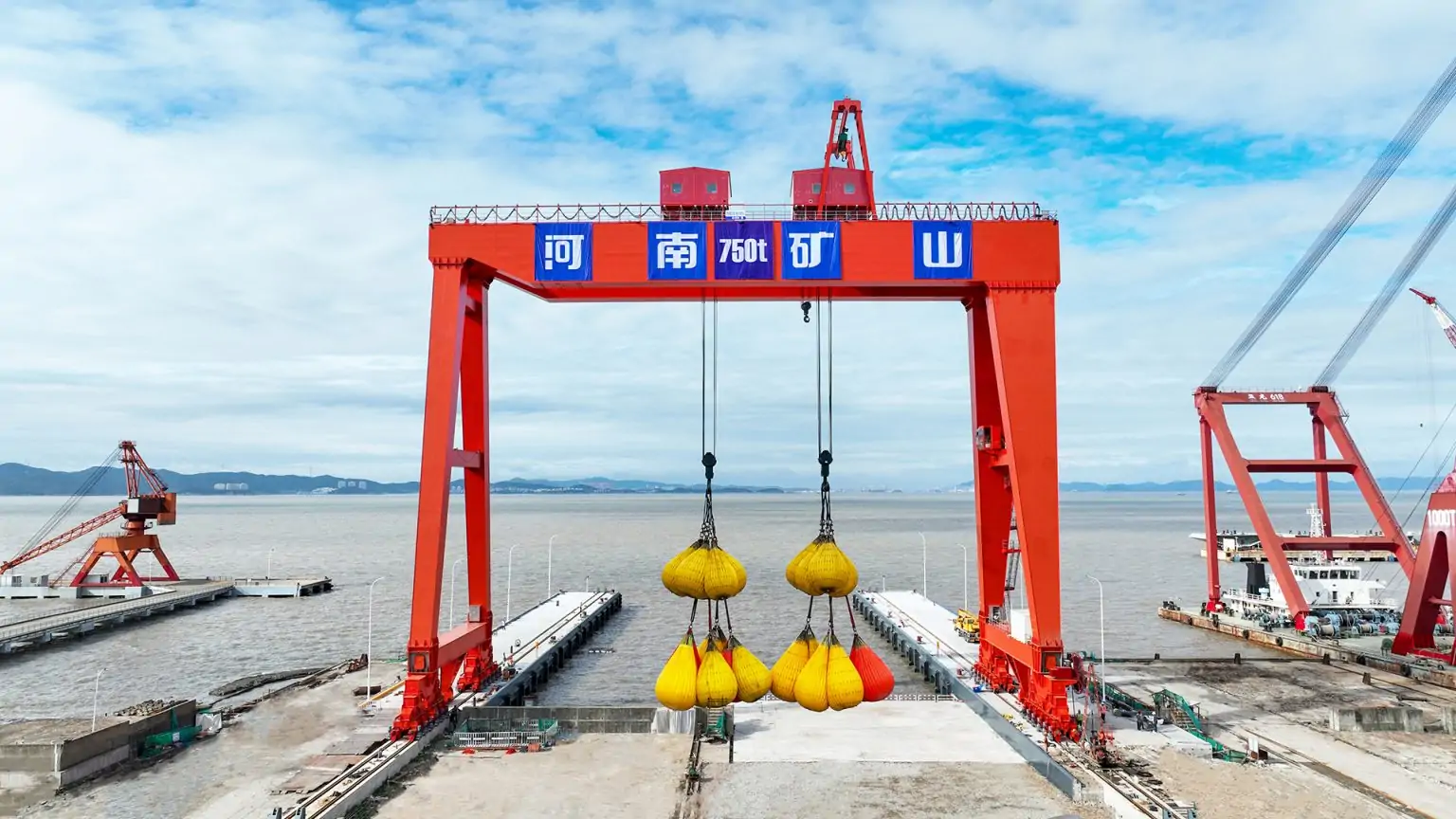
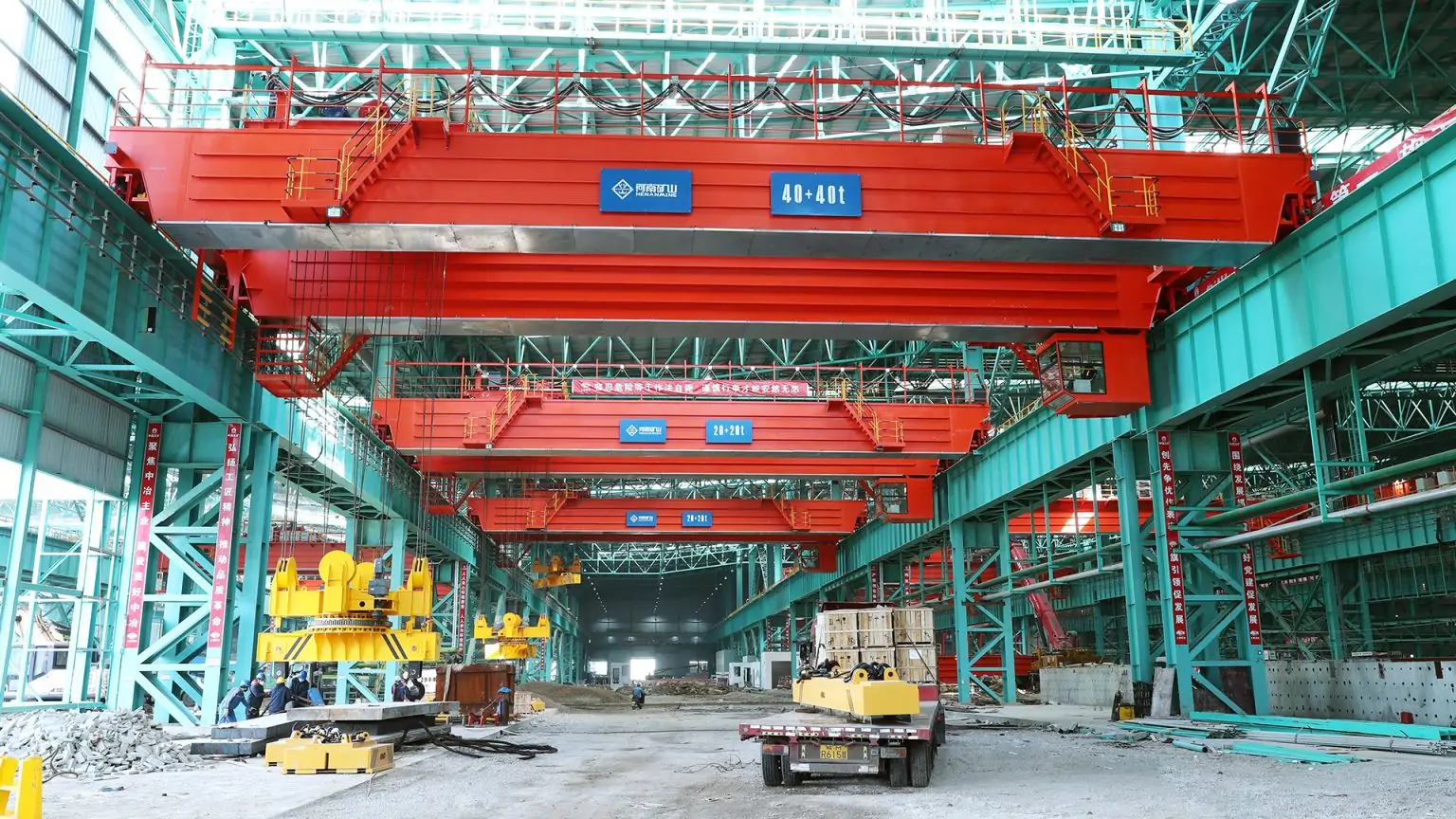
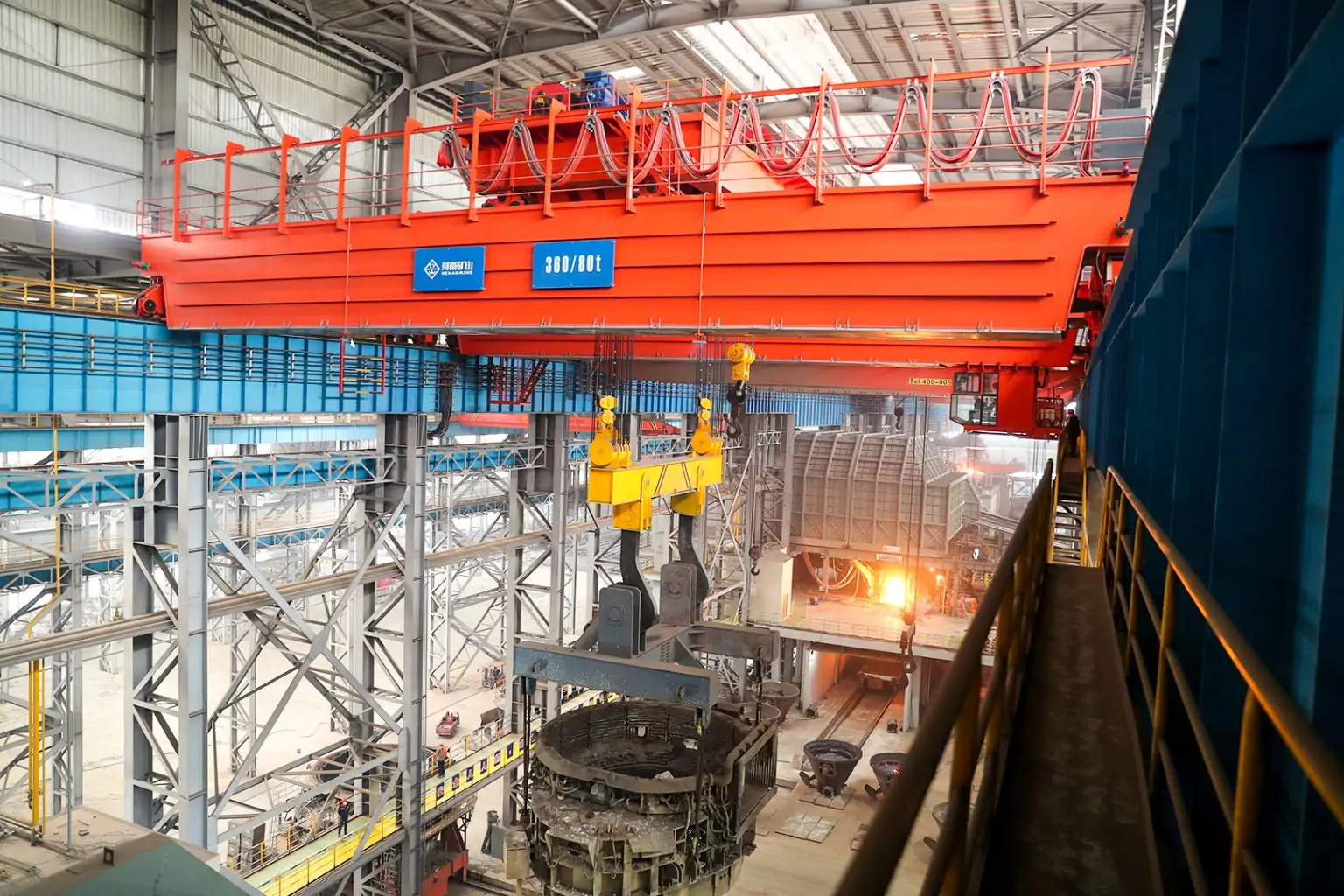
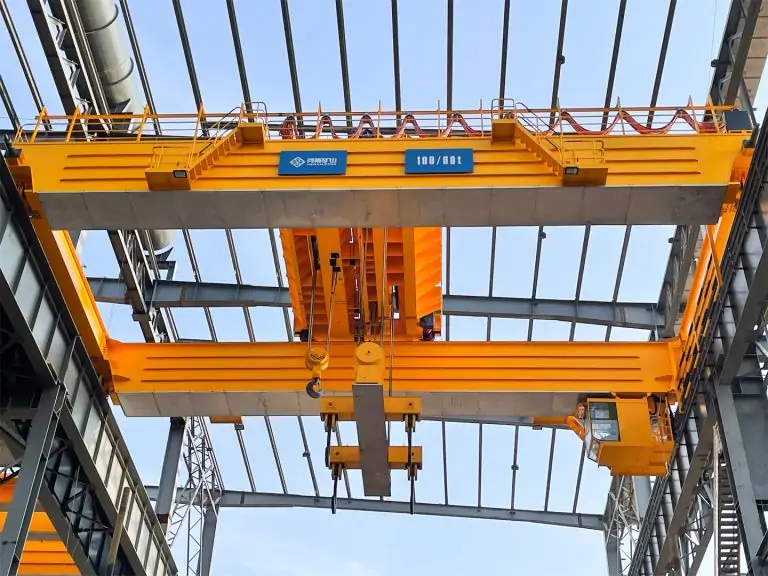
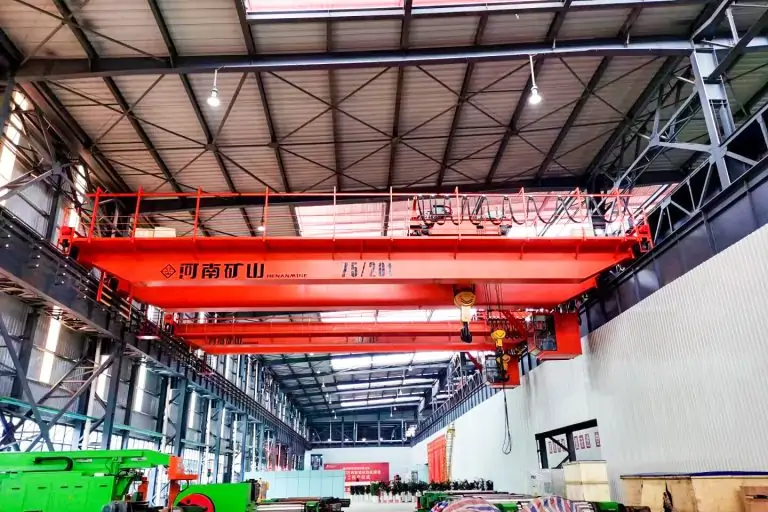
How to Select Rail-mounted Gantry Cranes for Automated Port Operations
This article provides port planners, terminal operators and equipment procurement engineers with a set of scientific and systematic rail-mounted gantry cranes (RMG) selection framework, which covers the essential differences between RMG and RTG, evaluation of key technical specifications, automation level and control system integration, energy solutions and whole life cycle cost control, safety compliance standards, as well as mainstream supplier evaluation and procurement testing of the whole process strategy.
Why RMG is the Mainstream Choice for Automated Ports
Continued growth in global container throughput is reshaping the logical boundaries of port equipment decision-making. 2024 will see the Shanghai port handling more than 50 million standard containers (TEUs), with hub ports such as Singapore and Rotterdam expanding their throughput capacity at the same time, which means that any single wrong equipment selection could result in hundreds of millions of dollars in long-term losses.
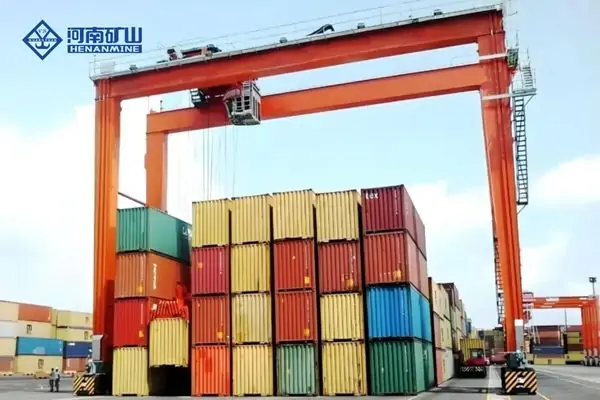
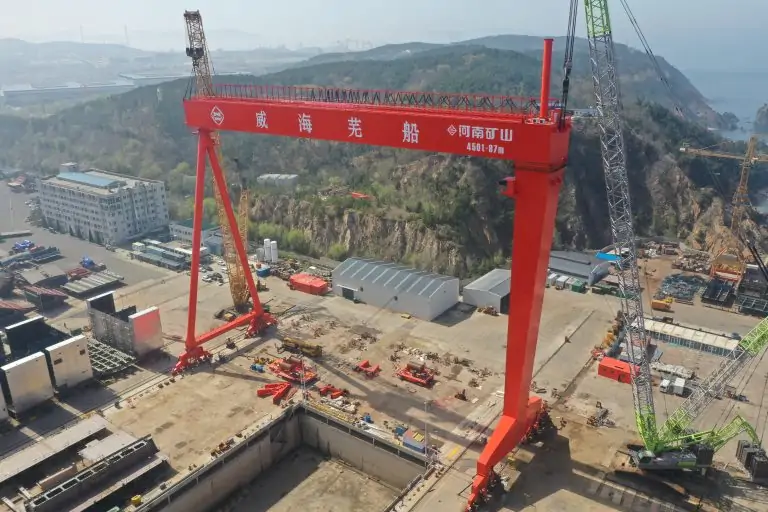
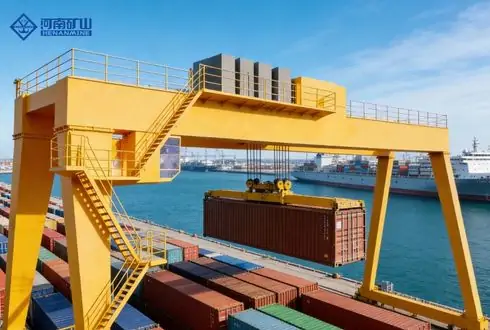
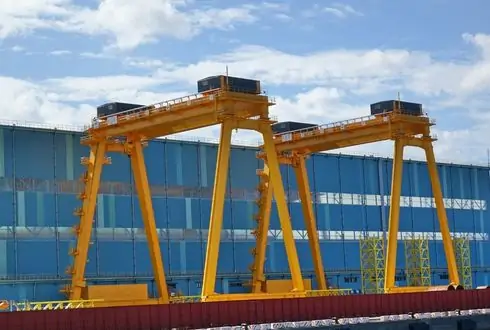
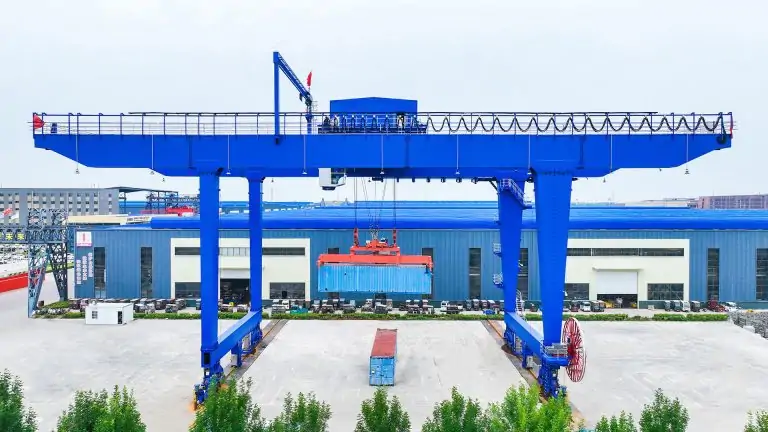
In this context, Rail-Mounted Gantry Crane (RMG) is becoming the preferred yard equipment for large-scale automated terminals due to its high-precision feature of fixed rail operation.
Difference in Automation Realisation Path between RMG and RTG
The core difference between RMG and RTG lies in the automation path: RTG relies on rubber tyre movement, which is prone to positioning errors and difficult to achieve full automation;
RMG runs along a fixed track with controllable trajectory and can integrate laser positioning and other technologies to achieve unmanned operation. According to the China Communications and Transportation Association data, the current domestic inland port RTG accounted for 95%, the industry predicts that, with the automation and environmental protection needs to improve, RMG will become the mainstream yard equipment in the future.
RMG and RTG Economic Boundaries and Site Suitability
From the point of view of economy and site suitability, for large ports with annual throughput of over 500,000 TEU, the higher initial investment of RMG can be covered by lower operating costs and higher site utilisation.
Its fixed track can increase the density of stacked containers, which is effective when deployed in high-density terminals such as the Port of Singapore; while small and medium-sized ports and sites with variable layouts are more suitable for RTGs with flexibility advantages.
Systematic Engineering Attributes of RMG Selection
For large-scale automated ports, the selection of RMGs should not be seen as a simple equipment purchase, but rather as a systematic engineering decision covering civil, electrical, control, information, and operation modes.
The next section of this paper provides a selection framework that can be directly applied to RFQs and internal decision making, based on five dimensions: technical specifications, level of automation, energy solutions, safety compliance and supplier evaluation.
Core Technical Specification Evaluation
Lifting Capacity
RMG selection requires a clear definition of the core benchmark parameter of lifting capacity, which directly determines the complexity of the equipment structure, the manufacturing cost and the match with the yard's operational needs.
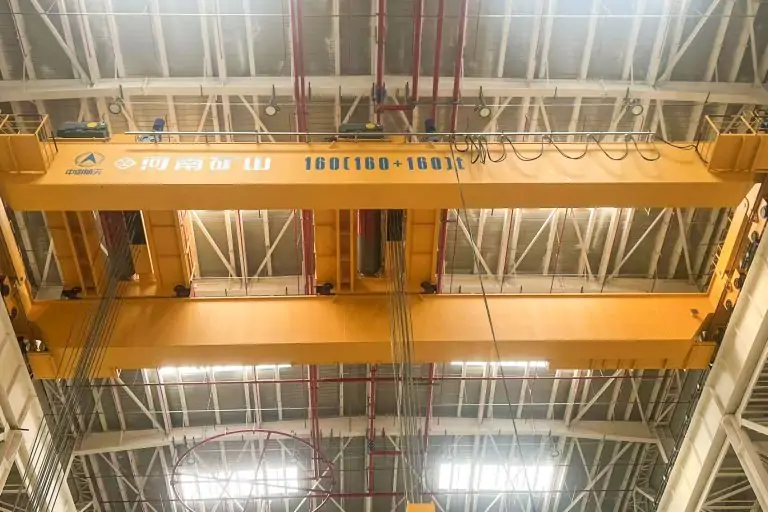
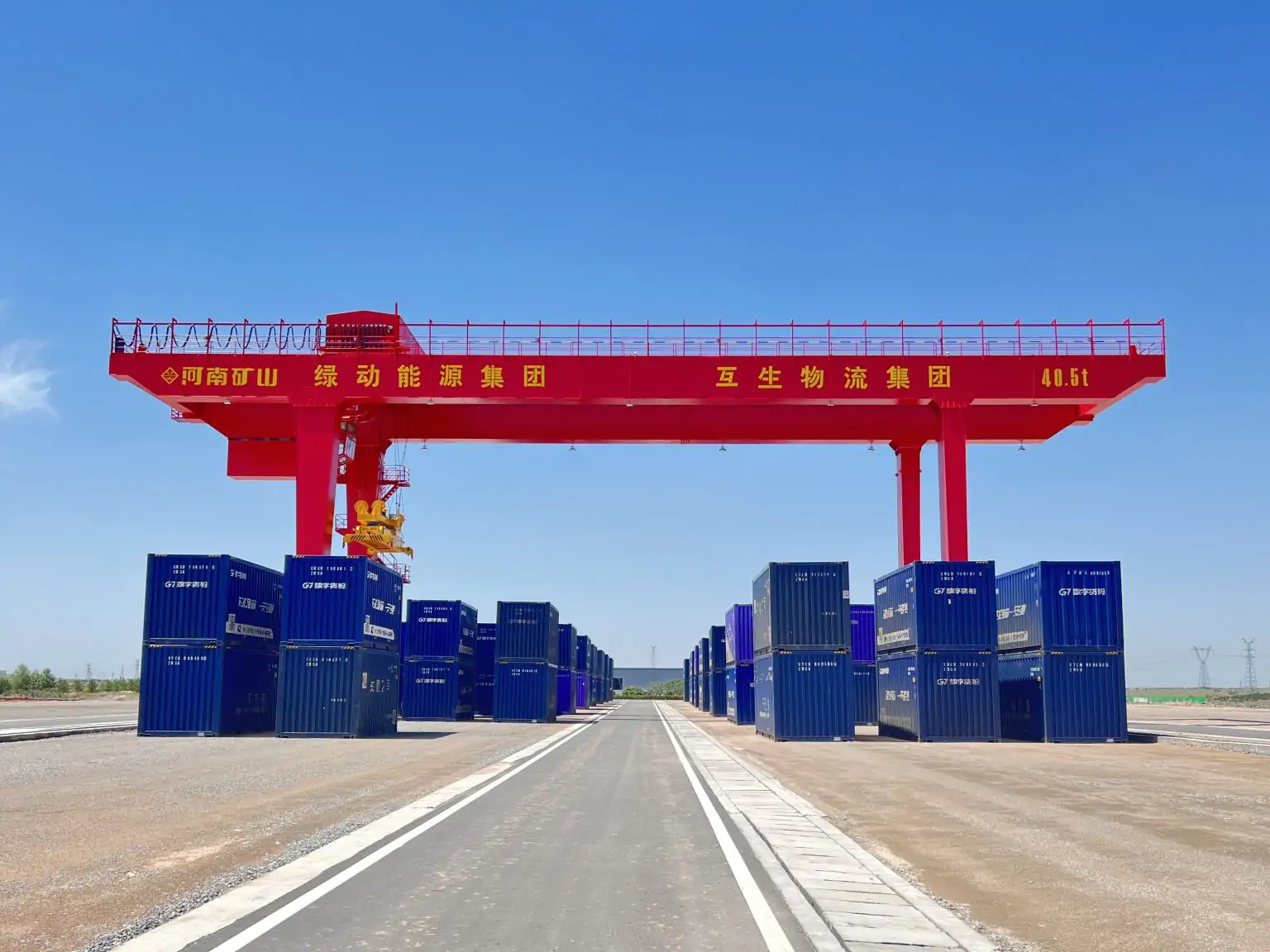
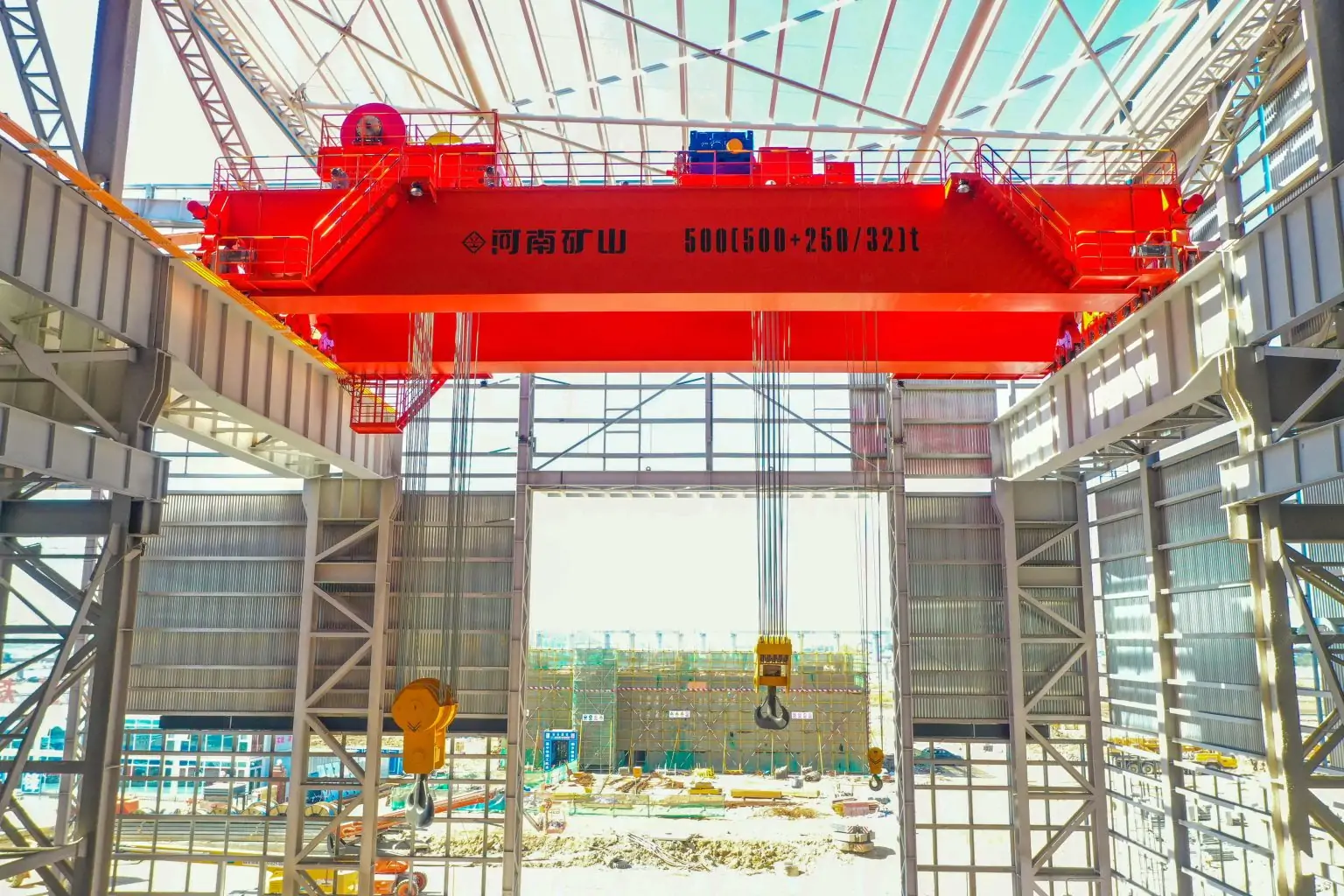
Currently, the rated lifting capacity of RMGs in mainstream ports is concentrated in 35 tonnes, 40.5 tonnes and 50 tonnes, and the heavy-duty model with double containers can reach up to 65 tonnes, such as the customised model provided by Liebherr for the Port of Montreal-Termont in Canada.
Span and Lift Height
Span (spacing between the outer edges of the two tracks) is the key to the density of the yard layout, the mainstream range of 25-80 metres, the larger the span of a single unit to cover the number of container columns more, suitable for the port of land constraints;
The lifting height is expressed as ‘1 over N’, commonly 1 over 4 (small and medium-sized terminals), 1 over 5-6 (large ports), and the special model for empty containers can be up to 1 over 8, such as the model provided by ZPMC for the new port of Busan in South Korea, with a lifting height of 26.8 metres, which can increase the container capacity by more than 30%.
Operation Efficiency and Spreader Selection
The daily handling capacity of excellent RMG single machine should be more than 300 TEU, and the high-end fully automated model can stably operate more than 30 containers per hour. Spreader selection needs to match the box type:
Standard 20/40 feet boxes can be used telescopic spreader, mixed 20/40/45 feet boxes need full telescopic rotatable spreader; at the same time, it is necessary to reasonably match the running speed of the big car and the small car, and the procurement specification should specify the rated speed, acceleration requirements and FAT measurement data.
Requirements for Equipment Working Level
The working level of the equipment (Duty Cycle) determines the durability of structural components and mechanism, and it should refer to FEM or equivalent ISO standard (A1-A8), and the high-frequency operation of port containers requires A7-A8 level, and there are clear requirements on the design margin of main beam, trolley frame and electrical components, and the specification specifies the working level to prevent suppliers from bidding for low standards.
Automation Level and Control System Integration
Classification of Automation Levels and Applicable Scenarios
RMG automation level is divided into three clear levels, procurement needs to be clearly positioned in the project planning stage:
- Manned: The driver operates the machine directly from the cab, which is suitable for sites with small workloads and frequent layout changes;
- Semi-automated mode (Semi-Automated): the system automatically completes the precise positioning of the spreader and the stacking action, and the driver is only responsible for the travelling of the big vehicle and the abnormal intervention, which can reduce the operation fatigue and improve the consistency of the operation;
- Fully automated mode (A-RMG): no one intervenes in the whole process from truck scheduling to spreader loading, and the central control system unifies the scheduling, which has been stably operated in many top automated terminals in Europe and Asia.
Core Technology Support of Fully Automated A-RMG
The realisation of fully automated A-RMG relies on the synergistic fusion of multiple sensors and positioning technologies: laser ranging sensors provide millimetre-level positional feedback (high-end systems have an accuracy of ±25mm);
The OCR camera system automatically reads the box number and compares it with the yard management data; the AI vision system is responsible for obstacle detection, box top inspection and anti-lifting correction; and the RFID tags can realise the secondary confirmation of container identity.
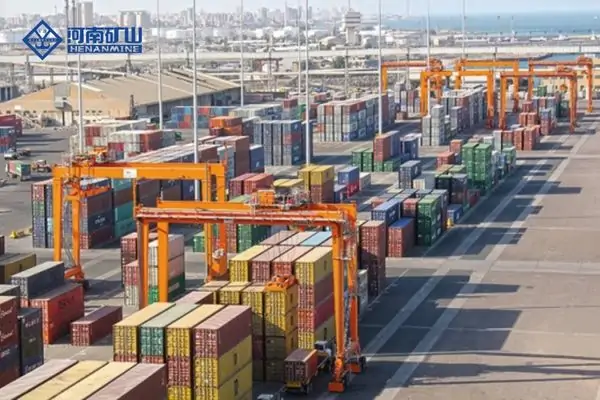
Integration Points of Automation RMG and TOS System
The quality of integration between A-RMG and Terminal Operating System (TOS) is the core of determining the overall effectiveness of the system, and it is also a technical difficulty that is easily underestimated in procurement.
A-RMG needs to exchange task commands and status data with TOS, maintenance management system, and berth scheduling module in real time, but most of the existing TOS lacks the native support of fine-grained status telemetry, which is easy to lead to the underestimation of integration works and risks.
Purchasers need to focus on the compatibility analysis of existing TOS interfaces, and clarify the responsibility of TOS transformation in the contract; at the same time, control software upgrades, network security patches and other long-term cyclical costs, which need to be included in the total life cycle cost (TCO) model, and can not be regarded as a one-time investment.
Automation Upgrade Path Suggestion
For terminals that plan to gradually promote automation, it is recommended to choose a modular design solution with a smooth upgrade path of ‘manual → semi-automatic → fully automatic’.
For example, the evolution path provided by Henan Mine Crane allows the terminal to go into operation in manual or semi-automatic mode at the initial stage, and then gradually switch to fully-automatic mode after the operation is stabilised, which effectively reduces the risk of one-off modification and the time of operation interruption, making it the preferred upgrade strategy for medium-sized ports.
Energy System and Power Supply Solution
Mainstream Power Supply Architecture and Applicable Scenarios
The choice of power supply system is a strategic decision in RMG selection, directly affecting operating costs, site layout and carbon footprint. Currently, there are three mainstream power supply architectures, each with their own applicable scenarios:
- Cable Reel: Suitable for longer travelling scenarios, flexible installation, but cable wear and tear requires regular maintenance;
- Busbar: simple structure, high reliability, suitable for standardised sites with stable fixed track lengths;
- Drag chain (Energy Chain): easy to install in short and medium travelling scenarios, with low maintenance costs.
- Core Advantage: Regardless of the architecture, the RMG all-electric drive can significantly reduce fuel consumption and carbon emissions compared to diesel RTGs, which meets the requirements of green port policy compliance.
Core Energy Saving Technology and Application Effectiveness
The core of RMG energy saving lies in the combination of Variable Frequency Drive (VFD) and regenerative braking technology:
- Regenerative braking system: The kinetic energy generated by the braking and lowering of the lifting mechanism can be converted into electrical energy and fed back to the power grid, reducing the energy consumption of the whole machine by 30%-40%, and saving considerable annual electricity costs for high throughput terminals;
- Active Front End (AFE) rectifier units: Available from some leading manufacturers, this configuration reduces harmonic pollution while improving grid return efficiency, contributing to carbon accounting and reducing power infrastructure capacity requirements.
Key points for Whole Life Cost (TCO) Modelling
Rational selection needs to be based on modelling from a TCO perspective, clarifying the difference between initial CAPEX and long-term operating costs:
- Initial Capital Expenditure (CAPEX): $1-6 million for a single machine (higher prices for fully automated, customised configurations), $500,000-1 million per hundred metres of track construction and laying, and automation and control system integration costs need to be estimated separately;
- Advantage of operation cost: the labour, fuel and maintenance cost of RMG operation stage is much lower than diesel RTG;
- Applicable scenarios: the TCO advantage of RMG is especially prominent in ports with an annual throughput of over 500,000 TEU and a life cycle of 15-20 years, especially adapted to markets with high labour costs and high fuel tax rates.
Cutting-edge Technology Applications and Selection Requirements
5G and digital twin technologies have become competitive standards for RMG energy management and O&M, and selection needs to be focused:
- 5G wireless communication: with low-latency core features, it can realise real-time collaborative scheduling between RMG, AGV and TOS systems, efficiently reach closed-loop optimisation of yard operations and improve overall operational efficiency;
- Digital twin platform: it can accurately simulate the operating status of cranes, test scheduling strategies and carry out training for operation and maintenance personnel, which can effectively shorten the commissioning cycle of the project and reduce the cost of commissioning and time cost;
Selection requirements: the above technologies should be clearly written into the technical specifications as the core consideration dimension for supplier evaluation.
Safety Standards and Compliance Requirements
The safety design of port RMG should comply with the three core international standards of FEM, ISO 1161 and IEC 61508, which should be clearly cited in the contract and acceptance documents, and the automated RMG should be validated according to the SIL level design stipulated in IEC 61508.
Anti-sway control system is the key to safe and accurate operation, excellent programme can control the spreader swing angle within ± 0.5 °, Konecranes ALC technology and domestic mainstream dynamic algorithms have reached the standard, the procurement needs to require the supplier to provide measured data and FAT validation procedures.
Anti-collision system is the core of automated RMG safety, modern models integrated multiple detection mechanisms (ZPMC Busan Newport programme for high-end configuration), low-priced single-sensor programme is risky, procurement needs to be provided by the supplier of reliability data and operating records.
Fail-safe braking system is an emergency safety guarantee, need to meet the power failure automatic clamping brake; coastal scenarios need to match the IP54 or more electronic control cabinets, IP65 or more exposed sensors, the relevant terms need to be included in the procurement of technical annexes.
Procurement Strategy and Acceptance Test
Cost structure classification and management points
RMG project cost should be divided into three independent accounting buckets, and the procurement team should manage them separately and quantify them accurately:
- Mechanical and civil construction costs: including track, foundation, gantry main structure and other related expenditures;
- Mechanical & Electrical Upgrade Costs: covering upgrade and procurement costs for drive systems, encoders, spreaders, lock actuators, etc;
- Control and integration costs: covering PLC/RTU, safety controllers, edge computing devices and TOS system interface integration costs.
- Core management value: Separate quantification can accurately identify the source of cost overruns, and avoid the unreasonable operation of suppliers ‘suppressing equipment quotes and raising integration costs’.
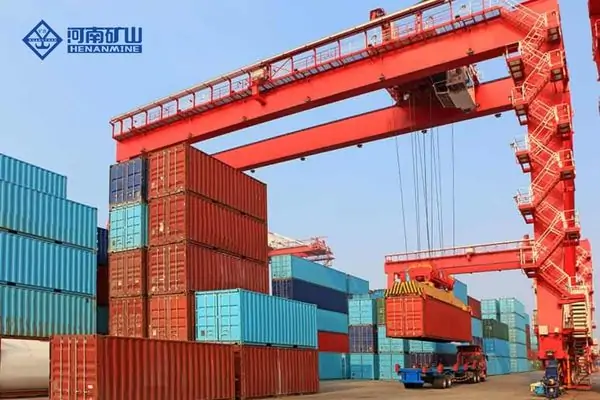
FAT and SAT Acceptance Test Requirements
FAT (Factory Acceptance Test) and SAT (Site Acceptance Test) are the core mechanisms for locking in delivery quality, and the contract signing stage needs to clarify the scope of testing, acceptance criteria and responsibility:
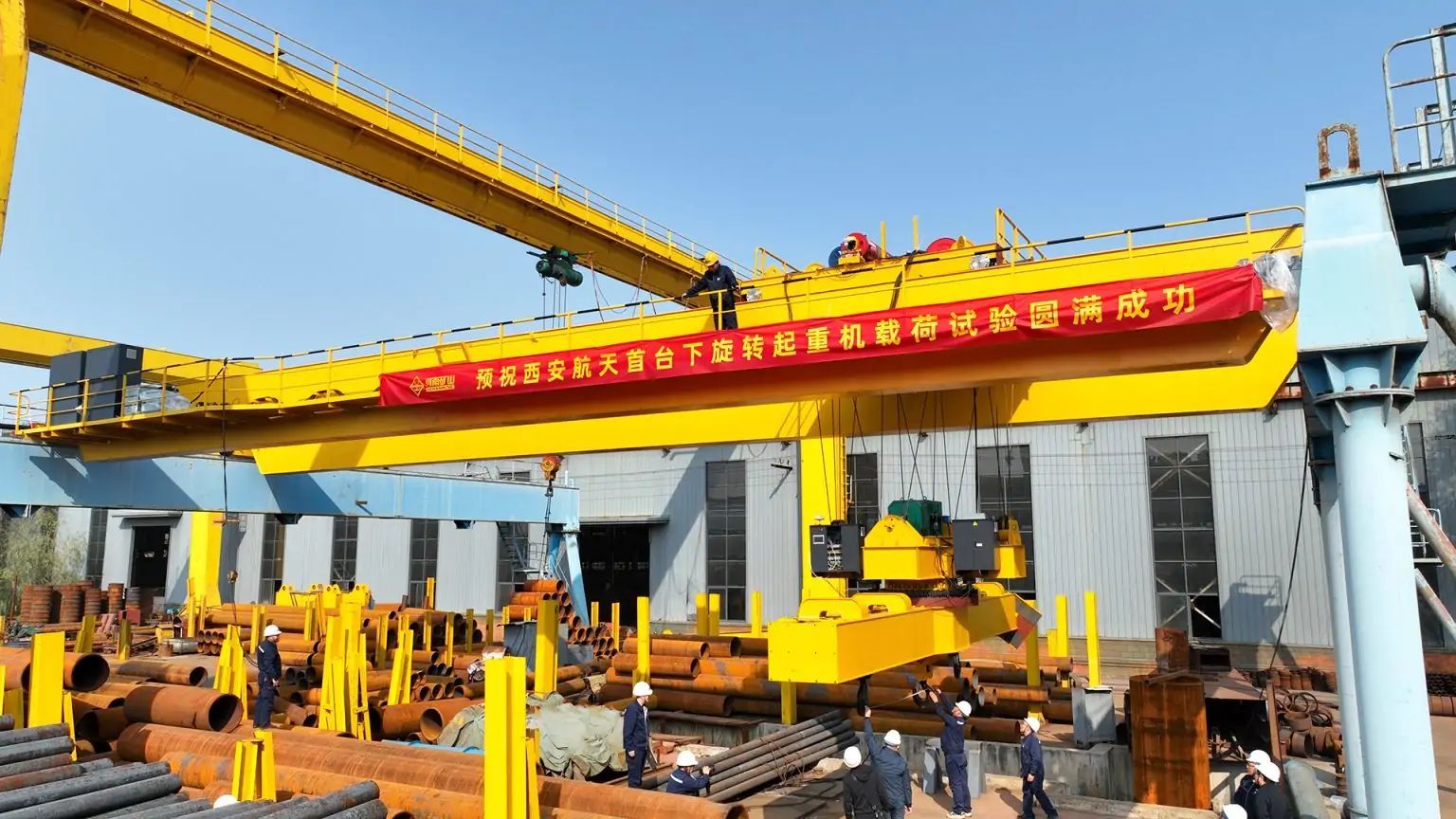
FAT test: carried out in the manufacturer's factory, need to comprehensively verify the mechanical, electrical and control system functions, including lifting capacity, speed and acceleration, anti-shaking performance, emergency braking, TOS interface co-ordination and other items;
SAT test: carried out after the equipment is installed and connected to the real environment of the port, focusing on verifying the system integration performance and operation automation rate under the actual operation scenario;
Mandatory requirements: IEC 61508 functional safety verification is required as a mandatory sub-item of FAT and cannot be omitted.
Software Lifecycle Cost Control
Software life cycle cost is a hidden expenditure that is easy to be ignored, and the purchaser needs to clearly agree on the relevant responsibilities in the contract:
- Core expenditure items: control software version upgrades, network security patches, TOS interface protocol updates, sensor calibration calibration and other ongoing cycle costs;
- Points to be agreed: to specify the duration of software authorisation, the main body responsible for upgrading, the obligation of network security maintenance, and the time limit for responding to emergency patches; for the proprietary spreader control sub-system, it is necessary to additionally agree on the guarantee for the long-term supply of spare parts and the openness of the interface requirements.
Key Points of Delivery Cycle Control
Delivery cycle directly affects the project progress, and needs to be planned in advance and clearly agreed:
Regular cycle: Standard RMG delivery cycle is 3-6 months, fully automated systems need to extend the delivery cycle due to high degree of customisation and long integration test cycle;
Control measures: Purchasers need to reserve sufficient engineering buffer time, with clear milestone nodes and default clauses in the contract; suppliers are required to start the procurement of key long-cycle components in advance to avoid the risk of delays caused by component shortages;
Before signing the contract, the feasibility review of the equipment transport and on-site installation plan should be completed to ensure that it matches the conditions of the port infrastructure.
Common Misconceptions in Selection Decisions and Suggestions for Avoiding Pitfalls
Excessive Attention to the Unit Price of Equipment
The most common misconception in procurement is to take the unit price of equipment as the core evaluation dimension, ignoring the impact of automation system integration cost, software life cycle cost and after-sales service cost on the total life cycle cost (TCO).
RMGs that offer low prices but have poor TOS compatibility and weak service networks often incur additional integration fees and downtime losses in actual operation that far exceed the initial price advantage, ultimately leading to a ‘low price’ solution that does not pay for itself.
Underestimating the Complexity and Cycle Time
When most terminals introduce automated RMG, it is easy to underestimate the difficulty and cycle of the existing TOS system transformation, and there are often problems that the existing TOS can't support fine-grained equipment status telemetry, and can't interact with real-time data from RMG, which leads to delayed project progress and uncontrolled cost. It is recommended to complete the TOS interface compatibility assessment before selecting the model, and include the transformation costs in the overall budget.
Neglecting the Risk of Shortage of Composite Talents
Automation RMG on the operation and maintenance personnel of the digital capacity requirements are much higher than traditional equipment, both know the principles of lifting machinery, but also with PLC programming, network security, AI system maintenance capabilities of the global shortage of composite talent.
Especially in Africa, Southeast Asia and other emerging markets, this problem has become a core bottleneck restricting the return on investment in automation equipment. Purchasers need to incorporate talent training, OEM technical support, and knowledge transfer clauses into the contract to ensure stable operation and maintenance of the equipment after commissioning.
Ignoring Supply Chain Security and Localisation Compliance Requirements
Some regional ports RMG procurement, easy to ignore the supply chain security and local manufacturing ratio of policy constraints, especially in the U.S. market, under the influence of geopolitics and federal subsidies regulations, the local manufacturing requirements for equipment is increasingly tightened.
Purchasers need to study the policy direction in advance, incorporate suppliers' compliance ability into the qualification assessment, and lay out long-term equipment strategies in advance.
Conclusion
RMG selection is a composite decision, this paper builds a selection framework around six core dimensions: RMG and RTG fit boundary, technical specifications, automation level, TCO energy solution, safety compliance, and supplier evaluation.
All stages of the project are recommended to start from the structured RFQ, clarify the core requirements, require suppliers to provide verifiable cases and carry out on-site research, relying on complete information to ensure that the selection decision helps port development.