
How to Reduce Port Crane Downtime in High-Traffic Terminals
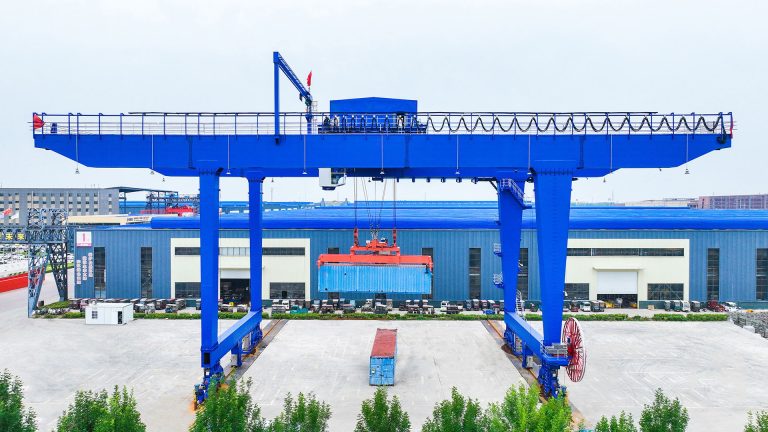
Global freight volume continues to rise, high-flow container terminals shore bridge (STS), tire gantry cranes (RTG) as the core loading and unloading equipment, once the unplanned downtime, far from only generating maintenance costs, but also triggered a chain of crises throughout the terminal operation.
Ship stranded, berth turnover obstruction, demurrage soaring, cargo throughput decline, direct loss of competitiveness of the terminal industry and customer trust, in the fast-paced global trade, crane idle every minute, are real economic losses and efficiency losses.
Many terminal managers fall into a misunderstanding: that speed up the maintenance speed can solve the problem of crane downtime, but in fact, passive repair can only treat the symptoms, can not be curbed from the root cause of the risk of downtime.
Want to really reduce the high-flow terminal crane downtime, the core lies in the transformation of operational thinking, from passive maintenance to active prevention and control, relying on systematic root cause investigation, prospective maintenance, intelligent technology landing, resource optimization and professional team building.
Core Causes of Port Crane Downtime in High-traffic Terminals
Compared to ordinary terminals, cranes in high-flow ports are in an overloaded state, and the risk of downtime is infinitely amplified, and the core driving factors are mainly divided into four categories:
- the equipment long-term high load operation, minor faults are very easy to quickly evolve into major failures;
- the terminal of all aspects of operation linkage, yard scheduling, ship scheduling, collector card diversion, and so on any part of the inefficiency, will aggravate the crane wear and tear;
- the lack of systematic equipment operation and maintenance, heavy maintenance and light prevention;
- human operation, environmental erosion and other external factors superimposed to further enhance the probability of failure.
Identify and Address Root Causes of Downtime
Build a systematic root cause analysis (RCA) system. To solve the problem of crane downtime, do not rush to repair, you need to carry out professional root cause analysis first, jump out of the surface maintenance misunderstanding. Terminals should establish a complete fault ledger, integrated inspection, operation and maintenance data, combined with the frequency of operation, peak and other operational data, digging deep into the core causes of failure.
For example, if the wire rope breaks frequently, you can’t just replace the parts, you need to trace the operation, maintenance, parts wear and tear and other deeper problems to prevent the recurrence of the same kind of failure.
Combined with industry operation and maintenance data, high-flow quay crane unplanned downtime, mainly from five core issues, corresponding to different prevention and control direction:
Mechanical and Structural Failures
this is the most frequent high-flow terminal crane, the highest proportion of downtime triggers, this kind of terminal 24 hours a day uninterrupted loading and unloading operations, crane components are in a long-term full load or even overloaded operation state, continuous reciprocating motion and heavy impact, will make the core wear parts fatigue wear, cracks and deformation or even fracture problems, far more than the ordinary low-flow terminal Wear and tear speed.
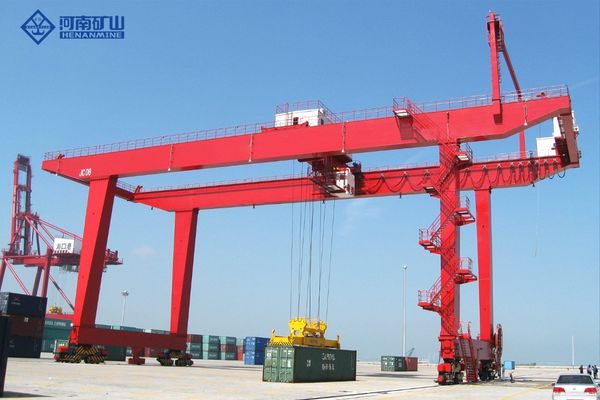
Daily minor wear and tear if not dealt with in a timely manner, will quickly evolve into lifting failure, traveling jams and other major faults, directly leading to a full shutdown of the crane, the maintenance also need to dismantle the core components, time-consuming far more than the conventional minor repair.
Electrical and Control System Issues
automated, semi-automated shore bridge and gantry crane core failure point, high-flow terminal operating rhythm, electrical components, PLC controller, all kinds of sensors for a long time high-frequency start-stop operation, very easy to fail, false alarms, coupled with the port of the open-air environment, line aging, short-circuiting moisture, unstable power supply voltage problems, will trigger equipment Sudden shutdown.
These faults are hidden faults, difficult to investigate high professional requirements, ordinary operation and maintenance personnel are difficult to quickly locate the problem, often significantly lengthen the maintenance time, further aggravating the terminal operation congestion.
Human Errors and Operational Inefficiencies
completely preventable but high incidence of downtime triggers, part of the terminal in order to catch up with the operating schedule, appointed without a license, without systematic training of the operator, the operation of the existence of diagonal pulling and slanting crane, over-speed lifting, illegal steering, and other irregularities in the operation, or go to work before the inspection is perfunctory, omission of checking the wire rope wire breakage, brake loosening and other minor hazards, the long-term down will be directly damaged!
Crane core components, significantly shorten the service life of the equipment, and even instantly triggered equipment failure and safety accidents, is the most easy to ignore the high-flow terminal but the impact of great downtime factors.
Severe Environmental Erosion
coastal high-flow terminals are unique to the high incidence of hidden danger, high air salt content in the harbor area, high humidity, coupled with extreme temperature differences, strong winds and heavy rains and other inclement weather, the salt spray will quickly corrode the crane metal steel structure, fasteners and electrical wiring shells, resulting in short circuits, corrosion problems.
At the same time, high or low temperature environment will accelerate grease failure, thermal expansion and contraction of components deformation, continue to aggravate the aging speed of the equipment, so that the original durable components fail in advance, significantly increasing the probability of unplanned downtime.
Importance of Root cause Analysis (RCA)
Indirectly induced crane downtime of the core operational issues, high-flow terminals, if the yard planning chaos, container stacking disorder, unreasonable ship scheduling, truck scheduling lag, will lead to cranes are forced to frequent idling, long-distance walking, repeated inverted box handling, additional increase in equipment operating load and frequency of operation.
The original loading and unloading can be completed at a time, it takes Multiple operations to complete, not only a waste of operating time, but also accelerate the wear and tear of components, so that the crane is in a long-term fatigue state, and ultimately induced all kinds of mechanical and electrical failures, forming a vicious cycle of operational inefficiency and equipment downtime.
Adopt Predictive & Preventive Maintenance Strategies
Preventive maintenance is the basis for downtime, in strict accordance with the original equipment (OEM) standards, the development of normalized grading maintenance plan, low-cost routine maintenance, to avoid high amounts of overhaul downtime, and put an end to equipment with sick operation. High-flow terminals need to be graded according to component maintenance: daily inspection of the core checking wire rope, brake and other key parts;
weekly and monthly maintenance focus on lubrication, fastening and line inspection; annual steel structure flaw detection, core component overhaul and other in-depth maintenance. Strictly adhere to the original specifications, timely handling of minor faults, with professional operation and maintenance team, to ensure the effectiveness of maintenance.
Predictive maintenance is more suitable for high-intensity operation of high-traffic terminals, relying on the real-time operation data of equipment to predict failures and realize accurate operation and maintenance, avoiding excessive maintenance and eliminating unplanned downtime.
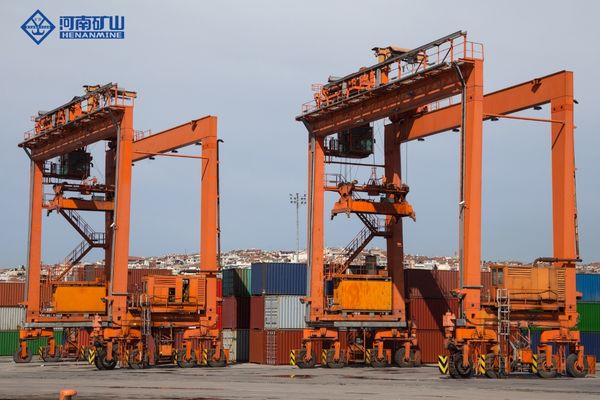
The terminal can collect core data such as operating hours and component status through sensors to build a big data early warning model, which automatically warns of data anomalies and allows the O&M team to overhaul the equipment in advance without affecting normal operations. This data-driven model can improve the efficiency of operation and maintenance, promote maintenance from passive repair to active prediction, is the core means to improve the reliability of cranes.
Leverage Smart Technologies and Automation
Intelligent Transformation of Old Equipment
Old cranes do not need to blindly replace the entire machine, priority upgrade of electrical components, control systems, retrofitting intelligent monitoring module, lower cost, can extend the life of the equipment, improve the stability of the operation, reduce the aging failure downtime, to adapt to the needs of high-traffic operations.
IoT Real-time Monitoring
Relying on IoT sensors, 24-hour remote monitoring of crane core component status, operation and environmental data, through the intelligent platform into operation and maintenance commands, in advance to lock the hidden dangers, formulate maintenance programs, to achieve proactive prevention and control; at the same time, linkage of the whole dock scheduling, reducing ineffective equipment operation and wear and tear.
Automated Operation Reduces Errors
Through automatic ship scheduling, berth intelligent allocation, precise positioning of containers, unmanned gantry crane operation and other automated means, reduce operator violations, fatigue operation errors, optimize operational consistency, avoid overloading of equipment, and reduce the risk of downtime from the source.
Optimize Spare Parts and Maintenance Resources
Yard planning is closely related to crane downtime, irrational stockpile layout will lead to frequent reversal of the crane, long-distance walking, significantly aggravating the wear and tear of equipment.
With the help of digital twin technology, high-flow terminals can build a three-dimensional visualization model of the terminal to achieve precise positioning of containers, intelligent allocation of stacking positions, maximize the use of yard space, reduce repeated crane handling and idling operations, reduce equipment loss from the source of operation, and indirectly reduce the probability of downtime.
Refinement of spare parts management, to eliminate the shortage of spare parts delayed maintenance. Untimely supply of spare parts is a key factor in prolonging crane downtime, especially wire rope, drums, bearings and other wear parts, as well as customized core components, once out of stock, the maintenance period will be significantly lengthened.
High-flow terminals need to establish a refined spare parts inventory management system, combined with crane failure data, wearing parts loss cycle, reasonable reserves of core spare parts and high-frequency wearing parts, and give priority to ensure that the inventory of high-wear, high-value parts is sufficient; at the same time to establish a stable spare parts purchasing channels, for the customization of the components in advance, to avoid infinite prolongation of downtime due to the shortage of spare parts.
Improve Workforce Efficiency and Operational Standards
Licensed operators and regular training to enhance operational professionalism. High-traffic terminals must strictly implement the operator licensing system, all shore bridge, gantry crane operators must hold international or domestic recognized professional qualifications, familiar with the port crane safety practices and standard operating procedures.
At the same time, abandon the concept of “a training for life”, regular retraining and practical assessment, for the special requirements of high-flow operating scenarios, to strengthen the standardized operation, emergency response, daily inspection and other skills training, synchronized with the Division of the rigging workers to collaborate on training, to open up the operation team and operation and maintenance team collaboration barriers, to reduce the failure to work together, Improve the inspection and monitoring system.
Improve the inspection and monitoring system
Normalized inspection is the last line of defense to prevent and control crane downtime, high-flow terminals need to abandon the “heavy maintenance, light inspection” of the wrong concept, the development of graded inspection plan, combined with equipment operation data rather than simply fixed calendar, to carry out daily inspection, special inspection and in-depth overhaul.
Daily pre-shift inspection is completed by the operator, focusing on the investigation of safety hazards and intuitive failures; special inspection is completed by the operation and maintenance team, focusing on the core components of the operating state; in-depth inspection is carried out regularly, covering the steel structure, control system, hydraulic system and other full-dimensional components, so that hidden problems are discovered and disposed of as early as possible.
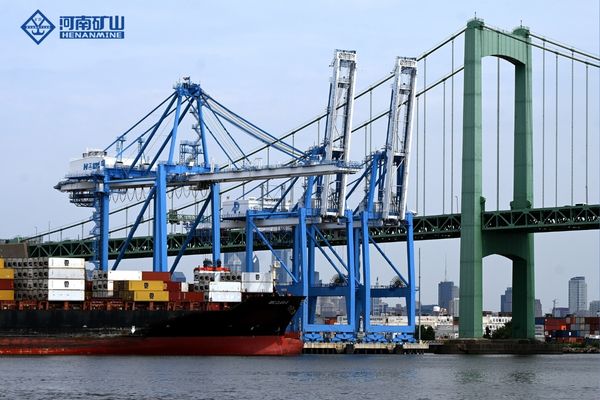
The terminal can join hands with professional crane service providers to carry out O&M compliance checking and targeted rectification of loopholes in accordance with international standards and original factory specifications.
At the same time, remote monitoring technology, relying on sensors to upload real-time equipment data, remote warning of hidden problems, operation and maintenance personnel can quickly dispose of minor problems; complex maintenance can be entrusted to a third-party professional organizations, double guarantee maintenance quality.
FAQ
Q1: What is the most effective way to reduce the downtime of high-flow quay cranes?
A1: The core is a combination of predictive maintenance + real-time monitoring of the Internet of Things, this combination of strategies can lock the hidden faults in advance to completely eliminate unplanned downtime, together with preventive maintenance and standardized operation, forming a full-process prevention and control system, is currently the industry’s most efficient, the most grounded solution.
Q2:How can automation technology reduce crane downtime?
A2:Automation can significantly reduce the probability of human error, while optimizing the linkage scheduling of ships, berths and yards, reducing ineffective crane operations and overloading, improving operational coherence, and reducing downtime triggers from both operational and operational dimensions.
Q3:Why is spare parts management vital to the normal operation of cranes?
A3:High flow terminal operation is uninterrupted, once the core spare parts shortage, the maintenance period will be greatly extended, even small faults can cause long downtime, especially customized components, adequate spare parts inventory can make the maintenance work quickly to the ground, maximize the compression of downtime.
Q4: How should the maintenance frequency of harbor cranes be determined?
A4:It can not simply follow the fixed calendar cycle, need to combine the equipment operation data, frequency of operation, load intensity to develop a dynamic maintenance plan, and must implement the daily pre-shift safety inspection, strictly follow the original factory recommended maintenance cycle, high-flow operating scenarios need to be properly encrypted maintenance frequency.
Q5: Can small and medium-sized high-traffic terminals implement these downtime reduction strategies?
A5:Completely possible, all strategies are scalable, small and medium-sized terminals can start from the basic preventive maintenance, licensed operator training, spare parts management, and then gradually land IoT monitoring, predictive maintenance and other advanced technologies, step by step to achieve the goal of reducing downtime.
Q6: What are the most avoidable causes of downtime for harbor cranes?
A6: One is the unqualified operator’s illegal operation, and the other is the inefficiency of yard scheduling and operation planning, both of which do not require high technical investment, and can be completely avoided through standardized management, professional training and process optimization, which is the preferred breakthrough for downtime reduction.