
Gantry Crane: The Complete Buyer’s Guide for Industrial Lifting
Gantry cranes are the core equipment in the field of industrial lifting, from port container storage to shipyard heavy parts lifting, from prefabrication yard components handling to mining bulk cargo handling, almost every heavy industry scene is inseparable from it.
This guide is written specifically for you to have procurement needs, whether you are an engineer, procurement manager, or project contractor, read through the logic of selection can be clear, avoid purchasing mistakes, choose the most suitable for their own working conditions of the gantry crane.
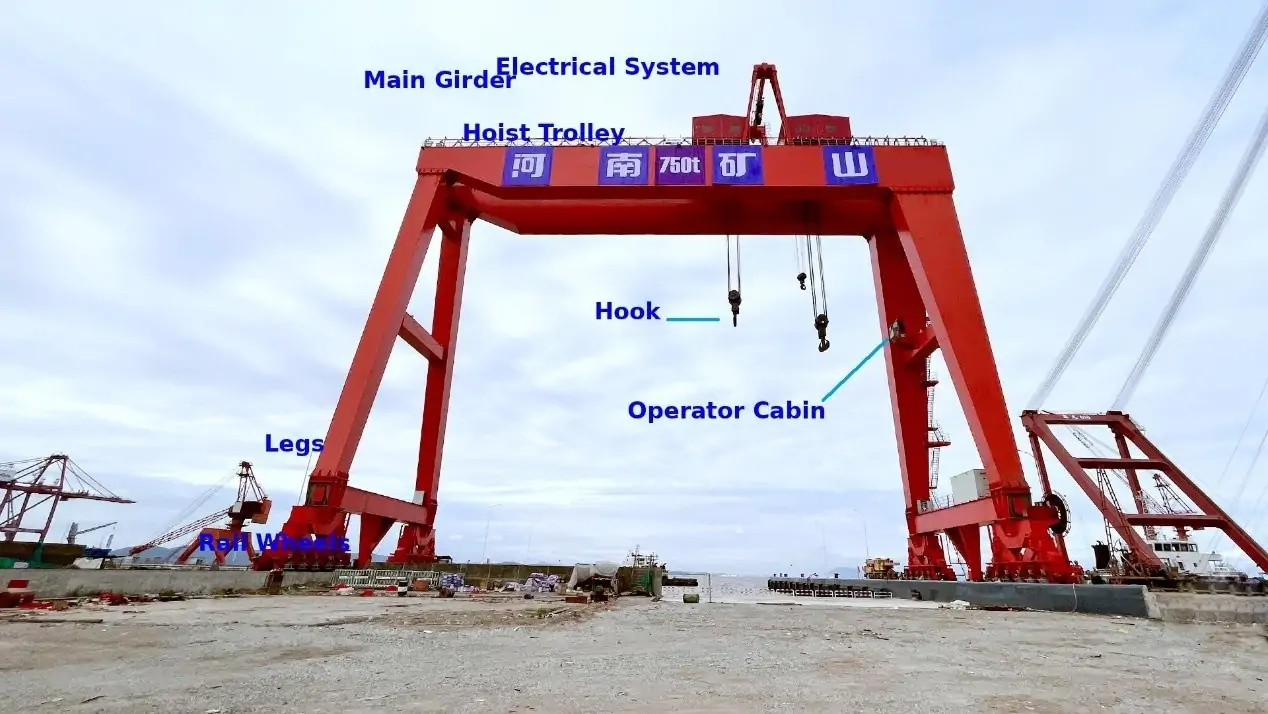
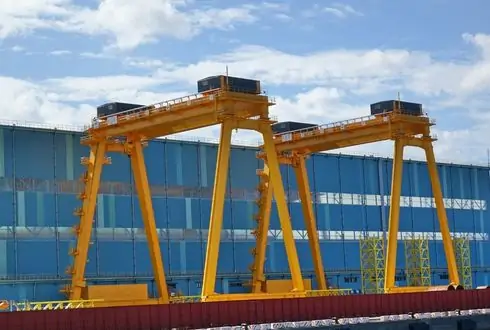
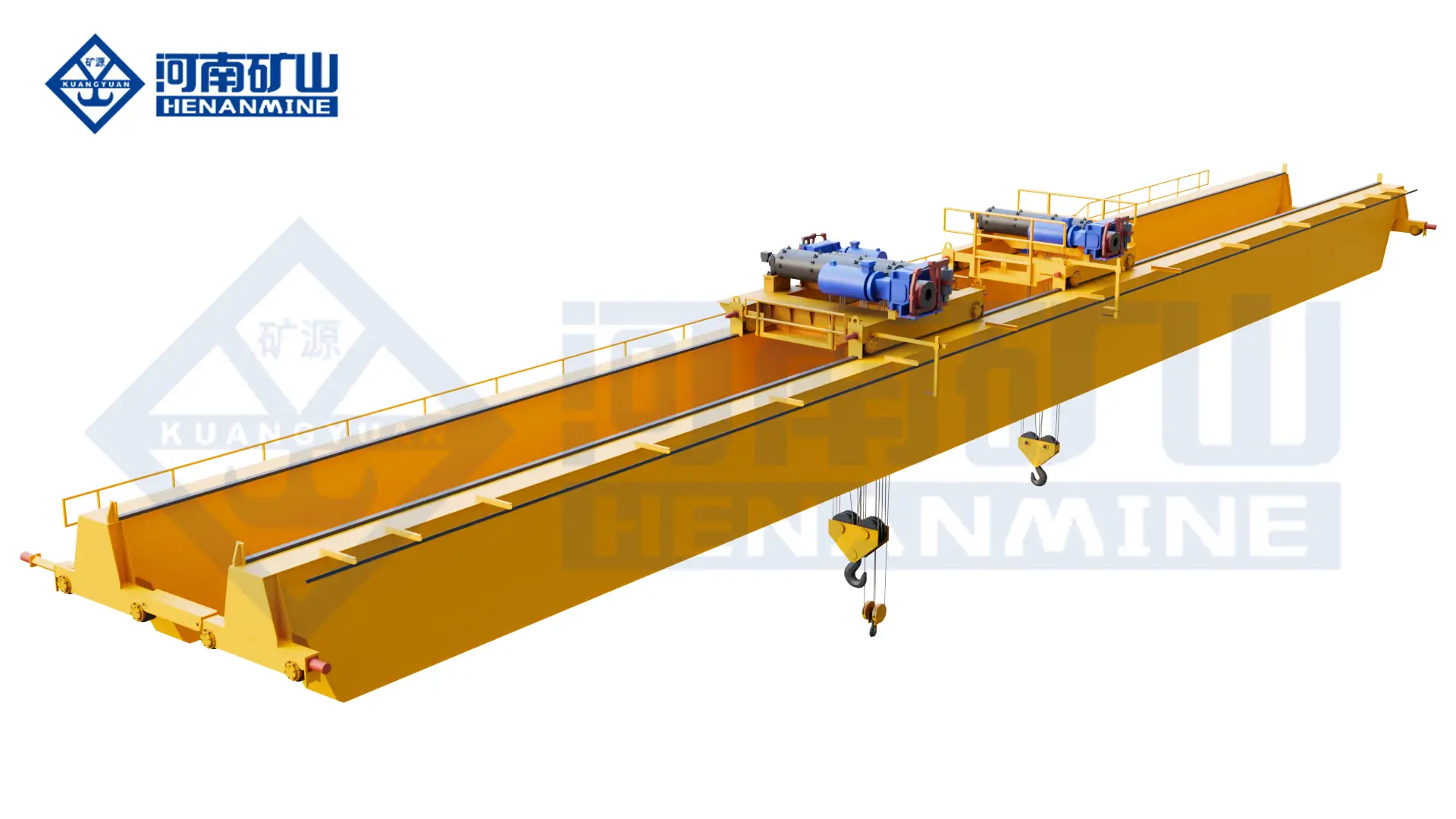
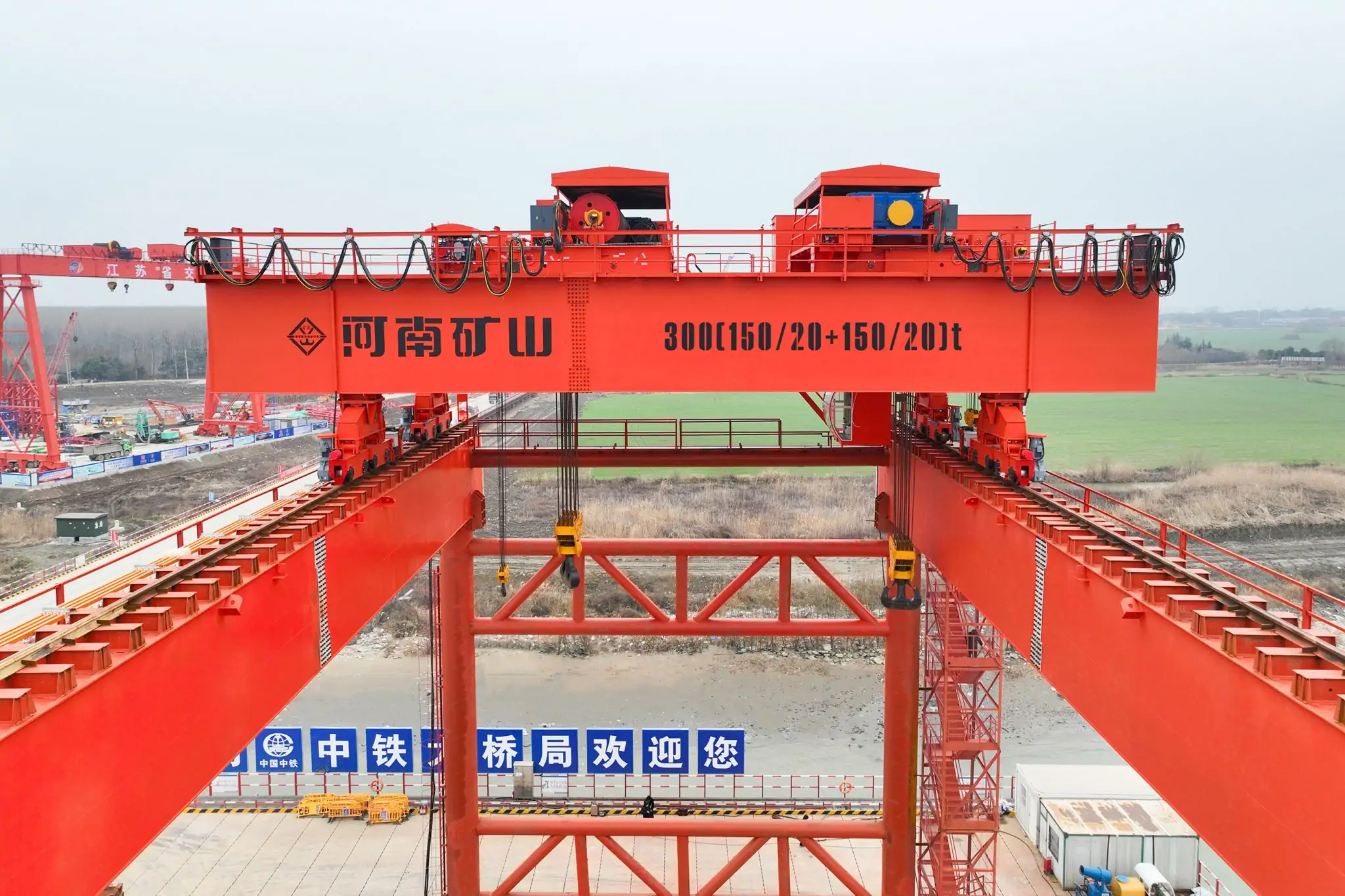
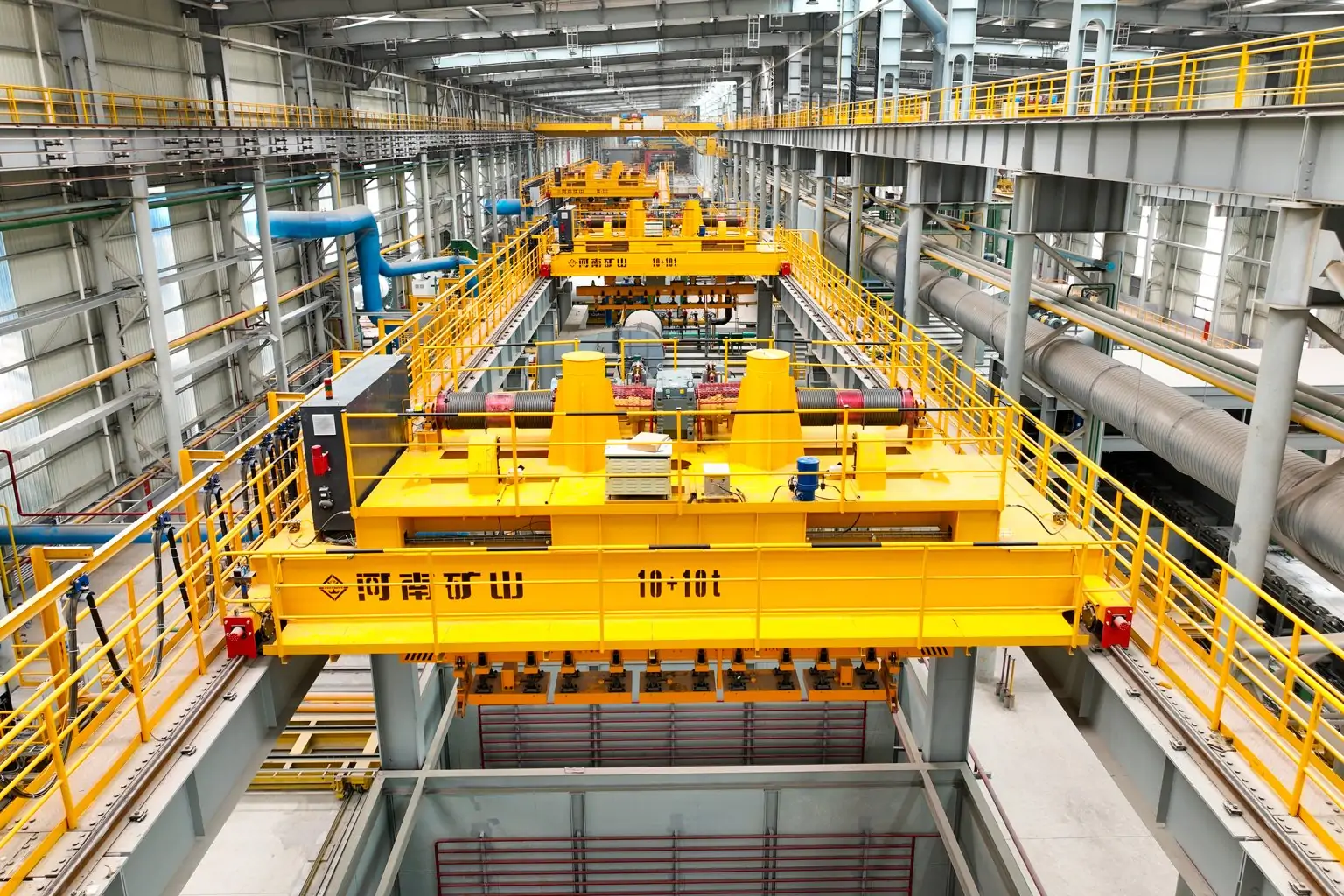
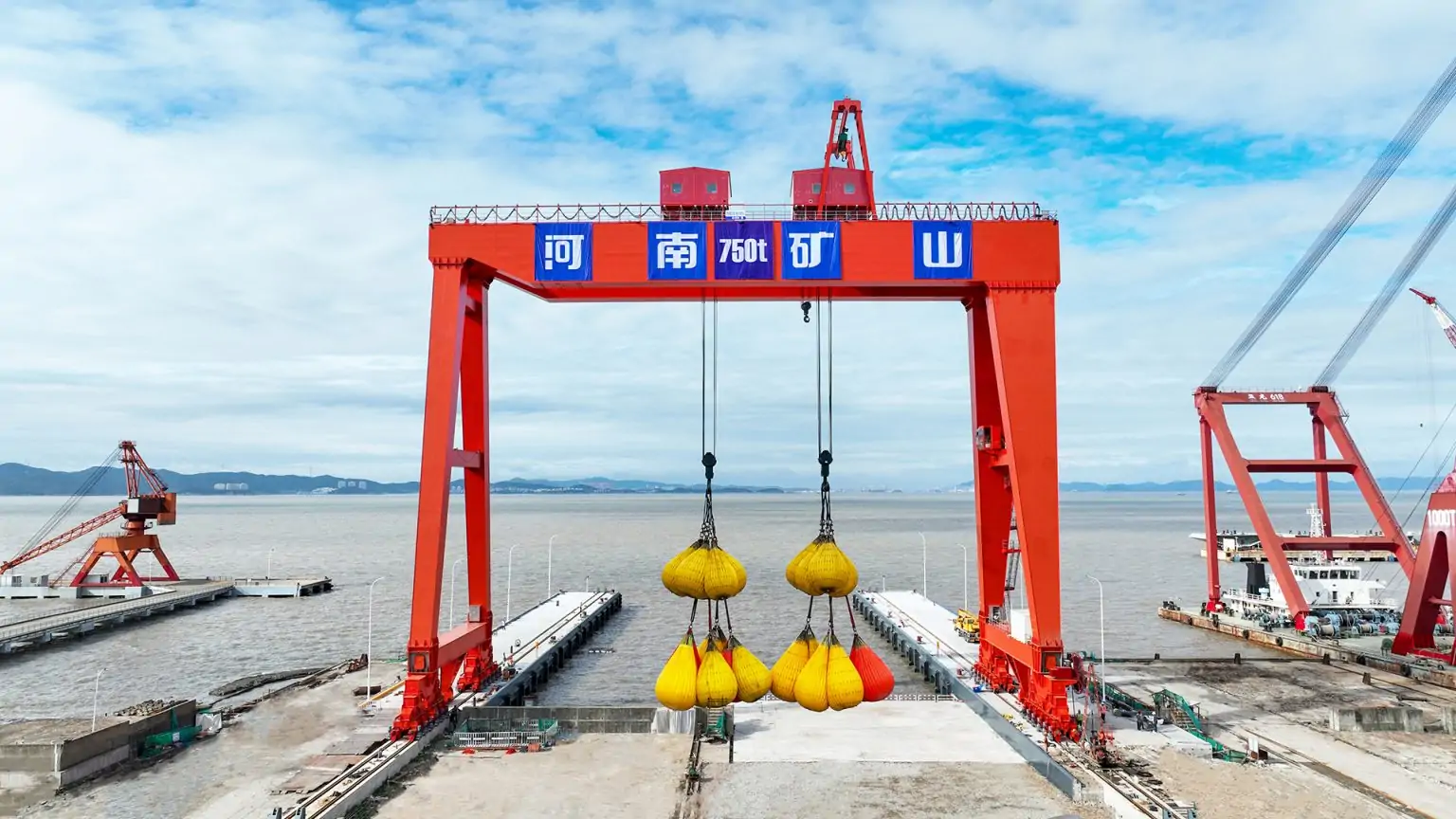
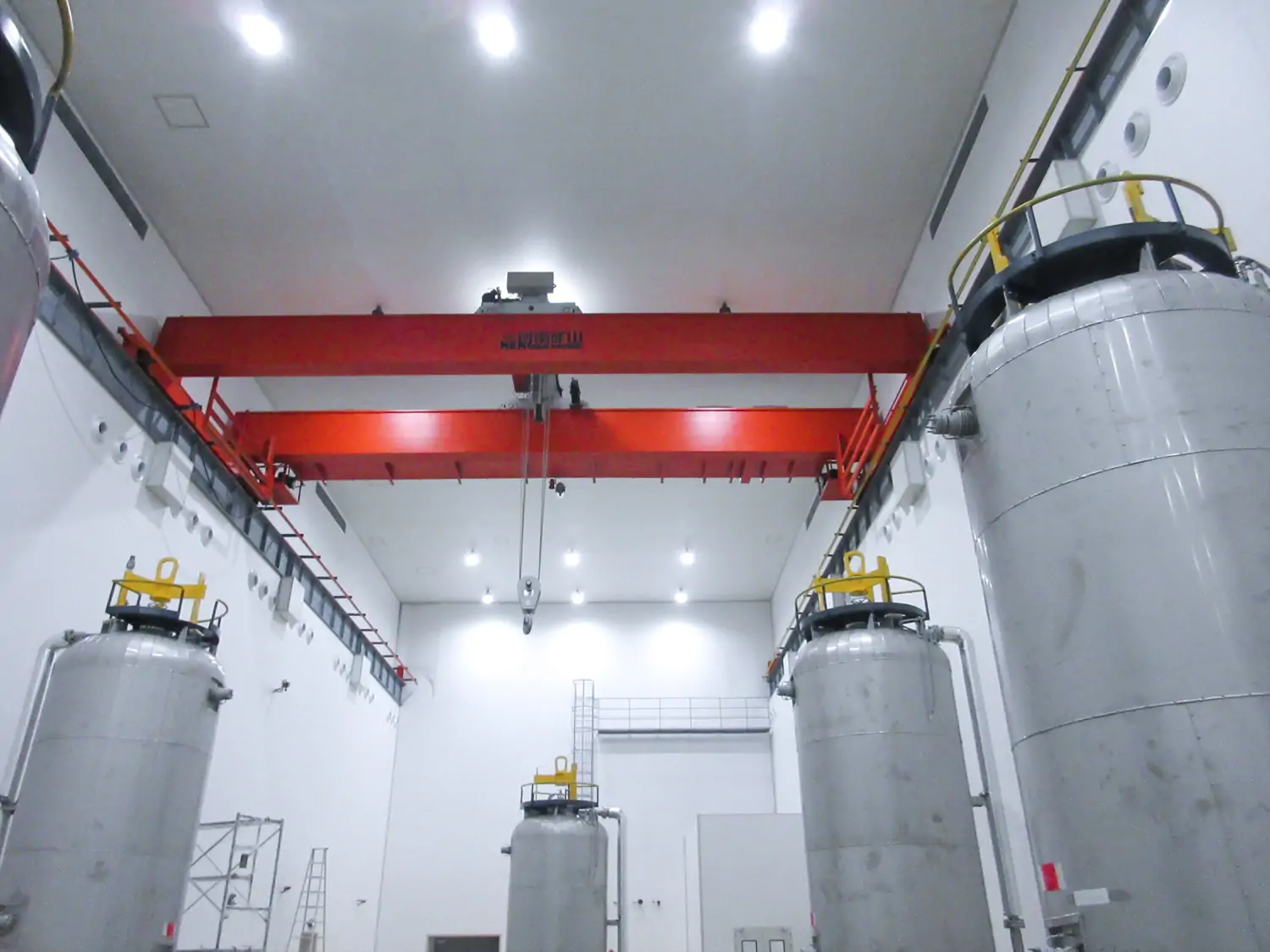
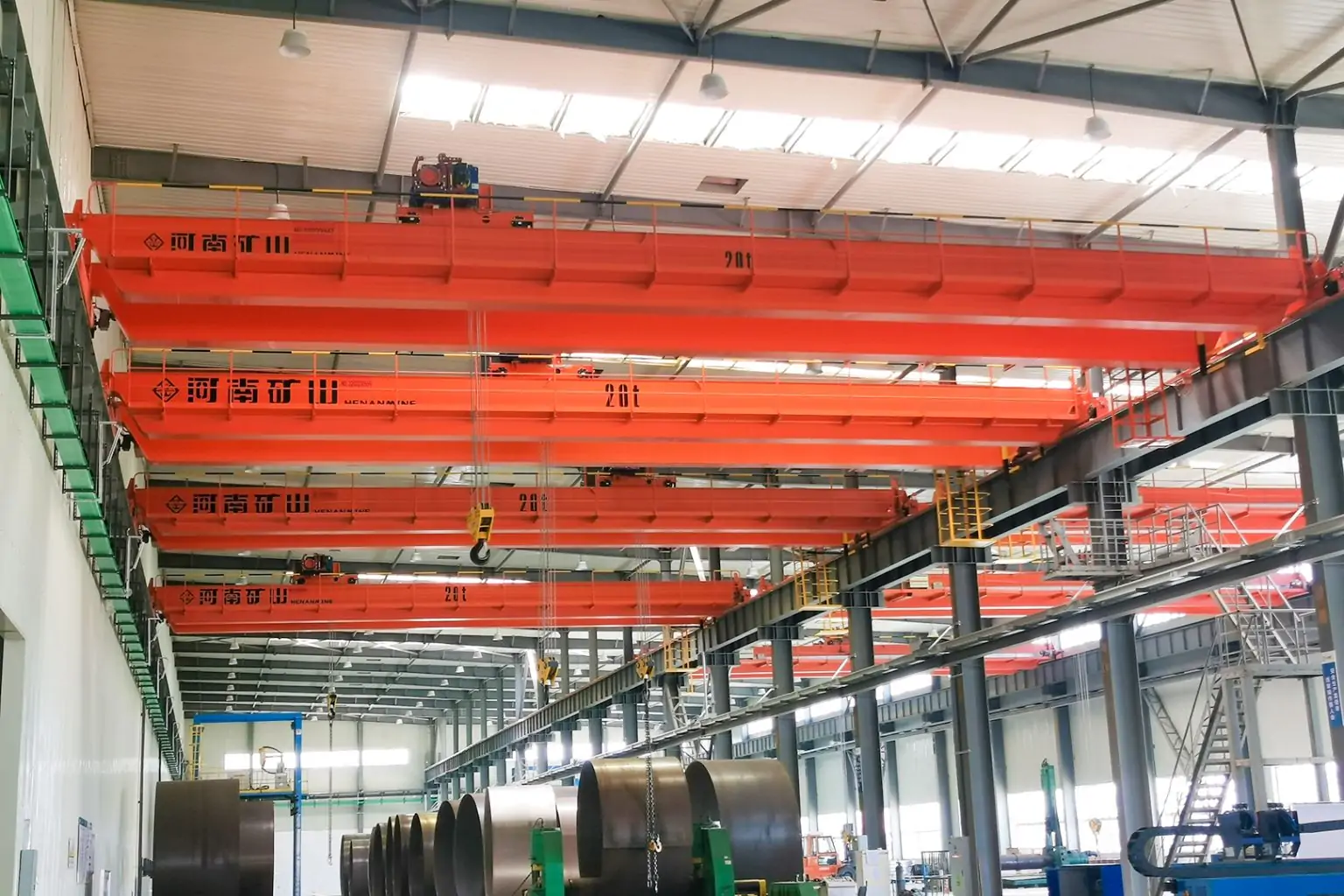
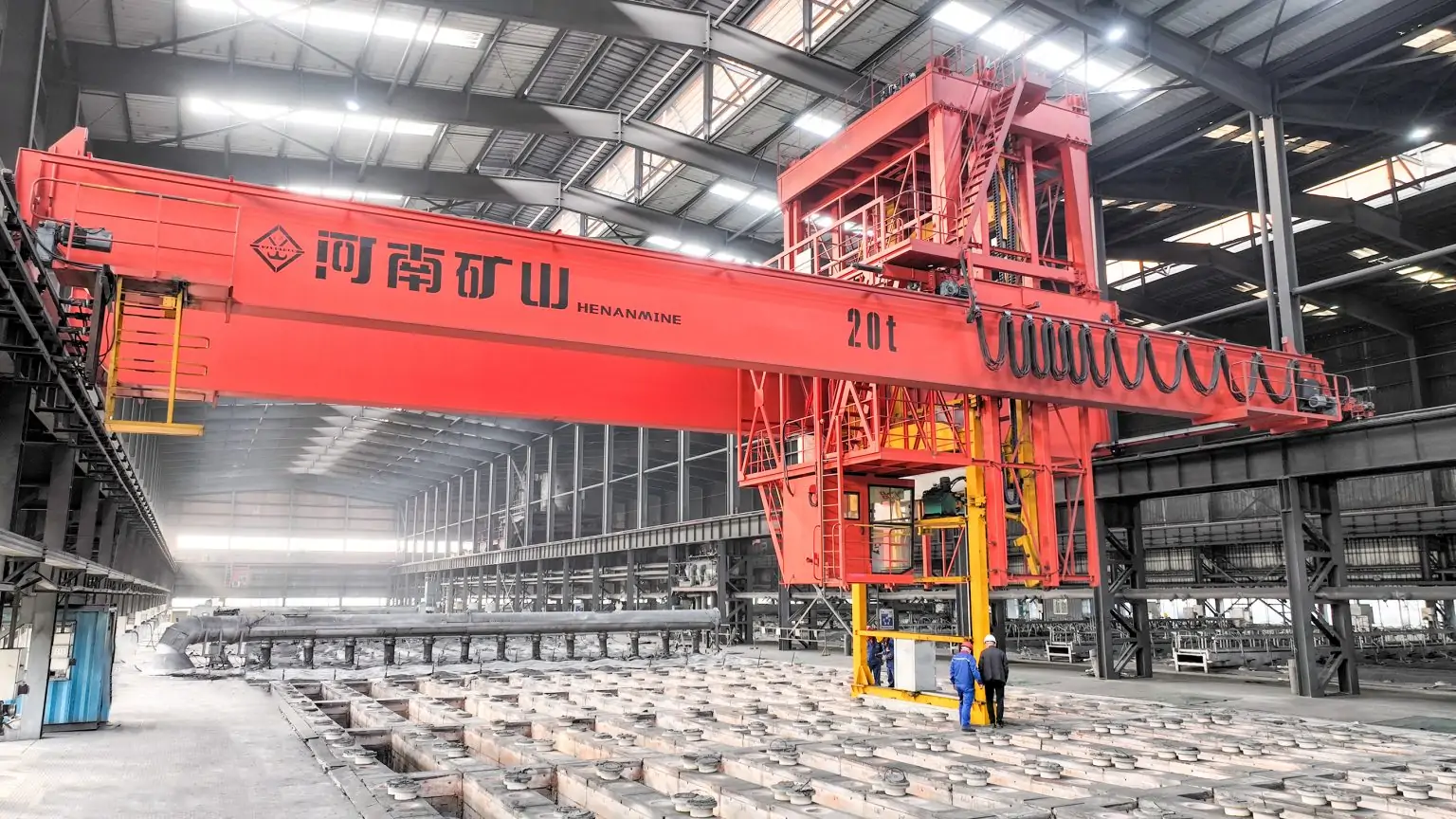
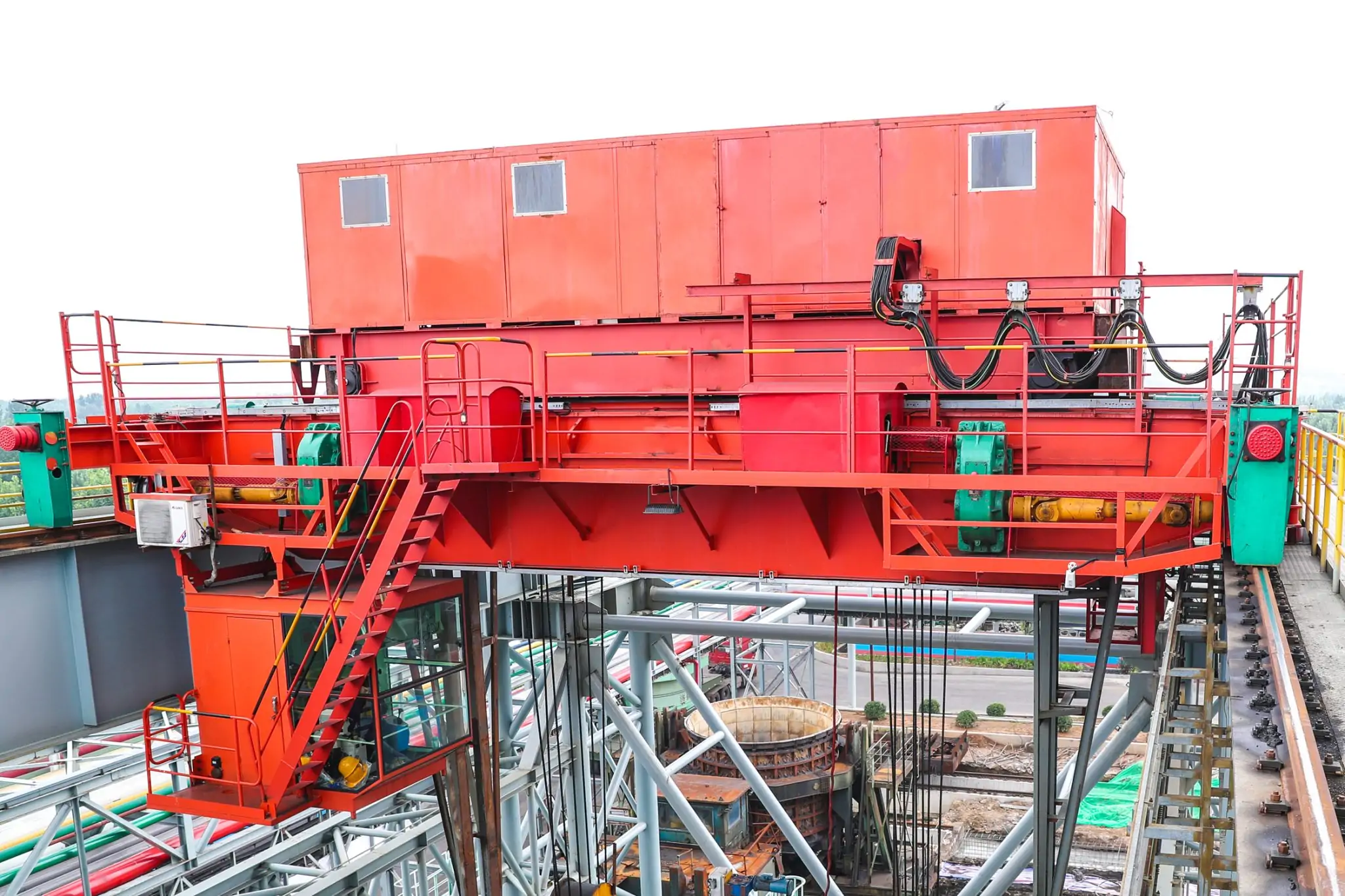
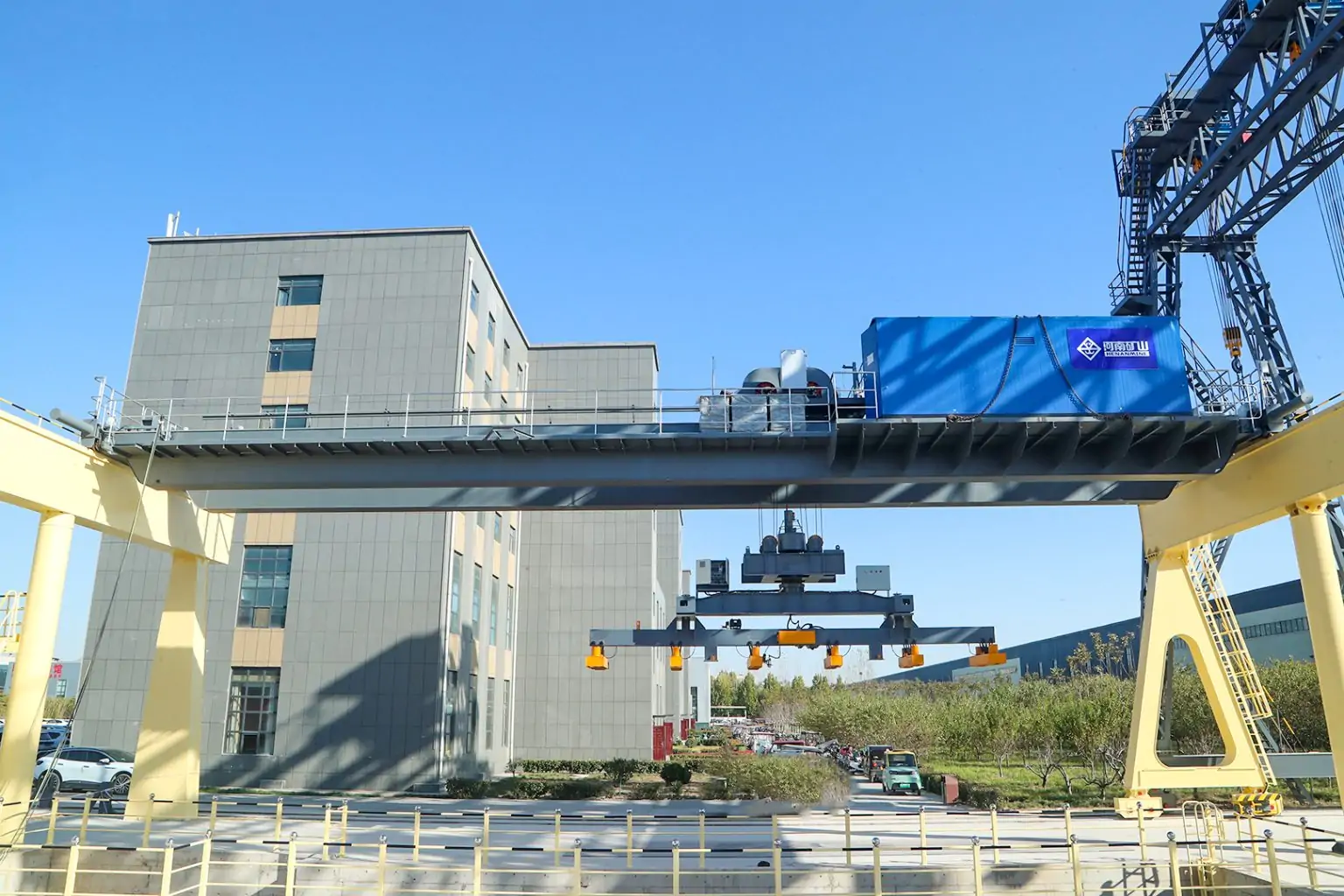
Henan Mine crane MG double girder gantry crane
What Is a Gantry Crane?
Basic Definition
Simply put, a gantry crane is a bridge-type lifting equipment with outriggers, the main beam through the two sides of the outriggers fixed to the ground or track, without relying on the plant building, can independently complete the lifting of heavy materials, horizontal handling operations.
The biggest difference between it and ordinary lifting equipment is that it has a complete gantry structure – the main beam spans the working area, and the outriggers are fixed on the ground, which not only can realize a wide range of work coverage, but also can ensure the stability of lifting, which is suitable for all kinds of heavy materials handling.
Key Structural Components
The core structure of the gantry crane is not complicated, each component directly affects the operational performance, the procurement of these components, you can better judge the quality of the equipment.
The main girder is the “skeleton” of the whole equipment, carrying the lifting load, but also determines the span of the crane and the lifting height of the core components, the material and process directly affects the load-bearing capacity of the equipment.
Support legs are the “foundation”, symmetrically distributed on both sides of the main beam, responsible for transferring the weight of the machine and lifting load to the ground to ensure the stability of the equipment during operation and avoid tilting.
The lifting mechanism (hoist/winches) is the “power core”, responsible for lifting and lowering the materials, with the trolley system, it can realize the horizontal movement of the load and complete the complete lifting operation.
The running system is divided into rail type and tire type, which determines the crane’s moving method and directly affects the equipment’s adaptability; the electrical control system is the “brain”, controlling the accuracy and safety of all movements.
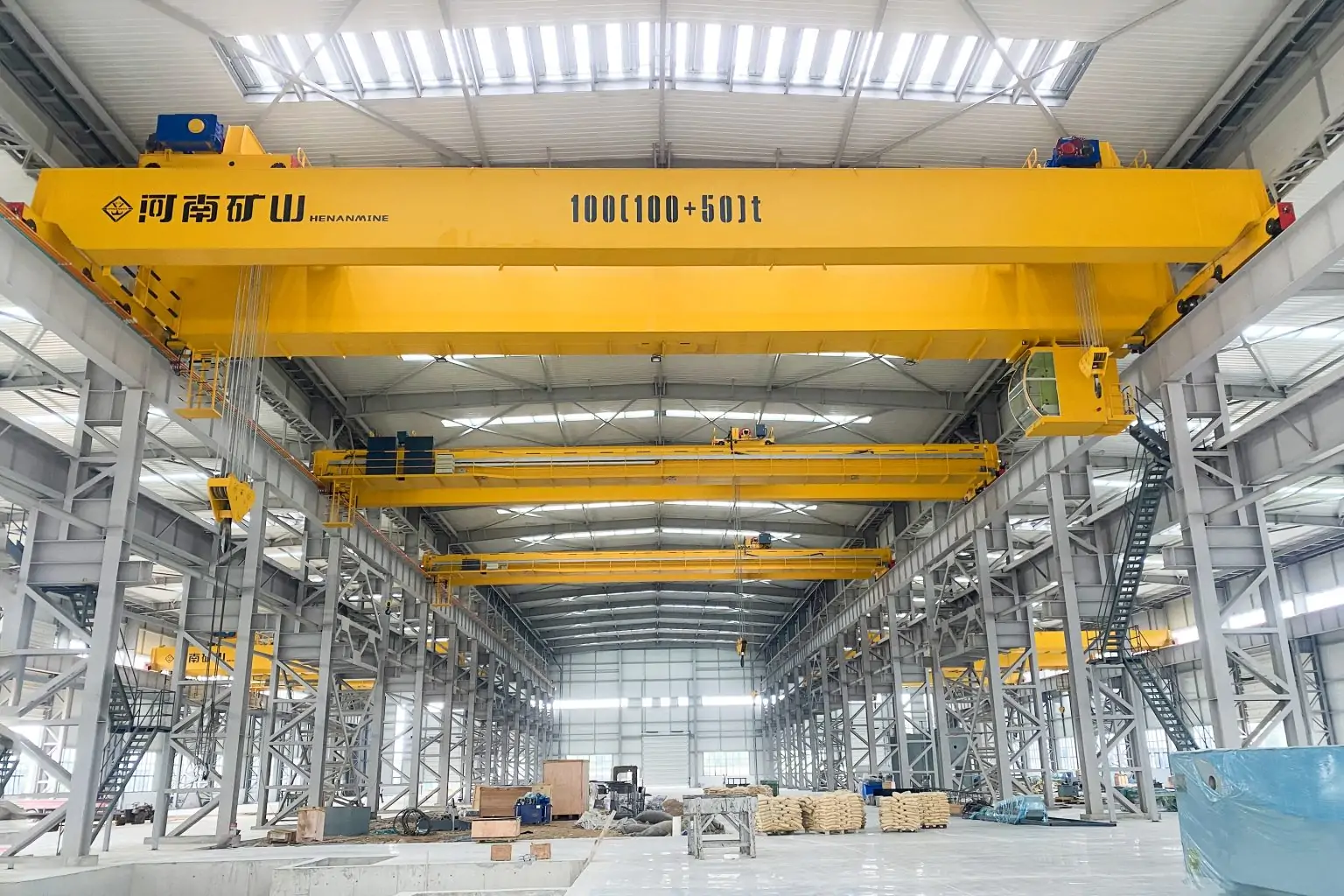
Gantry Crane vs Overhead Crane
Many buyers will confuse the gantry crane and overhead crane, in fact, the core difference between the two is the way of support, with a simple comparison table, you can quickly distinguish:
| Comparison Type | Advantages | Disadvantages | Suitable Scenarios |
| Single Girder vs Double Girder | Single Girder: Low cost | Single Girder: Limited load-bearing capacity, suitable for light to medium-duty operations; Double Girder: High cost, complex installation and maintenance | Single Girder: Workshop maintenance, small precast yards; Double Girder: Ports, shipbuilding, heavy-duty lifting |
| RMG vs RTG | RMG: High positioning accuracy, high stacking density, suitable for automation; RTG: Flexible, no track required, low site renovation cost | RMG: High infrastructure cost, limited mobility; RTG: Lower accuracy, lower stacking density than RMG | RMG: Large container terminals; RTG: Small and medium-sized ports, temporary yards |
| Rail Mounted vs Tire Mounted | Rail Mounted: Stable, high precision; Tire Mounted: Flexible, strong adaptability, no track required | Rail Mounted: Limited mobility, high infrastructure investment; Tire Mounted: High ground requirements, fast wear | Rail Mounted: Fixed sites, high-frequency operations; Tire Mounted: Temporary sites, irregular layouts |
| Gantry Crane vs Overhead Crane | Gantry Crane: Independent structure, strong outdoor adaptability; Overhead Crane: Depends on workshop, convenient for indoor operations | Gantry Crane: High initial investment; Overhead Crane: Cannot be used outdoors, limited coverage | Gantry Crane: Outdoor, ports, yards; Overhead Crane: Workshops, indoor production lines |
Main Types of Gantry Cranes
There are many types of gantry cranes, when purchasing, do not blindly follow the trend, the core is based on their own working conditions, according to the main beam design, moving mode, structure configuration to choose, different types of adaptable scenes vary greatly.
By Girder Design
According to the main girder design, it is mainly divided into single girder and double girder, which is the most basic classification when purchasing, and it directly determines the equipment’s carrying capacity and applicable scenarios.
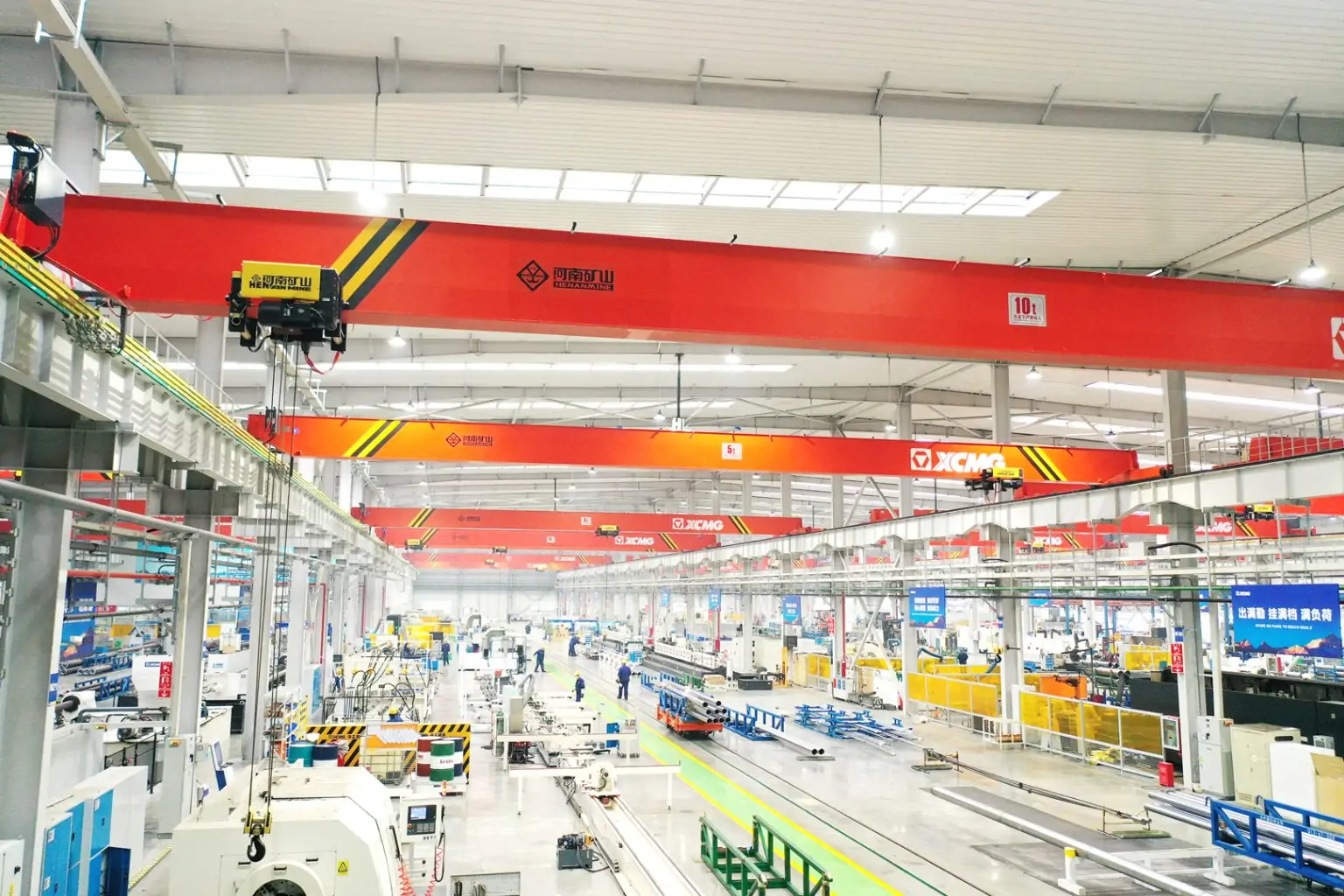
Single girder gantry cranes, with simple structure, light deadweight and low manufacturing cost, are suitable for light and medium lifting operations, such as workshop maintenance and small prefabricated parts handling, with lifting capacity of 5-50 tons and relatively small span.
Its advantages are convenient installation, small space occupation, simple maintenance in the later stage, for the scene of not much load, not high frequency of operation, cost-effective, do not have to pay extra costs for the extra carrying capacity.
Double main girder gantry crane, with two main girder structure, high rigidity, strong carrying capacity, can cope with heavy lifting operations, lifting capacity can reach more than 50-1000 tons, suitable for shipbuilding, port heavy duty operations, mining and other scenes.
It has better stability, and the lifting height and span can be flexibly customized. However, the manufacturing cost and deadweight are higher than single main beam, and the later installation and maintenance are slightly more difficult.
By Mobility
By mobility, gantry cranes are mainly divided into rail-type, tire-type and portable, the flexibility and adaptability of the three scenarios differ significantly, the procurement should be combined with the site conditions to choose.
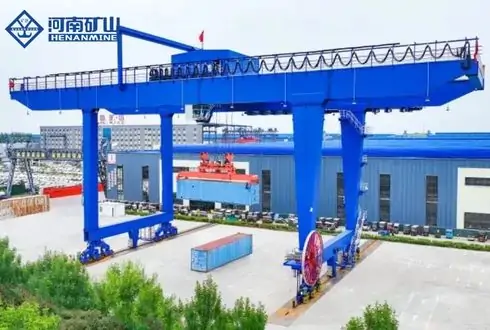
Rail-mounted gantry cranes (RMG), relying on special tracks laid on the ground, with a fixed trajectory and high positioning accuracy, are suitable for operational scenarios that require high-density stockpiling, such as automated yards in container terminals.
Its running speed is stable, and it can work with automation system to realize unmanned operation, but the site transformation needs to pave the track, and the preliminary infrastructure investment is slightly higher, suitable for long-term fixed site operation.
The tire gantry crane (RTG), free from track restrictions, relying on rubber tires to move freely on the level ground, great flexibility, no need to lay tracks, low site modification costs.
Small and medium-sized ports, temporary container yards, prefabricated parts processing plants, are commonly used RTG, which can move across the box area, across the operating area, to adapt to the flexible adjustment of the site layout, but the positioning accuracy is slightly lower than the RMG.
Portable gantry cranes are miniaturized and detachable models with a lifting capacity of 5-10 tons, and flexible adjustments of span and lifting height, which are suitable for workshop maintenance, temporary lifting of small parts, and are easy to install and dismantle.
By Structural Configuration
By structural configuration, there are three types of gantry, semi-gantry and cantilever gantry, the main difference lies in the structure of the outriggers and the scope of operation.
Full gantry cranes, with complete outriggers on both sides and a main beam spanning the entire working area, have the widest working range and are the most commonly used type in industrial scenarios, suitable for large-area and large-scope lifting operations.
Semi-gantry cranes, only one side of the outriggers, the other side is attached to the plant or wall, suitable for indoor and outdoor convergence of the operation scene, such as the workshop and outdoor yard material transfer, saving space.
Cantilever gantry cranes, with cantilever at one or both ends of the main beam, can extend the working range, suitable for irregular sites, can take into account the main working area and the edge of the area of the hoisting, to enhance the utilization of the site.
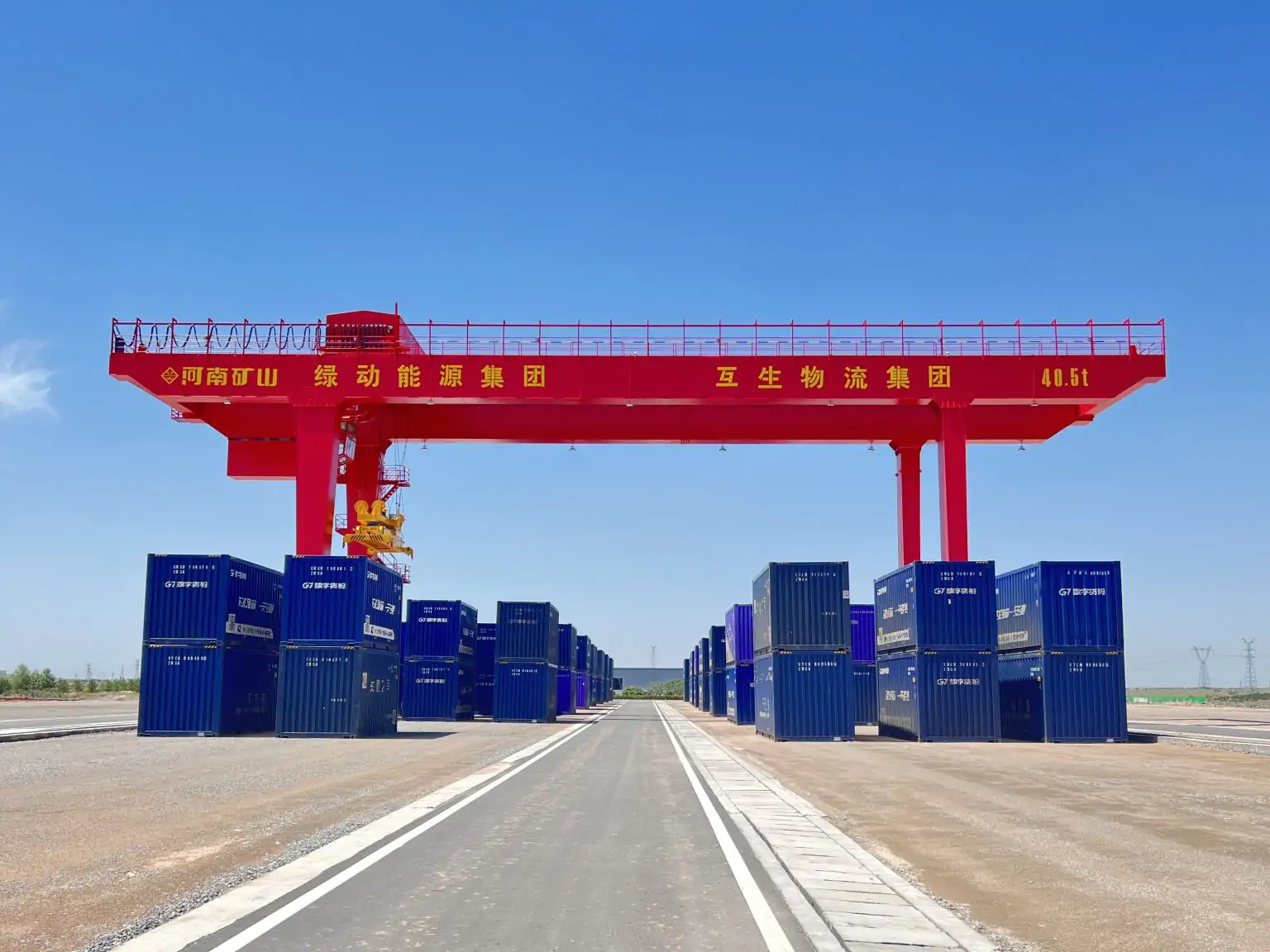
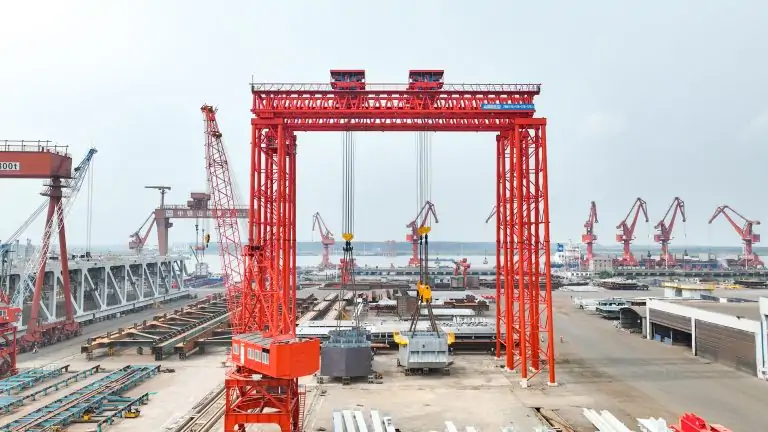
Henan Mine crane Rail-mounted Container Gantry Crane
Common Industrial Applications
Gantry cranes are used in almost all heavy industrial fields, different types of cranes are suitable for different operational requirements, and clear application scenarios can be identified before procurement to avoid selection bias.
Ports and Container Terminals
Ports and container terminals are the core application scenarios of gantry cranes, mainly with RMG and RTG, responsible for container storage, loading and unloading, as well as connecting the port and land logistics transit.
For automated yards in large deep-water ports, RMGs are preferred to realize unmanned stacking of containers with automated systems; for small and medium-sized ports or temporary yards, RTGs are preferred to adapt to different operational requirements with flexibility.
In addition to containers, gantry cranes can also be used with grapples to complete the loading and unloading of bulk cargoes, such as coal and ore, to meet the port’s needs for multi-category cargo handling.
Shipbuilding Yards
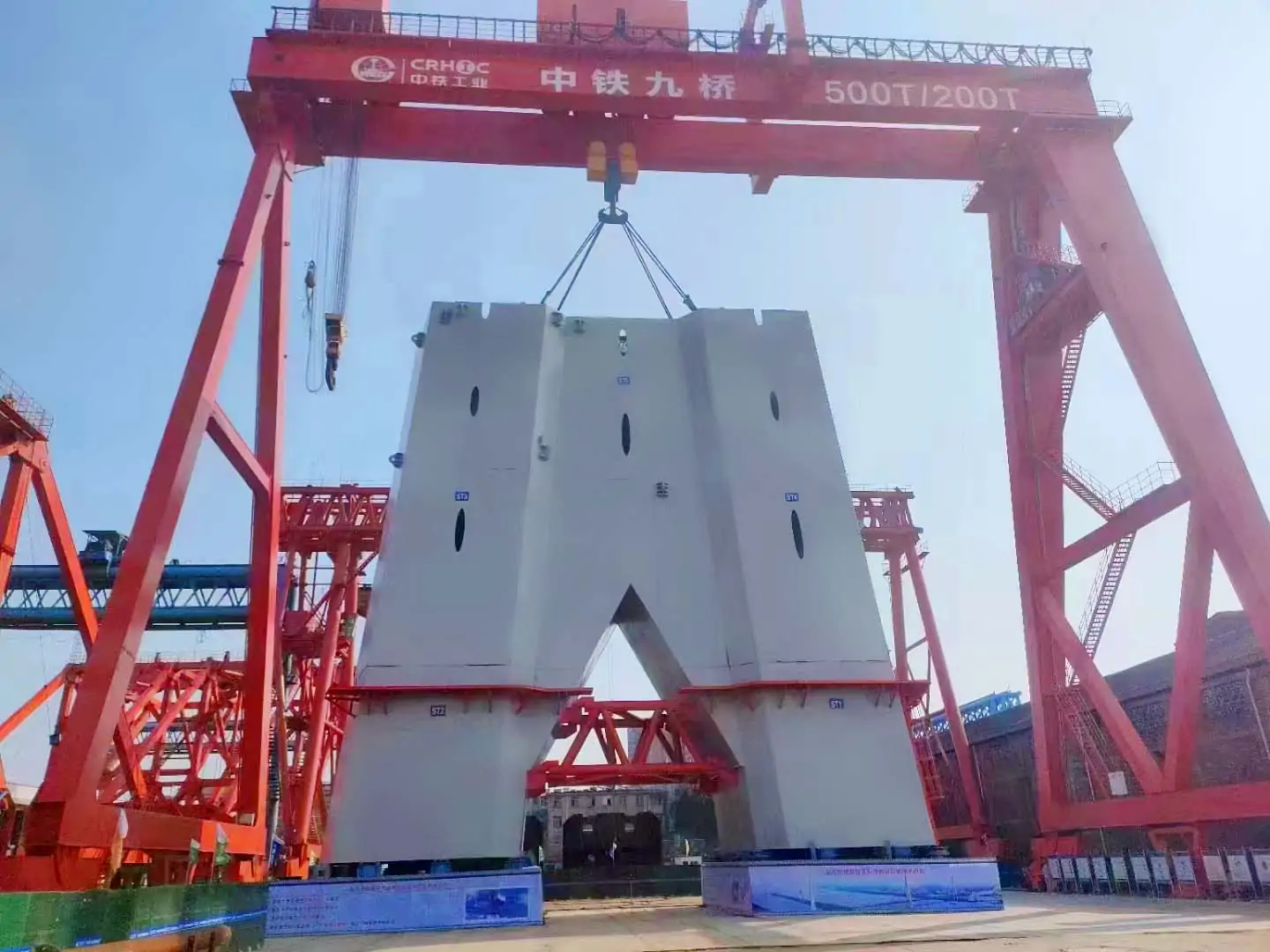
The shipbuilding industry has very high requirements for gantry cranes, which require large tonnage and high precision, and are mainly responsible for lifting and assembling heavy components such as hull segments, engines and propulsion systems.
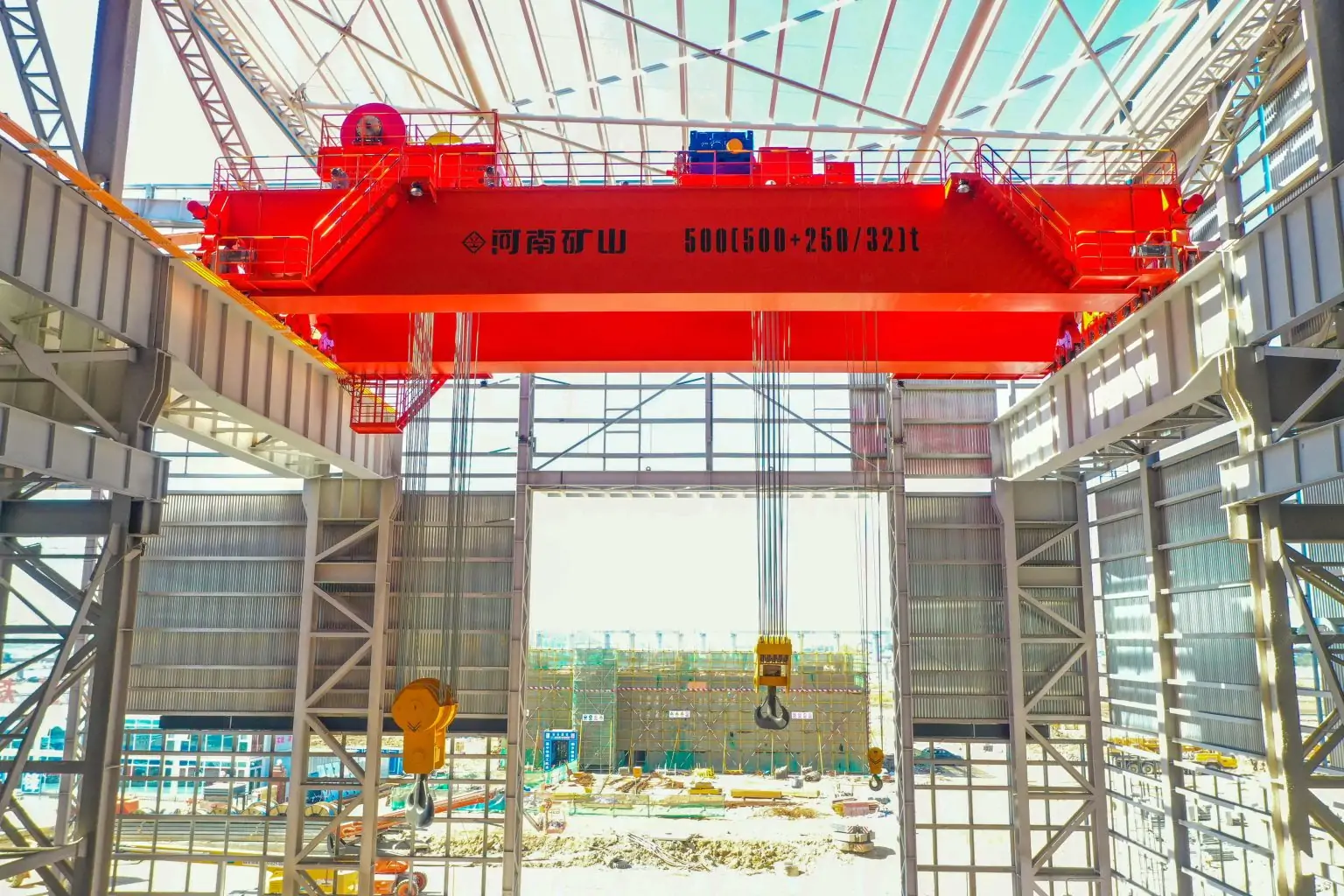
Above the dry dock of large shipyards, double girder gantry cranes with a lifting capacity of more than 500 tons are usually installed to lift hull segments that are dozens of meters long and weigh hundreds of tons to ensure the precision of segment docking.
Precast Concrete Production
Precast concrete yards are mostly open-air layouts, where the independent structure of gantry cranes has obvious advantages, and they are mainly responsible for handling bridge girders, precast panels, precast columns and other concrete components.
RTGs are most commonly used here, with flexible mobility to adapt to the irregular layout of the yard, lifting precast components from the production line to the yard for stockpiling, or directly loading trucks for transportation; single girder gantry cranes can be used for light and medium-sized components, with a greater cost advantage.
Steel Fabrication Plants
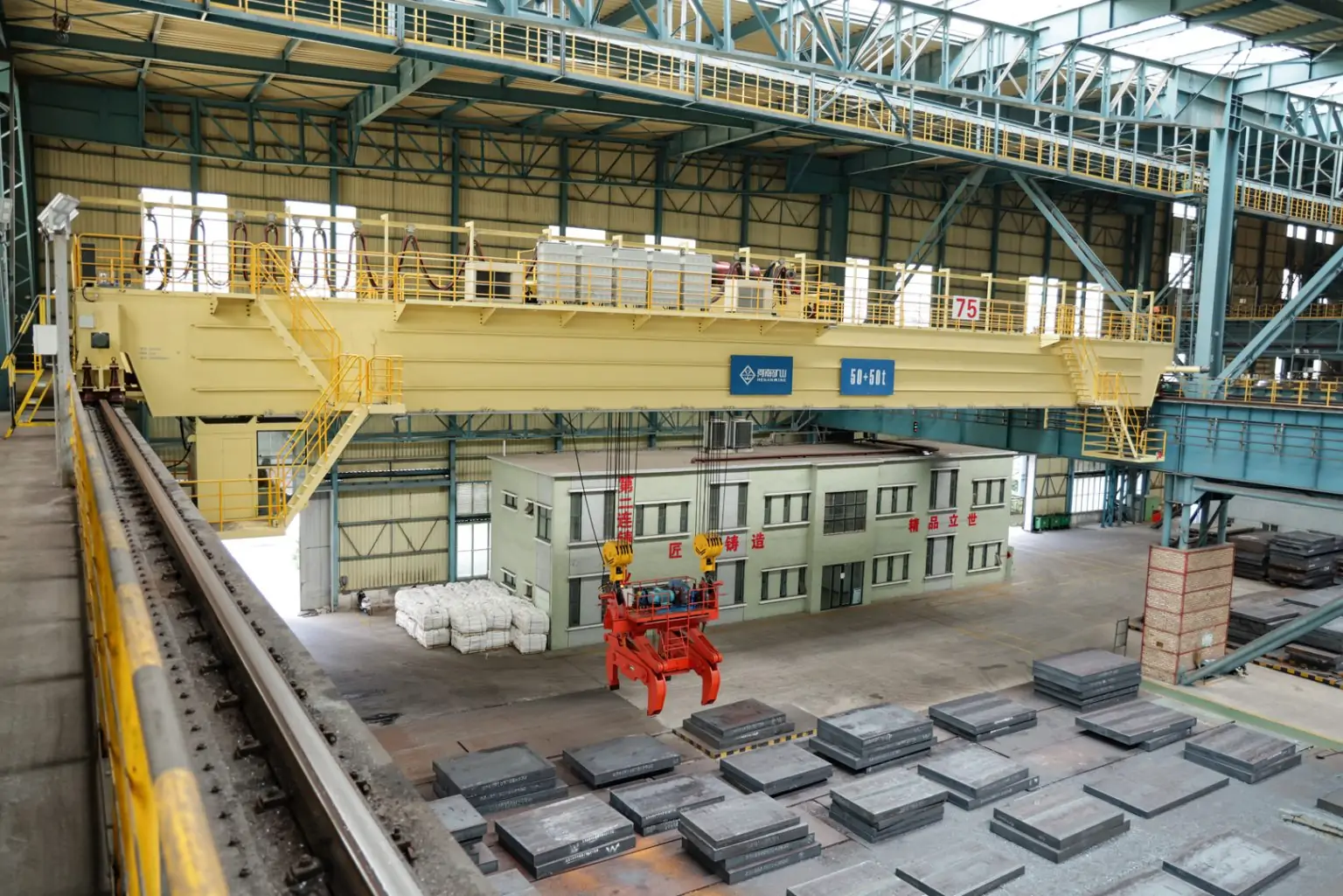
In the steel processing industry, gantry cranes are used throughout the entire process from raw materials to finished products, responsible for lifting raw materials such as steel plates and sections to the processing station, and then transferring the processed steel components to the finished product yard.
For the handling of long steel bars, gantry cranes with a double hoist configuration are often used, with the two hoists synchronized to ensure that the steel is always level and to avoid bending or collision during the handling process.
Construction and Infrastructure Projects
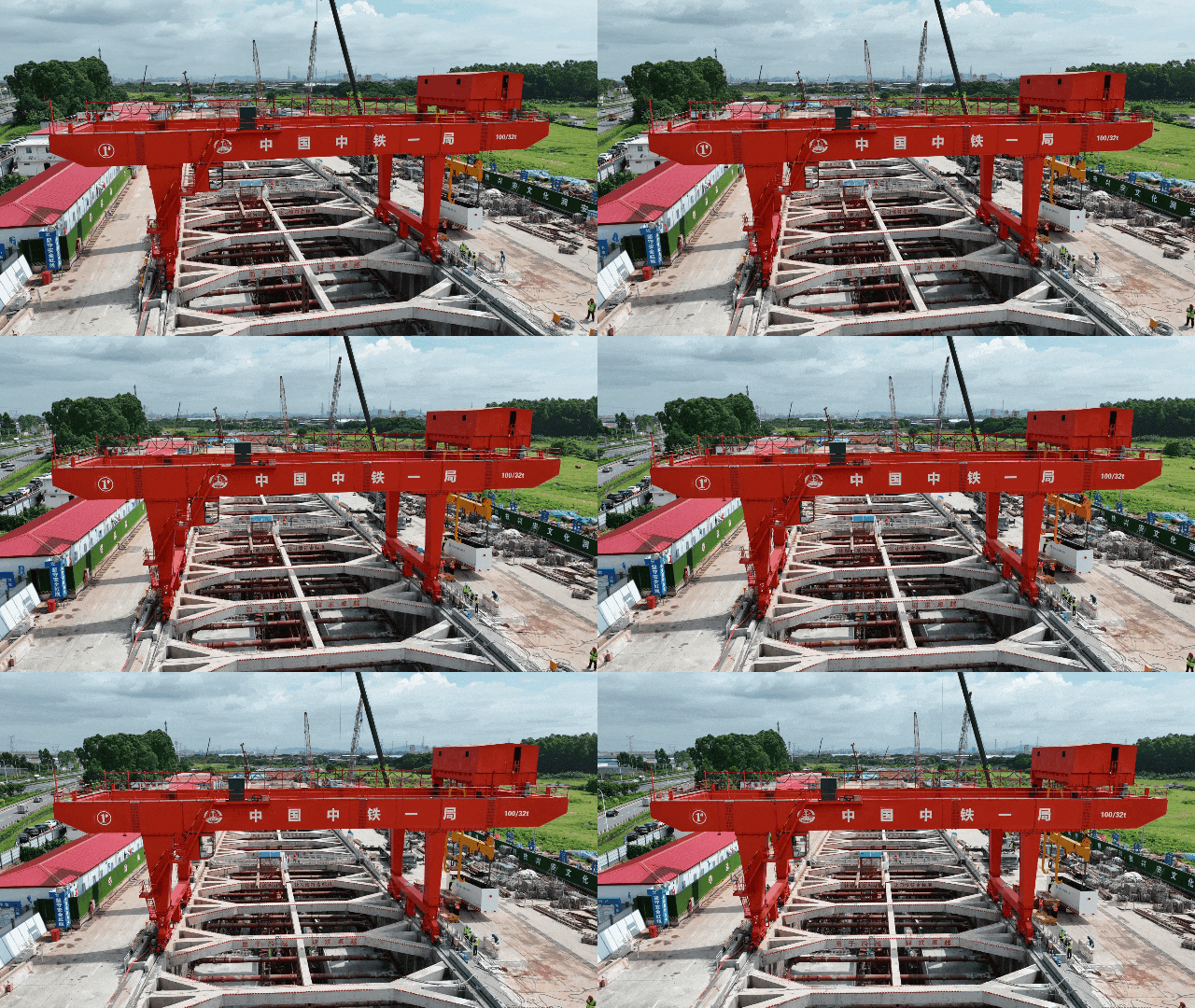
On construction and infrastructure projects, gantry cranes are mainly responsible for lifting heavy components and handling large equipment, such as prefabricated girders in bridge construction and tube sheets in tunneling projects.
The project site is mostly a temporary site, portable gantry cranes and RTG are more suitable, can be quickly installed, flexible and mobile, and can be quickly dismantled and transferred after the end of the project, reducing equipment investment costs.
Mining and Bulk Material Handling
In the field of mining, gantry cranes are mainly used for bulk material handling and equipment installation, with grabs to complete the loading and unloading of coal, ore and other materials, suitable for the operating environment of open pit mines.
The gantry cranes here need to have strong anti-corrosion and dustproof ability to cope with the dusty environment of the mines, and to avoid equipment failure affecting the progress of the operation.
Key Technical Specifications Buyers Must Understand
Procurement of gantry cranes, the core is to understand the technical parameters, parameters do not match, and then the cheap equipment is useless. These key parameters, directly determine whether the equipment can be adapted to your working conditions, must focus on.
Lifting Capacity
Lifting capacity is the core parameter of procurement, refers to the crane can safely lift the maximum load, the unit is tons. When purchasing, you can not only look at the weight of the goods themselves, but also add the weight of the spreader (grab, electromagnetic suction cups, etc.).
At the same time, it is necessary to reserve 10%-20% of the safety margin, such as the need to lift 50 tons of goods, it is recommended to choose the lifting capacity of 60 tons or more models, to avoid overloading operations, to ensure safety.
Different working conditions on the requirements of the lifting capacity varies greatly, the workshop maintenance selection of 5-10 tons can be, shipbuilding, port heavy operations require more than 50 tons, or even hundreds of tons of models.
Span Length
Span refers to the distance between the outriggers at both ends of the main beam, which determines the operating range of the crane, the unit is meters. Procurement should be determined according to the width of the site to ensure that the main beam can completely cover the operating area.
For example, in container yard, the span should be able to cover the width of 2-3 rows of containers; for workshop operation, the span should be adapted to the width of the workshop, and at the same time, the outriggers should be set aside for the safety gap with the wall and equipment to avoid collision.
Lifting Height
Lifting height refers to the maximum height that the hook can lift, the unit is meter, it should be determined according to the stacking height of the goods, the installation height of the equipment, and also reserve the top safety clearance.
For example, for container yard, the lifting height should be able to meet the storage demand of 4-6 layers of containers; for workshop operation, the height of the roof should be taken into consideration, so as to avoid hitting the roof when the hook is lifting.
Duty Classification
Duty Classification is the “durability index” of the equipment, which is classified according to FEM, ISO or CMAA standards, from A1 to A8, the higher the class, the stronger the durability of the equipment, and it is suitable for high-frequency and long-time operation.
For low-frequency operations, such as workshop maintenance, A3-A4 grade is sufficient; for high-frequency operations, such as ports and mines, it is recommended to choose A6 grade or above to avoid rapid wear and tear of the equipment.
Travel Speed & Hoisting Speed
Travel Speed & Hoisting Speed affects the working efficiency, the unit is meter/minute. For large outdoor sites, such as harbors, you can choose a slightly faster model; for indoor or precision work, you don’t need to go too fast and focus on ensuring accuracy.
Power Supply Options
The power supply options for gantry cranes are mainly cable reel, slip line and diesel generator. Indoor work is prioritized to choose cable reel or skidding line, stable power supply; outdoor no power site, you can choose diesel generator power supply.
How to Choose the Right Gantry Crane
There is no fixed standard for selection, the core is “fit the working condition”, do not have to pursue high configuration, suitable for their own is the most economical and practical. Share a few practical ideas to help you avoid the pit.
First clear load demand, calculate the maximum weight of the goods + spreader weight, reserve a safety margin, determine the lifting capacity; then look at the site conditions, outdoor or indoor, with or without a fixed track, site width, determine the crane’s mobile mode and span.
Then consider the frequency of operation, high-frequency operations choose high working level, double girder models, low-frequency operations choose single girder, portable models, to reduce costs; and finally take into account the future expansion, such as the possibility of increasing the load or expanding the site in the later stage, the selection of a certain amount of margin reserved.
Gantry Crane Cost Factors
Many purchasers only focus on the price of the equipment itself, ignoring the later installation and maintenance costs, resulting in total investment beyond the budget. In fact, the cost of the gantry crane is the sum of “equipment price + installation price + maintenance price”.
What Affects the Price?
Lifting capacity and span is the core factor affecting the price, the larger the lifting capacity, the longer the span, the more steel is used, the higher the price; double girder models are more expensive than single girder, because the structure is more complex, stronger carrying capacity.
The level of automation will also affect the price, remote operation, automated stacking, collision avoidance systems and other configurations, will increase the cost; outdoor operation requires anti-corrosion, windproof configurations, will also enhance the price of equipment.
Customization requirements, such as special spans, lifting heights, and corrosion protection levels, will increase design and manufacturing costs, and the cycle time will be extended accordingly.
Budgeting Tips for Industrial Buyers
When purchasing, it is important to consider the whole life cycle costs, not just the initial equipment price. For example, a cheap single-main-beam model has a low initial investment, but high wear and tear during high-frequency operations and high maintenance costs later; a double-main-beam model is expensive initially, but has strong durability, making it more cost-effective in the long term.
Installation costs should also be accounted for in advance, rail-type models need to lay tracks, installation costs are higher than the tire type; outdoor models should also consider the cost of infrastructure, to avoid additional investment later.
At the same time, reserving a certain amount of maintenance budget for regular inspection and replacement of parts can extend the service life of the equipment and reduce the losses caused by malfunctions and downtimes.
Safety Features to Look For
Industrial lifting operations, safety is the first place, procurement must check the safety configuration of the equipment, the lack of these configurations can avoid many safety accidents.
Overload protection device is the core safety configuration, when the lifting load exceeds the rated value, it will automatically stop the operation, to prevent equipment damage and load falling; travel limit switch, to limit the lifting height of the hook and the operating range of the crane, to avoid collision.
Outdoor operation of gantry cranes must be equipped with windproof devices, such as windproof cable, wind speed monitor, to prevent the equipment from being blown over in windy weather; anti-shaking technology can reduce load shaking, enhance the accuracy of lifting, and avoid material collision.
Emergency braking system can quickly stop the machine in case of sudden failure to ensure the safety of personnel and equipment; some high-precision operation models are also equipped with collision avoidance system to avoid collision with other equipment and obstacles.
Automation and Smart Technologies
Nowadays, many industrial scenarios are promoting automation, and gantry cranes are no exception. Appropriate intelligent configurations can enhance operational efficiency and reduce labor costs.
PLC control system, can realize the automatic operation of the crane, such as automatic positioning, automatic stacking, reduce manual intervention, suitable for high-frequency, repetitive operations, such as container yard.
Remote operation function allows the operator to control the equipment in a safe area, avoiding the risk of working at height or in a dangerous environment; GPS positioning system, mainly used for RTG, can accurately locate the position of the equipment and improve operational efficiency.
Anti-collision system and intelligent monitoring system can monitor the real-time operation status of the equipment, timely detection of faults and reduce downtime, but these configurations will increase the cost, and can be selected according to the operational requirements.
Installation and Maintenance Considerations
Installation and maintenance of gantry cranes directly affect the service life of the equipment and operational safety, and must be considered in advance when purchasing to avoid trouble later.
Foundation Requirements
Rail-type gantry cranes need to lay a special track, the foundation should be able to withstand the self-weight of the equipment and lifting loads, to avoid deformation of the track; tire-type models, the ground is required to be flat, solid, and the carrying capacity to meet the needs of the equipment operation.
For large gantry cranes, a special foundation needs to be poured to ensure that the equipment does not tilt or shake during operation, and the foundation construction should be in accordance with the specifications, otherwise it will affect the stability of the equipment.
Inspection and Preventive Maintenance
After the installation of the equipment, a comprehensive inspection should be carried out to ensure that the components are firmly connected and the electrical system is normal; in daily use, wire rope, hooks, bearings and other vulnerable parts should be checked regularly, and the worn parts should be replaced in time.
Regularly lubricate the moving parts to prevent rust and wear; outdoor models should be well anticorrosive treatment, and regularly check the anticorrosive coating to avoid rust and corrosion of steel and prolong the service life of the equipment.
Spare Parts Availability
When purchasing, make sure that the supplier can provide sufficient spare parts, such as wire rope, hooks, bearings and other wear parts, to avoid the lack of spare parts can not be repaired in time when the equipment fails, affecting the progress of the operation.
Comparing Gantry Crane Options
When purchasing, you often need to choose between different types of gantry cranes, using a comparison table can quickly clarify the differences and make the right choice, the following are the most commonly encountered in the procurement of several groups of comparisons:
| Comparison Dimension | Gantry Crane | Overhead Crane |
| Support Structure | With independent legs, fixed on the ground, no reliance on workshops | No legs, main girder suspended on the track of the workshop roof |
| Working Environment | Mainly outdoors, also applicable to large indoor workshops | Indoor only, dependent on workshop structure |
| Cost Investment | Requires separate foundation/track laying, slightly higher initial investment | Relies on workshop tracks, lower initial investment |
| Suitable Scenarios | Ports, yards, outdoor construction sites, large precast yards | Workshops, indoor production lines, warehouses |
Common Buying Mistakes to Avoid
Many purchasers because of the lack of experience, easy to make some low-level mistakes, resulting in equipment can not be adapted to the working conditions, and even increase the additional cost, these misunderstandings must be avoided.
The most common mistake is underestimating the level of work. For example, if you choose a low-level model for high-frequency work, the equipment will wear out quickly, doubling the maintenance cost later on, and even requiring early replacement of the equipment.
Only look at the price of the equipment, ignoring the whole life cycle costs. Some cheap models, the initial investment is low, but poor durability, frequent maintenance, long-term total investment is higher.
Ignore the site conditions, such as outdoor operations selected without anti-corrosion configuration of the model, the equipment is easy to rust; site is narrow but selected a large span model, can not be installed and used properly.
Do not verify the supplier’s ability, some suppliers do not have the appropriate production qualifications, the quality of the equipment can not be guaranteed, the later failure, can not provide timely after-sales support, affecting the progress of the operation.
Do not pay attention to the safety configuration, in order to save costs, choose no overload protection, limit switch models, easy to cause safety accidents, the loss is not worth it.
Frequently Asked Questions
How much does a gantry crane cost?
The price of a gantry crane has no fixed value, mainly depends on the parameters and configuration. Conventional single girder model, lifting capacity of 5-30 tons, the price is about tens of thousands to hundreds of thousands; double girder model, lifting capacity of more than 50 tons, the price ranges from hundreds of thousands to millions.
Automation configuration, anti-corrosion grade, customization needs, will increase the cost, procurement should be combined with their own budget and working conditions, reasonable choice of configuration, do not blindly pursue high prices.
What is the maximum capacity of a gantry crane?
The lifting capacity of a gantry crane can be customized according to the needs of the conventional models in the 5-100 tons, the heavy-duty models can reach 500-1000 tons or more, mainly used for shipbuilding, offshore engineering and other heavy-duty operation scenarios.
At present, the largest lifting capacity of gantry cranes in the industry can reach more than 2,000 tons, which is used for the lifting operation of super-large offshore platforms and giant ships.
Which is better: RMG or RTG?
There is no absolute advantage or disadvantage between the two, the core depends on the site and demand. For fixed site, high-density stockpiling and automated operation, choose RMG; for temporary site, flexible layout and no rail, choose RTG.
Port automation yard preferred RMG, small and medium-sized ports, temporary yard choose RTG, more cost-effective, more adaptable.
How long does a gantry crane last?
Under normal maintenance, the service life of a gantry crane is 15-20 years, the higher the working level and the better the maintenance, the longer the service life.
The higher the level of work and the better the maintenance, the longer the service life. The service life of high-frequency operation models may be shortened to 10-15 years; low-frequency operation, proper maintenance, can be used for more than 20 years, or even longer.
Can gantry cranes be customized?
Yes, customization is one of the core advantages of gantry cranes. Almost all parameters can be customized, such as lifting capacity, span, lifting height, moving mode, but also according to the operating environment can be customized anti-corrosion, explosion-proof, windproof and other configurations.
Customized models require a certain design and production cycle, the price will increase accordingly, the purchase should be planned well in advance.
What certifications are required?
Different regions have different certification requirements, commonly used in the domestic GB standards, CE certification; export models need to meet local standards, such as North America’s CMAA certification, Europe’s FEM certification.
Before the equipment leaves the factory, it needs to provide qualified certificates and test reports; after installation, it needs to undergo professional testing and obtain a license before it can be put into operation.
Why Choosing the Right Manufacturer Matters
Gantry crane is a long-term investment, the quality of equipment and after-sales support, directly affecting the safety and efficiency of later operations, choose a reliable manufacturer, can avoid a lot of trouble.
Priority is given to manufacturers with rich engineering experience and production qualifications, who can provide professional selection advice according to your working conditions to avoid selection bias; at the same time, perfect after-sales support can provide timely maintenance and supply of spare parts when the equipment fails to reduce downtime.
Also pay attention to the manufacturer’s case reference to see if they have experience in supplying equipment for similar working conditions, such as port gantry cranes, give preference to manufacturers with port project cases, the quality is more guaranteed.
Conclusion
Procurement of gantry cranes, the core of the “fit for the conditions, taking into account the cost, to protect safety”, it is not simply “buy equipment”, but to choose a long-term adaptability to their operational needs, reduce operating costs, and protect the operational safety of the solution.
Understand the type, parameters, cost, avoid common misconceptions, combined with their own load requirements, site conditions, frequency of operation, you can choose the right model. If you are not sure, you can let the manufacturer provide professional selection program, combined with the site layout and operational needs, accurate matching equipment.
Remember, gantry crane is a long-term investment, spend more time in the early stage to clarify the needs, choose the right model and manufacturer, later you can reduce failures, reduce costs, and realize efficient and safe lifting operations.
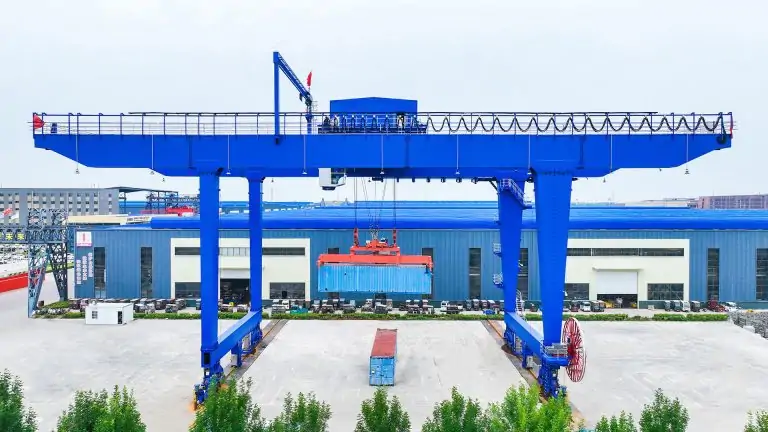
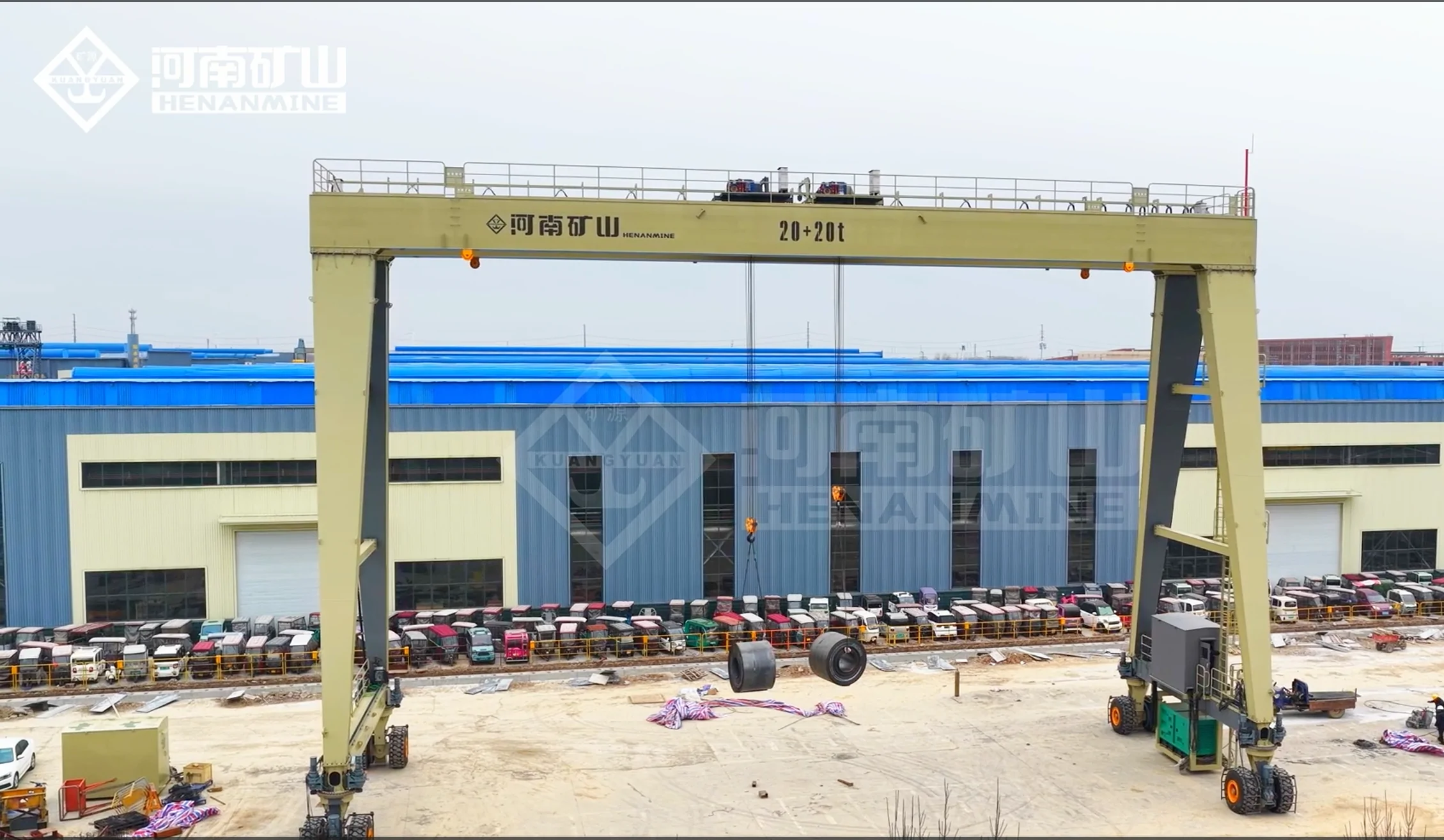
Henan Mine Crane manufactured Automated Container Gantry Crane
Henan Mine Crane Factory Custom
If you are purchasing a gantry crane for your project and are not sure whether the lifting capacity, span and other parameters match the working conditions, you may want to submit your project site layout and load requirements, our engineers will provide you with a free selection assessment.
Henan Mine Crane Factory supply, as a professional crane manufacturer, integrates R&D, design, manufacturing, sales and service to provide customers Please feel free to contact us, we will provide you with free design drawings, and field survey!