

SPOIL REMOVAL · BUCKET TIPPING · SEGMENT HANDLING
Gantry Cranes for Subway and Metro Construction
Move excavated material out of the shaft and keep the surface handling route working.
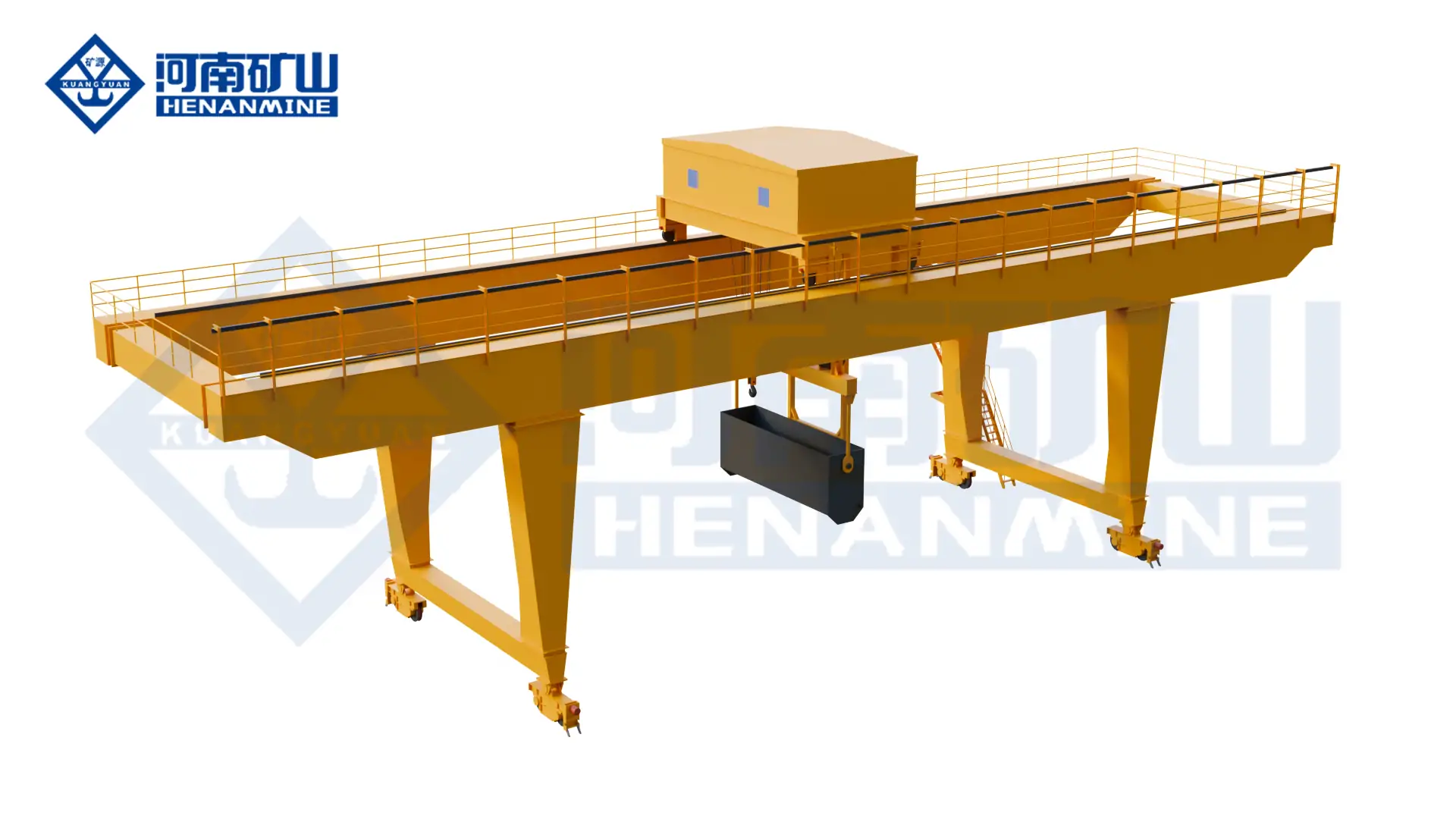
A subway construction gantry crane lifts spoil buckets from below rail level, transfers them to the discharge area and supports the specified material-handling duties. Its load capacity, lifting depth and bucket-tipping arrangement must work together through the complete cycle.
Henan Mine Crane supplies dedicated metro spoil-handling gantry cranes, U-type hook and tipping arrangements, and customized heavy-lifting configurations. Receive an equipment layout, technical schedule and itemized quotation covering your shaft, discharge point and construction sequence.
What Henan Mine Crane Supplies
The shaft-to-discharge lifting package
Gantry structure, lifting machinery, trolley, travel drives and controls selected around the loaded bucket and operating cycle. Hook coverage connects the shaft opening, tipping position and laydown area.
Bucket and segment-handling interfaces
A coordinated proposal for the lifting beam, spoil-bucket connections, tipping mechanism and segment lifting attachment. The quotation identifies which attachments are supplied and which existing equipment will be retained.
Drawings for the crane and civil works
General arrangement, hook levels, clearances and agreed wheel-load and rail-interface data support coordination with the shaft designer. The foundation and retaining structure remain part of the engineered civil works.
Manufacturing backed by metro project experience
Experience includes two 100 t cranes for the Guangfo Ring Line. Inspection records, installation guidance, commissioning, training and a spare-parts package can be included in the agreed delivery scope.
Lifting Duties Around a Metro Construction Shaft
The same site can involve repetitive spoil removal, careful lowering of tunnel segments and occasional equipment lifts. Each operation has a different load, attachment and lifting route.
| Operation | Handling task | Equipment arrangement |
|---|---|---|
| Shaft spoil removal | Raise a loaded muck bucket from the excavation to the surface. | A hoist and reeving arrangement selected for the total suspended mass, shaft depth and repeated lifting cycle. |
| Surface transfer and tipping | Move the bucket to a hopper or discharge point and return it for loading. | Bucket connections, tipping equipment and travel coverage coordinated with the receiving area and truck route. |
| Tunnel lining segment handling | Transfer precast segments from the delivery or storage area to the shaft. | An approved segment lifting attachment and a hook route that clears the shaft opening and stored materials. |
| Construction equipment handling | Lower or recover pumps, tooling and defined TBM components. | A separate assessment of component mass, lifting points, center of gravity and available clearances. |
A spoil-removal crane is not automatically suitable for lifting a complete tunnel boring machine. Heavy TBM assembly or recovery is specified as a distinct lifting operation.
75 t U-Type Subway Gantry Crane: Reference Specification
The following configuration appears in the Henan Mine Crane product selection guide for the U-type subway spoil-tipping hook gantry crane. It provides a concrete starting point for comparing a proposed arrangement.
| Parameter | Catalog configuration |
|---|---|
| Rated main lifting capacity | 75 t |
| Gantry span / travel rail gauge | 30 m |
| Maximum lifting range | 10 m above rail level; 16.5 m below rail level |
| Main lifting speeds | 1 / 10 m/min |
| Trolley travel speeds | 2 / 20 m/min |
| Gantry travel speeds | 3 / 30 m/min |
| Mechanism working levels | M6 for main lifting, trolley travel and gantry travel |
| Power supply shown | 380 V, 50 Hz, three-phase AC |
MGC metro spoil-handling configurations are also published with typical capacities of 45–50 t and lifting heights up to 100 m, depending on the design. Span, hook travel, speeds and duty are selected together for the ordered crane; values from different configurations are not interchangeable.
The technical offer states the applicable design standards, crane and mechanism classifications, operating environment, power supply and equipment boundaries. M6 is a mechanism classification and should not be treated as the overall crane duty class.
Select the Crane Around the Loaded Bucket and Full Cycle
1. Size the complete suspended load
Include the empty bucket, excavated material, lifting beam and all carried rigging. Wet spoil density and the permitted bucket fill level can change the load substantially. For segment or equipment handling, the attachment and individual lifting-point loads are assessed separately.
2. Define both the lowest and highest lifting positions
Shaft depth alone does not define the hoist. The arrangement also allows the loaded bucket to clear the shaft edge, reach the discharge position and tip without striking the structure. Henan Mine Crane shows the required above-rail and below-rail lifting envelope on the layout.
3. Connect the shaft, tipping point and truck route
Span is measured between gantry travel rail centers. The usable handling area also depends on trolley approaches, leg clearance, cantilever reach where specified, and the position of the receiving hopper. A U-type arrangement can be assessed where the load must pass through the leg area.
4. Match duty to the actual excavation output
Load spectrum, lifts per hour, operating shifts, shaft depth and transfer distance guide the machinery selection. The proposal can assess hoisting, travel and tipping as one cycle so a fast hoist is not paired with a slow discharge route.
5. Plan installation and later relocation
Gantry assembly space, mobile-crane access, transport dimensions and the construction programme affect the delivery arrangement. Where another shaft has a different span, any reconfiguration is engineered in advance and performed under an approved dismantling and reassembly procedure.
Compare Gantry Crane Configurations for Metro Projects
| Configuration | Suitable operation to assess | What changes in the proposal |
|---|---|---|
| Dedicated metro spoil-handling gantry | Repeated bucket lifting from a shaft, surface transfer and controlled tipping. | Deep lifting travel, bucket and tipping interfaces, operating duty and discharge geometry. |
| U-type hook and spoil-tipping gantry | A shaft and discharge layout requiring the U-type lifting and clearance arrangement. | Leg geometry, load passage, hoist position and the agreed tipping sequence. |
| General double-girder gantry crane | Surface equipment transfer and defined hook-lifting tasks. | Hook coverage and lifting duty; shaft depth and tipping equipment must be specified if required. |
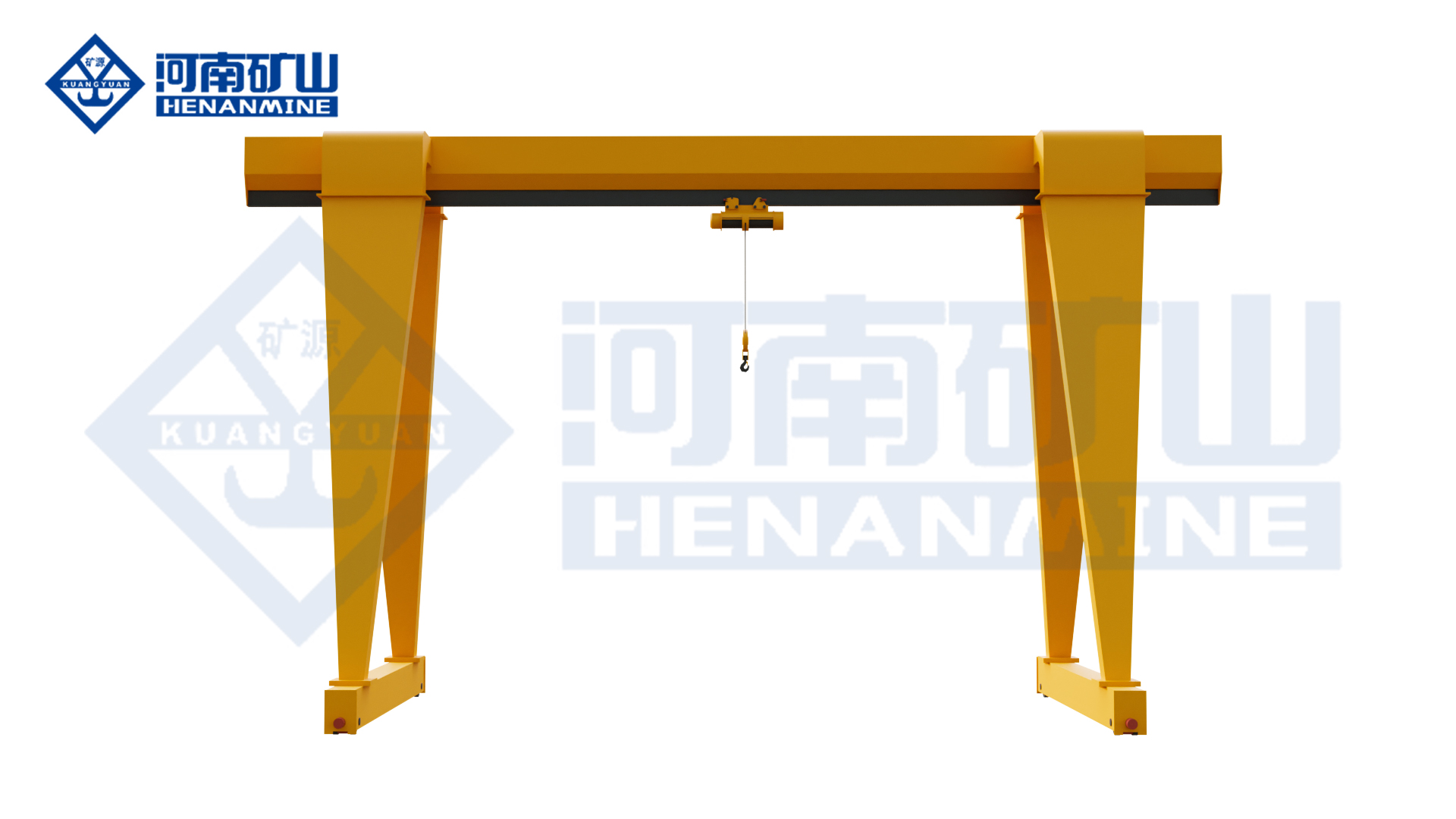
| Single-girder gantry crane | Suitable surface stores, lighter supporting work and material transfer. | Electric-hoist capacity, available lifting travel and duty for the actual task. |
| Truss gantry crane | Surface storage and transfer where the truss arrangement fits the project. | Structure, load envelope and outdoor conditions; deep-shaft muck duty requires a separate assessment. |
A general-purpose gantry and a dedicated shaft crane can have similar rated tonnage while differing greatly in hoist depth, machinery duty, attachments and cost.
Bucket Tipping and Spoil Throughput
For repetitive excavation work, the useful measure is the amount of spoil removed through a complete operating cycle. Hoist speed alone does not establish hourly output.
Coordinate the bucket, lifting beam and discharge equipment
Dedicated metro arrangements can incorporate a hydraulic tipping mechanism and special lifting connections. Selected MGC configurations offer a 180-degree rotating trolley to suit the discharge direction. Rotation and tipping functions are specified options, with the bucket geometry and permitted sequence defined in the offer.
Compare complete cycles per hour
A cycle includes loading and attachment, the loaded lift, transfer, discharge, empty return and repositioning. The output assessment uses the net spoil carried per cycle and accounts for operational delays. Greater shaft depth increases travel time even when the bucket capacity is unchanged.
Henan Mine Crane can coordinate the crane arrangement with the planned spoil hopper, truck loading position and segment-delivery route. Keeping these interfaces on one layout helps identify conflicts before manufacturing.
Controls, Outdoor Protection and Shaft-Side Safety
| System | Scope addressed in the crane specification |
|---|---|
| Load holding and motion protection | Rated-capacity protection, hoist brakes, upper and lower travel limits, emergency stops and agreed functional checks. |
| Tipping sequence | Defined lifting connections, permitted tipping position and selected interlocks for the bucket and discharge arrangement. |
| Operator visibility | Cabin or other selected controls, with cameras and communication equipment available where the shaft limits direct visibility. |
| Outdoor travel and parking | Travel limits, buffers and project-specific wind protection, including rail clamps and anchoring arrangements where specified. |
| Rail and foundation interfaces | Design wheel reactions, rail layout, stops and anchor loads coordinated with the civil engineer responsible for the shaft-side works. |
| Inspection access | Walkways, access arrangements and maintenance space for the hoist, brakes, ropes, drives and electrical equipment. |
The operating instructions define wind limits, parking procedures and restrictions on crane motions. A loss of power requires the specified load-holding and recovery procedure; emergency lowering is a separately engineered function where required. These material-handling cranes are not specified for lifting people.
Project Example: Two 100 t Cranes for the Guangfo Ring Line
Henan Mine Crane manufactured two dedicated 100 t double-girder gantry cranes for the Foshan West–Guangzhou North section of the Guangfo Ring Line, working with China Railway First Group. The equipment handled excavation spoil and construction materials, with lifting-device travel reaching 40 m below the rails.
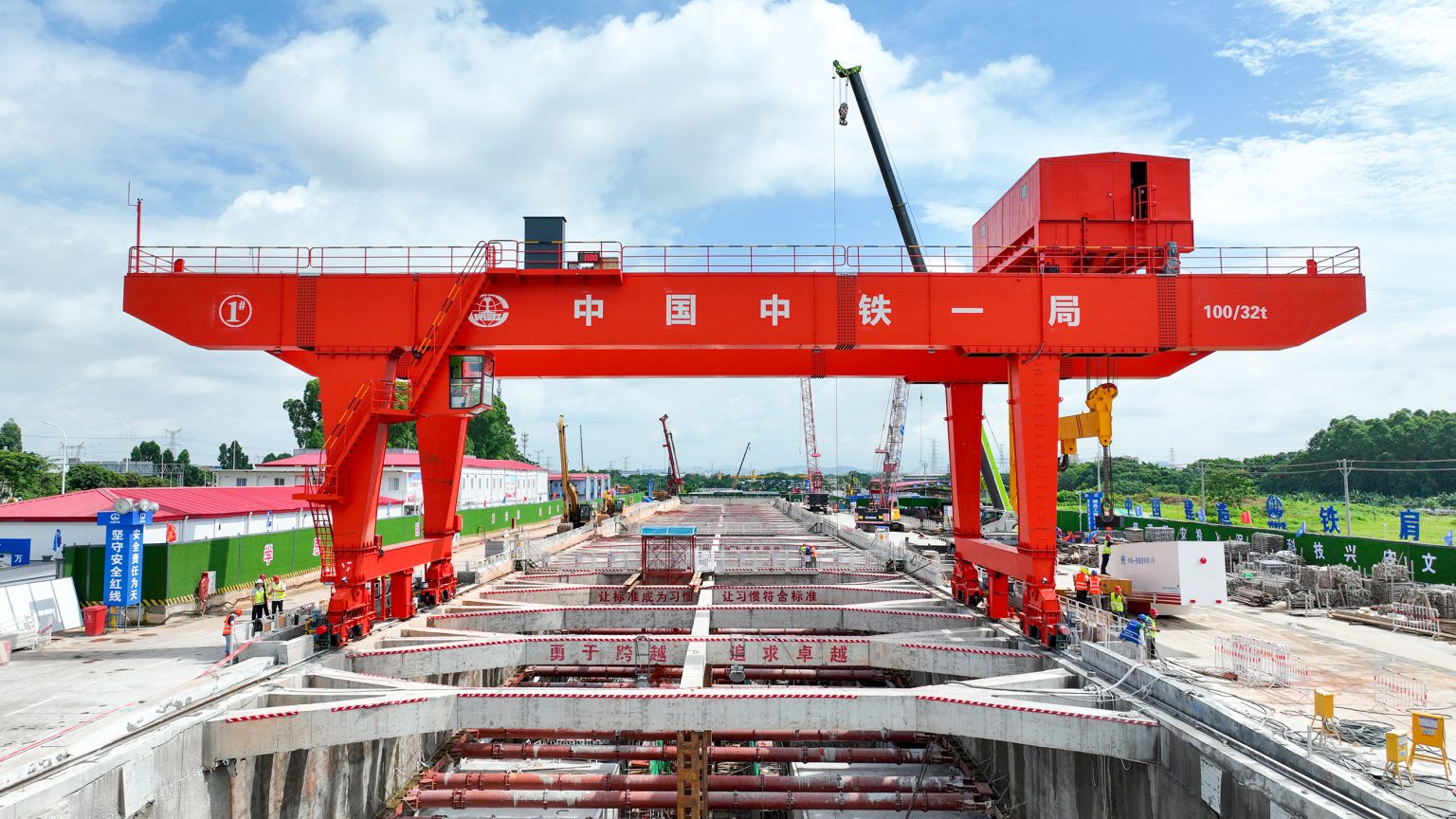
The project demonstrates a customized arrangement for a deep excavation and a substantial suspended load. Its 100 t capacity and 40 m below-rail depth describe this project; another shaft may require a different structure, hoist and operating cycle.
Engineering, Delivery and Support for Your Construction Programme
| Stage | Deliverables and agreed scope |
|---|---|
| Proposal and layout | Recommended crane arrangement, lifting and tipping concept, hook coverage, technical schedule and itemized commercial offer. |
| Interface engineering | Approved general arrangement, agreed design reactions, rail and electrical interfaces, attachment connections and site responsibilities. |
| Manufacturing and inspection | Production against the agreed specification, with the contracted inspection, assembly and functional-test records. |
| Packing and shipment | Transport and packing arrangement, shipping documentation, delivery term and unloading boundary. |
| Installation and commissioning | Contracted installation guidance or site services, commissioning checks, agreed load tests and operator training. |
| Handover and continued service | Operating and maintenance manuals, electrical drawings, component identification and agreed spare-parts and support arrangements. |
The programme distinguishes drawing approval, manufacturing completion, shipment and site commissioning. Warranty coverage, its starting point, technical support and any on-site attendance are stated in the offer. For repeated spoil handling, a recommended spare-parts list can address brakes, rope-related items, travel components, electrical devices and the tipping system.
Subway and Metro Gantry Crane Prices
For a 50/16 t metro gantry crane, allow approximately US$195,000 per set as a market budget reference. The published configuration has a 30 m span, 39 m lift, A6 duty and cabin control. Henan Mine Crane quotes against the agreed project specification.
| Published reference configuration | Span / lifting height | Duty / control | Approximate price per set |
|---|---|---|---|
| Metro construction gantry, 50/16 t | 30 m / 39 m | A6 / cabin | US$195,000 |
| General double-girder gantry, 80/10 t | 30 m / 13 m main and 11 m auxiliary | A3 / ground and remote | US$50,000 |
| 75 t U-type or customized 100 t shaft crane | Project-specific | Defined by the lifting cycle | Request an itemized project quotation |
These two different configurations span roughly US$50,000–195,000. The lower price covers a general gantry with a shorter lift and lighter duty; it does not represent an entry price for the metro crane shown. Main and auxiliary capacities are separate ratings.
Hoist depth, loaded lifting speed, duty, tipping equipment, rotating trolley, attachments and controls affect the final equipment price. Rails, rail foundations, shaft civil works, site power, freight, import charges, erection, commissioning and test arrangements are separate budget items unless expressly included. Compare the full installed scope before placing the order.
Subway and Metro Construction Gantry Crane FAQs
What is a gantry crane for subway and metro construction?
It is a gantry lifting system used around a construction shaft for spoil-bucket lifting, transfer, tipping and defined material-handling tasks. Hoist depth, bucket interfaces and duty are selected for the complete operating cycle.
What lifting capacities are available?
Published MGC configurations commonly use 45–50 t capacities. Henan Mine Crane also lists a 75 t U-type catalog configuration and has supplied two 100 t cranes for the Guangfo Ring Line. The project proposal defines the required capacity and arrangement.
How deep can a metro gantry crane lift?
Depth depends on the hoist design. The listed 75 t U-type example reaches 16.5 m below rail level; the Guangfo project reached 40 m. Published MGC designs describe lifting heights up to 100 m, subject to the selected configuration.
Can the crane handle both spoil buckets and tunnel segments?
Both tasks can be included in the engineered handling scope, with the correct lifting attachments and operating limits. The proposal checks loads, attachment changes, hook coverage and the effect on the spoil-removal schedule.
Is bucket tipping included with every gantry crane?
No. Tipping equipment, lifting connections and any rotating trolley are specified in the offer. A general hook gantry does not automatically include the machinery or controls for spoil-bucket tipping.
Can it lift a TBM for assembly or recovery?
Only when the particular component and lifting operation are included in the design assessment. A crane selected for routine spoil handling is not automatically suitable for a complete TBM or an unassessed heavy component.
How much does a metro construction gantry crane cost?
Approximately US$195,000 per set is a published market benchmark for the 50/16 t configuration described above. Henan Mine Crane quotes the specified equipment and delivery scope.
Can the crane move to another construction shaft?
Relocation can be planned around transport, dismantling, assembly and testing. A change of span, lifting depth or operating duty requires an engineering review and an approved configuration for the next site.
What is supplied with a quotation?
The proposal includes a recommended crane arrangement, technical schedule and itemized offer. Layout drawings, attachment interfaces, agreed civil-interface data, inspection documents, spare parts and contracted site services are identified in the supply scope.
Gantry Crane Equipment for Construction and Surface Handling
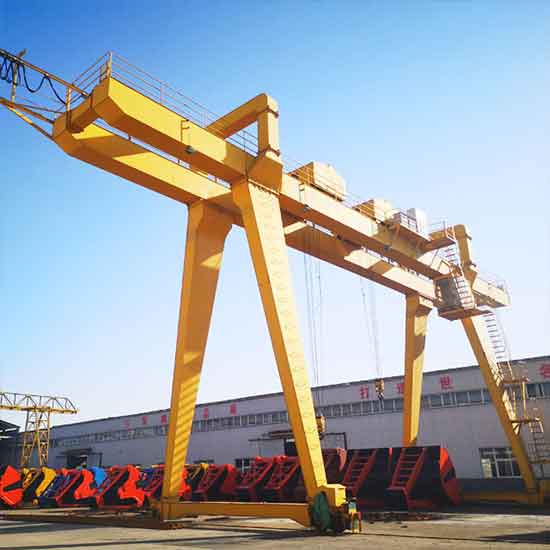
Double-Girder Gantry Crane
Compare gantry and trolley arrangements for shaft-side lifting, equipment handling and project-specific duties.
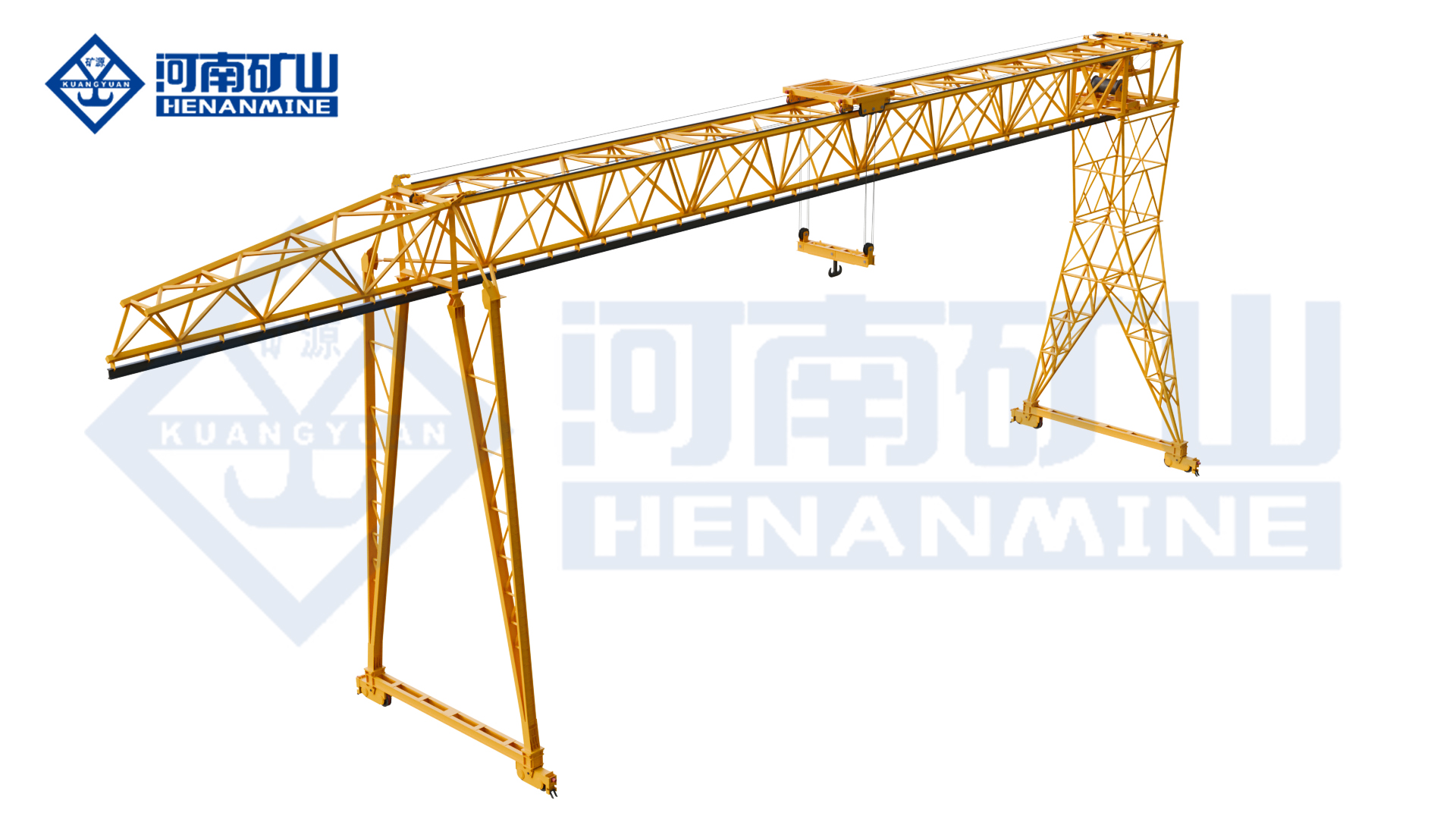
Truss Gantry Crane
A configuration to assess for surface storage yards and material transfer. Deep-shaft spoil service requires its own duty assessment.
Single-Girder Gantry Crane
An electric-hoist arrangement for suitable surface handling, stores and supporting construction tasks.
Request a Subway Gantry Crane Layout and Quote
Plan shaft lifting, spoil discharge and material supply with Henan Mine Crane.
Receive a recommended crane configuration, hook-coverage layout, equipment specification and itemized quotation. The offer identifies lifting and tipping equipment, attachment interfaces, agreed design data and the delivery and site-support package.
Start with a shaft layout and the loaded bucket mass. Include the lowest pickup level, discharge position, target cycles per hour, segment or equipment lifts, site power and delivery destination where available. Existing bucket drawings or site photographs help define the connections and clearances.
Email: info@hnksglobal.com | WhatsApp: +86 188 3620 7779