
Choosing an Overhead Crane System for a Manufacturing Facility
In the operation system of modern manufacturing plant, lifting equipment is the core equipment connecting the whole process of production, warehousing and transportation, and overhead cranes, gantry cranes and other types of overhead crane systems, but also to determine the workshop productivity, operational safety and space utilization is the key to the workshop.
A set of suitable lifting equipment, can significantly shorten the material transfer time, the liberation of ground space, to protect the heavy workpiece handling safety and stability throughout.
This all-round purchase guide will teach you step by step to find the right lifting equipment to match their own working conditions, to help enterprises to accurately select the type, to achieve efficient, safe and low-cost material handling operations.
Why the Right Overhead Crane Matters for Manufacturing
Core Benefits of Overhead Cranes in Production
Compared with forklifts and stacker trucks, overhead cranes have become the preferred equipment for manufacturing workshops due to their suspended structure, which has significant core benefits. It does not take up floor space, can maximize the use of plant area, easy to plan production lines and storage areas, especially suitable for high-density production workshop.
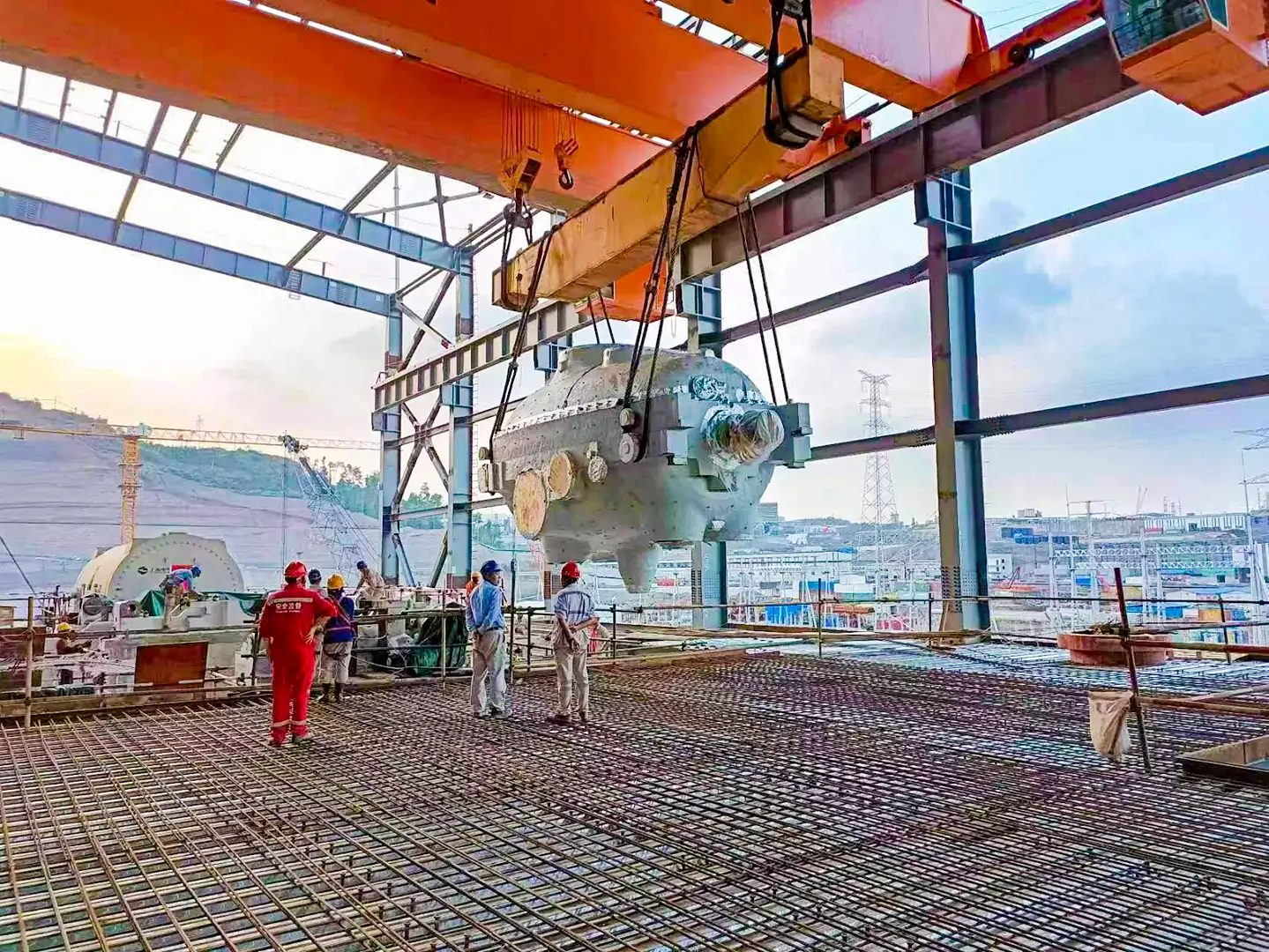
At the same time, the overhead crane can realize three-dimensional flexible movement, not only can transfer heavy workpieces, but also accurately docking assembly stations, suitable for machinery, automotive, hardware, logistics and other industries, easy to carry heavy, bulky, shaped materials, to make up for the shortcomings of the operation of manual and small equipment.
Special Considerations for Existing Factories
Old factory crane selection, and the logic of the new plant is different, do not blindly pursue high matching, the core principle is to adapt to the existing plant structure, do not force the transformation to accommodate the equipment. Old plant load bearing, floor height, spacing are fixed parameters, rash installation of large-span, high-load models, very easy to cause safety hazards, high cost of rectification later, but also cause a long period of downtime.
Assessing Your Manufacturing Requirements
The first step in choosing a crane is to comprehensively sort out your own manufacturing requirements and accurately approve the parameters to avoid blind purchasing.
Load Capacity
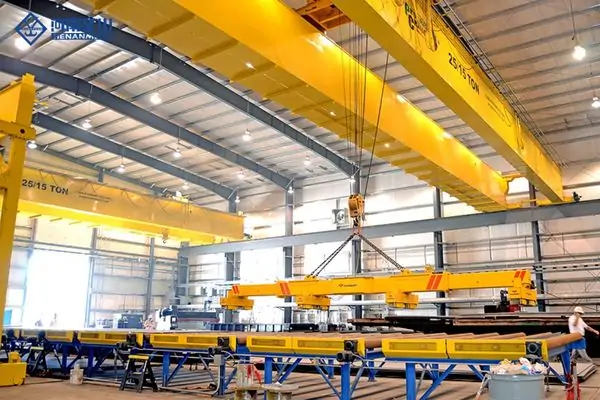
Load capacity is the core parameter of the crane, must accurately account for the maximum weight of materials handled by the workshop daily, as a benchmark for selection. When selecting cranes, you can't just choose the model according to the average weight, but must reserve a safety margin to cover the heaviest load in all production scenarios, so as to prevent safety accidents caused by overloading operations.
Lift Height
Lift height refers to the vertical distance of the hook from the lowest point on the ground to the highest working point, which needs to be determined by combining with the height of the workshop, the height of material stacking and the demand of assembly work.
For example, if there are high-level shelves and high-station assembly operations in the workshop, it is necessary to choose the equipment with larger lifting height; if it is only ground transfer and simple assembly, the conventional lifting height can meet the demand. When calculating, it is necessary to reserve sufficient margin to avoid the inability to complete normal lifting operations due to insufficient height.
Span & Reach
Span and work radius determine the coverage of the crane. Span refers to the lateral distance between the two ends of the crane's main beam, that is, the width of the workshop that can be covered by the equipment; work radius refers to the maximum extension distance of the trolley and the hook from the main beam or column, which determines the lateral coverage of the equipment.
Frequency of Use
The frequency of use of the equipment directly determines the configuration level of the crane, which is divided into two kinds of heavy-duty working conditions and light-duty working conditions.
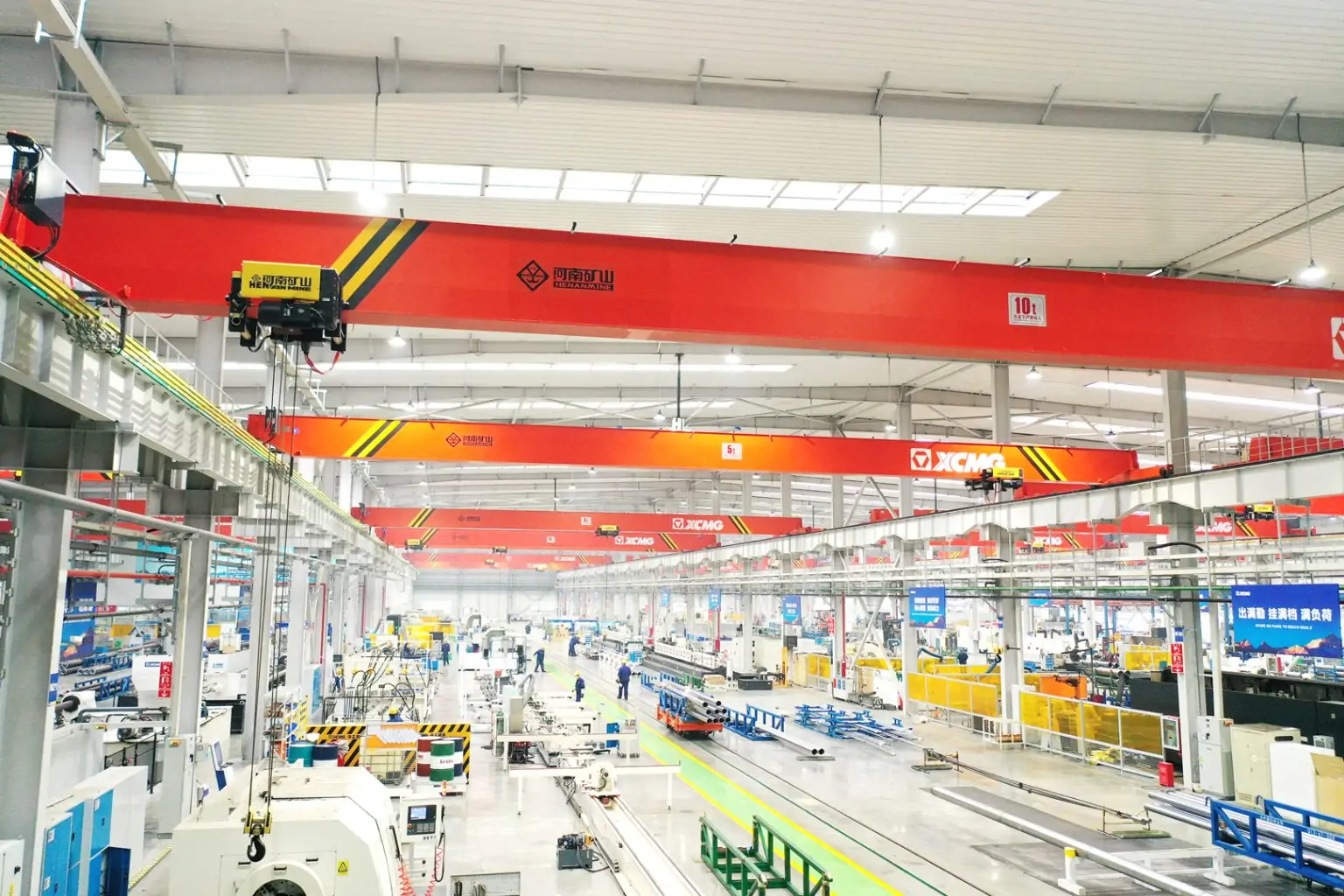
If it is a 24-hour continuous operation, high-frequency transit production line, you need to use thickened steel, high-power motors, high-strength parts of the heavy crane;
if it is occasional use, low-frequency operation of the workshop, choose a light, economical equipment can be used to meet the needs of the use, but also control the cost of the initial investment.
Application Type
Different production scenarios, there are differences in the type of crane. Mechanical assembly workshop needs accurate positioning, smooth operation of the equipment;
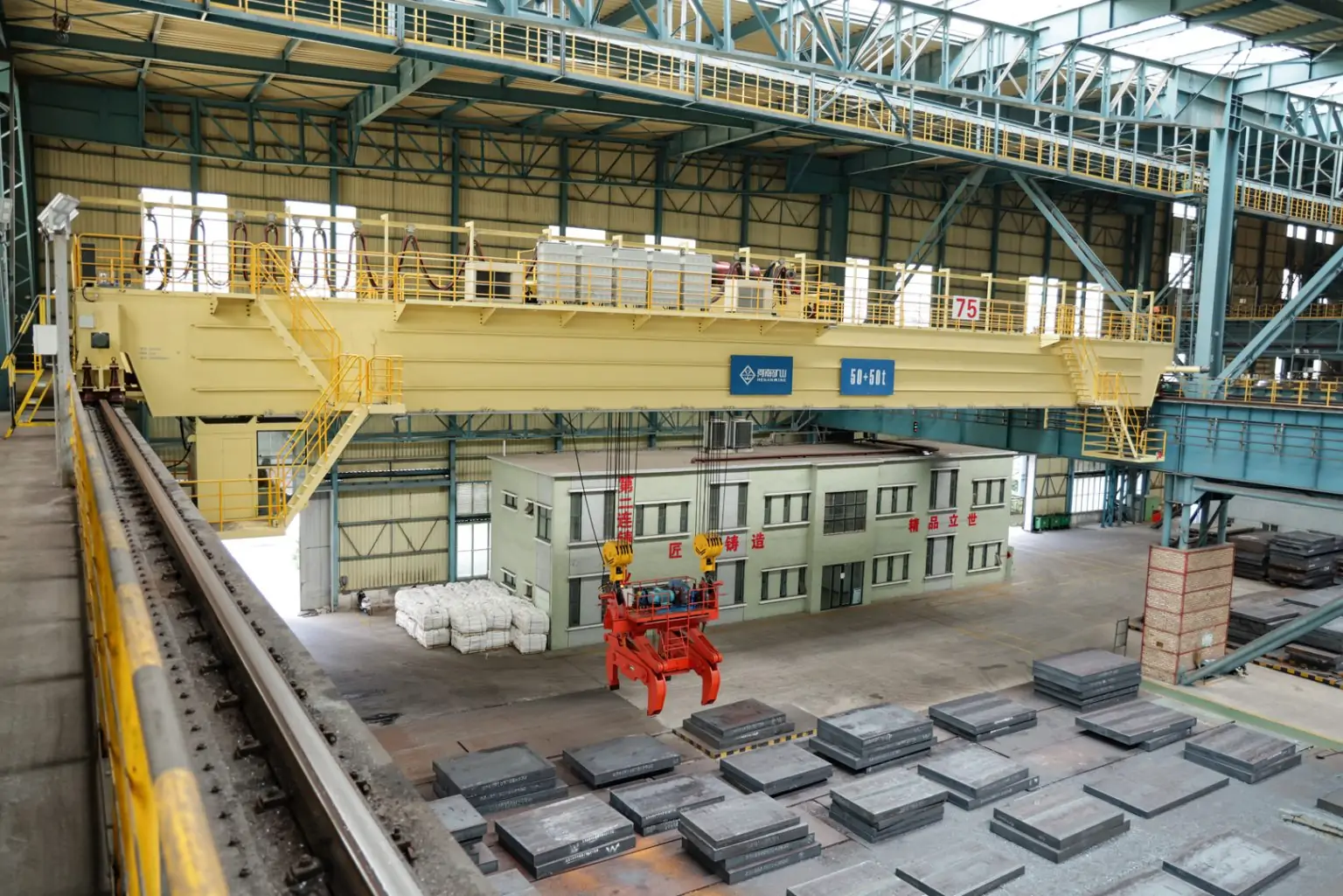
heavy-duty processing workshop needs a large load, high strength cranes; warehousing and logistics areas need to cover a wide range of models, high transit efficiency;
small processing stations are suitable for local lifting equipment. Clearly their own application scenarios, in order to target selection, so that cranes are better integrated into the production process, play a maximum role.
Understanding Types of Crane Systems
Overhead Bridge Cranes (Single/Double Girder)
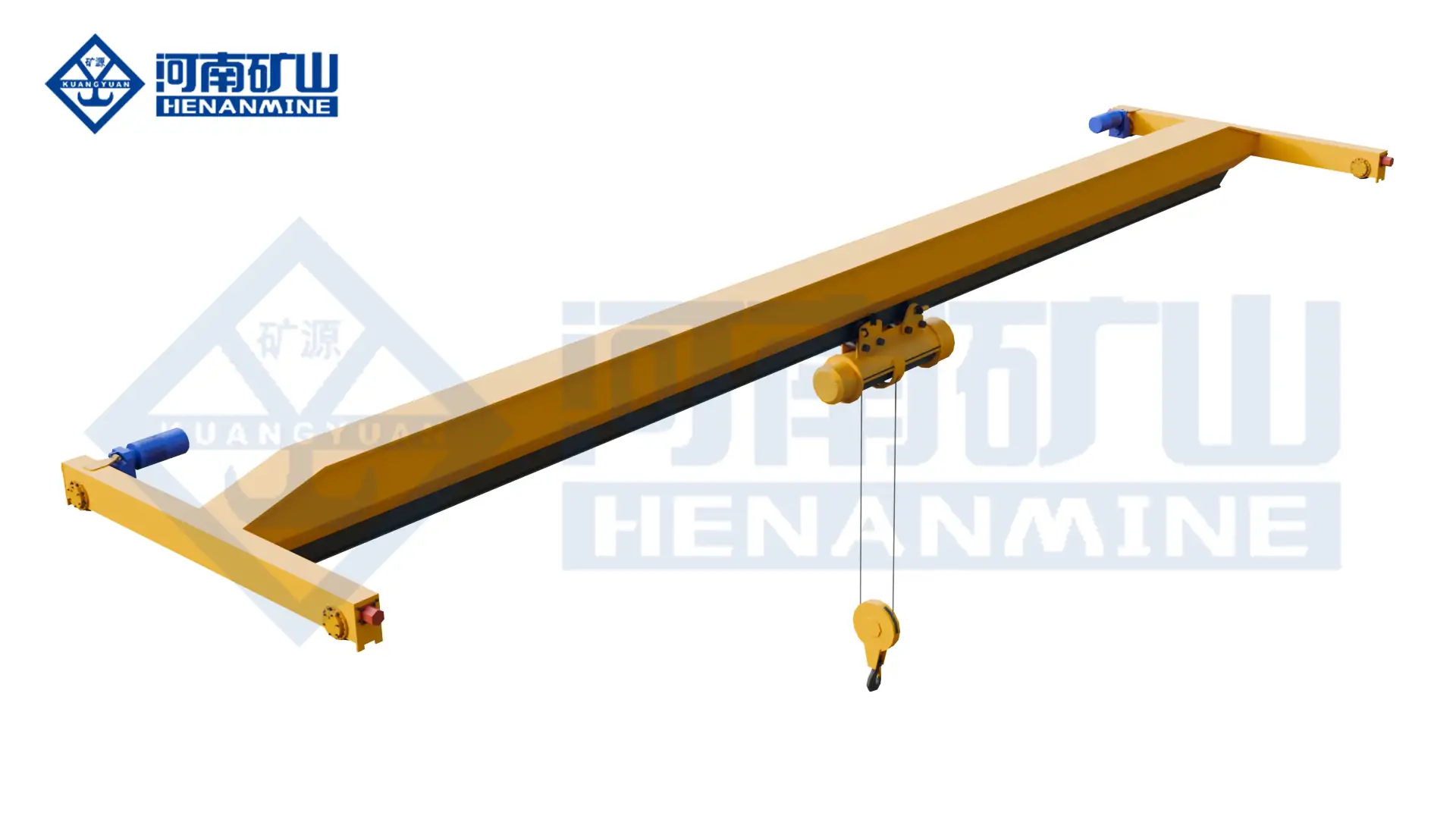
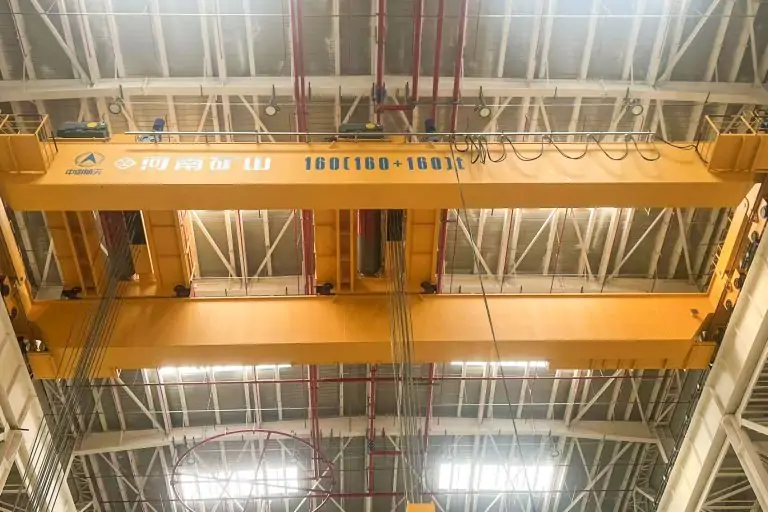
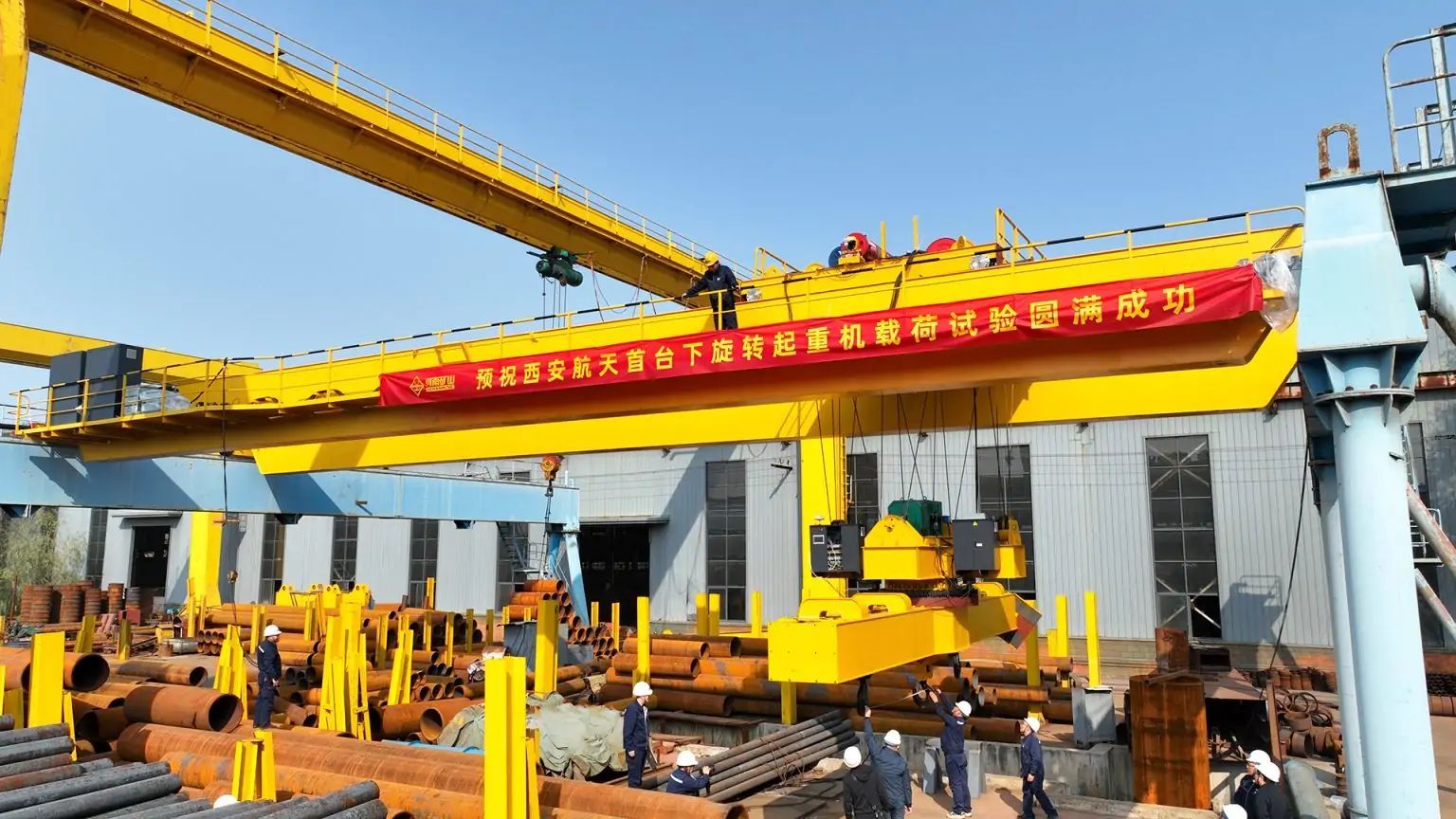
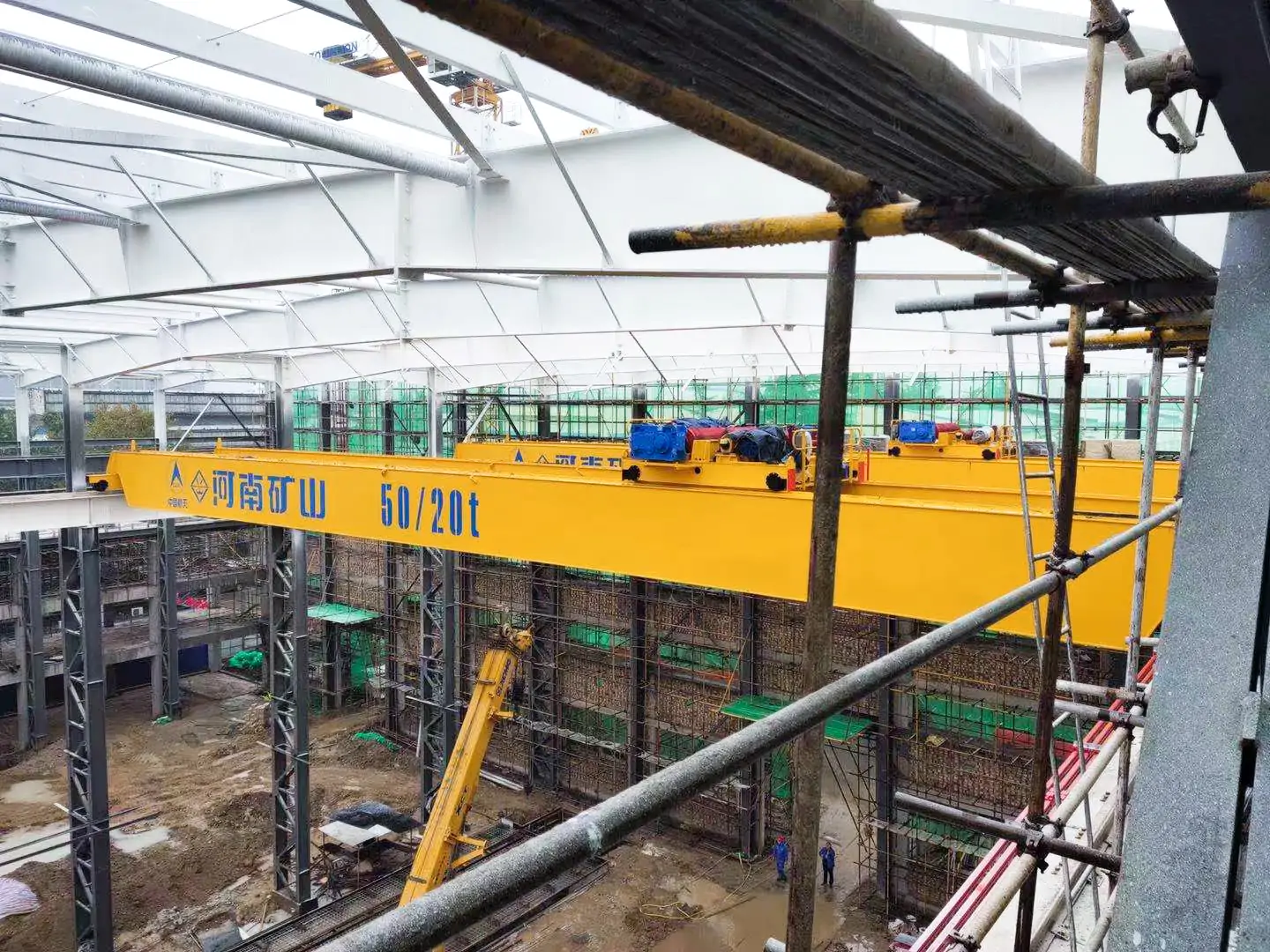
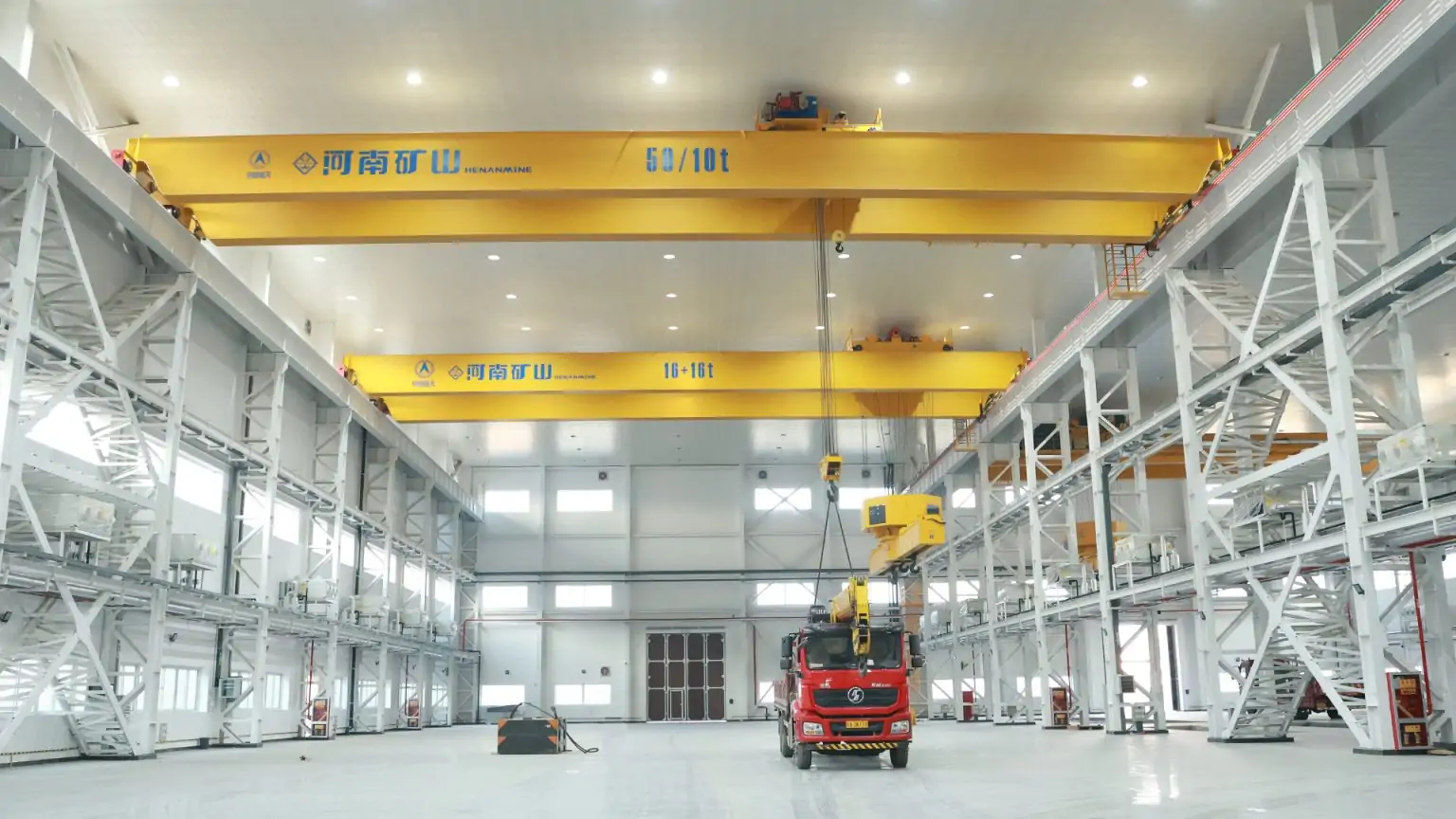
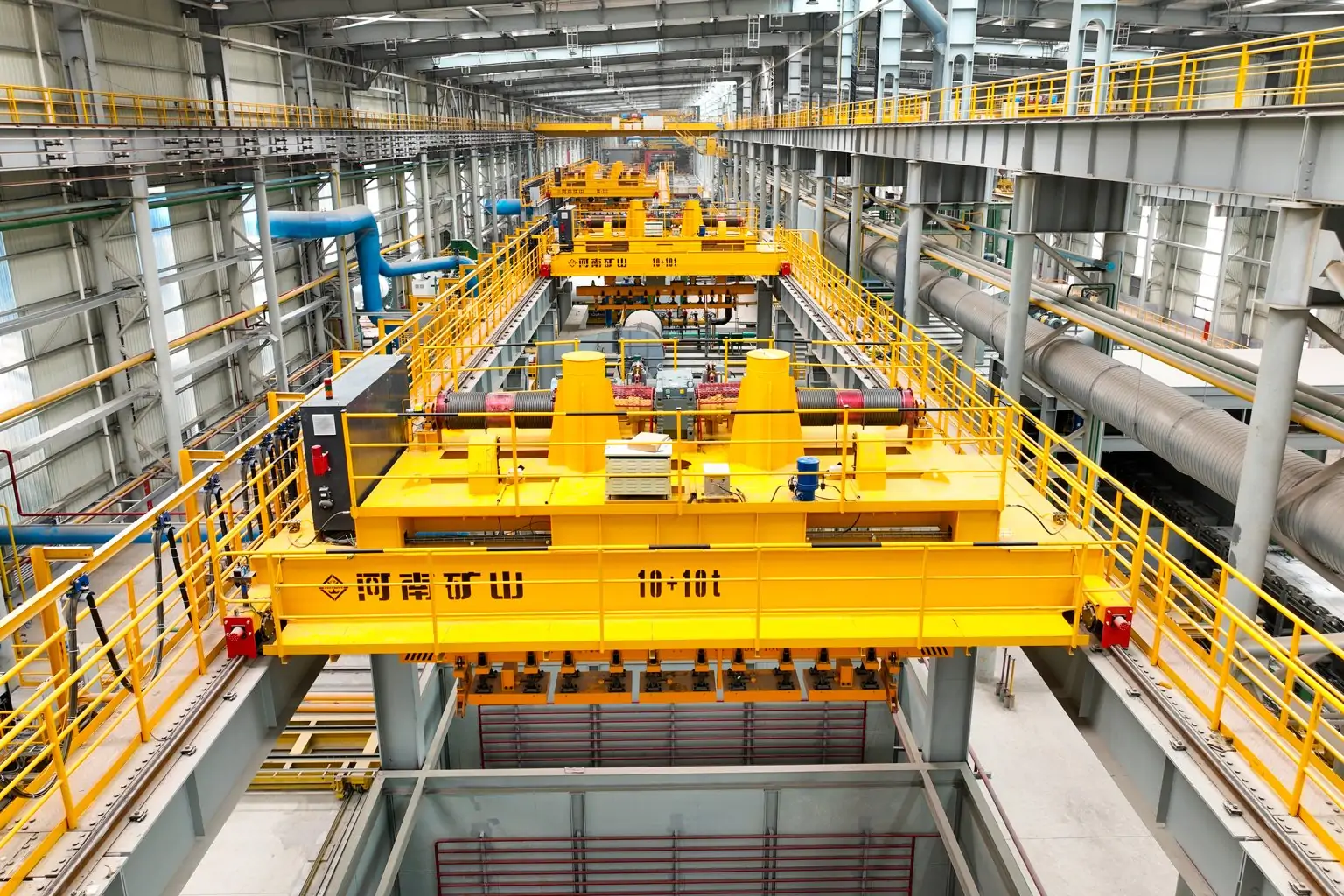
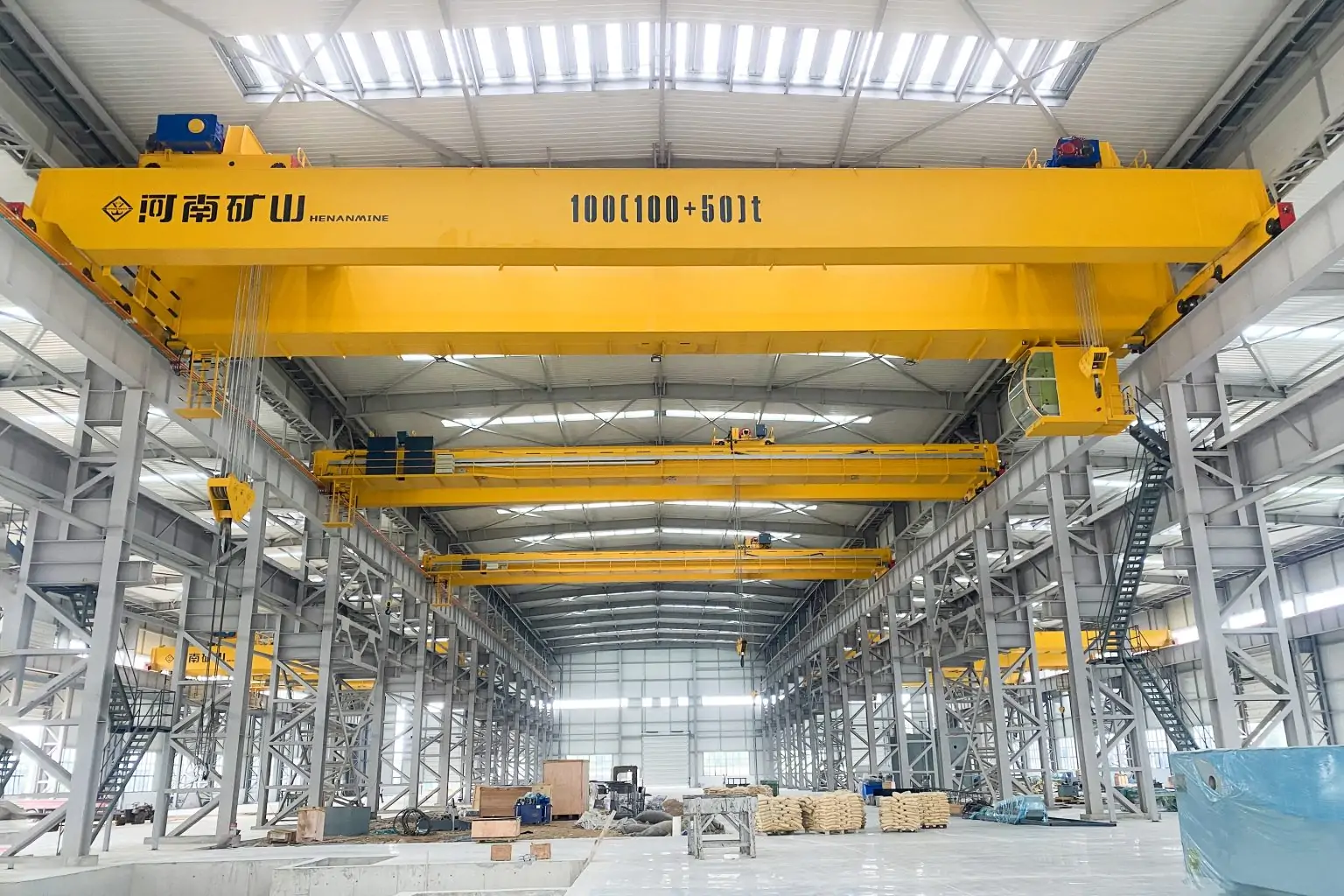
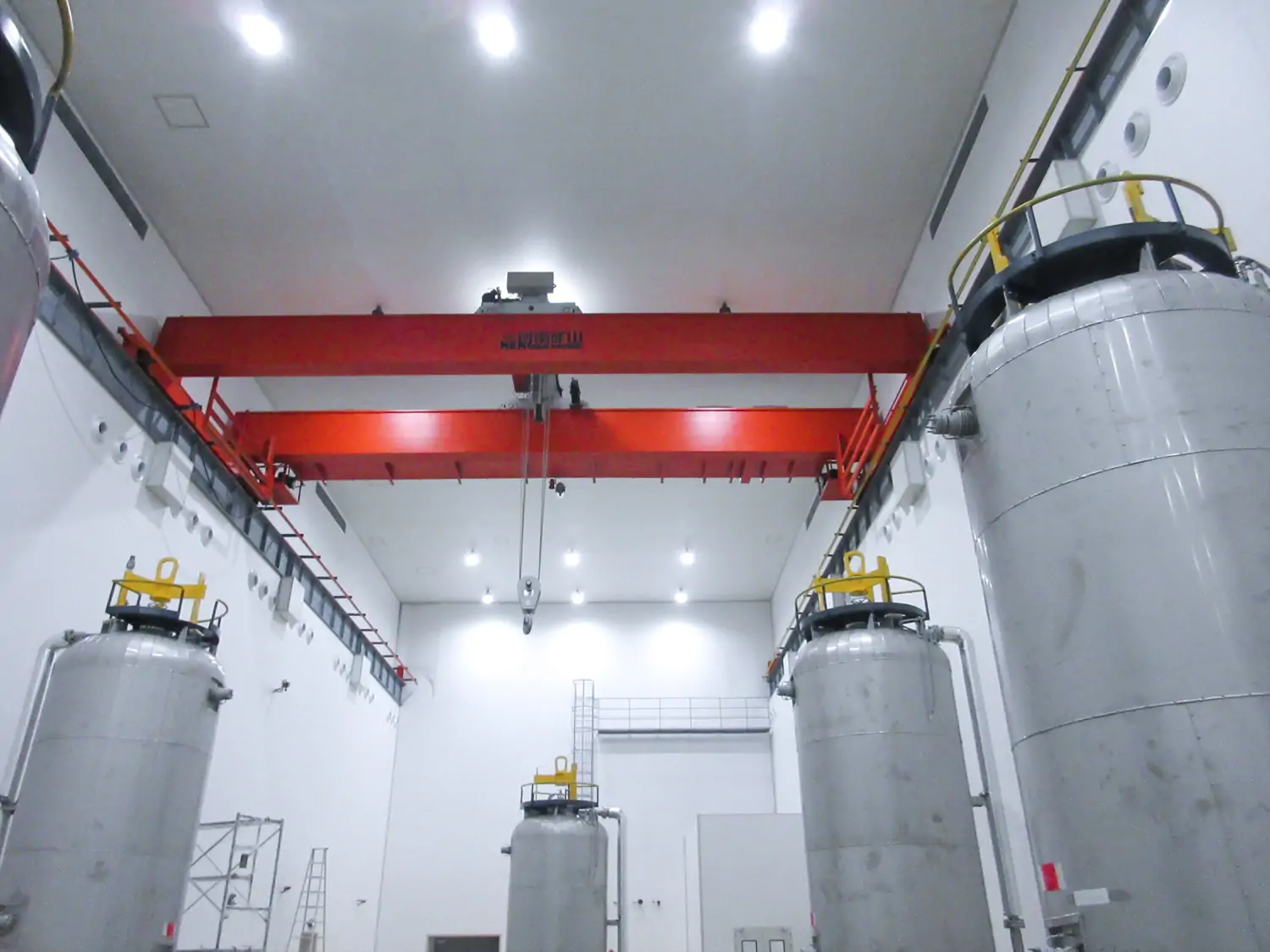
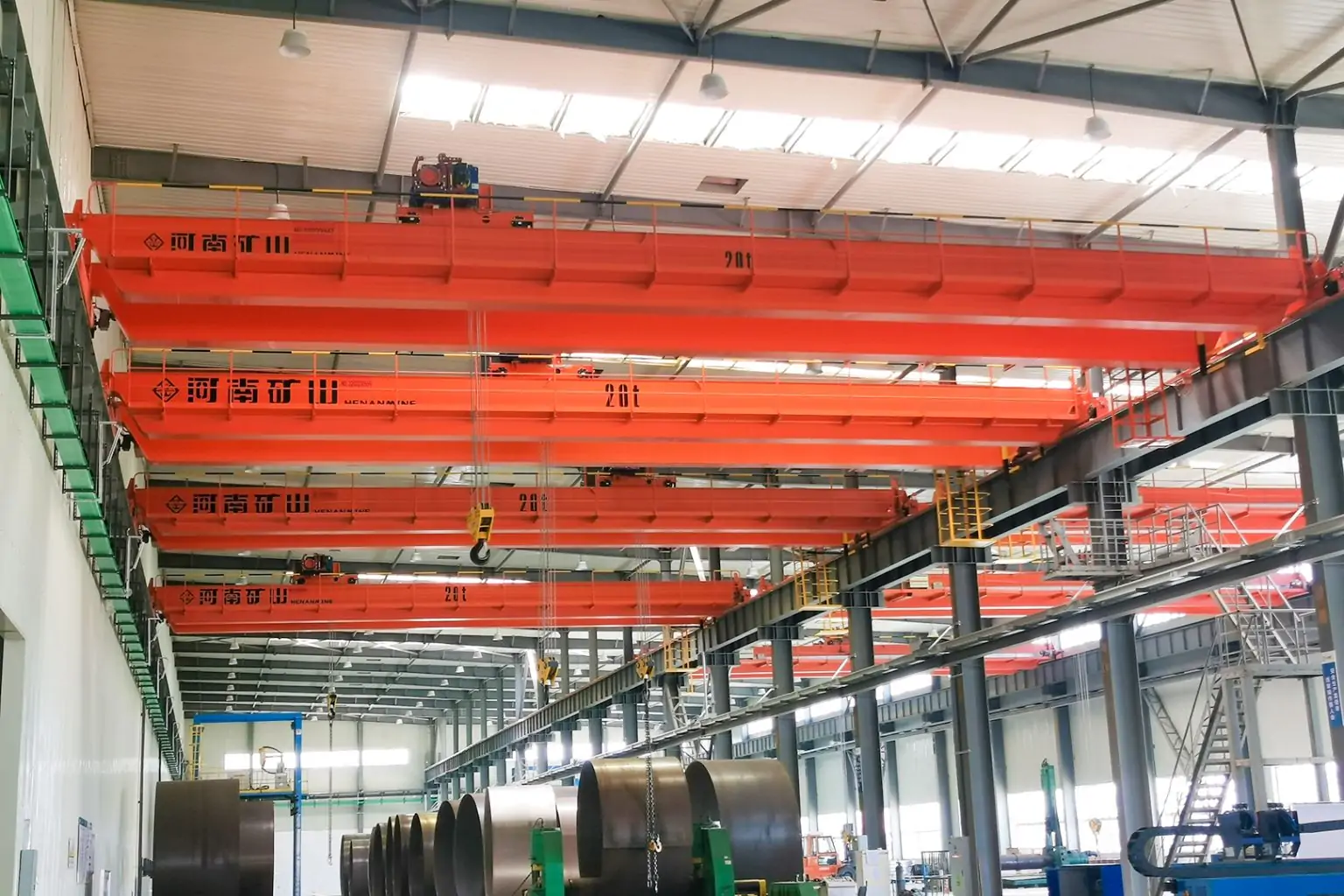
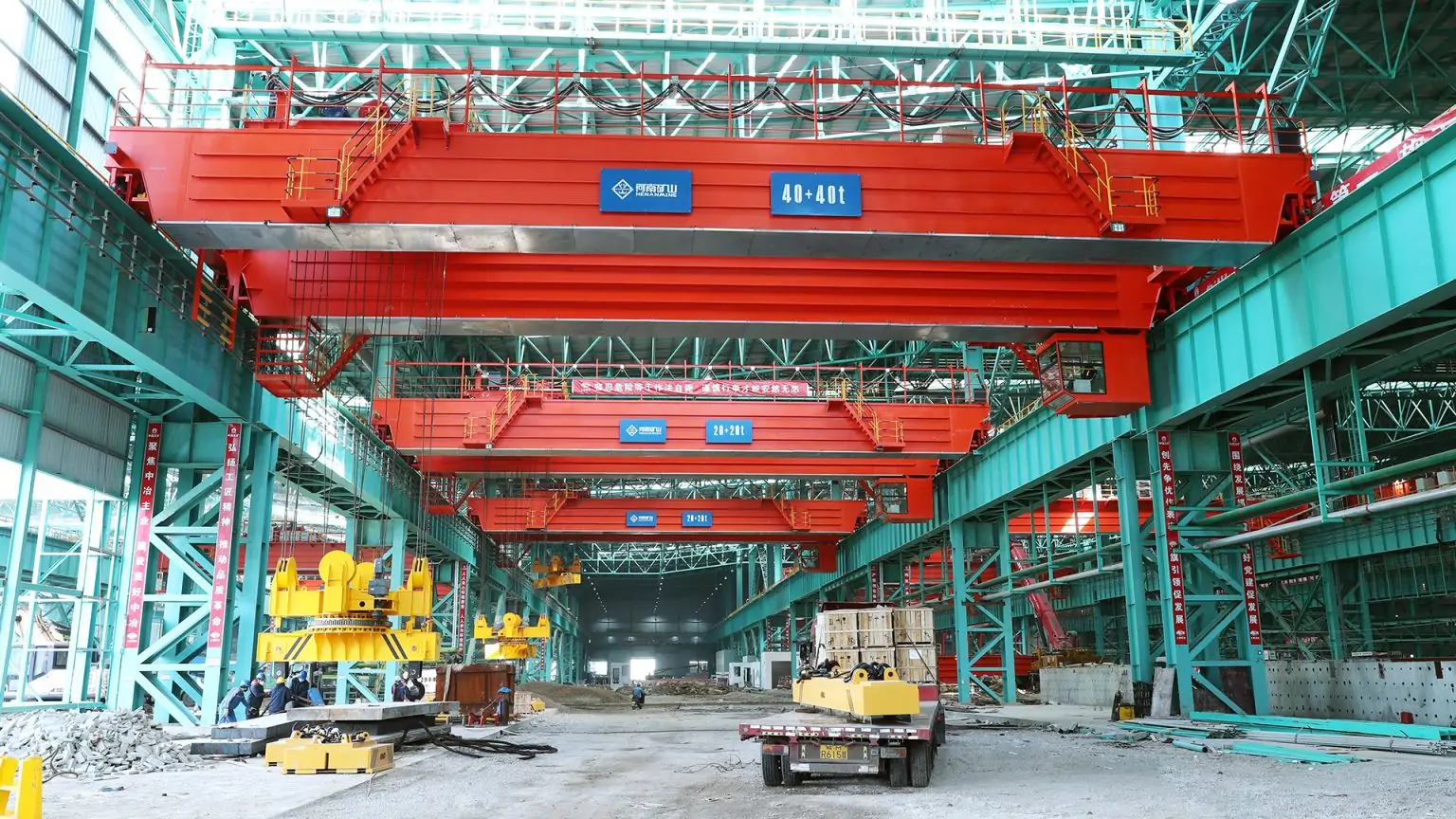
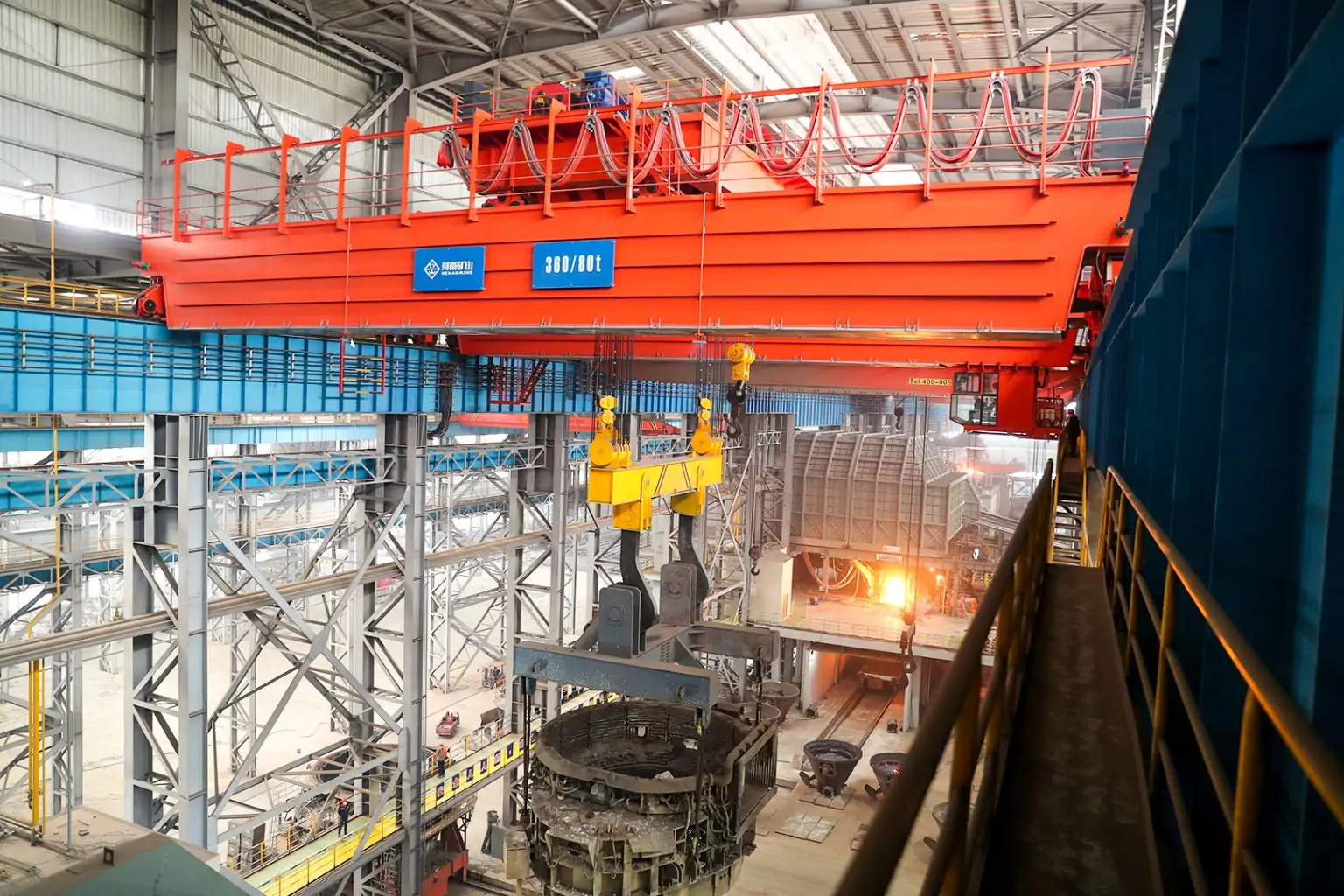
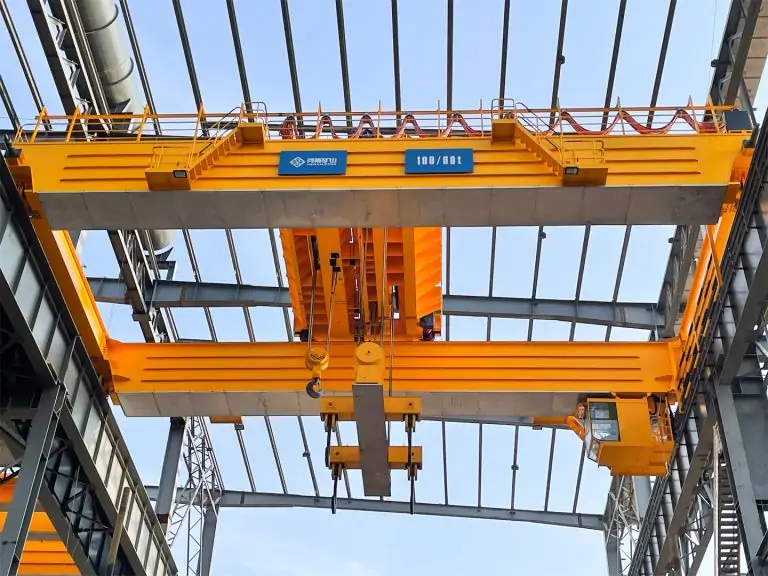
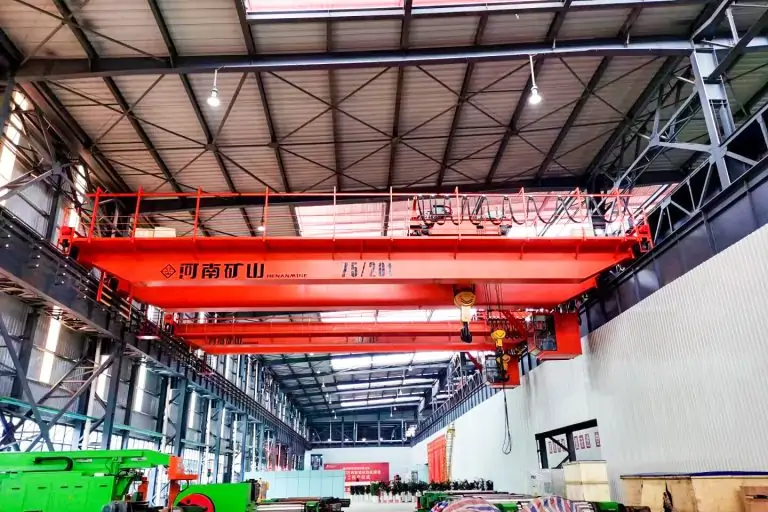
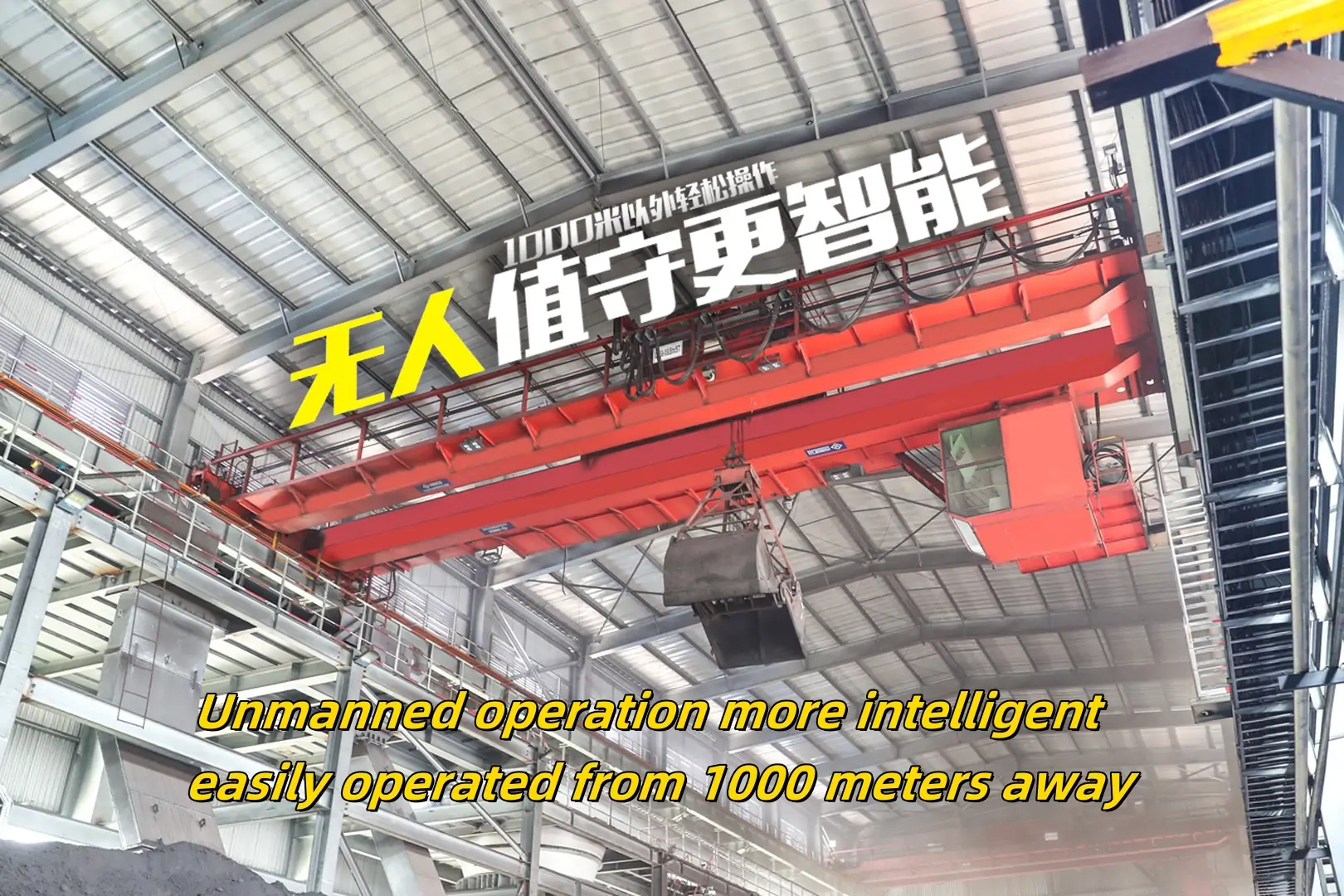
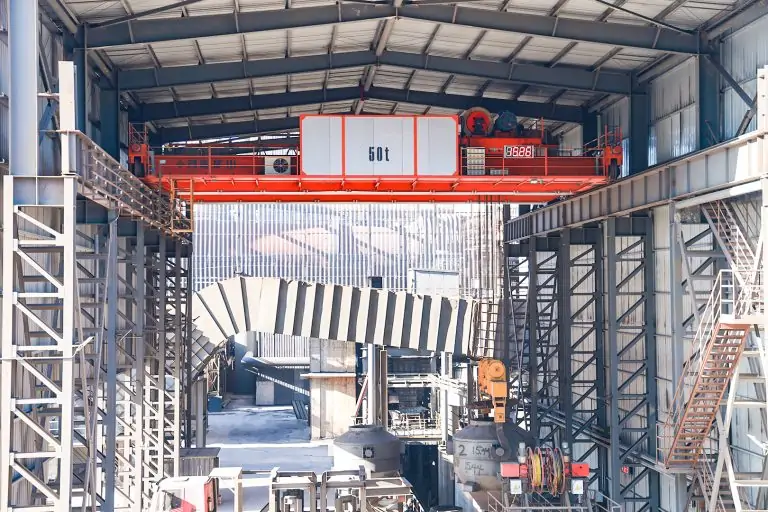
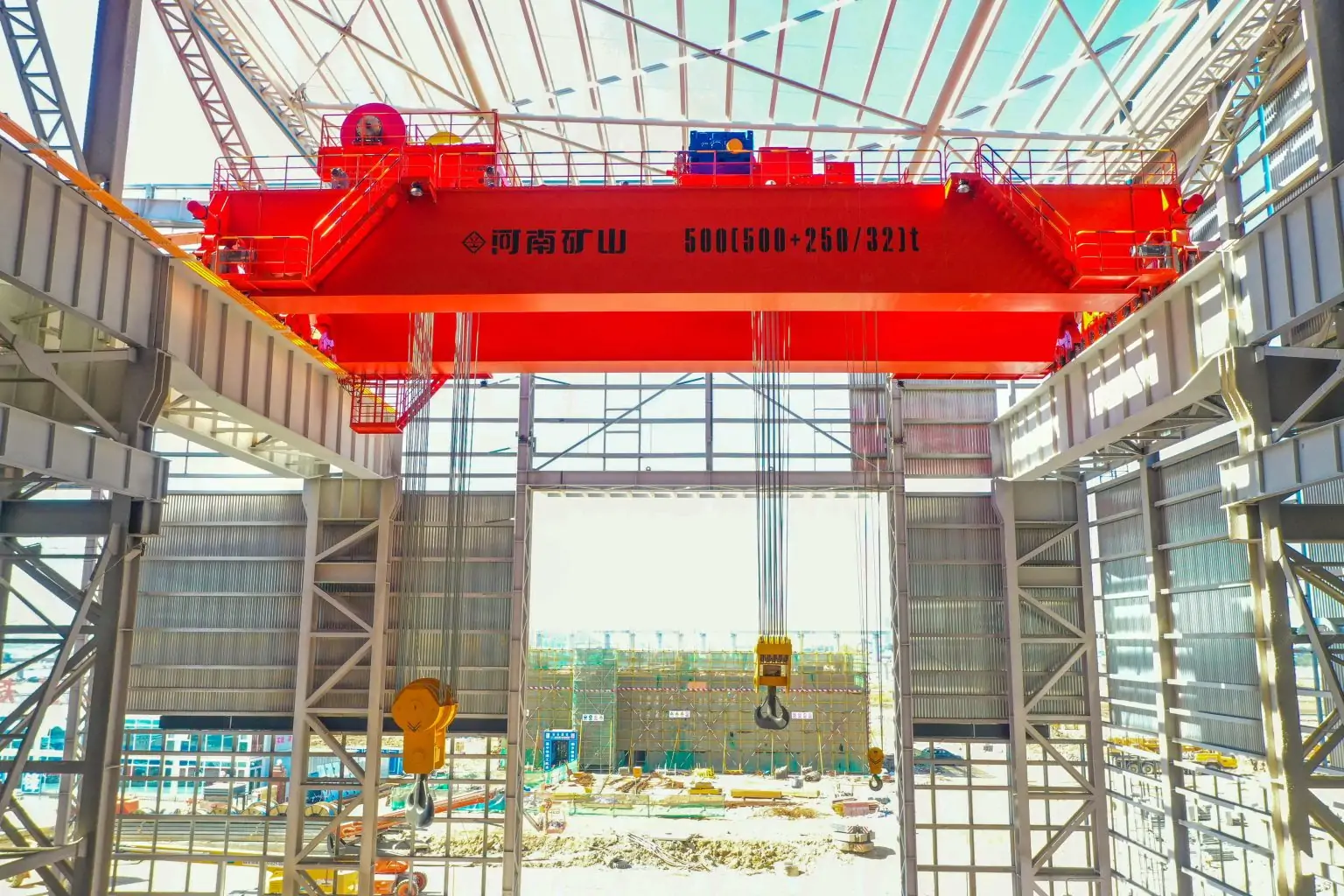
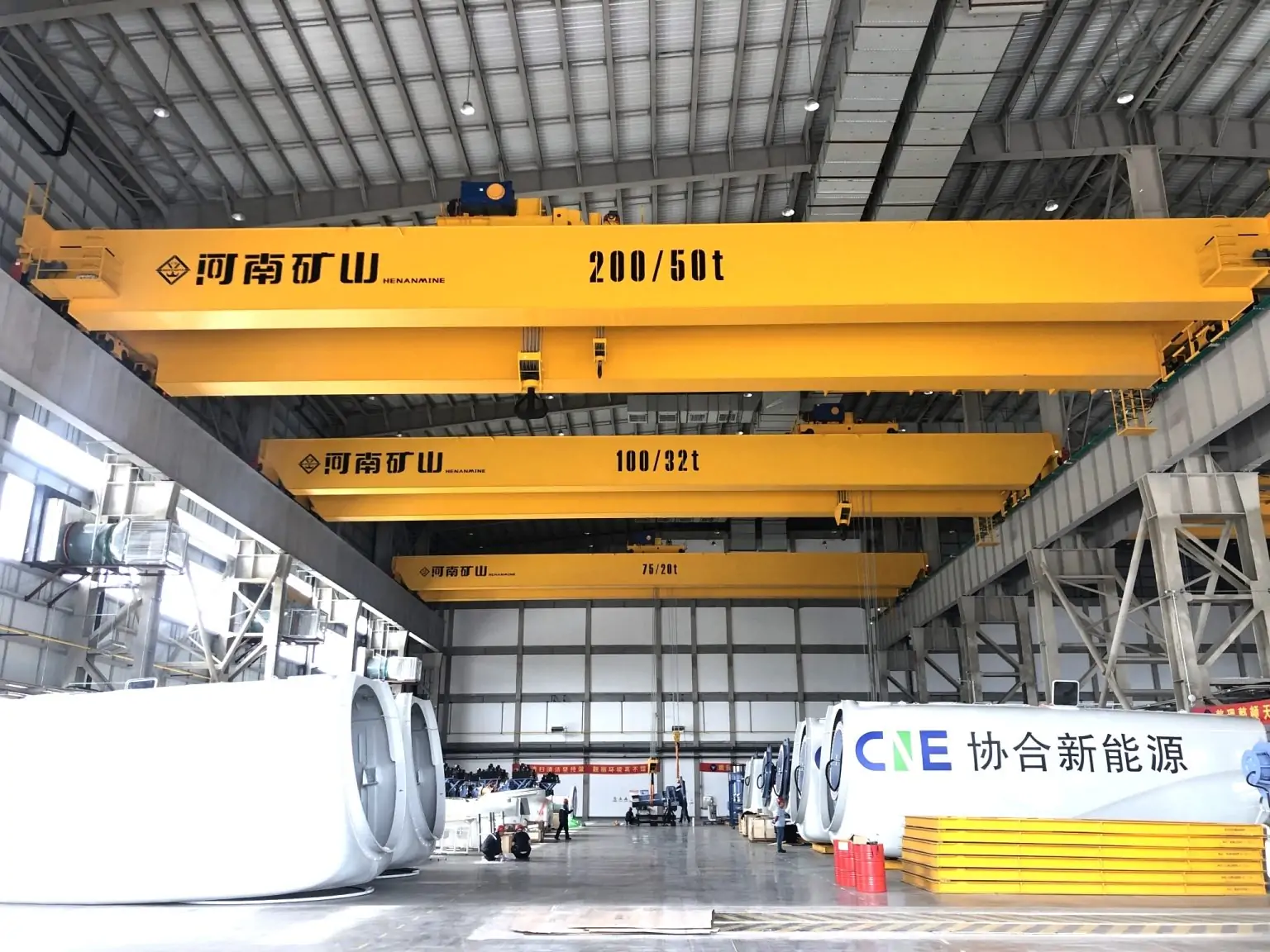
Overhead bridge cranes are commonly used in workshops, and are divided into single girder and double girder models, which are suspended from the top of the plant and run on rails.
The single girder model has simple structure and low cost, and is suitable for light load handling up to 10 tons, mostly used in small and medium-sized workshops and warehousing areas;
The double girder model has stronger load bearing and more stable operation, with a load capacity of up to a hundred tons and precise positioning, suitable for heavy manufacturing, automobile production and other large load and high-precision indoor work.
Gantry/Goliath Cranes
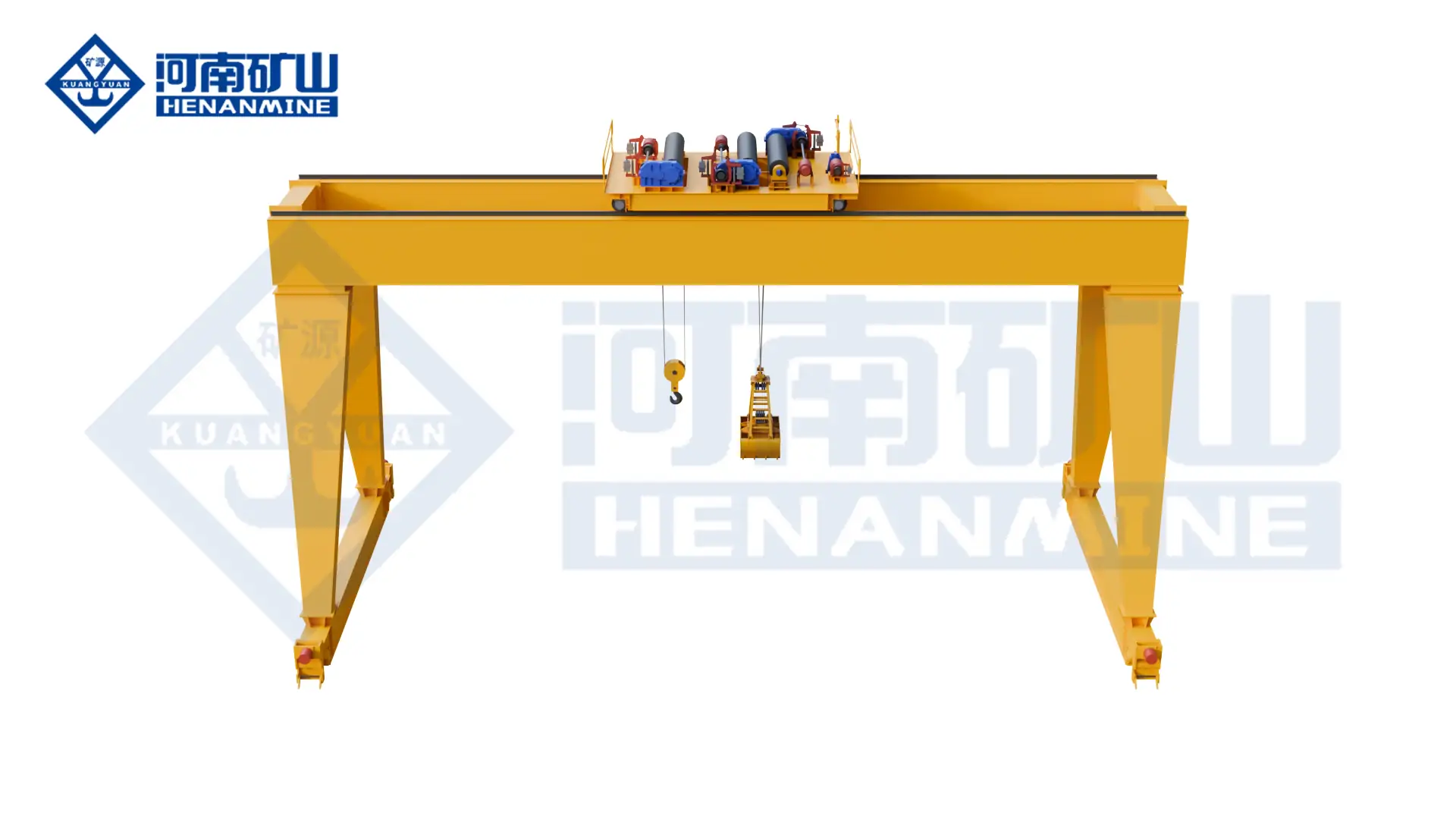
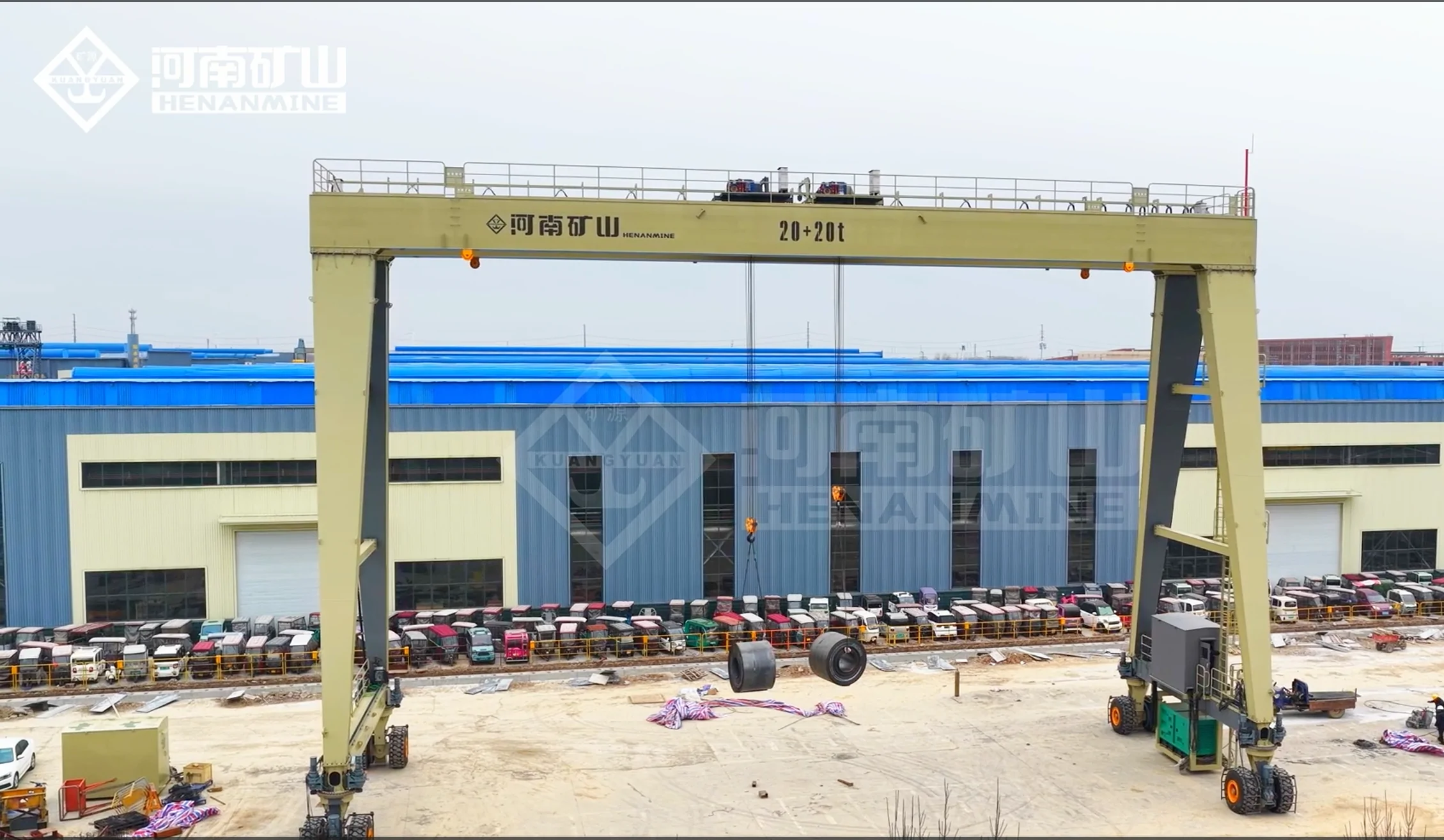
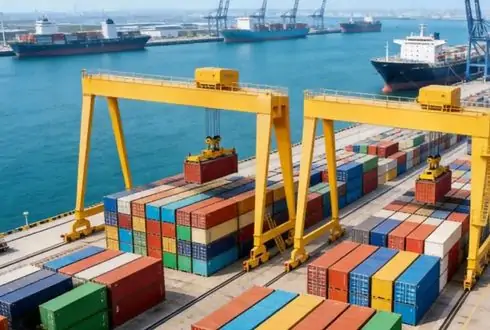
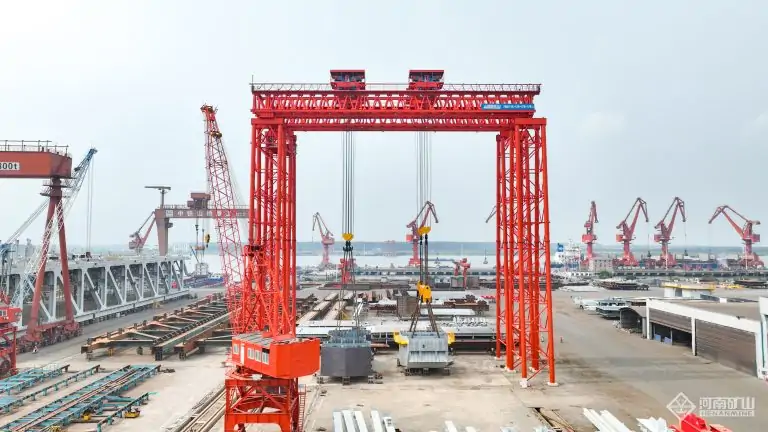
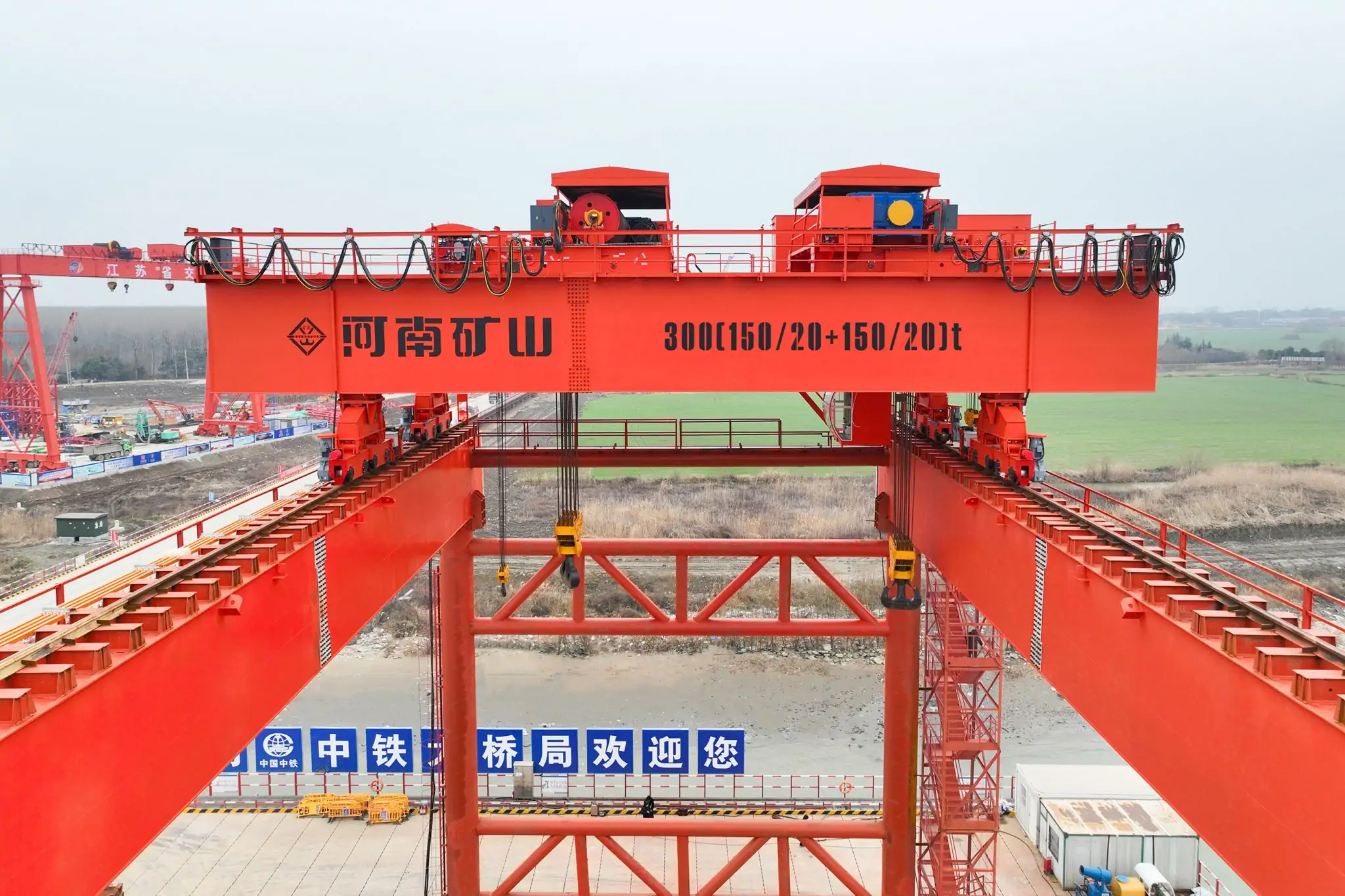
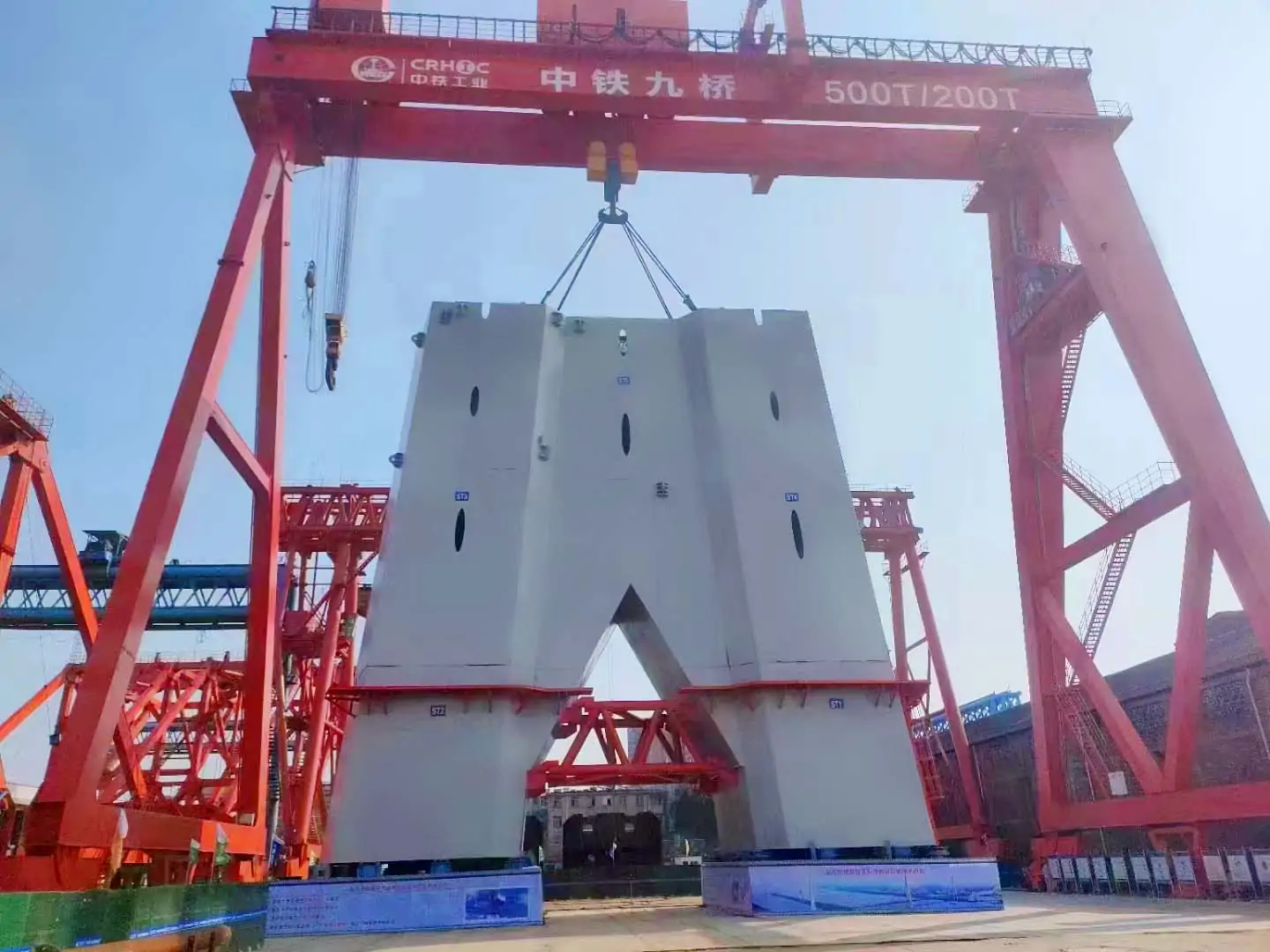
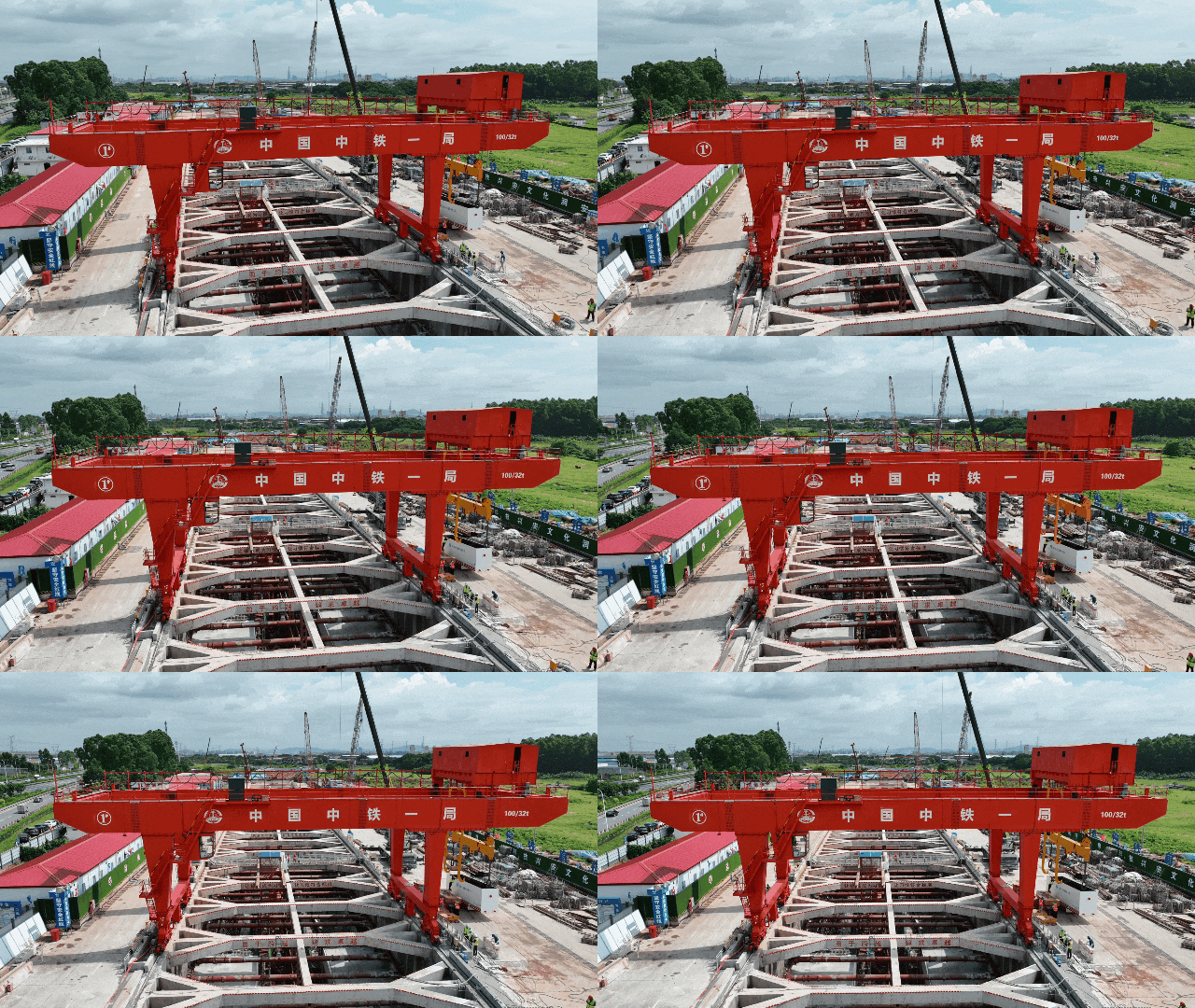
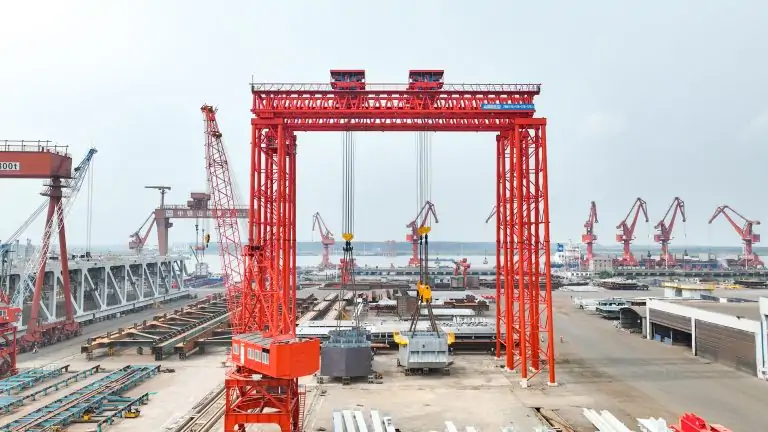
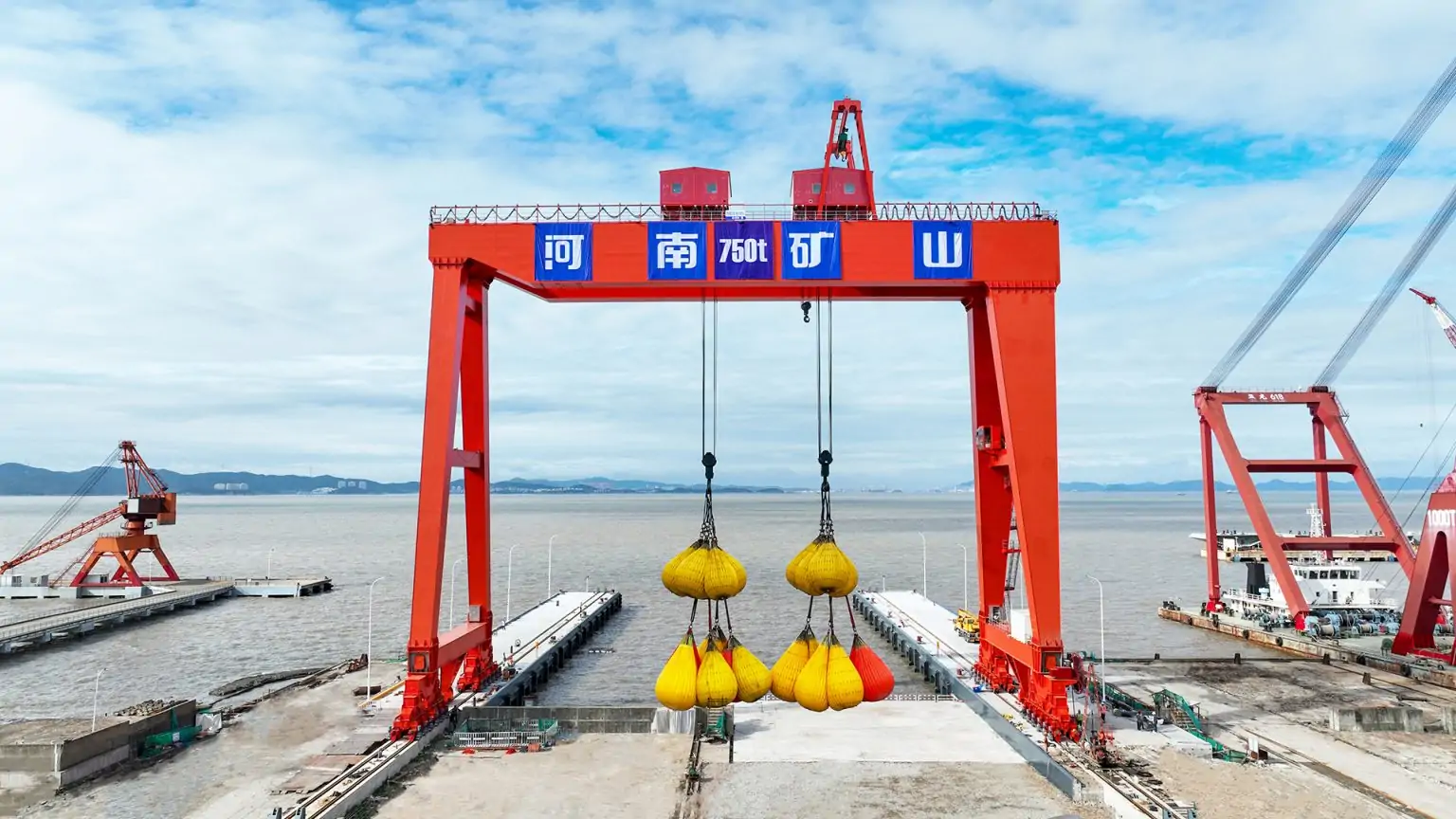
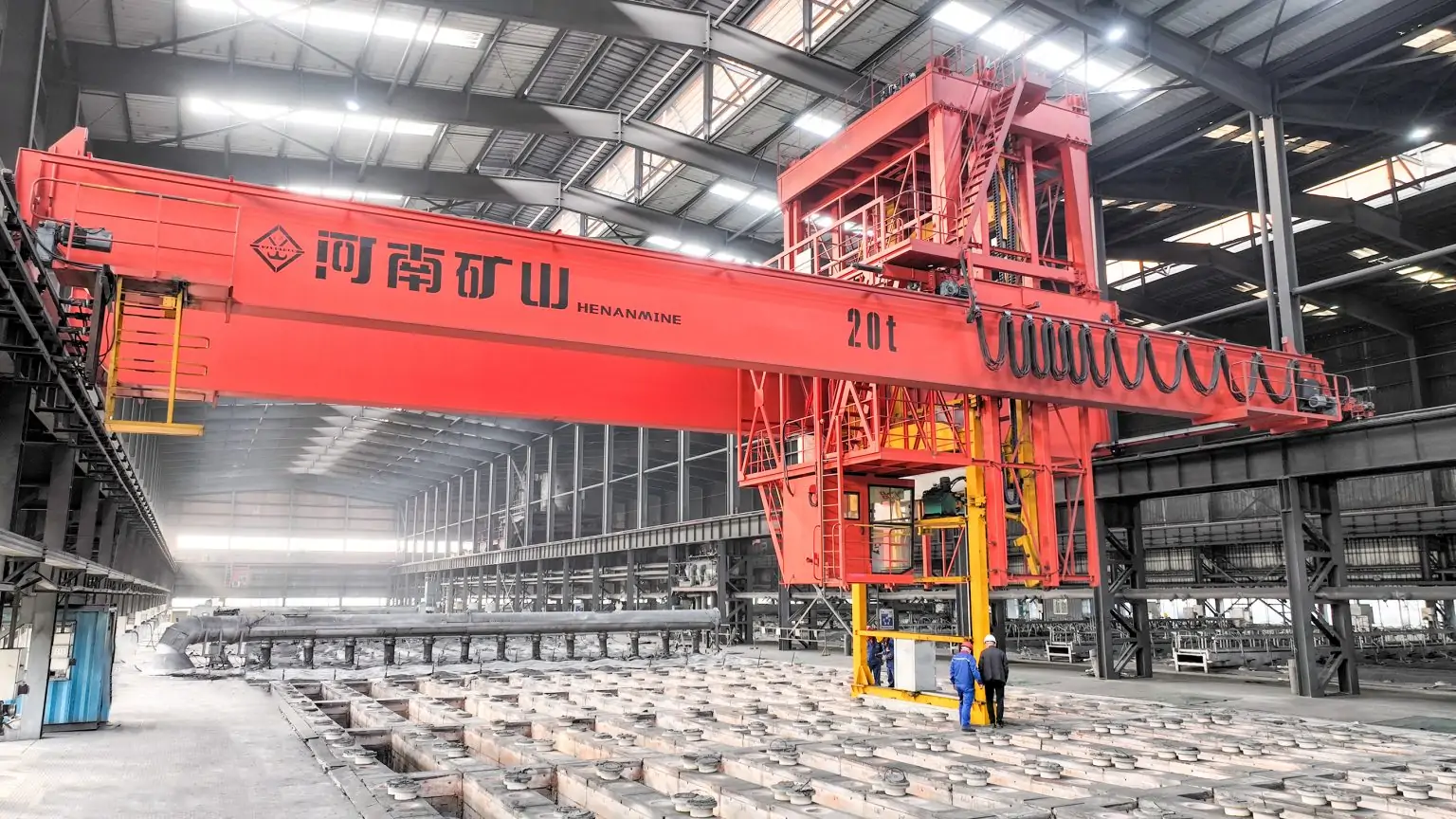
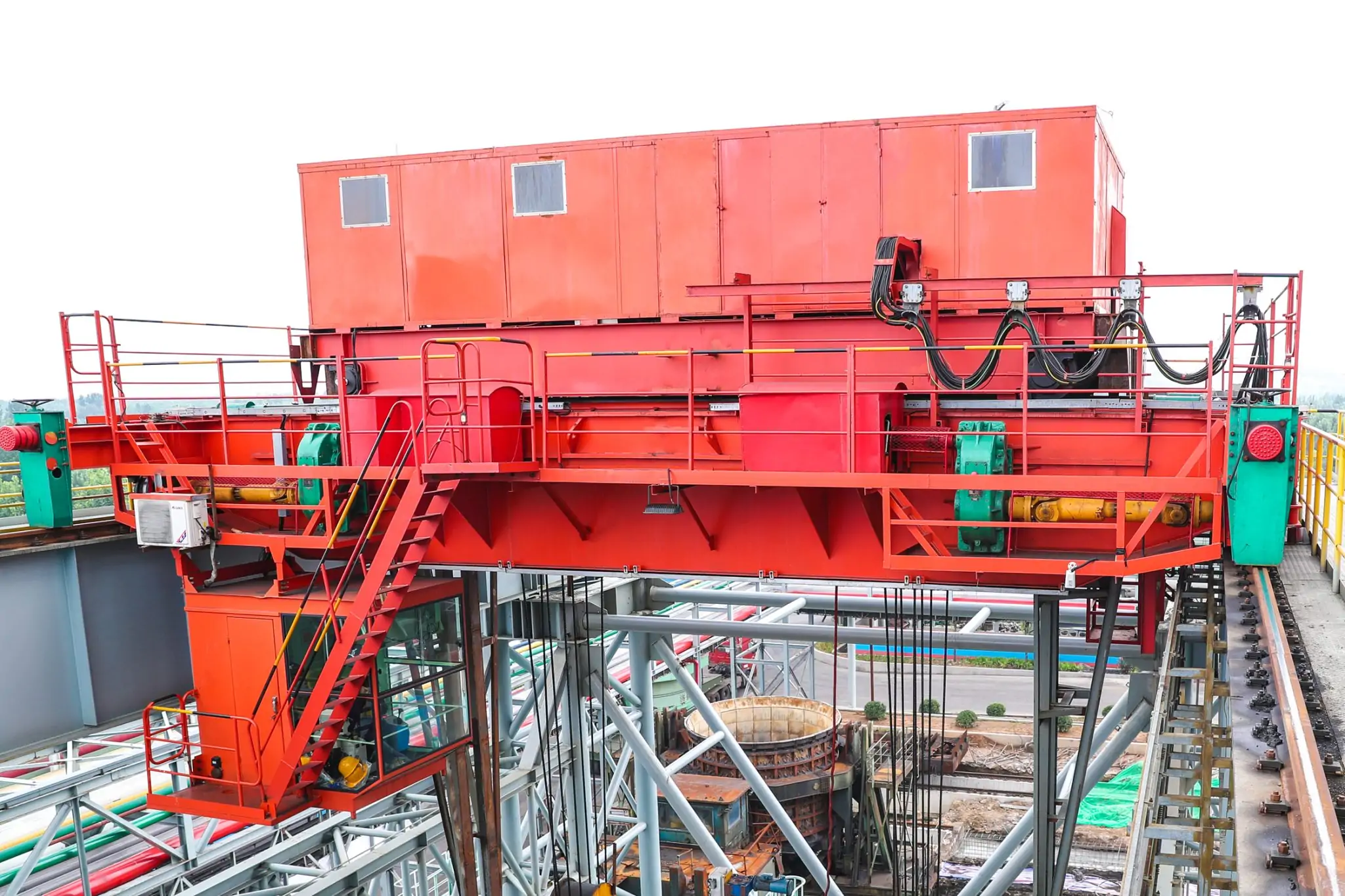
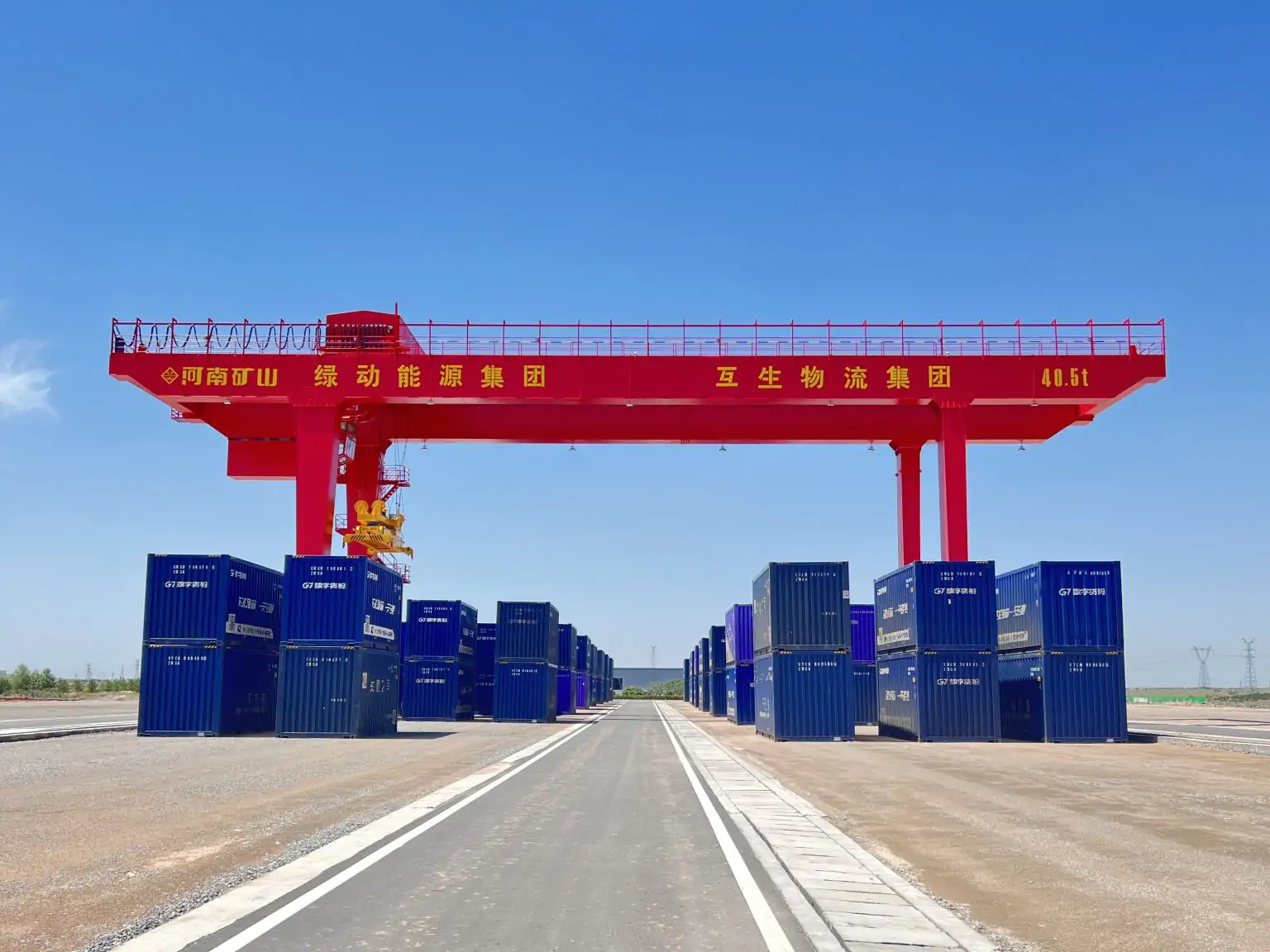
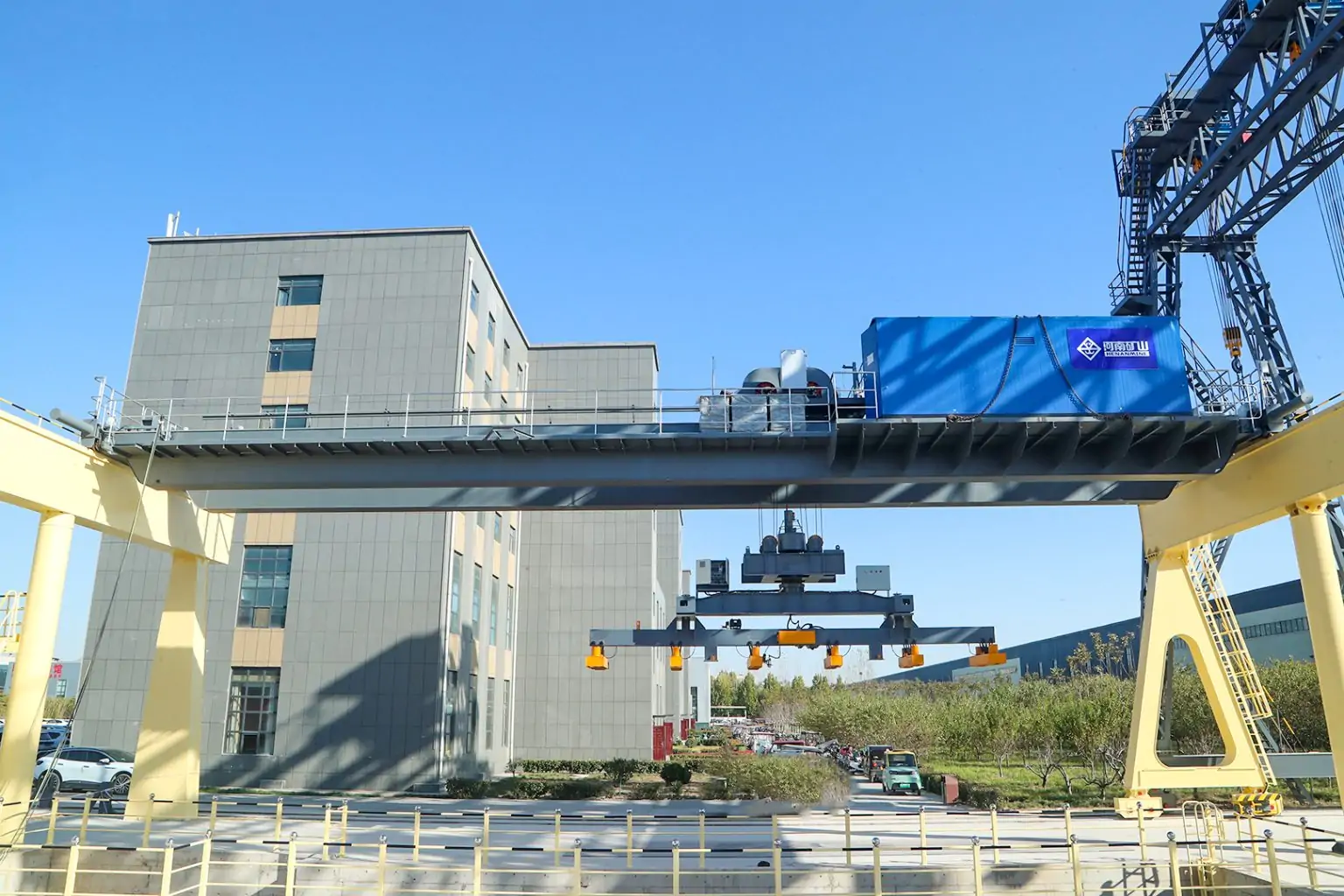
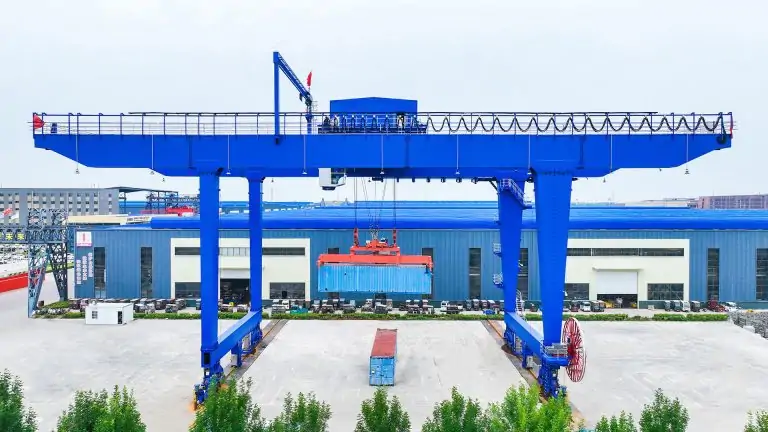
Gantry cranes, also known as gantry cranes, are similar in structure to overhead cranes, but the difference is that they do not rely on the top of the plant for load bearing, but rely on the bottom outriggers to support the legs, which move along the ground track, and belong to independent lifting equipment.
These models do not need to rely on the structure of the plant, installation flexibility, and outstanding load-bearing capacity, a very wide range of operations.
Jib Cranes
The Jib Crane is a compact localized lifting equipment with a 360° rotating boom, which is mainly used for small fixed point operations. It is small in size, can be installed on columns or wall-mounted, does not take up space, easy to control, suitable for loading and unloading of machine tools, small workstations, maintenance rooms and other small scenes, to make up for the blind spot of large cranes.
Light Crane Systems (LCS)
Light Crane Systems (LCS) is a modular economic equipment, load capacity of 0.5-10 tons, light weight, fast installation, low cost, can be suspended or independently erected, strong flexibility, suitable for assembly lines, packaging, sorting and other light operating scenarios, cost-effective, suitable for high-frequency local handling.
Ensure Your Crane Fits Your Work Environment
Crane operating environment, directly affecting the service life of the equipment, operational stability and safety, the selection must be combined with site conditions, environmental factors, to do a good job of all-round adaptation, to avoid early loss of equipment, failures occur frequently.
Indoor vs. Outdoor
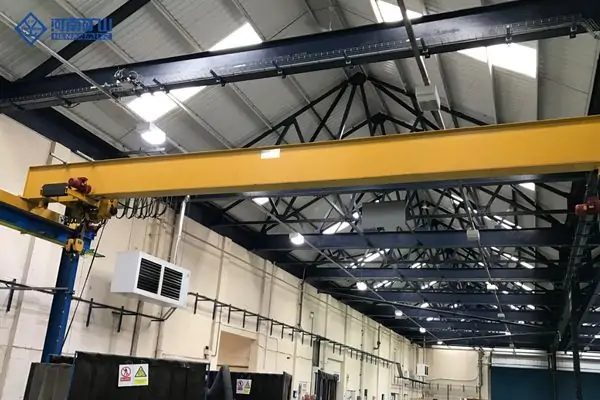
Indoor and outdoor crane configuration requirements differ significantly. Indoor operations only need to do a good job of dust and oil, environmental requirements are lower; outdoor models need to be equipped with rust and corrosion-resistant coatings, waterproof sealing accessories, to withstand -20 ℃ to 50 ℃ temperature difference, to withstand the rain, snow and frost, to prevent corrosion of components, circuit failures, to adapt to harsh outdoor environments.
Space & Layout Constraints
Before installation, it is necessary to make a field survey, measure the size of the workshop, the location of obstacles, avoid production lines and passages, and ensure the smooth running of the route. For workshops with small space, wall-mounted and compact cranes are preferred; workstation cranes need to be delineated in advance to fit the production requirements without wasting space.
Structural Support Requirements
Various types of cranes have different load-bearing requirements: overhead cranes need to meet the load-bearing standards at the top of the plant, and be reinforced if necessary; gantry and independent light cranes do not need to rely on the plant, but only need to be leveled and reinforced foundations; jib cranes need to be installed in accordance with the way to reinforce the columns or walls, to ensure that the operation of the stable.
Compatibility with Operational Flow
The crane's running route and operating rhythm must be perfectly compatible with the production line and warehousing process, and must not interfere with normal production. Equipment running track to avoid the core production line, employee access, fire facilities, reserve sufficient space for maintenance, so that the material transfer seamless assembly line, storage area, to enhance the efficiency of the flow.
Safety, Compliance & Maintenance Essentials
Lifting operations are high-risk operations, safety is always the first place, the purchase of cranes must strictly adhere to safety compliance standards, and do a good job of daily operation and maintenance to eliminate potential safety hazards and protect the safety of operators and equipment.
Global Safety Standards
Regular industrial cranes need to comply with ISO, CE safety certification, with a full range of quality inspection certificates. The equipment should be tested by load test, equipped with limit, overload protection, emergency braking and other safety devices, to eliminate safety accidents, strictly prohibit the procurement of unqualified three-no products, and strictly abide by the safety bottom line.
Operator Training & Controls
Crane control system should be simple and easy to understand, in line with the artificial design, according to the level of workers to choose manual control or electric remote control mode. Enterprises must provide professional training for operators, and only after passing the examination can they be put on duty, so that workers can master the operation process, emergency treatment methods, and safety precautions.
Maintenance & Reliability
Regular maintenance and overhaul is the key to extend the life of cranes and ensure stable operation. It is recommended to formulate a regular maintenance plan, regularly check the motor, wire rope, hook, rail, circuit and other core components, and timely replacement of worn parts. When choosing, give priority to models with universal parts and easy maintenance, and ensure sufficient supply of after-sales parts.
Cost Factors and Return on Investment (ROI)
Crane procurement can not only look at the price of the first period, to account for the full life cycle costs, avoid the low price trap, to maximize long-term returns.
Total Cost of Ownership (TCO)
Total Cost of Ownership (TCO) is not only the purchase price of the equipment, but also includes installation, plant renovation, wiring, later operation and maintenance, accessories, electricity and other costs, the selection of the whole accounting, can not ignore the hidden costs.
Lowest Bid Is Not the Best Value
Low-priced equipment is of poor quality, easy to fail, short life, later operation and maintenance costs are extremely high; high-quality equipment, the initial investment is slightly higher, but durable, less failure, low energy consumption, long-term use of more cost-effective, cost-effective far more than low-priced products.
ROI Calculation for Existing Factories
Older factories accounting returns, focus on three points: one is to choose simple installation, no need to change the plant model, reduce production stoppages and transformation costs; the second is to choose efficient and accurate equipment to improve productivity; the third is to choose the modular model can be upgraded, to avoid repeated purchases.
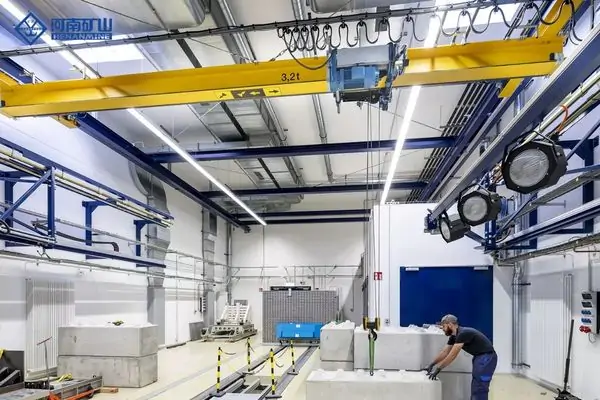
In summary, the old factory crane selection, the need for comprehensive cost, efficiency, scalability, overall accounting in order to maximize returns.
Choosing the Right Supplier and Customization Options
High-quality suppliers, crane quality and after-sales protection, selecting the supplier, not just look at the offer, to examine the strength of the full range, choose reliable, professional, after-sales protection of the manufacturer.
- look at the performance and durability of the equipment. Cranes produced by formal manufacturers, the use of high-quality steel and branded accessories, exquisite craftsmanship, after strict quality control, equipment stability, long life, with qualified qualification certificates, reject poor quality labeled products.
- diversified solutions. Strength manufacturers can provide standardized, modular, customized models, both to meet the regular working conditions, but also to undertake special scenarios customized needs, suitable for all types of manufacturing plants lifting needs.
- professional design and development capabilities. Manufacturers have independent engineering design, manufacturing team, according to customer conditions, tailored lifting program, accurate matching parameters, to solve complex selection problems.
- provide a full life cycle services. From the preliminary program design, manufacturing, to on-site installation and commissioning, later operation and maintenance, parts supply, repair and maintenance, to provide one-stop service, full follow-up, to solve the customer's worries.
- has a wealth of industry cases. With many years of experience in the production of industrial cranes, there are a large number of manufacturing plants, heavy industry, logistics and warehousing applications, good reputation, high market acceptance, especially in the field of EOT cranes and other professional equipment, there are mature project experience.
FAQ
- What is the best overhead crane for a small manufacturing workspace?
For a small manufacturing workspace, the best overhead crane is a jib crane or a light crane (LCS). Jib cranes are small in size, can be rotated 360°, suitable for fixed-point local lifting; light crane modular and easy to install, load capacity of 0.5-10 tons, cost-effective, suitable for light assembly line handling, does not take up space, easy to operate.
- How do I calculate the right load capacity for my factory crane?
First determine the weight of the heaviest materials in the workshop, then reserve 10%-20% safety margin, select the model according to the maximum load, do not select according to the average weight. Single girder cranes are suitable for light loads, double girder cranes and gantry cranes are suitable for large loads, eliminating overloading.
- What's the difference between jib cranes and light crane systems?
Jib cranes focus on fixed-point rotary operation, covering a circular area, suitable for single-station loading and unloading; light crane can move linearly along the track, covering a square area, suitable for long-distance transfer of assembly line, the two operating range and form of significant differences.
- Can I install an overhead crane in an existing building with limited support?
Can I install an overhead crane in an existing building with limited support? These two types of equipment do not need to plant the top of the load-bearing, only need to reinforce the ground foundation, without remodeling the plant, the installation is fast, will not delay production.